




U.S. Ports Still Congested 4 Months After Shutdown
Ports on both coasts remain congested four months after a shutdown of 37 West Coast ports as cargo continues to stack up on the docks
Ports on both coasts remain congested four months after a shutdown of 37 West Coast ports as cargo continues to stack up on the docks.
Truckers in Los Angeles and Long Beach are reporting waiting times as long as eight hours at some container facilities, according to the Journal of Commerce.
Los Angeles-Long Beach is the most congested harbor in the U.S. and Robert Sturdevant, vice president of World Commerce Service Inc., said he's never seen thing so bad in his 20-year career as a customs broker and consolidator in Long Beach.
Some harbor truck drivers, most of whom are independent contractors, are refusing to pick up loads in L.A. even with the offer of bonuses, Sturdevant said. Terminal operators agree that the re-opening of the ports on Oct. 10 following the lockout of union longshoremen by management unleashed a flood of cargo that most facilities were not prepared to handle. "We've been running weekend gates every week except for Christmas, but it's still not a normal situation," said Phillip Wright, vice president of West Coast operations for Zim-American-Israeli Shipping Co.
Farther up the coast, Oakland and Seattle are scrambling to clear the cargo backlog. Waiting times can reach several hours, said Dan Gatchet, president of West Coast Trucking in Seattle, but he added that the Pacific Northwest ports are working their way back to the customary one-hour turn time.
Truckers say some terminals in Southern California have kept waits down to less than an hour by opening more gates and keeping them open longer.
The congestion spread when large importers and retailers flooded East Coast ports with diverted shipments from Asia. On Dec. 19 the Port of Savannah recorded 4,395 gate moves, and the Port of New York and New Jersey quickly found itself short of labor, trucks and chassis.
The port shutdown played havoc with trans-Pacific vessel rotations in October and November, according to the Journal. In order to catch up, shipping lines began skipping port calls, flooding some West Coast ports with more cargo than the terminals were equipped to handle. Terminals became inundated with empty containers as shipping lines, rushing to keep vessels moving, in many cases didn't allow enough time to reload their vessels with boxes returning to Asia.
Terminals were forced to stack containers in locations that were considered unsafe for trucks. Longshoremen had to move the containers prior to loading as drivers waited for hours once they got inside terminals.
West Coast terminals work efficiently only when they can store imported containers on chassis. Since October, most terminals have been unable to wheel their imports, causing even more delays for truckers.
Frustrated by long lines that limited them to one round-trip per day, many drivers chose not to work during the holidays. "It has been extremely difficult to get drivers to work," said Patty Senecal, vice president of sales at Transport Express in Rancho Dominguez, Calif.
Importers have been hit with large demurrage fees because they couldn't get enough truck drivers to call at the ports, or because drivers couldn't make enough trips in a day. "In the last six weeks, I've paid more demurrage than in the entire 20 years I've been in this industry," said Sturdevant, the Long Beach consolidator.
More Aftermarket
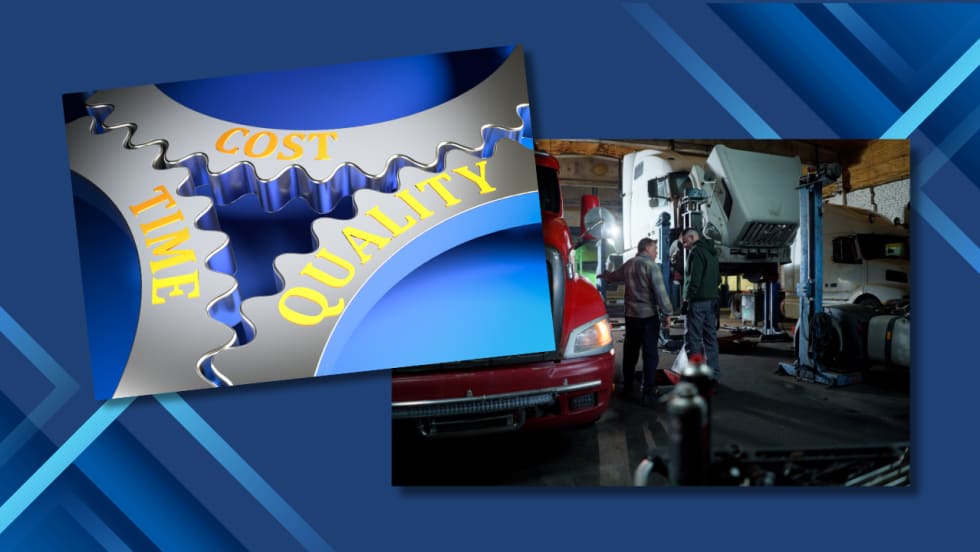
What Three Fleets Are Doing Differently When Buying Truck Parts in 2026
With freight improving but costs still climbing, fleet maintenance executives explain how they're balancing price, quality, and supplier relationships.
Read More →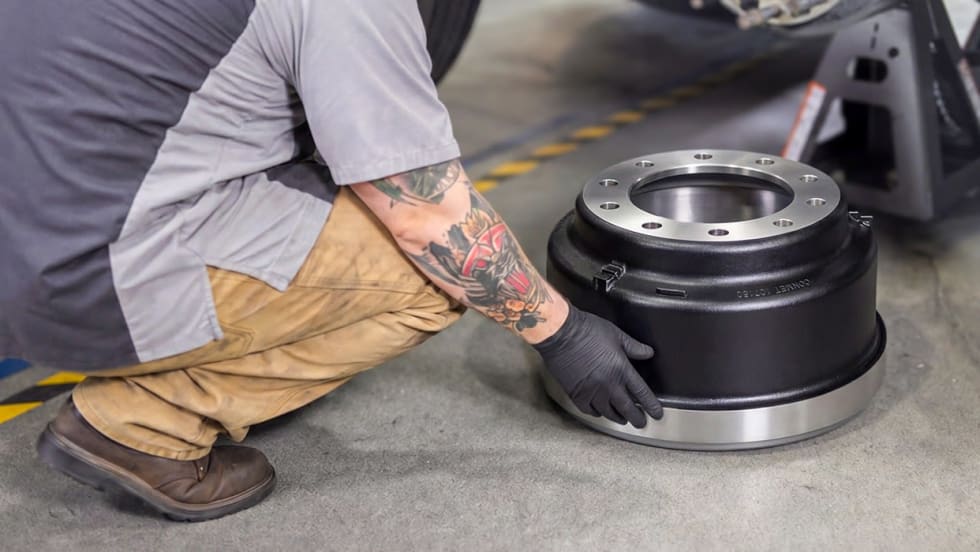
ConMet Expands Aftermarket Brake Drum Lineup With TruCast
A new heavy-duty truck brake drum option in the aftermarket gives customers more flexibility within the ConMet product family.
Read More →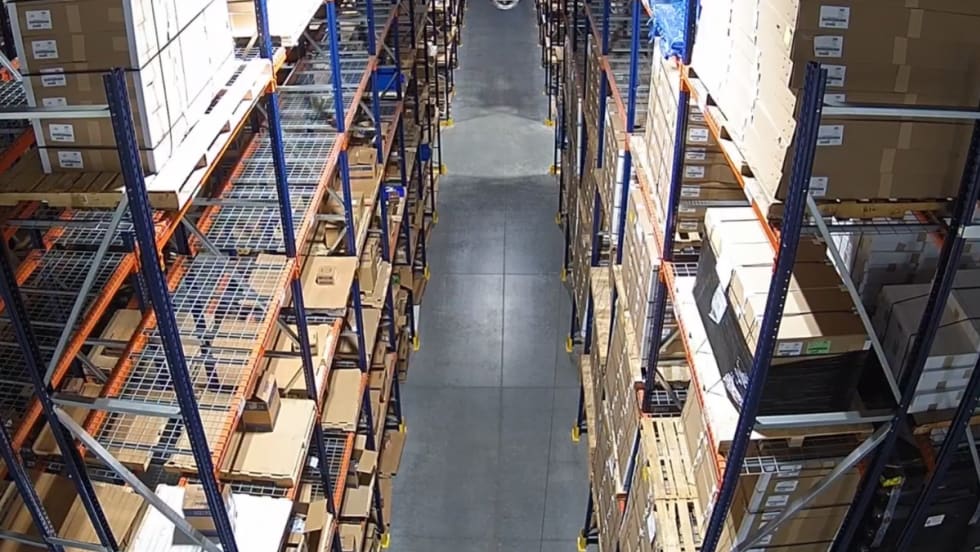
Phillips Opens High-Tech Distribution Center for Faster Parts Delivery
Phillips Industries’ new Cincinnati-area distribution center is now shipping aftermarket trucking parts nationwide, aiming to speed up delivery times for customers.
Read More →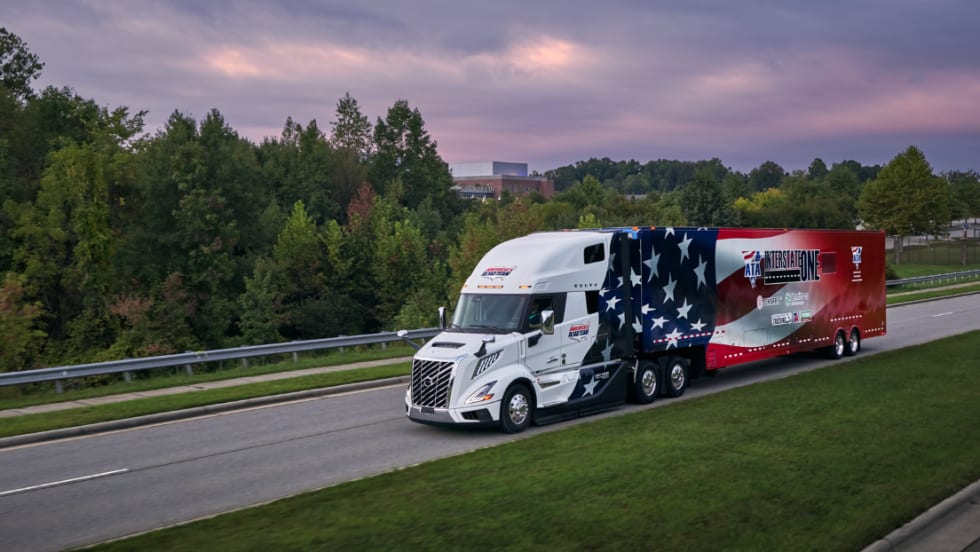
Volvo to Sponsor America’s Road Team for 2025
Volvo Trucks announced that it is extending its exclusive sponsorship of America’s Road Team for 2025.
Read More →
Webb to Start Taking Orders for UltraSet Pre-Adjusted Wheel Hubs
Webb, which recently acquired the Stemco Trifecta pre-adjusted hub program, will soon start taking orders for its replacement pre-assembled hub, the UltraSet.
Read More →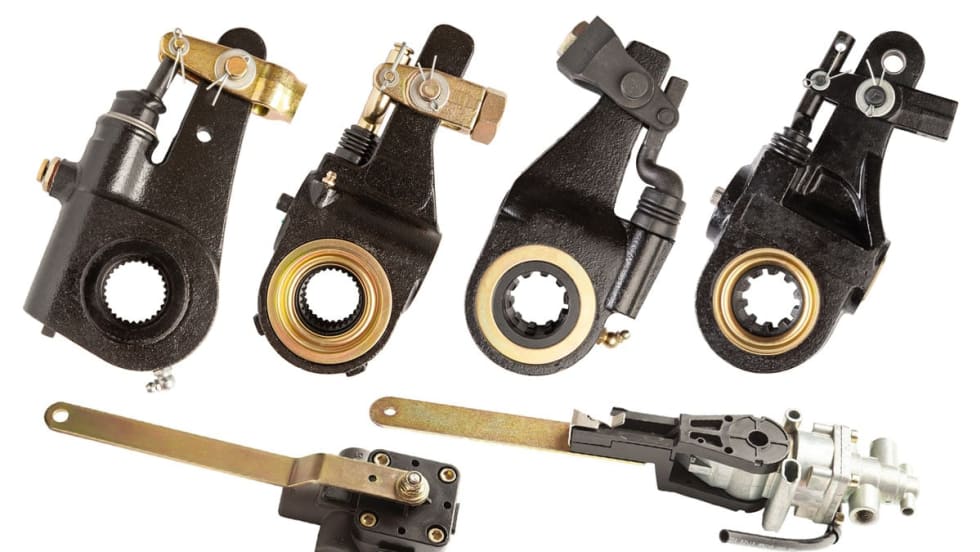
All-Makes Automatic Brake Adjusters, Ride Height Control Valves from Midland
SAF-Holland has added automatic brake adjusters and ride height control valves to its Midland All-Makes Program.
Read More →
ZF Aftermarket Expands [pro]Academy Training
ZF Aftermarket said it is expanding its ZF [pro]Academy training and will be adding 40 new modules this year.
Read More →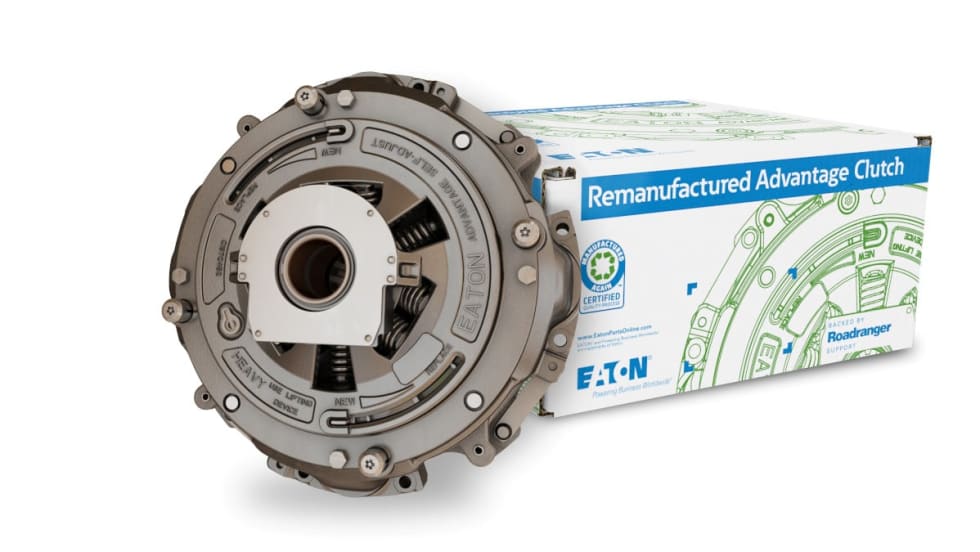
Eaton Adds Remanufactured Advantage Line of Clutches
Eaton has added its Advantage clutches to its remanufactured product line. The clutches feature a unique strap drive intermediate plate designed to allow customers to choose the latest OE specification
Read More →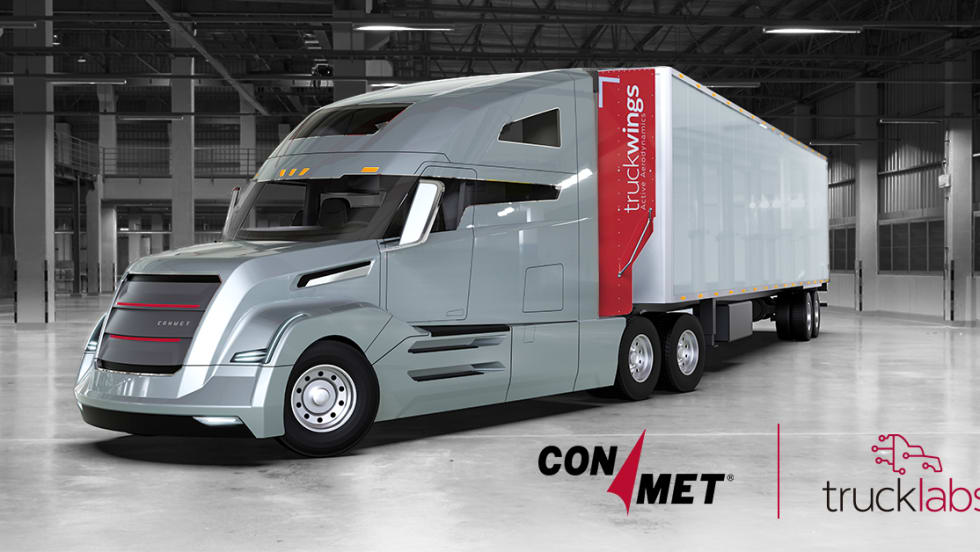
ConMet Acquires TruckLabs, the Creator of TruckWings
Commercial truck and trailer parts provider ConMet acquired TruckLabs, the company that created TruckWings, an aerodynamic device that attaches to truck cabs and deploys to close the gap between truck and trailer. TruckLabs now operates as a subsidiary of ConMet.
Read More →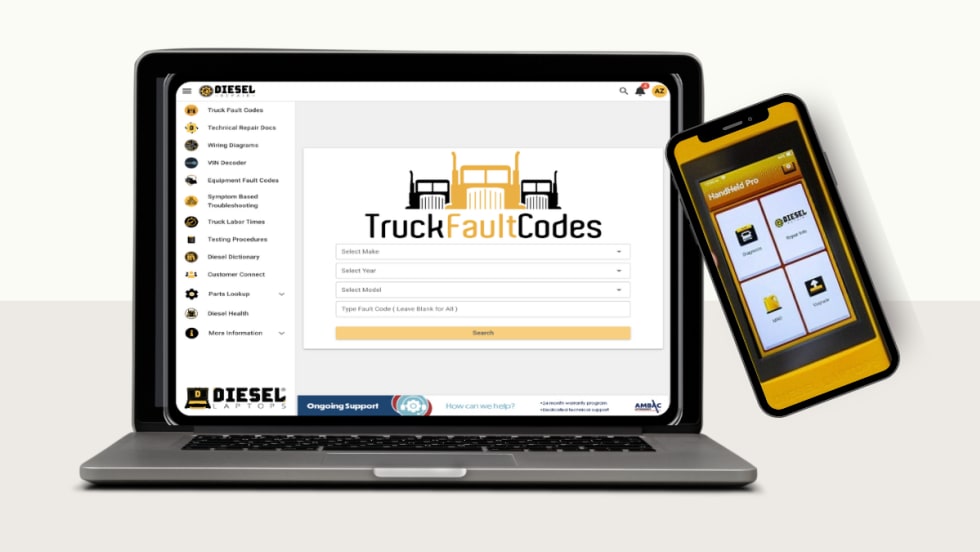
Diesel Laptops Releases Fault-Code-to-Part-Number Tool
Diesel Laptops said its Truck Fault Codes allows users to input a fault code and immediately identify and order the parts needed to complete repair work.
Read More →