




UPS Uses Plastic to Lighten Loads, Save Fuel
UPS is introducing composite materials to replace certain metal components into its trucks, a move that is improving the company's fuel efficiency by 40%, according to a UPS blog post
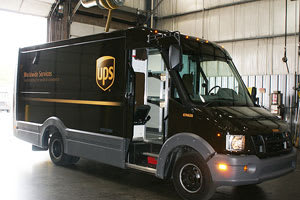
One year of testing showed the UPS composite vehicles are durable, work well in various climates (especially where corrosion from road salt is a problem) and are easily repairable because they are modular.
UPS is introducing composite materials to replace certain metal components into its trucks, a move that is improving the company's fuel efficiency by 40%, according to a UPS blog post.
The company is purchasing 150 of these vehicles after testing five CV-23 composite prototypes in a year-long pilot program to determine durability, repair qualities and structural strength. The vehicles, nicknamed the "plastic trucks," weigh nearly 900 pounds less than traditional package cars, improving fuel efficiency by 40%, according to test results. Vehicle delivery is scheduled for the fourth quarter of 2012.
One year of testing five of these vehicles in high-mileage settings showed that composites stand up to the rigors of the road. According to the company, they are durable, work well in various climates (especially where corrosion from road salt is a problem) and are easily repairable because they are modular.
With such significant fuel savings, composites rival the fuel efficiency of alternative fuel vehicles - minus the infrastructure issues, production challenges and technology obsolescence concerns that go along with alternative fuel vehicles. UPS plans to test composites in larger, heavier vehicles to see if they provide the same benefits.
The use of composite materials signals a strategic shift for UPS. In the past, the company's blog says, UPS package cars were "built like tanks" because they were kept in service for decades. Now, though, the company is changing its mindset.
UPS isn't the only company advocating the commercialization of light-weight composites. Manufacturers of passenger cars are also composites, and the U.S. Department of Energy will provide $14.2 million in funding for fuel-saving projects, including those using new materials to decrease vehicle weight.
Composites aren't the only way UPS is increasing fuel efficiency. "Our 'rolling laboratory' strategy leverages our on-the-road development programs to check out all avenues for reducing fuel consumption and emissions," says Dale Spencer, director, automotive engineering. "Since the year 2000, UPS has improved its U.S. fuel efficiency in miles per gallon by more than 20%."
The company is also collaborating with dozens of vehicle manufacturers to develop more structural and operational ways to cut vehicle weight, improve mpg and increase fuel efficiency, including prototype hoods that improve aerodynamics; perforated mud flaps on tractor-trailers to fight wind resistance; and telematics to help reduces the miles the vehicles travel to deliver packages.
Alternative fuel and advanced technology vehicles are also part of the company's strategy, with more than 2,500 now on the road.

More Drivers

Hours of Service Pilot Programs: FMCSA Readies for 2027 Rollout
Two pilot programs could eventually reshape hours-of-service rules, giving truck drivers options to pause their 14-hour clock or use longer split sleeper rest periods.
Read More →
Medical Cards, English Proficiency Reshape Roadcheck Violations
Medical-card violations jumped to the top of the driver out-of-service list during CVSA’s 2026 International Roadcheck, while English-language proficiency violations appeared among the leading violations for the first time.
Read More →
Driver Trust Can Make or Break the Success of Fleet Safety Technology
New Teletrac Navman research suggests that onboarding, transparency about driver data, and positive feedback can play a significant role in how commercial drivers respond to safety and coaching technology.
Read More →
EEOC Sues KLLM Over Alleged Sex Discrimination in Driver Training
KLLM is facing a federal sex-discrimination lawsuit over policies the EEOC alleges put female truck driver trainees at a disadvantage.
Read More →
FMCSA Moves to Codify English Language Requirements for Commercial Drivers
By changing regulations on English-language proficiency requirements for commercial drivers, rather than relying on a guidance memo, the FMCSA said future administrations won't be able to walk back the Trump administration's stricter enforcement with just a memo.
Read More →
Drivers Put Western Star Trucks to the Test at Star Nation Experience
Watch to get an inside look at the Western Star trucks, technology, and community behind the Star Nation Experience 2026!
Read More →
Trump Administration Looks to Put More Veterans Behind the Wheel
The Freedom Haulers program pulls together existing and expanded programs at several federal agencies to recruit veterans to drive commercial heavy-duty trucks and cut the red tape for them to get a CDL, training, and employment.
Read More →
Putting Mack’s Command Steer to the Test
A test drive of Mack’s Command Steer active steering system evaluates how it can make truck driving easier and less tiring.
Read More →
Competition Heating Up for Truck Drivers
New report reveals rising driver hiring costs, the return of sign-on bonuses, growing AI advantages, and the operational factors shaping driver retention.
Read More →
How Fraley & Schilling Improved Logbook Compliance by Over 50%
Fraley & Schilling needed a way to close a compliance workflow gap in its ELD system without adding more work from driver training, reminders, and back-office follow-ups. It found the answer in a custom driver app.
Read More →