




UPS Takes Returns at Drops
UPS, headquartered in Atlanta, Ga., announced it now accepts ground returns at its 40,000 drop box locations
UPS, headquartered in Atlanta, Ga., announced it now accepts ground returns at its 40,000 drop box locations.
This expands the level of convenience retailers can offer customers at an economical price. In addition, the return service provides flexibility to businesses seeking to recover small-sized returns from mobile workers such as field service technicians.
Post-sales customer service is important to home-based shoppers. According to a survey by Harris Interactive, 92 percent of online shoppers say they are somewhat or very likely to shop again with a retailer whose returns process suits them. Conversely, 85 percent said that if the returns process is inconvenient, they are not very or not at all likely to shop again with a direct retailer.
Decades ago, UPS introduced the industry’s first returns service using a system named call tags. Later, UPS was the first to develop a returns service for printer cartridges. In recent years, UPS developed a broad reverse logistics portfolio including solutions such as electronic return labels which can be e-mailed directly to customers and printed from their computers.
For this latest UPS service, acceptable drop box ground packages must be labeled as a UPS returns package. These include Authorized Return Service, UPS Electronic Return Labels, UPS Returns on the Web, UPS Print Return Label and UPS Print and Mail Return Label. Package dimensions cannot exceed 16x13x12 inches.
For more information, go to www.UPS.com.
More Drivers

FMCSA Removes 110 Truck Driver Training Schools from Certified ELDT List
Federal regulators also are targeting more than 160 additional training providers and launching a nationwide audit of third-party CDL skills testers as part of a broader crackdown on trucking fraud.
Read More →
Hours of Service Pilot Programs: FMCSA Readies for 2027 Rollout
Two pilot programs could eventually reshape hours-of-service rules, giving truck drivers options to pause their 14-hour clock or use longer split sleeper rest periods.
Read More →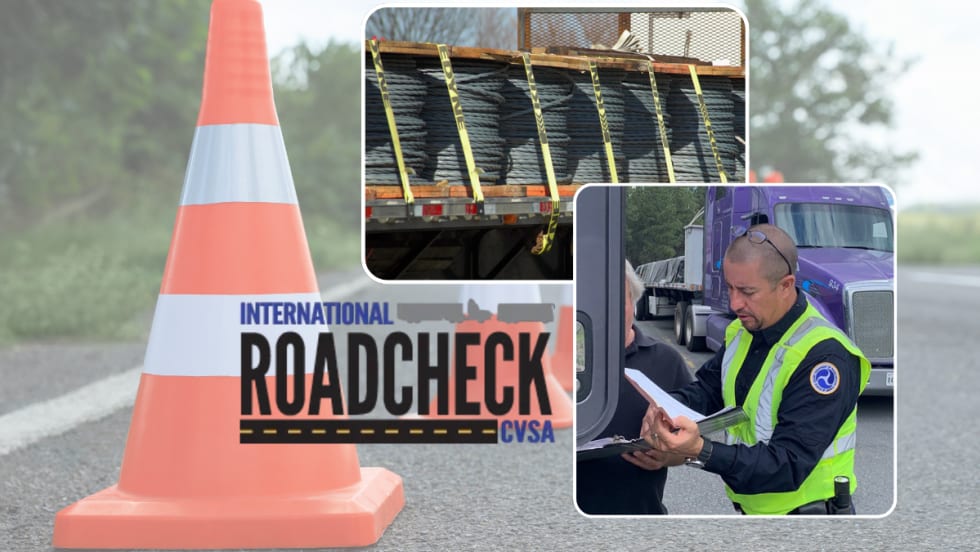
Medical Cards, English Proficiency Reshape Roadcheck Violations
Medical-card violations jumped to the top of the driver out-of-service list during CVSA’s 2026 International Roadcheck, while English-language proficiency violations appeared among the leading violations for the first time.
Read More →
Driver Trust Can Make or Break the Success of Fleet Safety Technology
New Teletrac Navman research suggests that onboarding, transparency about driver data, and positive feedback can play a significant role in how commercial drivers respond to safety and coaching technology.
Read More →
EEOC Sues KLLM Over Alleged Sex Discrimination in Driver Training
KLLM is facing a federal sex-discrimination lawsuit over policies the EEOC alleges put female truck driver trainees at a disadvantage.
Read More →
FMCSA Moves to Codify English Language Requirements for Commercial Drivers
By changing regulations on English-language proficiency requirements for commercial drivers, rather than relying on a guidance memo, the FMCSA said future administrations won't be able to walk back the Trump administration's stricter enforcement with just a memo.
Read More →
Drivers Put Western Star Trucks to the Test at Star Nation Experience
Watch to get an inside look at the Western Star trucks, technology, and community behind the Star Nation Experience 2026!
Read More →
Trump Administration Looks to Put More Veterans Behind the Wheel
The Freedom Haulers program pulls together existing and expanded programs at several federal agencies to recruit veterans to drive commercial heavy-duty trucks and cut the red tape for them to get a CDL, training, and employment.
Read More →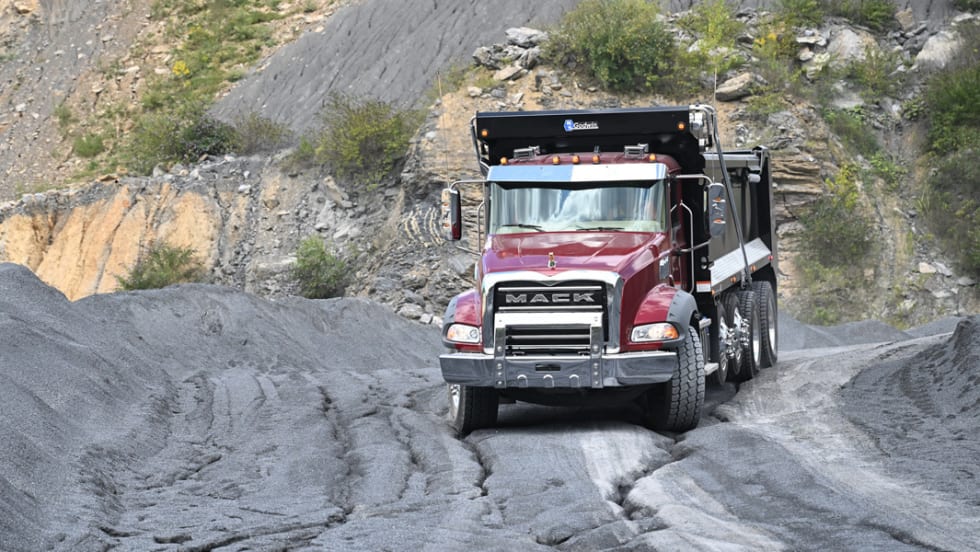
Putting Mack’s Command Steer to the Test
A test drive of Mack’s Command Steer active steering system evaluates how it can make truck driving easier and less tiring.
Read More →
Competition Heating Up for Truck Drivers
New report reveals rising driver hiring costs, the return of sign-on bonuses, growing AI advantages, and the operational factors shaping driver retention.
Read More →