




UPS' Eaton Delivery Hybrids Get Nod From the Feds For Fuel Economy
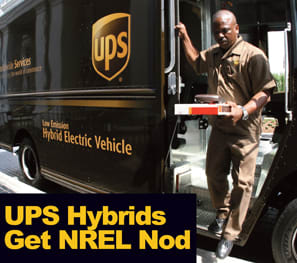
A year-long evaluation of the hybrid-electric step delivery vans used by UPS yielded about a 29 percent improvement in fuel economy, which averaged about 13 miles per gallon, according to analysis by the U.S. Department of Energy's National Renewable Energy Laboratory. Funded by the DOE's Advanced Vehicle Testing Activity (AVTA), NREL's Fleet Test & Evaluation (FT&E) team evaluated six of these hybrid vans at a UPS location in Phoenix over the last 12 month
(Photo courtesy of UPS)
A year-long evaluation of the hybrid-electric step delivery vans used by UPS yielded about a 29 percent improvement in fuel economy, which averaged about 13 miles per gallon, according to analysis by the U.S. Department of Energy's National Renewable Energy Laboratory. Funded by the DOE's Advanced Vehicle Testing Activity (AVTA), NREL's Fleet Test & Evaluation (FT&E) team evaluated six of these hybrid vans at a UPS location in Phoenix over the last 12 months
, with a positive outlook on the vans. The project also tested a conventional and hybrid delivery van in NREL's ReFUEL laboratory in Denver, Colo., and documented fuel economy and emissions performance on various test cycles.
The study resulted in a 15 percent savings in total operating costs per mile compared with the diesels. On the hybrids, total maintenance cost per mile was 14 cents, 8 percent less than the diesel vans. The propulsion-related maintenance cost, 3.4 cents per mile, was 5 percent less than diesel.
The Technology
The hybrid propulsion systems for the vehicles were provided by Eaton Corp., while the vehicles were built by Freightliner. The hybrid system uses an Eaton automated transmission with an integrated motor/generator and advanced lithium ion batteries. Both the Freightliner hybrid model and the conventional model are equipped with a Mercedes-Benz MBE 904 four-cylinder diesel engine. UPS has recently ordered an additional 200 Eaton hybrid electric powered vans.
Eaton developed the hybrid system partly under a 33-month, $7.5 million contract from DOE's Advanced Heavy Hybrid Propulsion System program.
"Having provided funding for the development of the Eaton hybrid system, DOE was eager to participate in testing the system in a commercial fleet," said Lee Slezak, DOE's AVTA program manager, in a press release. "Our goal is to help develop more efficient vehicle technologies and then document their on-road performance."
The Evaluation
The analysis found that because the hybrids were operated at lower speeds and had more stops per mile, they were used in more urban duty cycles. The diesel vans were operated at higher speeds, indicating a longer haul.
Both the hybrids and diesels were fueled by standard ultra-low-sulfur diesel, which has a sulfur content of less than 30 parts per million. When comparing fuel consumption and economy data, the research found that the hybrid vans consumed 7,714 gallons of fuel over 101,025 miles during the year. This resulted in an average fuel economy of about 13 miles per gallon, versus 10.2 miles per gallon for the diesel vans.
Meanwhile, the conventional and hybrid delivery van tests at the ReFUEL laboratory showed a 31 to 37 percent fuel economy improvement in the hybrids over the conventional vans. The hybrid vans showed improvement in some emissions, but the results varied significantly depending on the cycle being run.
In general, the hybrid vehicles showed a decrease in emissions of carbon dioxide, particulate matter, carbon monoxide and total hydrocarbon, but there was an increase in nitrogen oxide.
Looking ahead at 2010, NREL has plans to study more advanced versions of the Eaton hybrid in operation within the UPS fleet.
To access the full report, click here.
More Aftermarket
What Three Fleets Are Doing Differently When Buying Truck Parts in 2026
With freight improving but costs still climbing, fleet maintenance executives explain how they're balancing price, quality, and supplier relationships.
Read More →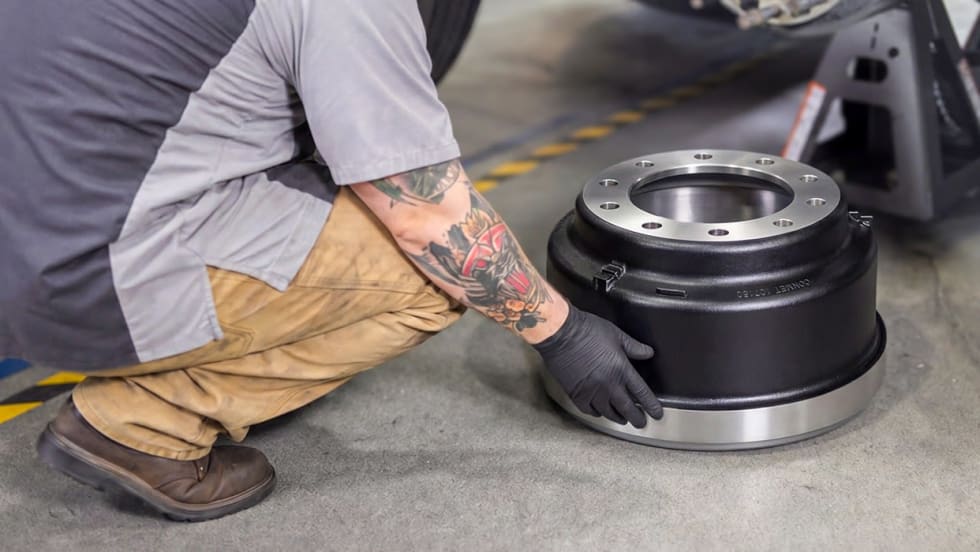
ConMet Expands Aftermarket Brake Drum Lineup With TruCast
A new heavy-duty truck brake drum option in the aftermarket gives customers more flexibility within the ConMet product family.
Read More →
Phillips Opens High-Tech Distribution Center for Faster Parts Delivery
Phillips Industries’ new Cincinnati-area distribution center is now shipping aftermarket trucking parts nationwide, aiming to speed up delivery times for customers.
Read More →
Volvo to Sponsor America’s Road Team for 2025
Volvo Trucks announced that it is extending its exclusive sponsorship of America’s Road Team for 2025.
Read More →
Webb to Start Taking Orders for UltraSet Pre-Adjusted Wheel Hubs
Webb, which recently acquired the Stemco Trifecta pre-adjusted hub program, will soon start taking orders for its replacement pre-assembled hub, the UltraSet.
Read More →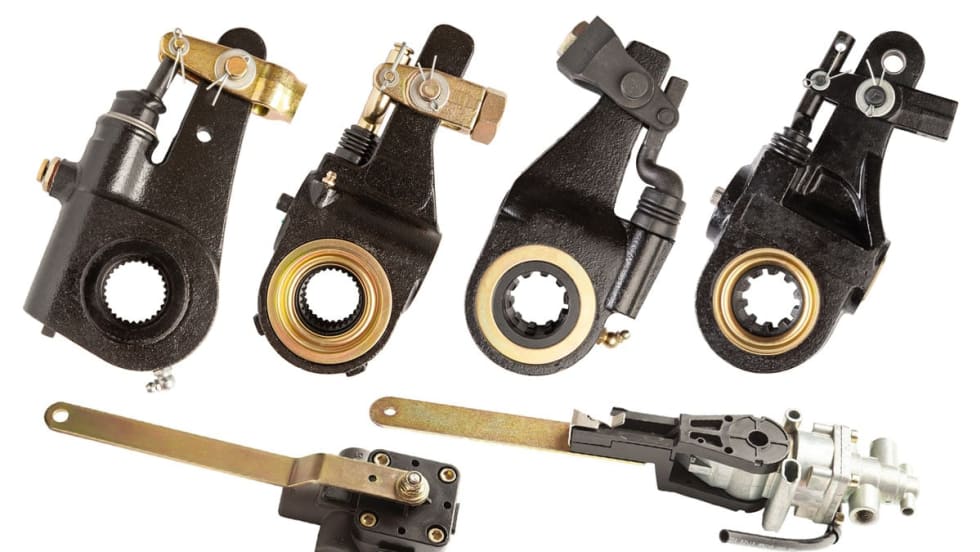
All-Makes Automatic Brake Adjusters, Ride Height Control Valves from Midland
SAF-Holland has added automatic brake adjusters and ride height control valves to its Midland All-Makes Program.
Read More →
ZF Aftermarket Expands [pro]Academy Training
ZF Aftermarket said it is expanding its ZF [pro]Academy training and will be adding 40 new modules this year.
Read More →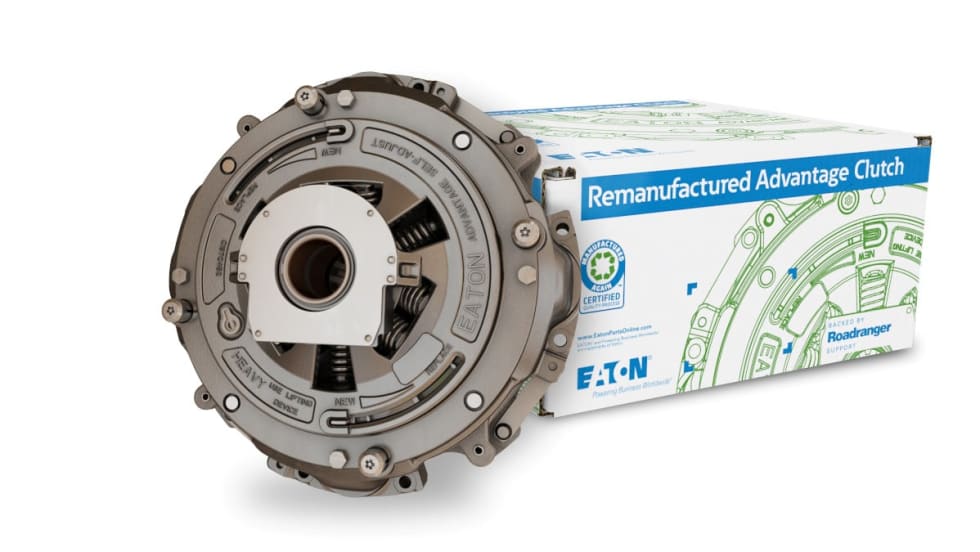
Eaton Adds Remanufactured Advantage Line of Clutches
Eaton has added its Advantage clutches to its remanufactured product line. The clutches feature a unique strap drive intermediate plate designed to allow customers to choose the latest OE specification
Read More →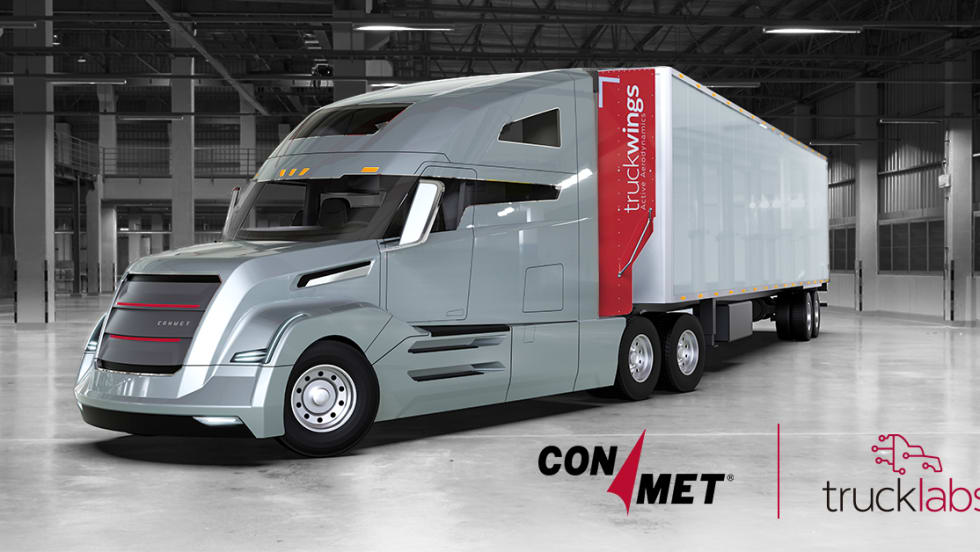
ConMet Acquires TruckLabs, the Creator of TruckWings
Commercial truck and trailer parts provider ConMet acquired TruckLabs, the company that created TruckWings, an aerodynamic device that attaches to truck cabs and deploys to close the gap between truck and trailer. TruckLabs now operates as a subsidiary of ConMet.
Read More →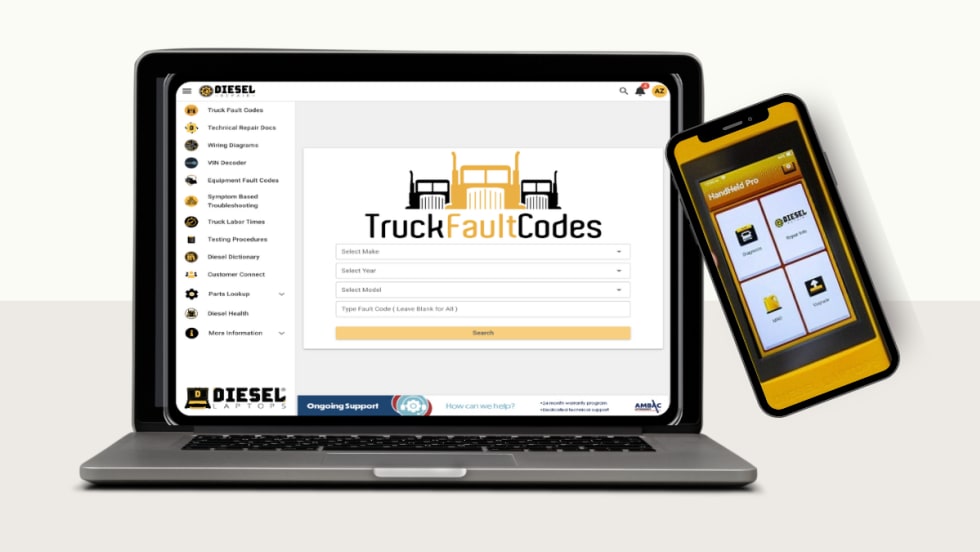
Diesel Laptops Releases Fault-Code-to-Part-Number Tool
Diesel Laptops said its Truck Fault Codes allows users to input a fault code and immediately identify and order the parts needed to complete repair work.
Read More →