




Unisys Predicts 2006 Will Be RFID's Inflection Point
Radio Frequency Identification (RFID) technology will reach a significant turning point by the end of 2006, according to Unisys Global Visible Commerce experts.
Radio Frequency Identification (RFID) technology will reach a significant turning point by the end of 2006, according to Unisys Global Visible Commerce experts.
Companies will move beyond the pilot phase, implementing RFID infrastructures that will increasingly become a core element of their businesses in 2006.
"Skeptics of RFID, who see significant technical and regulatory challenges or no return on investment, are wrong. The same was true with barcode technology 30 years ago -- many in the retail and consumer products industry considered it to be costly, technically flawed and unnecessary," said Peter Regen, vice president, Global Visible Commerce, Unisys. "Today barcodes are on 87 percent of the items in the supermarket, and the adoption rate of RFID across multiple industries is already faster. Many of the key building blocks are already in place, and market drivers across industries will fuel adoption."
According to Unisys, adoption within the aviation industry will more than double in 2006 due to the recent ruling, which allows passive RFID to be used for goods carried on airplanes and aircraft parts. The international shipping and trucking industry will also make great strides by using lessons learned by the early adopters -- retail and consumer goods, automotive, healthcare and life sciences and the military.
"RFID is a winning technology. It will eliminate uncertainty in the supply chain, reduce the need for inventory 'safety stocks' and enhance productivity," said Dr. Donald Bowersox, John H. McConnell University Professor, Michigan State University. "Clearly, we will experience significantly higher adoption rates as RFID applications enhance supply chain visibility."
RFID adoption made great strides with significant milestones in 2005. Building blocks such as the completion of the Gen 2 passive RFID standard, which makes the use of one, secure tag around the world possible, will aid adoption across industries.
"All of the companies I have spoken with that are involved in RFID are justifiably proud of their accomplishments, but there remains a great deal of work to be done. The Gen 2 standard has to receive worldwide endorsement, the price of tags has to drop and the installation of the technology needs to be greatly simplified," John Fontanella, senior vice president of Supply Chain Services, Aberdeen Group. "The good news is that we are progressing on the path of RFID adoption and there is no turning back."
Suppliers have been implementing RFID to meet the mandates established by major retailers since 2003. According to Unisys, in 2006, the outsourcing of support for RFID infrastructures will increase more than 400 percent. This will be a direct result of companies beginning to treat these infrastructures as a core part of their business, which will be a testament to the technology's growing maturity.
"Cynics will be astounded by the technology's increased maturity," said Regen. "Major advances will also be made as organizations learn to manage the data generated through their RFID implementations and use it to increase efficiencies. Companies will save billions of dollars through these efficiencies in the coming years."
For more information, visit www.unisys.com.
More Aftermarket

What Three Fleets Are Doing Differently When Buying Truck Parts in 2026
With freight improving but costs still climbing, fleet maintenance executives explain how they're balancing price, quality, and supplier relationships.
Read More →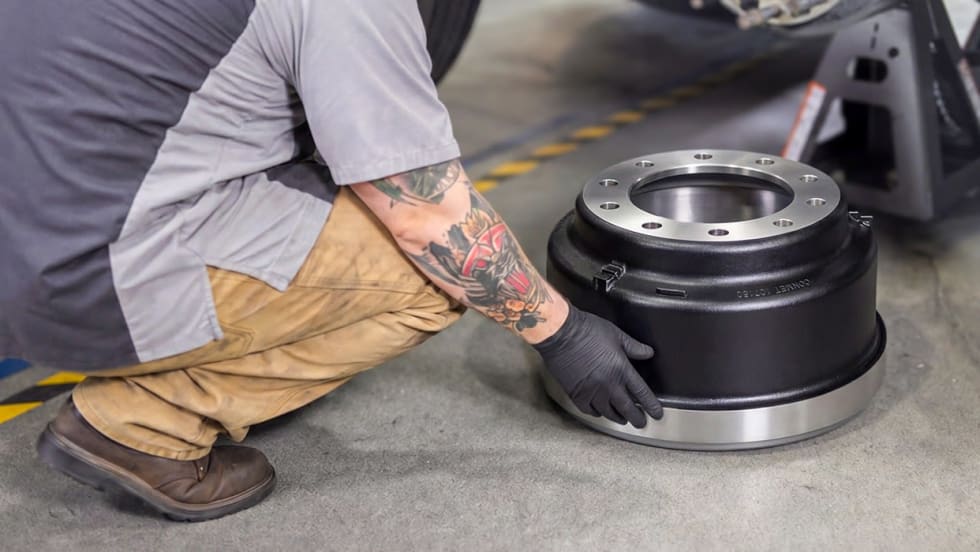
ConMet Expands Aftermarket Brake Drum Lineup With TruCast
A new heavy-duty truck brake drum option in the aftermarket gives customers more flexibility within the ConMet product family.
Read More →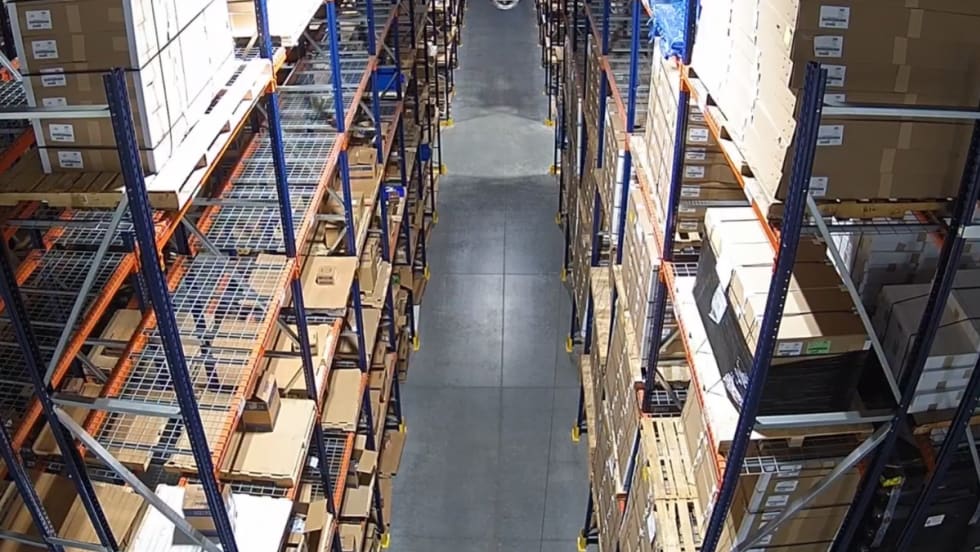
Phillips Opens High-Tech Distribution Center for Faster Parts Delivery
Phillips Industries’ new Cincinnati-area distribution center is now shipping aftermarket trucking parts nationwide, aiming to speed up delivery times for customers.
Read More →
Volvo to Sponsor America’s Road Team for 2025
Volvo Trucks announced that it is extending its exclusive sponsorship of America’s Road Team for 2025.
Read More →
Webb to Start Taking Orders for UltraSet Pre-Adjusted Wheel Hubs
Webb, which recently acquired the Stemco Trifecta pre-adjusted hub program, will soon start taking orders for its replacement pre-assembled hub, the UltraSet.
Read More →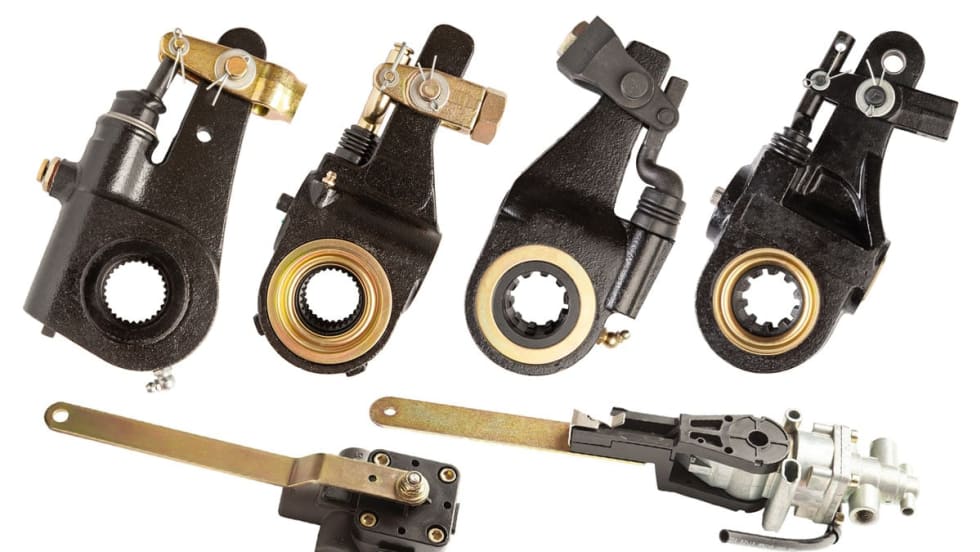
All-Makes Automatic Brake Adjusters, Ride Height Control Valves from Midland
SAF-Holland has added automatic brake adjusters and ride height control valves to its Midland All-Makes Program.
Read More →
ZF Aftermarket Expands [pro]Academy Training
ZF Aftermarket said it is expanding its ZF [pro]Academy training and will be adding 40 new modules this year.
Read More →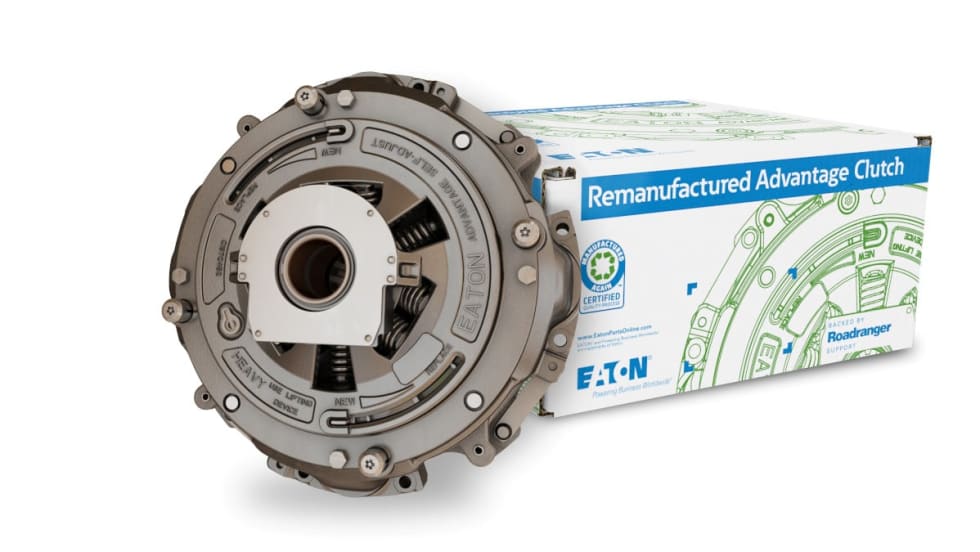
Eaton Adds Remanufactured Advantage Line of Clutches
Eaton has added its Advantage clutches to its remanufactured product line. The clutches feature a unique strap drive intermediate plate designed to allow customers to choose the latest OE specification
Read More →
ConMet Acquires TruckLabs, the Creator of TruckWings
Commercial truck and trailer parts provider ConMet acquired TruckLabs, the company that created TruckWings, an aerodynamic device that attaches to truck cabs and deploys to close the gap between truck and trailer. TruckLabs now operates as a subsidiary of ConMet.
Read More →
Diesel Laptops Releases Fault-Code-to-Part-Number Tool
Diesel Laptops said its Truck Fault Codes allows users to input a fault code and immediately identify and order the parts needed to complete repair work.
Read More →