




Related: Autonomous Vehicle Sales Could Reach 188,000 Units in 5 Years
Uber: Self-Driving Trucks Could Help Alleviate Driver Shortage
Mixed fleets with self-driving long-haul trucks and traditional human-driven regional routes could help the trucking industry address the problem of an aging driver workforce, said Uber in a recent company blog post.
by Staff
February 5, 2018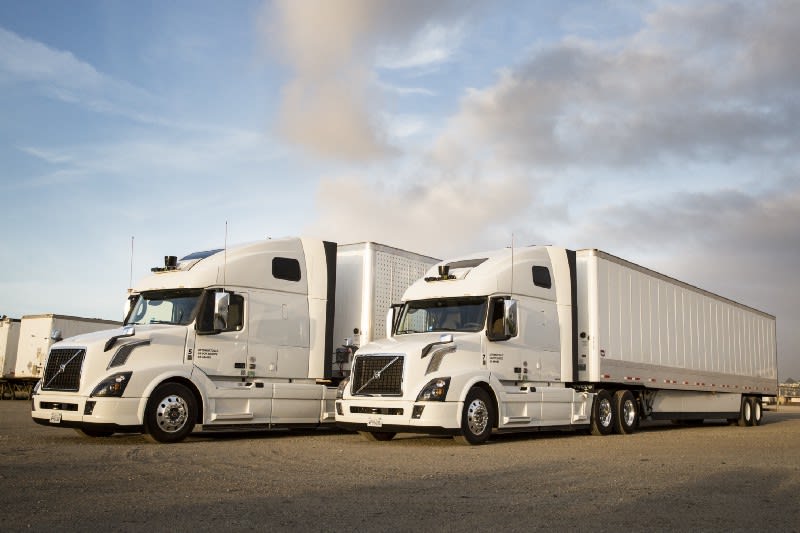
Uber stated in a blog post that it expects self-driving trucks to help the industry deal with higher demand. Photo via Uber
2 min to read

Mixed fleets with self-driving long-haul trucks and traditional human-driven regional routes could help the trucking industry address the problem of an aging driver workforce, said Uber in a recent company blog post.
In the post, Uber argued that rather than a future of autonomous trucks replacing the humans in the trucking workforce with robots, the technology could be used to both alleviate the driver shortage and help make the existing driving jobs more appealing to younger prospective drivers.
Quoting statistics from American Trucking Associations, Uber stated that the truck driving workforce is currently much older than the average, 49 vs. 42, and as many as 400,000 current drivers are expected to retire in the next decade. Over the same period of time, freight demand is expected to increase and would require an influx of around 900,000 drivers to keep up with demand.
Uber is currently making its foray into the trucking industry through its Uber Freight load matching app, and the company also says it is at the forefront of self-driving vehicle technology. The company states in the blog post that using a system of transfer hubs, the transportation industry could meld mixed fleets of self-driving trucks with more localized traditional trucks in order to meet the growing demand.
Strategically placed around the country, these transfer hubs could receive goods transported by self-driving trucks that are specifically designed for highway driving. The freight would be delivered to and from hubs where regional trucks would distribute the freight to its final destination.
This method would also help accelerate the usefulness of current self-driving technology which is already being tested on open highways but still faces technical hurdles when it comes to urban environments, complex loading docks or even navigating through transportation facilities.
The company began a research project into the potential impact of self-driving trucks on the trucking industry. Working with an estimate of 1 million self-driving trucks on the road by the year 2028, Uber found that the number of truck driving jobs would still increase overall in the same period. While the autonomous vehicles would reduce the amount of long-haul trucking jobs, it would create far more short-haul driving opportunities.
Uber also believes that the shift toward short-haul jobs could gradually move the trucking industry away from per-mile pay to a more traditional hourly model.
“We don’t know exactly how fast self-driving trucks will become part of the industry, or how much impact they will have in the coming years, but we believe that they will help the industry, and the people who keep it running,” Uber stated in the blog post.
More Drivers

Driver Trust Can Make or Break the Success of Fleet Safety Technology
New Teletrac Navman research suggests that onboarding, transparency about driver data, and positive feedback can play a significant role in how commercial drivers respond to safety and coaching technology.
Read More →
EEOC Sues KLLM Over Alleged Sex Discrimination in Driver Training
KLLM is facing a federal sex-discrimination lawsuit over policies the EEOC alleges put female truck driver trainees at a disadvantage.
Read More →
FMCSA Moves to Codify English Language Requirements for Commercial Drivers
By changing regulations on English-language proficiency requirements for commercial drivers, rather than relying on a guidance memo, the FMCSA said future administrations won't be able to walk back the Trump administration's stricter enforcement with just a memo.
Read More →
Drivers Put Western Star Trucks to the Test at Star Nation Experience
Watch to get an inside look at the Western Star trucks, technology, and community behind the Star Nation Experience 2026!
Read More →
Trump Administration Looks to Put More Veterans Behind the Wheel
The Freedom Haulers program pulls together existing and expanded programs at several federal agencies to recruit veterans to drive commercial heavy-duty trucks and cut the red tape for them to get a CDL, training, and employment.
Read More →
Putting Mack’s Command Steer to the Test
A test drive of Mack’s Command Steer active steering system evaluates how it can make truck driving easier and less tiring.
Read More →
Competition Heating Up for Truck Drivers
New report reveals rising driver hiring costs, the return of sign-on bonuses, growing AI advantages, and the operational factors shaping driver retention.
Read More →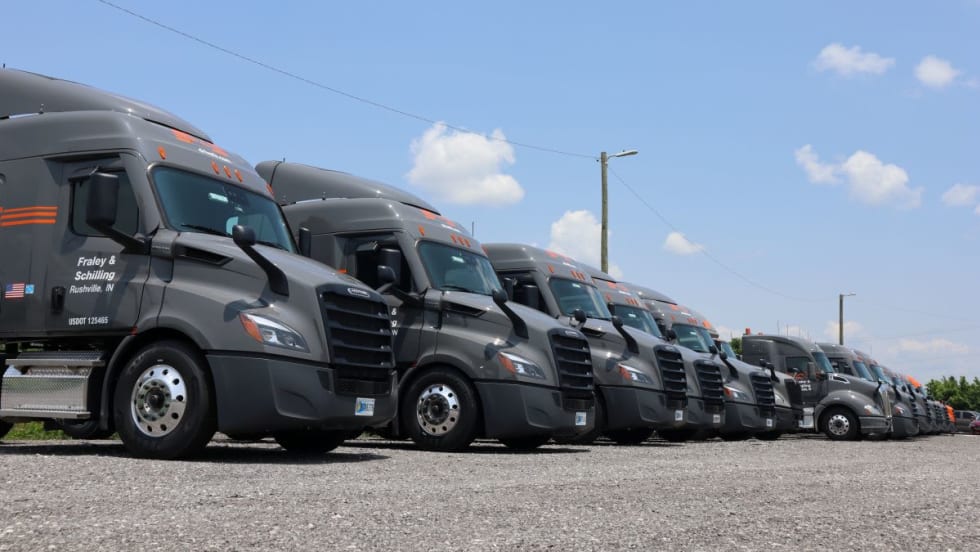
How Fraley & Schilling Improved Logbook Compliance by Over 50%
Fraley & Schilling needed a way to close a compliance workflow gap in its ELD system without adding more work from driver training, reminders, and back-office follow-ups. It found the answer in a custom driver app.
Read More →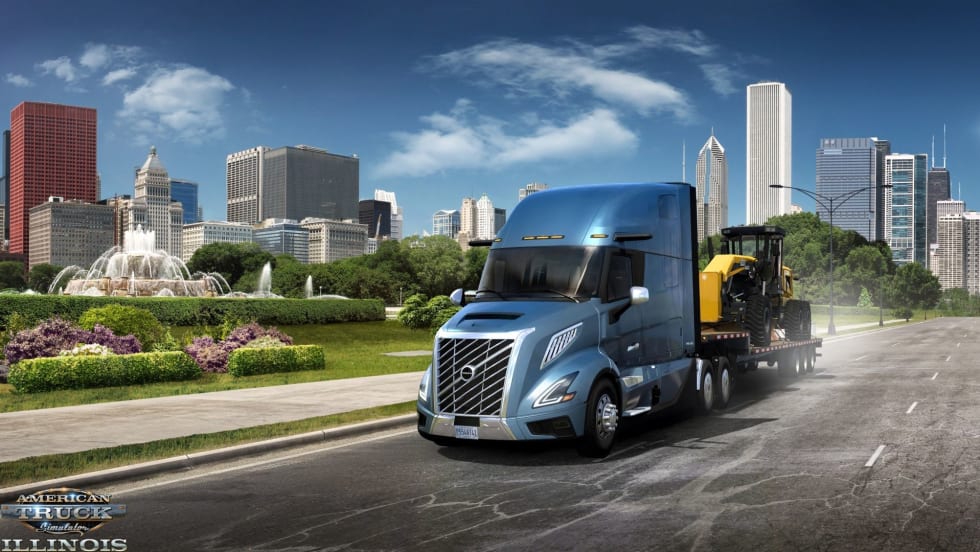
Volvo Goes Gaming
Volvo has roared into American Truck Simulator with two new flagship trucks.
Read More →
What the Best Fleets to Drive For Teach About Driver Retention
Survey fatigue, AI-powered routing, owner-operator expectations, and the decline of social media all emerged as themes from this year's Best Fleets to Drive For program.
Read More →