




Related: Omnitracs Finds Veterans Make Safe and Reliable Truck Drivers
U.S. Xpress Expands Military Recruitment Initiative
The Veterans Administration has granted accreditation to U.S. Xpress as part of the Post 9/11 GI Bill Apprenticeship Program that allows eligible veterans to receive educational benefits from the VA while training as a driver or technician for the company.
by Staff
February 8, 2017
Photo: U.S. Department of Transportation
2 min to read

Photo: U.S. Department of Transportation
The Veterans Administration has granted accreditation to U.S. Xpress as part of the Post 9/11 GI Bill Apprenticeship Program that allows eligible veterans to receive educational benefits from the VA while training as a driver or technician for the company.
Veterans who enter the program can receive their tax-free educational benefits as an income supplement on top of their U.S. Xpress salary. These benefits can be upwards of $25,700, depending on years of service.
Typically a truck driver coming to U.S. Xpress can earn between $50,000 and $70,000 depending on which driving opportunity he or she qualifies for, according to the company. U.S. Xpress said that with the VA benefits, veterans in the training program can now earn up to $82,000 in their first year with the company.
“At U.S. Xpress, we value the strong work ethic and leadership experience veterans can bring to our company,” said Eric Fuller, president and chief operating officer of U.S. Xpress. “Beyond that, veterans have a sense of productivity, accountability and a ‘can-do’ attitude that will serve them well in the trucking industry, which is why we actively look to hire veterans in every aspect of our company.”
Upon enrolling in the Post 9/11 GI Bill Apprenticeship Program, veterans are allowed to draw their GI Bill benefits for up to 24 months, giving them additional compensation and financial stability as they transition from military to civilian life.
The amount each veteran is entitled to receive depends upon the length of service and service type (Active Duty, National Guard or Reserve). After completing the Apprenticeship Program, veterans will become a certified Heavy Duty Truck Driver or Diesel Technician for U.S. Xpress.
U.S. Xpress launched its Military Recruitment Initiative in July 2016 as part of the company’s commitment to providing veterans with opportunities to join the trucking industry.
“Our veterans have always played an essential role in keeping our country strong, and now, we want veterans to put their skills to work as a U.S. Xpress truck driver and serve our country in a new way – one that will help keep the transportation industry moving forward and our economy strong,” said Fuller. “I truly believe our new apprenticeship program will help make this possible by giving veterans added financial stability as they transition out of the military and into a new career path as a professional truck driver or diesel technician at U.S. Xpress.”
More Drivers
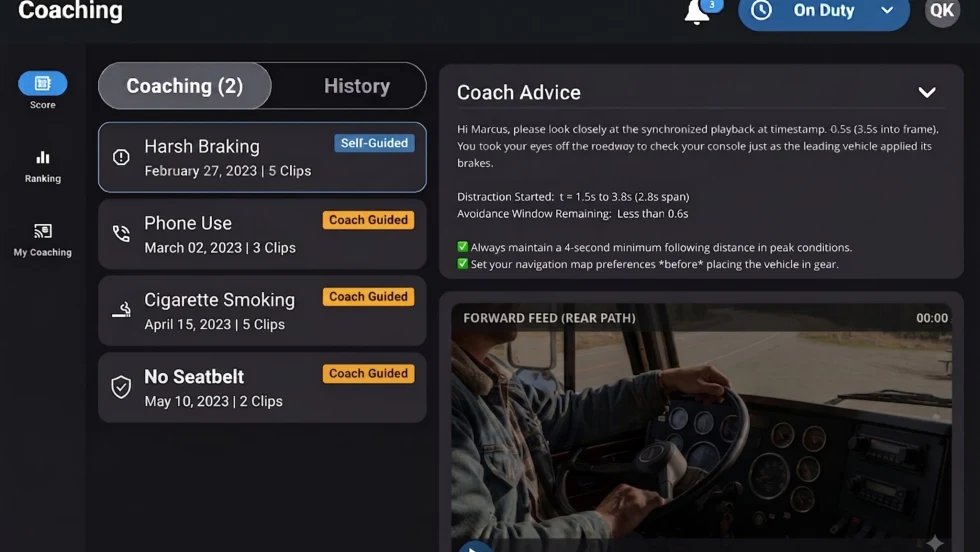
Platform Science Adds Dispatch and Safety Tools
Four additions to PS Fleet help fleets monitor loads, manage driver coaching, share truck locations and adjust video system settings.
Read More →
When Language Stops the Truck: The Return of ELP Out-of-Service Orders
English language proficiency rules for commercial drivers aren’t new, but renewed out-of-service enforcement has raised the stakes. Here’s what carriers need to know before a driver reaches a roadside inspection.
Read More →
Samsara Launches Custom AI Agent Builder
Agent Studio lets fleets create AI tools for hours-of-service monitoring, reporting and driver support, including agents that communicate by phone.
Read More →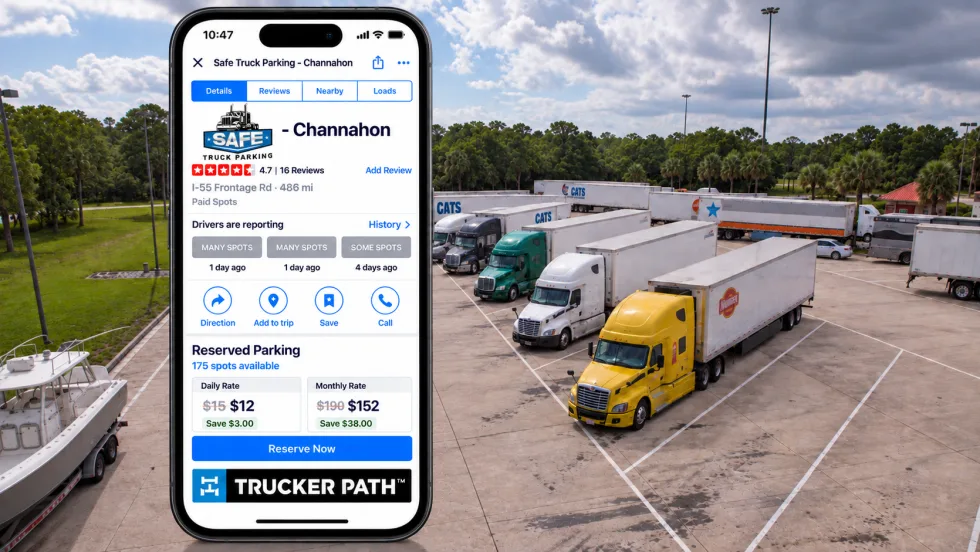
Trucker Path Expands Reserved Parking Network
Trucker Path has added close to 6,000 more truck parking spaces to its Trucker Path Reserved Parking Network with the addition of Safe Truck Parking.
Read More →
EEOC Sues Texas Trucking Company Over Driver Age Limits
The agency says Trancasa USA rejected applicants over 65 and applied tougher driving-record standards to those over 60.
Read More →
Nussbaum, Roehl Announce Second Driver Pay Increase This Year
This year has seen a swath of major truck driver pay increases as freight capacity has tightened.
Read More →
From One Generation to the Next: How Mentorship Builds Safer Truck Drivers
After three decades in trucking, Harold Perry shares what he's learned about driver safety, mentorship, and helping the next generation build confidence behind the wheel.
Read More →
Truck Drivers Need More Than Another Alert
Fleets have more visibility into truck health, safety events, and driver activity than ever. The next challenge is turning all that information into useful guidance for the person who has to decide what to do next.
Read More →
FMCSA Removes 110 Truck Driver Training Schools from Certified ELDT List
Federal regulators also are targeting more than 160 additional training providers and launching a nationwide audit of third-party CDL skills testers as part of a broader crackdown on trucking fraud.
Read More →
Hours of Service Pilot Programs: FMCSA Readies for 2027 Rollout
Two pilot programs could eventually reshape hours-of-service rules, giving truck drivers options to pause their 14-hour clock or use longer split sleeper rest periods.
Read More →