





Related: Autonomous-Truck Developer TuSimple Raises $95 Million in Fundraising Drive
TuSimple Camera System Allows Night Driving Capabilities
The new camera system offers self-driving truck fleets day and night operation, which can increase self-driving truck utilization from 50% to over 80%.
March 20, 2019
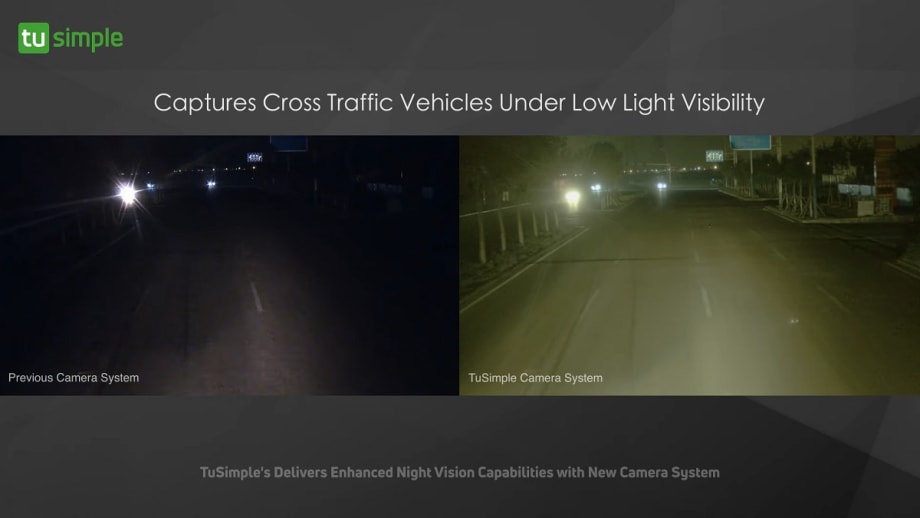
The new camera system offers self-driving truck fleets day and night operation, which can increase self-driving truck utilization from 50% to over 80%.
Screenshot via TuSimple
3 min to read
A proprietary automotive-grade camera and vision system developed by TuSimple allows for reliable night and low light autonomous operation. Adding nighttime operation to TuSimple's already industry leading 1,000 meter perception system will allow fleets to increase truck utilization from an average of 50%, or 12 hours per day, to an average of over 80%, the company says.
The new camera features Sony Semiconductor Solutions Corporation's state-of-the-art automotive CMOS image sensor. It will go into volume production in the second quarter of 2019 and will be deployed on TuSimple's autonomous customer fleet by a few months later. The camera system offers enhanced reliability of autonomous operation and is a necessary step in the company's quest to commercialize the first driverless truck.
TuSimple plans to increase its U.S. fleet to 50 trucks by June, with more to follow. This camera system, designed for fully-autonomous Level 4 trucks, is an important component of the company's ability to scale, especially as the company moves beyond its validation phase.
"Bringing reliable nighttime and low light operation to current perception systems in the market is an important step in the viability of autonomous driving, which is a strategic focus for us," said Tsutomu Haruta, Automotive Business Division Deputy SGM, Sony Semiconductor Solutions Corporation. "We're pleased that TuSimple, the leading self-driving truck company appreciates the cutting-edge technology that Sony is known for."
TuSimple has leveraged Sony Semiconductor Solutions Corporation's automotive CMOS image sensor to create a set of camera systems for short, medium and long range that use TuSimple's software to detect and process sharp images in real-time as far as 1,000 meters away. The system addresses complex imaging challenges such as instant light changes when entering and exiting tunnels, flaring during sunrise and sunset, and headlight glare. It also handles the LED flicker created by digital signage and traffic lights.
"Like human drivers, autonomous trucks' perception systems are challenged by a wide variety of light conditions which are experienced every day while driving. We weren't able to find a camera system on the market that fit our needs, so we created one," said Dr. Xiaodi Hou, Founder, President and Chief Technology Officer, TuSimple. "The combined expertise of Sony Semiconductor Solutions Corporation and TuSimple has created a perception system that sees better than the human eye – night and day, rain or shine — in the most challenging driving conditions."
This new camera system is designed to Automotive Safety Integrity Level (ASIL)-C, which is important for the validation of safety-related electronic systems that must be highly reliable in specific driving conditions as outlined in the ISO 26262 Functional Safety standard. As the system integrator, Sunny Optics will test the product and module, as well as develop and manufacture the automotive-grade product.
TuSimple's trucks have a vision range of 1,000 meters -- further and better quality visibility than any other autonomous perception system today. TuSimple's self-driving trucks utilize cameras, lidar and radar to see 360 degrees around for a pixel-level interpretation of the visible environment, the company says. TuSimple vehicles have three-centimeters of control precision at all times, rain or shine.
With $95 million USD in new funding and daily autonomous trips hauling freight, the company is on its way to achieving its milestone of first driverless operations by the end of 2020 and delivering on its goal to create a safer, cleaner and more efficient trucking industry.
TuSimple says it is working to transform the $800-billion U.S. trucking industry. According to McKinsey, full autonomy could reduce operating costs by about 45%, saving the trucking industry between $85 billion and $125 billion.
More Equipment
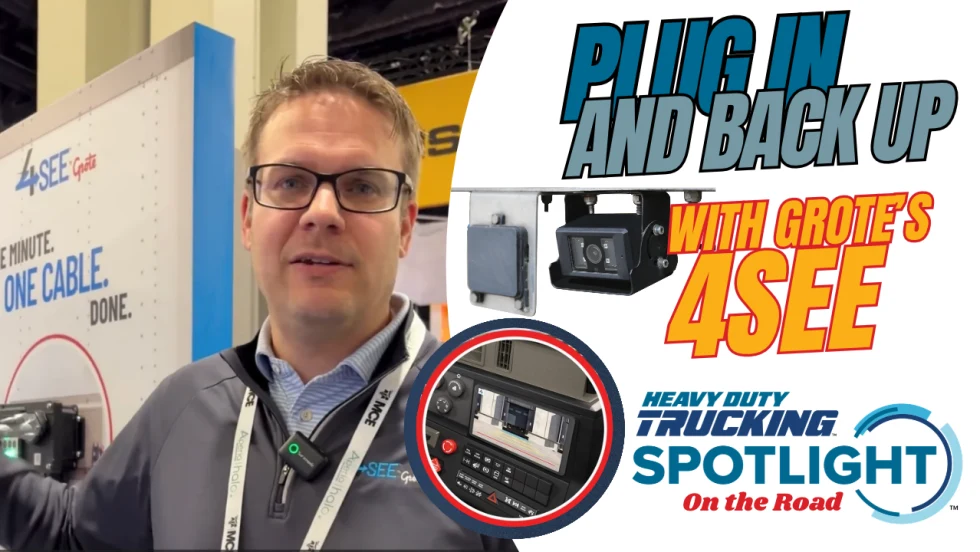
More Trailer Data Through the Same Seven-Way [Video]
Can trucking’s standard seven-way connector handle more cameras and trailer data? Grote’s Adam Slade shows HDT how the company is using new technology with its 4See trailer system, not only to add a new backup camera but also to expand other capabilities — without adding another connection.
Read More →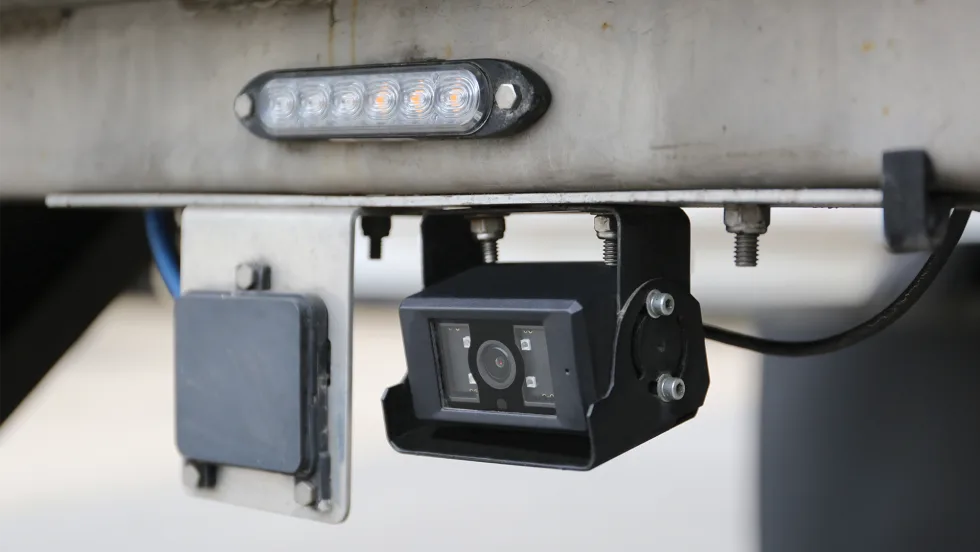
Grote: More Cameras, Same Seven-Way Connector
The next-generation 4See rear-view backup camera from Grote uses the standard seven-way connector and supports additional cameras and other trailer data.
Read More →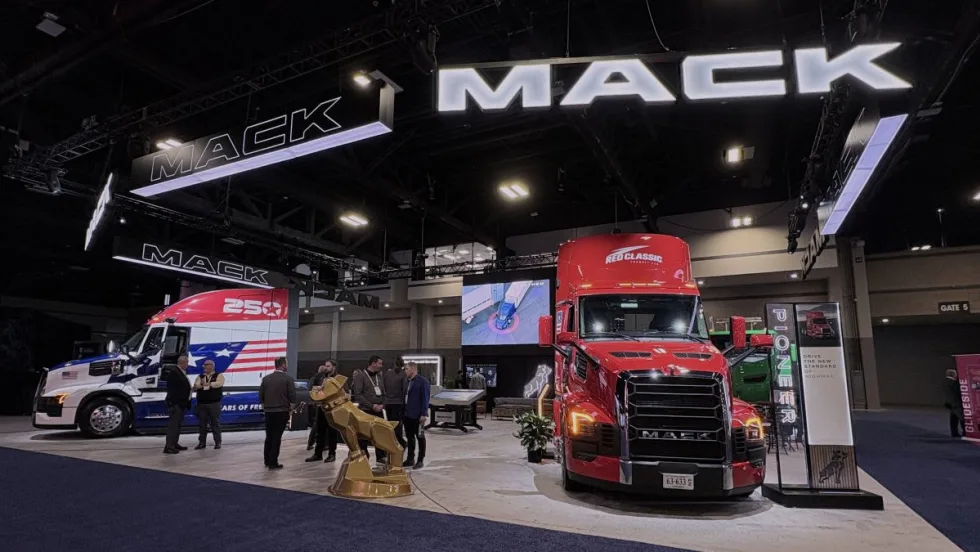
Trucks at ATA's 2026 MC&E in Charlotte, North Carolina [Photos]
From rigs decked out in patriotic America's 250 paint schemes to autonomous trucks and more, check out these photos from ATA's 2026 Management Conference & Exhibition.
Read More →
Help HDT Find Trucking’s Top Products
Have you come across a new product that could make a difference for trucking fleets? Nominate it for HDT’s 2027 Top 20 Products Awards by November 9.
Read More →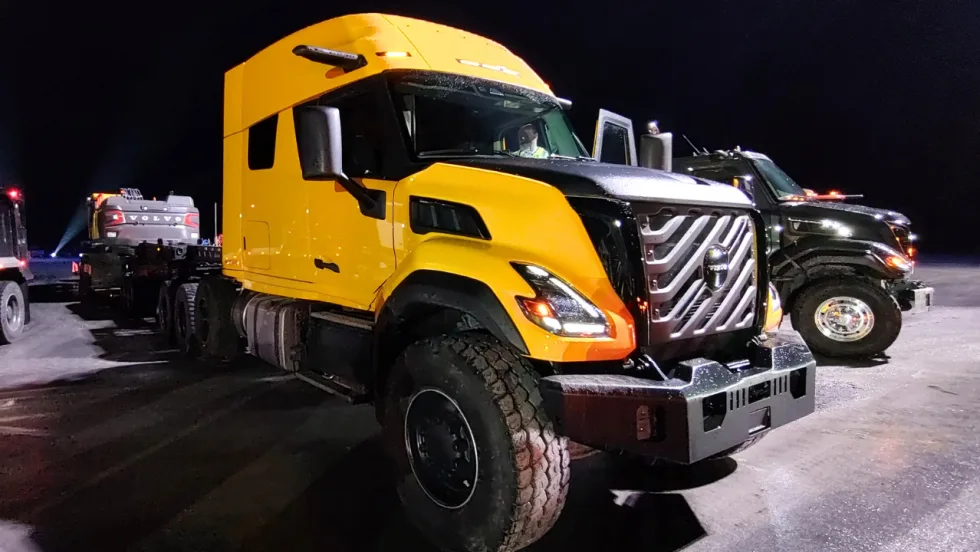
Volvo Unveils New VNX Heavy-Haul and Vocational Truck
Volvo Trucks has launched the VNX, a new vocational truck also available as a tractor in day cab and two sleeper configurations, with one heavy-haul model. The Volvo VNX is powered by Volvo's D13 platform, which delivers up to 540 horsepower and 1,950 pound-feet of torque and is EPA 2027-compliant.
Read More →
How GP Transco Cuts Trucking Fuel Costs, a Tenth of a Gallon at a Time
What’s another tenth of a mile per gallon worth? GP Transco shares how equipment upgrades and driver coaching turn small gains into meaningful fuel savings.
Read More →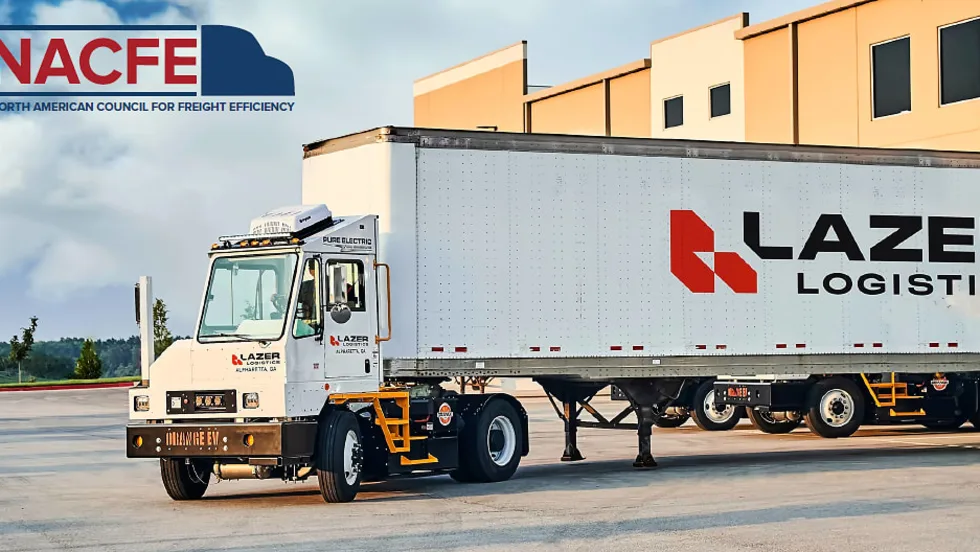
Electric Yard Tractors Move Beyond Pilots
Operating-cost savings have overtaken sustainability goals as the leading reason surveyed fleets are adopting battery-electric terminal tractors, according to new NACFE research.
Read More →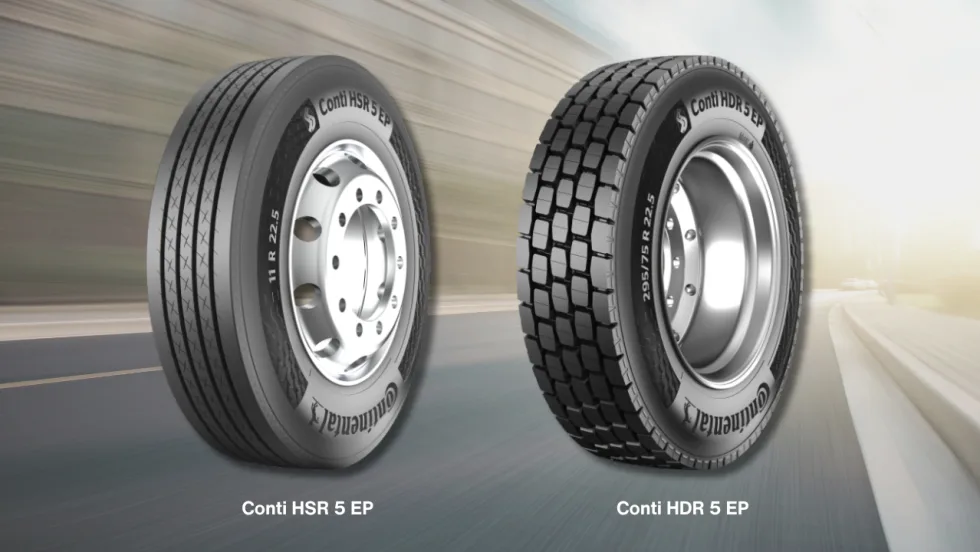
Continental Introduces New Regional Truck Tires
Continental says its new Generation 5 steer and drive tires for regional operations offer longer tread life, with estimated mileage gains of 22% and 19%, respectively.
Read More →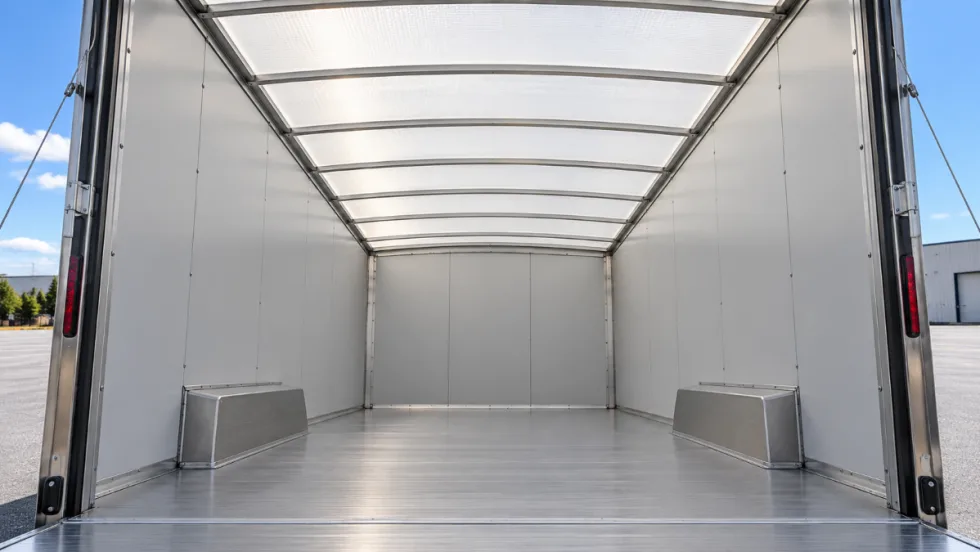
Tekmodo Introduces CargoBright Brand for Translucent Trailer Roofs
CargoBright is designed to diffuse daylight across the cargo area while performing as a working vehicle roof.
Read More →
Fleet Economics Shape Electric Truck Outlook
ACT Research expects costs, charging infrastructure, and technology improvements to drive zero-emission commercial vehicle adoption as federal regulations and incentives retreat.
Read More →