




ATA Calls on Washington to Have a Productive 2014
With Congress returning to Washington this week, leaders of American Trucking Associations called on lawmakers and policymakers in Washington to take several steps to improve the nation’s economy and make our highways safer.


With Congress returning to Washington this week, leaders of American Trucking Associations called on lawmakers and policymakers in Washington to take several steps to improve the nation’s economy and make our highways safer.
“This time of year is a good one for self-reflection and analysis,” said ATA president and CEO Bill Graves. “We hope our leaders in Washington will take the necessary steps to make our roads safer and improve the flow of goods in our economy.”
ATA’s list includes:
Identify sustainable, efficient and reliable funding for our nation’s roads and bridges rather than seeking out the “easy money” of tolls and privatization;
Advance important safety technology rules, including ones that limit the speed of commercial vehicles and electronically record drivers’ hours-of-service;
Be more precise in defining “large trucks” and in looking at crash accountability so the trucking industry’s safety record can be more accurately measured and understood;
Analyze the first phase of the Environmental Protection Agency’s greenhouse gas and fuel economy standards for large trucks before hastily moving ahead with a second phase;
Review and reconsider the recently changed hours-of-service rules – particularly the restart provision;
Use data and science, rather than emotions, when reviewing and establishing truck size and weight regulations;
Create a long-overdue clearinghouse for drug and alcohol test results;
Improve government data and databases, from CSA to security screenings and background checks to completing the long-overdue Vehicle Inventory and Use Survey; and
Work with state agencies to place far greater focus on commercial and noncommercial vehicle traffic enforcement rather than the current trend of more roadside vehicle inspections.
“January is a time when we take stock of where we stand and set goals for the coming year,” said ATA Chairman Phil Byrd, president of Bulldog Hiway Express, “and we sincerely hope that our government leaders will take some time to reflect and to take these common sense, and in some cases, long delayed actions to improve highway safety, the environment and the efficiency of our economy.”
More Fleet Management

How HDT’s 2026 Truck Fleet Innovators Are Rethinking Fleet Operations
Meet five trucking leaders who are challenging assumptions, solving operational problems, and putting innovative ideas to work.
Read More →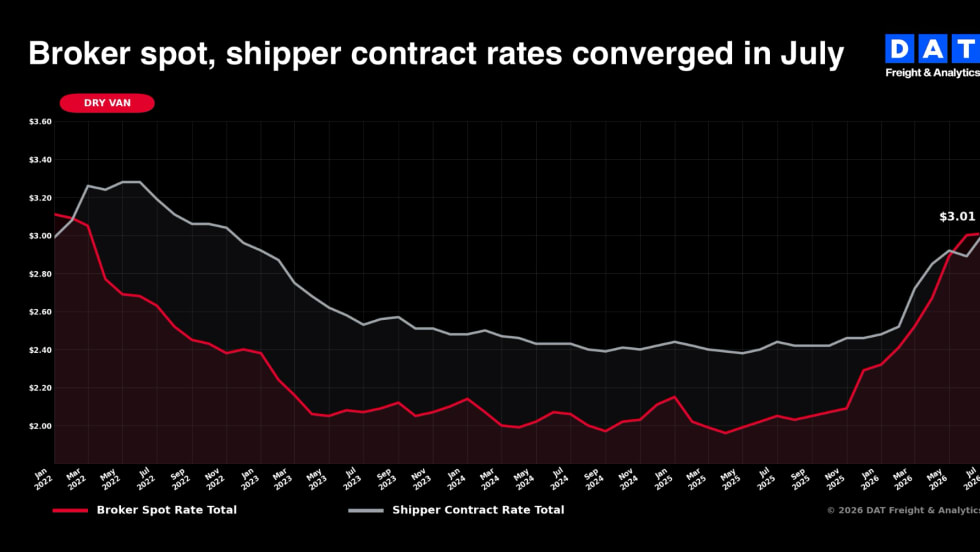
Tight Trucking Capacity Pushes Rates Higher Even as Freight Volumes Fall
“Spot rates moving ahead of contract rates have historically signaled a tightening market, but we haven’t seen a capacity-driven market quite like this one,” said DAT's Dean Croke.
Read More →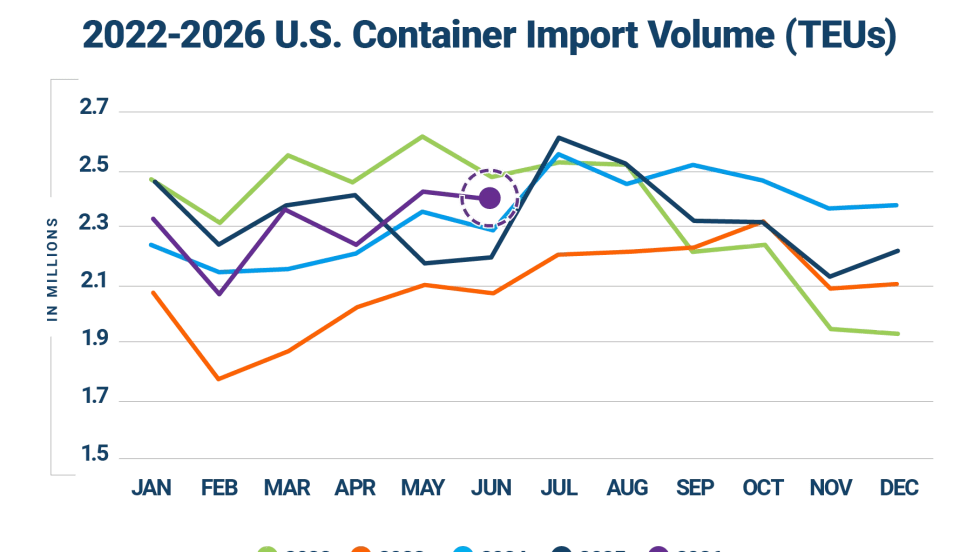
Import Cargo’s Early Peak Season is Winding Down
There was an early start to peak season this year at the nation's gateway ports, as retailers brought in merchandise ahead of tariff changes in late July and responded to other supply chain uncertainties,
Read More →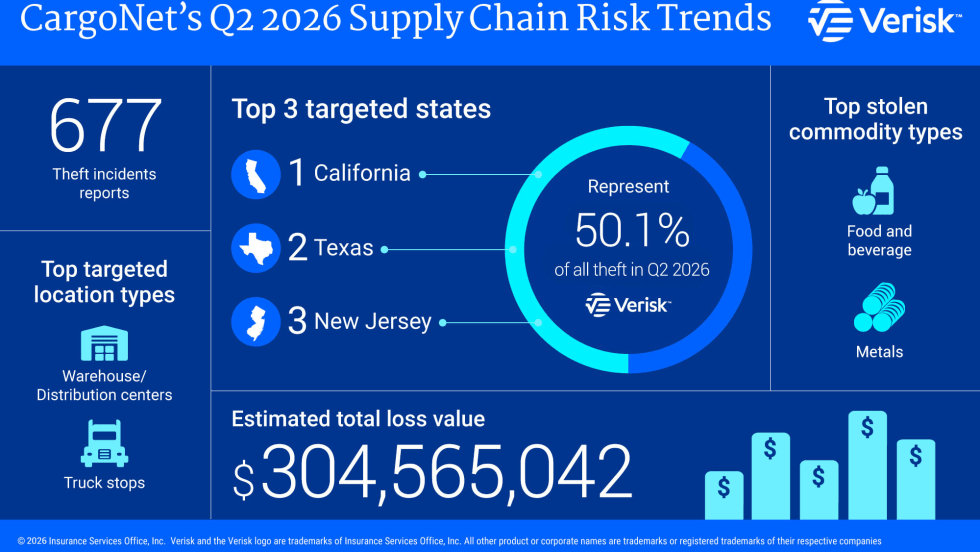
Fewer Cargo Thefts, Bigger Losses: Criminals Target Higher-Value Loads
CargoNet says organized theft rings are stealing fewer shipments but choosing more valuable freight, including metals and technology, resulting in record losses.
Read More →
How Innovative Trucking Leaders Turn Change Into an Advantage
As the pace of change accelerates in trucking, the fleets that adapt best have more than the latest technology. They have cultures that embrace improvement.
Read More →
Freight Broker Bonds Just Got Harder to Get. Here's What That Means for Your Fleet.
When it gets harder for a freight broker to prove they are financially sound, the ones who cannot clear that bar get pushed out of the market. And those are exactly the brokers who used to leave motor carriers holding the bag.
Read More →
Long-Awaited Canadian Border Bridge to Open in Detroit
For trucking, the bridge opening should offer immediate improvements in efficiency and reliability, with new customs facilities, expanded inspection capacity, and direct freeway-to-freeway connections.
Read More →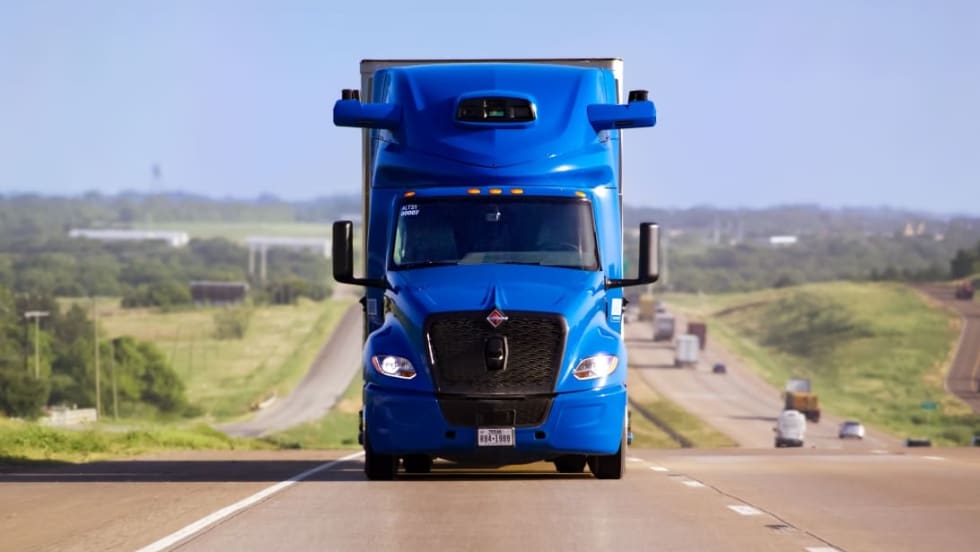
Aurora Rolls Out Next Generation of Driverless Trucks for Commercial Freight
Aurora's latest autonomous trucks it's rolling out with International feature lower-cost hardware designed for a million miles as the company expands commercial driverless freight operations across the U.S. Sun Belt.
Read More →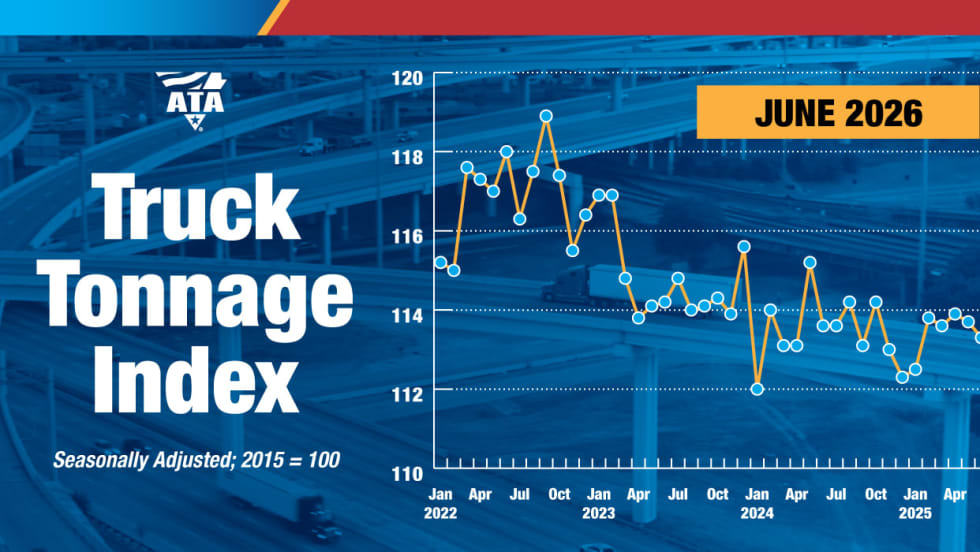
Freight Tonnage Down, Rates up, as Lower Capacity Powers Trucking Recovery
The recovery from the freight recession continues to be driven by reduction in capacity rather than by increased demand.
Read More →
Think Your Trucking Fleet Isn't Using Much AI? Think Again
Shadow AI — the use of unauthorized artificial intelligence tools at work — is becoming increasingly common, putting sensitive company data at risk. Learn how trucking fleets can protect sensitive data while embracing AI.
Read More →