




Truckers, Shippers Renew Push for Higher Weight Limit
Against all odds, truckers and shippers renewed a Capitol Hill campaign to allow states to raise truck weight limits to 97,000 pounds. The effort, launched this week at a Capitol Hill meeting by Americans for Safe and Efficient Transportation, revives a piece of legislation introduced last year that would give states the authority to set the higher limits. The bill, H.R. 1667, also would require the heavier trucks to have a sixth axle at the rear of the trailer to spread the weight
Against all odds, truckers and shippers renewed a Capitol Hill campaign to allow states to raise truck weight limits to 97,000 pounds.
The effort, launched this week at a Capitol Hill meeting by Americans for Safe and Efficient Transportation, revives a piece of legislation introduced last year that would give states the authority to set the higher limits. The bill, H.R. 1667, also would require the heavier trucks to have a sixth axle at the rear of the trailer to spread the weight.
ASET, whose membership includes trucking interests as well as large shippers, is well aware of the challenge it is taking on. Higher weight limits are the “third rail” of truck safety politics, said John McQuaid, co-chair of ASET and president of the National Private Truck Council.
The concern among opponents is that heavier trucks jeopardize safety. Advocacy groups such as Citizens for Reliable and Safe highways are on record opposing any weight increase, and at this point there is limited support in Congress. In fact, the climate for change on Capitol Hill is still affected by the size and weight freeze Congress imposed in 1991, said Jim March of the Federal Highway Administration at the ASET meeting.
March also pointed to other problems that ASET will have to overcome: the current bridge formula will not allow 6-axle combination, 97,000 pound vehicle, and according to Department of Transportation studies, the heaviest trucks do not pay their full share of highway costs.
Still, advocates for the bill are undaunted and recognize that they are embarked on a long campaign.
“Realistically, we don’t expect to advance a bill this year,” said McQuaid. The strategy is to gather co-sponsors for next year, he said.
ASET is honing its arguments, which are centered the increased productivity of heavier trucks and safety improvements stemming from having fewer trucks on the road. Also, the bill does not require states to raise their limits – it only permits them to, said Rep. Collin Peterson, D-MN, a co-sponsor of the bill.
For certain kinds of trucking operations, the productivity argument is compelling. Richard K. Riederer, CEO of Weirton Steel Corp., said the bill would reduce the number of trucks he needs from 500 to 400 a day. Besides steel, the ASET membership is gathered from the forest products, beverage, agriculture and cattle industries, as well as trucking companies that serve those industries.
Steve Williams, president of steel hauler Maverick Transportation, Little Rock, AR, said the weight increase would amount to a 30% raise for him. Moreover, he would not have to buy new equipment to take advantage of the higher limit – he can retrofit his trailers simply by adding a third axle between the two rear axles on his flatbeds.
John Smith, president of CRST International, Cedar Rapids, IA, covered the safety benefits. He said the higher limit could lead to 11% fewer truck miles on the highway, which in turn would reduce truck exposure risk. Also, he said, the additional axle will provide better traction for improved braking – and reduce pavement damage.
Martin Labbe, president of a transportation consulting firm, said that increasing productivity is key to controlling costs and highway congestion as the nation’s truck fleet expands. He predicted that freight demands will require 1 million more trucks of all types over next six years – unless productivity improves.
He also said that higher weight limits will lead to considerable savings in fuel – a hot issue in these days of spiraling diesel prices. Labbe said that a 97,000 truck would use 42 more gallons than an 80,000 truck to haul a load from New York to San Francisco – but it would take 20% fewer trips to haul the same amount of freight, which would amount to an overall savings of 124 gallons per load.
Rep. Peterson counseled ASET members to take their message to congressional representatives from agricultural areas. The agriculture industry desperately needs to lower costs and improve productivity, he said. Also, he said, the message should go to members who voted for the North American Free Trade Agreement and the General Agreement on Tariffs and Trade – because they will be sympathetic to the U.S. competitive situation in the global economy. Canada, Mexico and the European countries all have higher weight limits than the U.S., he said.
Steve Williams of Maverick added an answer for the issue that Jim March of FHWA raised about heavy trucks not paying their full costs. “I’ll pay more, for more weight,” Williams said.
More Drivers

Competition Heating Up for Truck Drivers
New report reveals rising driver hiring costs, the return of sign-on bonuses, growing AI advantages, and the operational factors shaping driver retention.
Read More →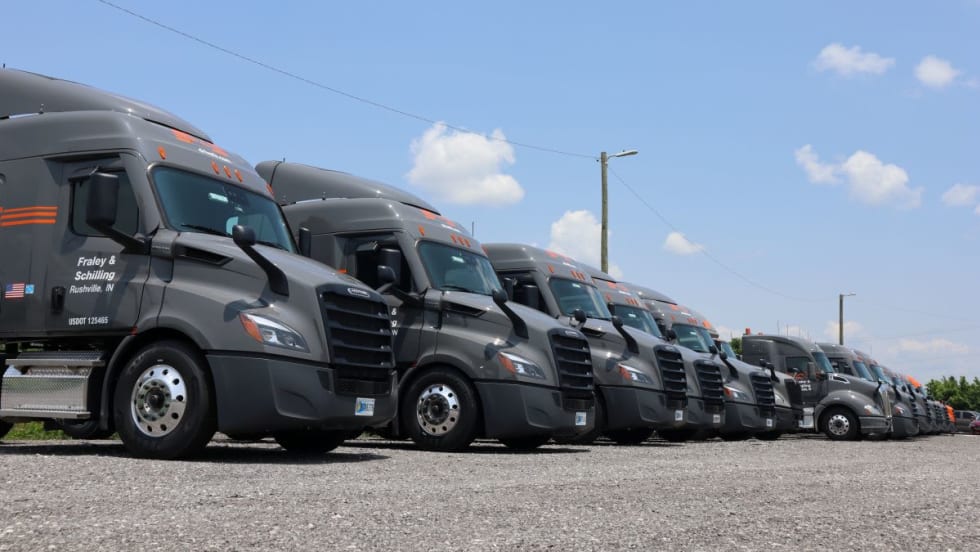
How Fraley & Schilling Improved Logbook Compliance by Over 50%
Fraley & Schilling needed a way to close a compliance workflow gap in its ELD system without adding more work from driver training, reminders, and back-office follow-ups. It found the answer in a custom driver app.
Read More →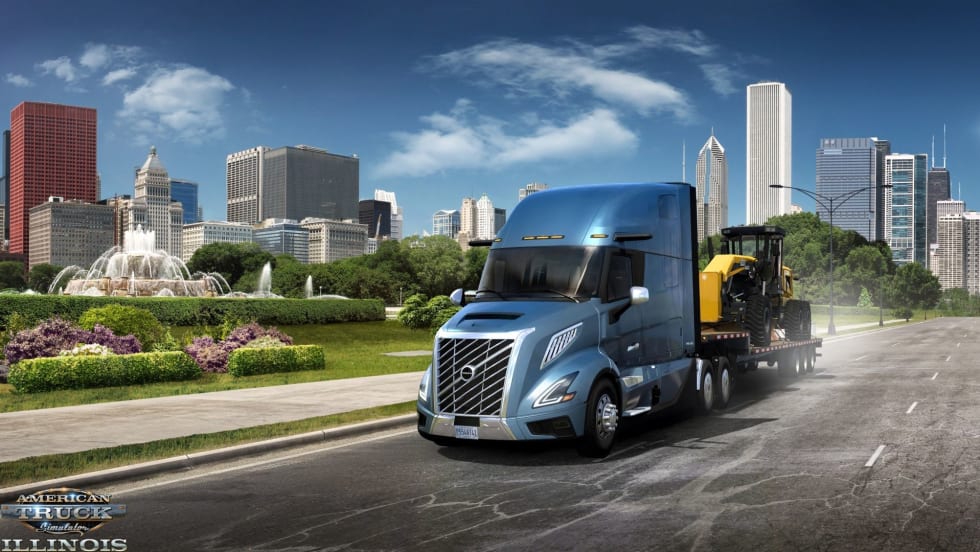
Volvo Goes Gaming
Volvo has roared into American Truck Simulator with two new flagship trucks.
Read More →
What the Best Fleets to Drive For Teach About Driver Retention
Survey fatigue, AI-powered routing, owner-operator expectations, and the decline of social media all emerged as themes from this year's Best Fleets to Drive For program.
Read More →
Driver Retention Lessons From the Best Fleets to Drive For
What separates trucking's best workplaces from the rest? Jane Jazrawy shares the biggest lessons from this year's Best Fleets to Drive For program on driver retention, communication, AI, and workforce trends on the HDT Talks Trucking podcast.
Read More →
Farewell, CDL: Why I'm Giving Up My Commercial Driver's License
After more than 20 years as a CDL holder, HDT Executive Editor Jack Roberts is letting his commercial license expire. Not because he wants to — but because trucking's nuclear verdict crisis has made the risks of public-road test drives too great for editors, manufacturers, and everyone involved.
Read More →
How Top Trucking Fleets Improve Driver Retention [Video]
What do healthy snacks, optimized routing, and just picking up the phone have in common? They're all strategies the Best Fleets to Drive For are using to retain truck drivers.
Read More →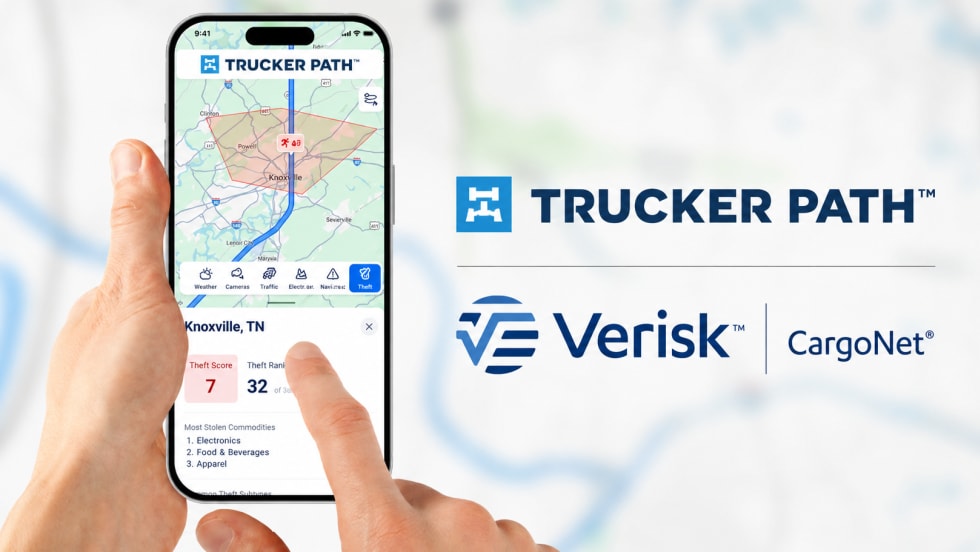
Trucker Path Adds Verisk CargoNet Theft Data to Navigation Platform
Trucker Path’s new cargo theft risk overlays give drivers and fleets visibility into high-risk areas, stolen commodity trends, and theft hotspots.
Read More →
Netradyne Intelligence Uses New AI Agents to Automate Response to In-Cab Camera Data
The company called the next-generation in-cab camera safety platform "a fundamental shift from systems that report on what happened to systems that actively drive what should happen next."
Read More →
Why Truck Detention Keeps Costing Fleets Time and Money
A 2024 ATRI study found detention affects nearly 40% of truckload stops and costs the industry more than $15 billion annually. Despite the toll on drivers, fleets, and supply chains, the problem remains stubbornly persistent.
Read More →