




A proposal to widen I-81 in Virginia would add four truck-only toll lanes.
The Virginia Department of Transportation has been working on plans to widen the 325 miles of I-81 for several years. It estimates widening the highway from four to six lanes would cost $3.4 billion and take up to 30 years.
A consortium of seven construction companies, called Star Solutions, estimates it could widen the highway to eight lanes, with two dedicated truck lanes in each direction, to be paid for by tolls, in just 15 years.
The proposal also would create new rest areas and parking lots exclusively for trucks. I-81 from Lexington to Staunton would be the first stretch of highway to be widened.
A 1998 VDOT study found that trucks sometimes make up 40 percent of the traffic on I-81, twice as much as the road was designed for.
Dale Bennett, executive vice president of the Virginia Trucking Assn., told the Richmond Times-Dispatch that the proposal "raises some interesting questions," but until the group takes a closer look at the proposal's details, they can't say if they would support it or not. How much the toll would be is a big factor.
Star Solutions is proposing the project under the state's 1995 Public-Private Transportation Act. The law encourages private companies to build roads that VDOT can't afford to. Once a company submits a proposal, the state has to give other companies 45 days to submit competing plans.
Trucker Lanes Proposed For I-81 In Virginia
A proposal to widen I-81 in Virginia would add four truck-only toll lanes
More Drivers
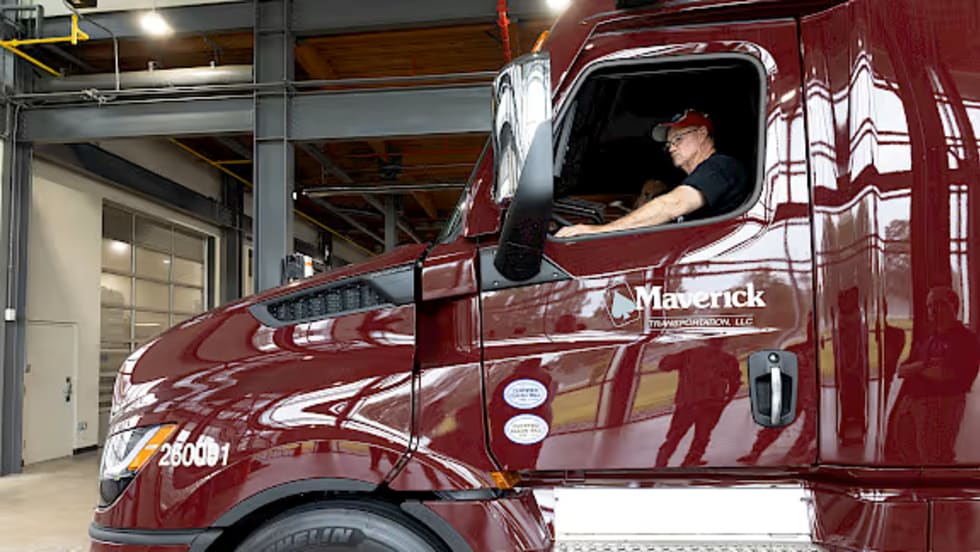
Maverick Announces 2026 Driver Pay Raises
New raises for Maverick Transportation drivers will take effect on May 31, 2026.
Read More →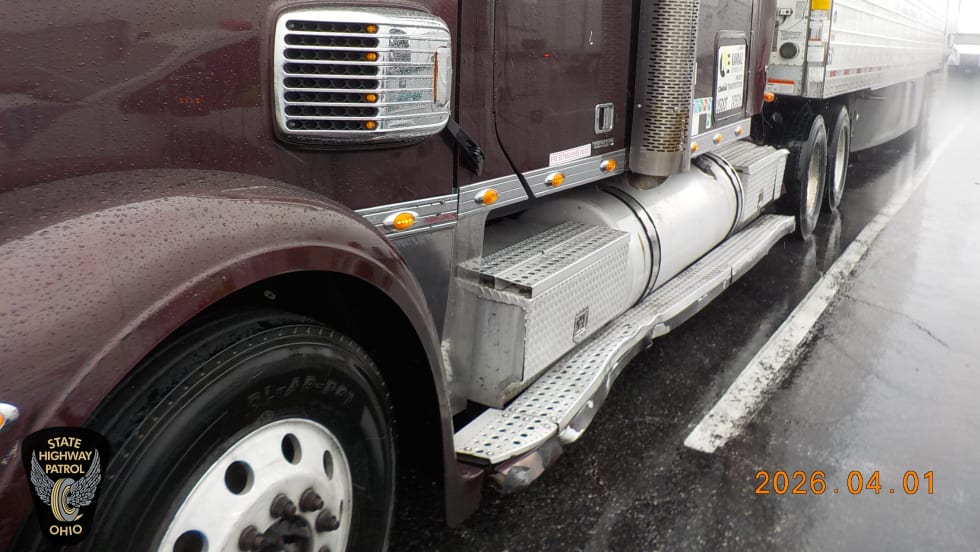
Illinois Trucker Indicted for Nearly $22,000 in Ohio Turnpike Toll Evasion
Authorities say an Illinois trucker avoided paying tolls for two years, and now faces felony charges, possible prison time, and forfeiture of his Freightliner tractor.
Read More →
New Trojan Driver Cargo Theft Scam Bypasses Carrier Vetting Systems
Cargo theft rings plant operatives as drivers inside legitimate, fully vetted carriers, then execute coordinated thefts that look like a traditional straight theft from the outside.
Read More →
WIM, Trucker Path Name Top 3 Women-Friendly Truck Stops
ATA’s Women In Motion Council and Trucker Path highlight three truck stops that meet all seven safety-focused criteria and rank highest among female drivers.
Read More →
FMCSA Extends Paper Medical Card Exemption … Again
Five states still aren't ready to accept commercial driver medical exam information directly from the medical examiner's registry.
Read More →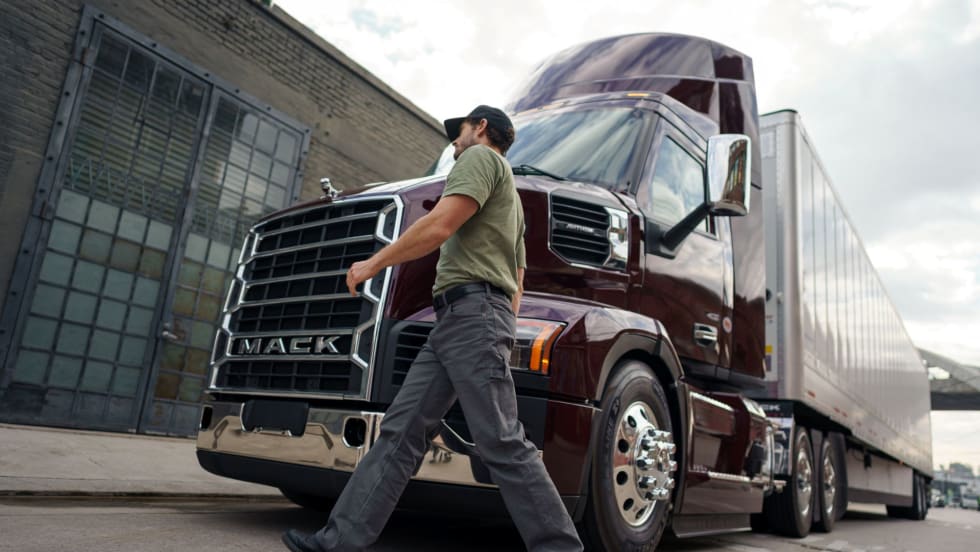
Mack Launches Digital Driver Guide for Chassis-Specific Truck Info
Mack’s new, virtual owner’s manual delivers VIN-based, on-demand guidance for vehicle systems via web, app, and soon in-cab displays.
Read More →
Western Star Showcases Truckers' Pride and Skill
Western Star is expanding its Star Nation Experience in 2026, adding new competitions and dealer participation to highlight operator skills and promote careers in trucking.
Read More →
Best Fleets to Drive For: Two Carriers Earn Overall Award for First Time
CarriersEdge announced the 2026 Best Fleets to Drive For overall winners, with Crawford Trucking, Fortigo Freight Services, and FTC Transportation receiving top awards.
Read More →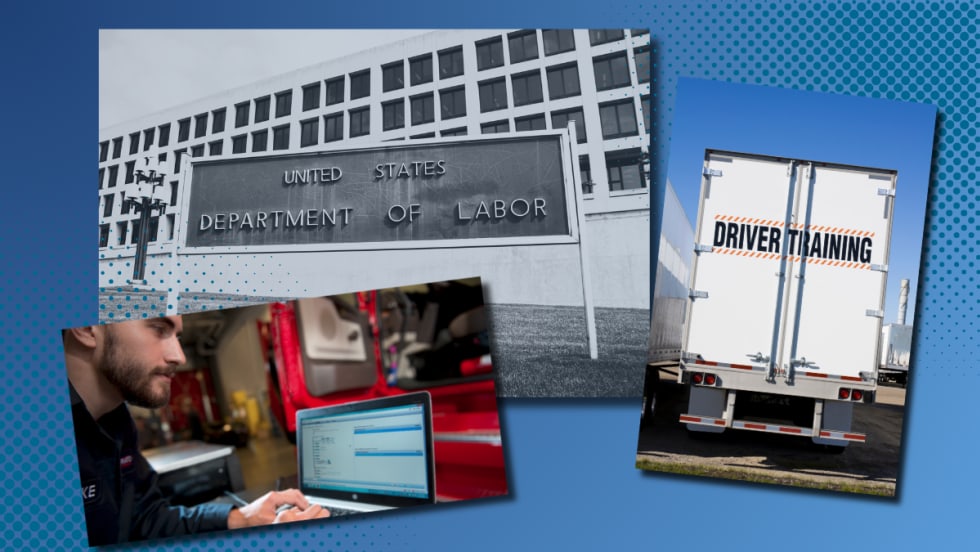
Federal Proposal Would Allow Pell Grants for Shorter-Term Job Training
The Department of Labor plans to expand Pell Grant eligibility to some shorter workforce training programs, a move the American Trucking Associations said will help strengthen commercial driver training schools and diesel technician training programs.
Read More →
Owner-Operator Model Gets Boost as DOL Proposes 2024 Independent Contractor Definition Reversal
For an industry that has watched this issue go back and forth for years, the independent contractor proposal marks the latest swing in the regulatory pendulum.
Read More →