




Truck-Weight Workshop Provides Industry With Tools to Succeed
When instructor Greg Hayes begins one of his truck-weight compliance workshops, there are almost always a few skeptical faces in the class. But by the time the session is over, it's as though light bulbs have come on for everyone in the room. "It's like watching your kids succeed," Hayes said. "It's very satisfying to help attendees understand the technical issues of truck-weight regulations, an area of law which usually requires specialized knowledge.
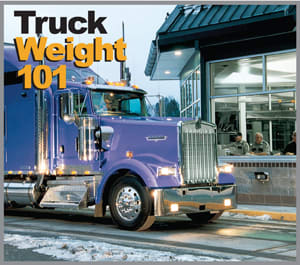
When instructor Greg Hayes begins one of his truck-weight compliance workshops, there are almost always a few skeptical faces in the class. But by the time the session is over, it's as though light bulbs have come on for everyone in the room.
"It's like watching your kids succeed," Hayes said. "It's very satisfying to help attendees understand the technical issues of truck-weight regulations, an area of law which usually requires specialized knowledge."
Hayes and co-trainer Keith Williamson teach a course titled the "Minnesota Truck-Weight Education Project," with a mission to enhance knowledge of and voluntary compliance with Minnesota's truck-weight limits.
Each year, truck traffic is increasing, along with the number of trucks registered in Minnesota. The truck-weight workshop was developed by Hayes for the trucking industry but also addresses concerns of state, county, city, and township transportation authorities about truck-weight limits and damage to routes resulting from the heavier truck traffic. The program's goal is to promote voluntary compliance by the trucking industry to reduce damage to public roads-resulting in fewer road repairs, longer highway life, and less need for enforcement measures.
Understanding Compliance, Configurations
In its eighth year, the course has educated more than 4,000 people. The course answers questions about truck configurations, including axle spacing, truck tire issues, and new legislation. This helps truck drivers, owners, manufacturers, and various road authorities understand truck-weight compliance laws and regulations as well as their configuration options.
Originally introduced in 2001 as a pilot program through Northland Community and Technical College in Thief River Falls, Minn., the Minnesota Local Technical Assistance Program (LTAP) took the course statewide through funding from the Minnesota Local Road Research Board (LRRB) and the Mn/DOT Office of State Aid for Local Transportation and has grown to about 15 sessions each year.
"It became a pretty large project that evolved from a concept," said Chad Coauette, the director of customized training for Northland at the time. "There was a [training] need that wasn't being met."
"The success of the truck-weight training program shows the dedication and the partnerships our DOT has in making this happen, and the role of local cities and counties to see it continue," said Jim Grothaus, director of Minnesota LTAP. "The class has grown to fill an important need and has become very popular."
Being able to help class attendees with a variety of problems, questions, and situations is one of the most rewarding parts of teaching the course, Hayes said.
Dave Chura, executive director of the Minnesota Logger Education Program, said Hayes was the first who has been able to explain the charts, tables, and mathematical equations needed to figure out how much can be carried per load.
"You know it's a good workshop when truck drivers stick around to do math," he said. "Now [the drivers] know how to apply these facts and figures to their own trucks. All these guys want to be compliant."
Students From All Types of Trucking
Class participants have included a wide range of professions including law enforcement, truck manufacturers, and drivers from all types of trucking, such as gravel, grain, garbage, timber, and local and state road authorities.
Michael Venaccio, corporate risk manager for Strata Corporation headquartered in Grand Forks, N.D., said many of the company's supervisors and drivers have taken Hayes's course. After attending the course, Venaccio said employees return saying, "It's current information and it's well presented."
Although the company is North Dakota-based, many of its trucks are driven in Minnesota, meaning they must comply with Minnesota truck-weight laws. "If you are an operator in Minnesota, I would highly suggest taking the class," he said.
The class is currently based upon Minnesota laws, but Hayes said the format he uses is what leads to the success of the program and is something that could be used as a template to start similar programs in other states.
Using lay terms, providing good examples of law, and showing participants how to use weight charts provided by the state make this complicated subject understandable for anyone, no matter what their experience in the industry, Hayes said.
Expansion Possibilities
Hayes has received interest from Illinois, Wisconsin, and East Coast states in teaching similar courses, but Hayes said in order for him to be involved in expanding the program nationally, "it has to be done right."
No matter what the future holds for the program, Hayes said he plans to continue to teach the course in Minnesota because it's fun and rewarding. "When you're able to help someone, to empower them to succeed-it's fun," he said.
For more information about the Minnesota Truck-Weight Compliance Program, visit www.mnltap.umn.edu/Events/TruckWeight.
This article was reprinted with permission from Technology Exchange, a newsletter of the Minnesota Local Technical Assistance Program, Summer 2009.
More Aftermarket

What Three Fleets Are Doing Differently When Buying Truck Parts in 2026
With freight improving but costs still climbing, fleet maintenance executives explain how they're balancing price, quality, and supplier relationships.
Read More →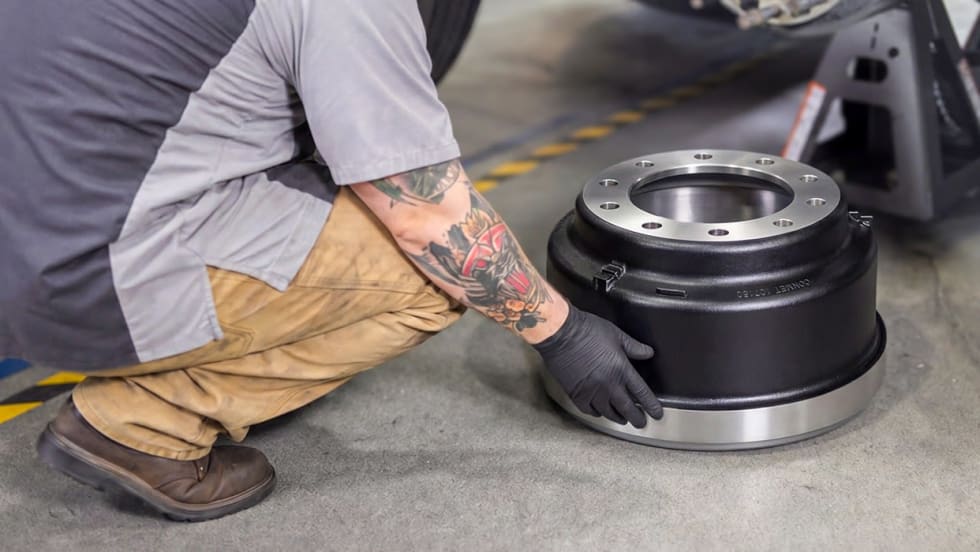
ConMet Expands Aftermarket Brake Drum Lineup With TruCast
A new heavy-duty truck brake drum option in the aftermarket gives customers more flexibility within the ConMet product family.
Read More →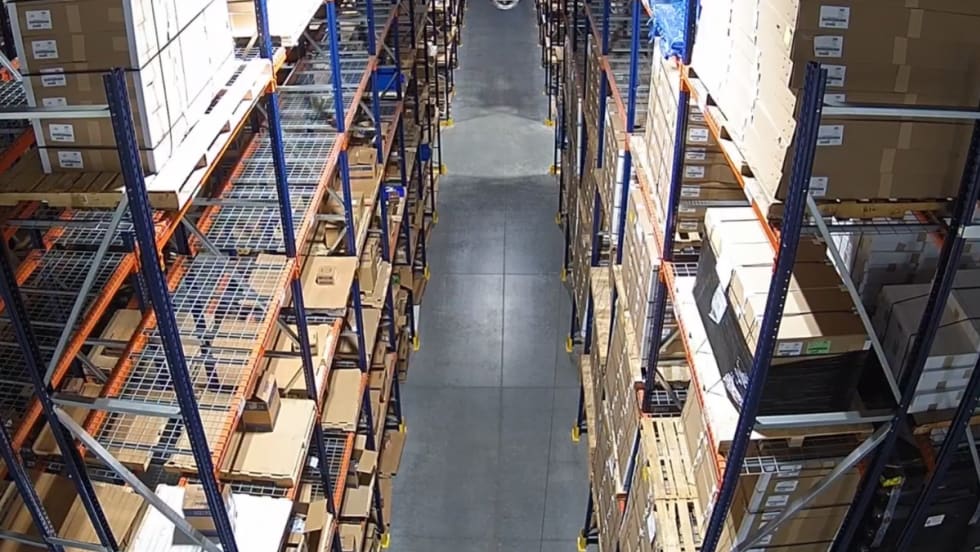
Phillips Opens High-Tech Distribution Center for Faster Parts Delivery
Phillips Industries’ new Cincinnati-area distribution center is now shipping aftermarket trucking parts nationwide, aiming to speed up delivery times for customers.
Read More →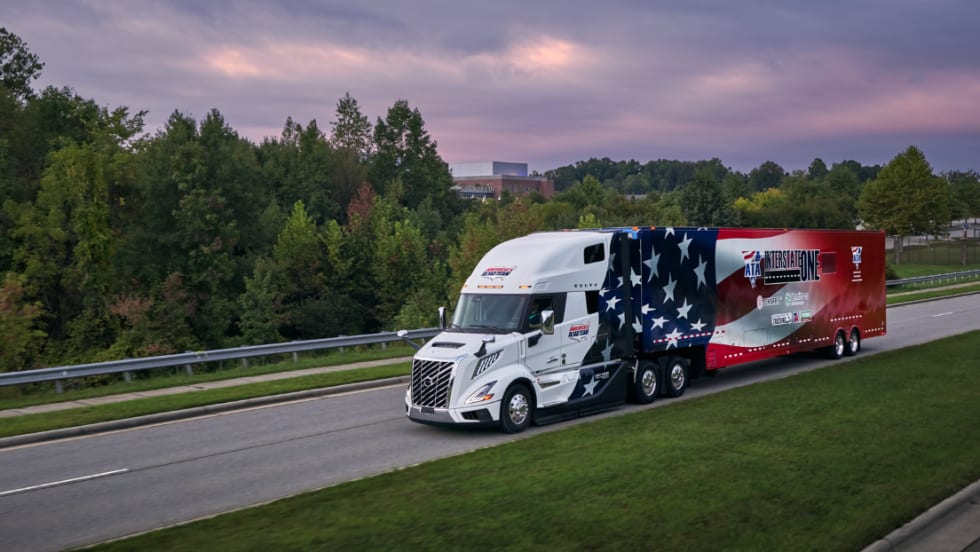
Volvo to Sponsor America’s Road Team for 2025
Volvo Trucks announced that it is extending its exclusive sponsorship of America’s Road Team for 2025.
Read More →
Webb to Start Taking Orders for UltraSet Pre-Adjusted Wheel Hubs
Webb, which recently acquired the Stemco Trifecta pre-adjusted hub program, will soon start taking orders for its replacement pre-assembled hub, the UltraSet.
Read More →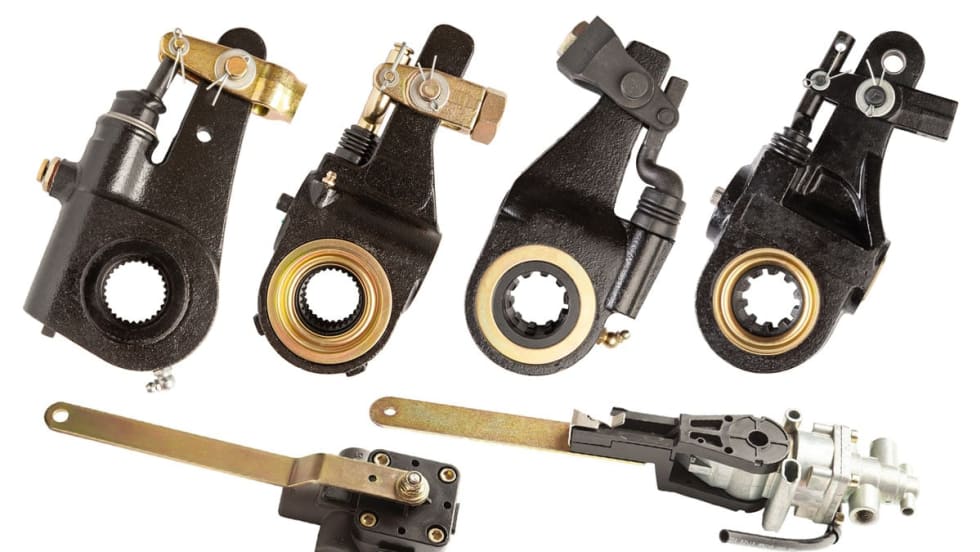
All-Makes Automatic Brake Adjusters, Ride Height Control Valves from Midland
SAF-Holland has added automatic brake adjusters and ride height control valves to its Midland All-Makes Program.
Read More →
ZF Aftermarket Expands [pro]Academy Training
ZF Aftermarket said it is expanding its ZF [pro]Academy training and will be adding 40 new modules this year.
Read More →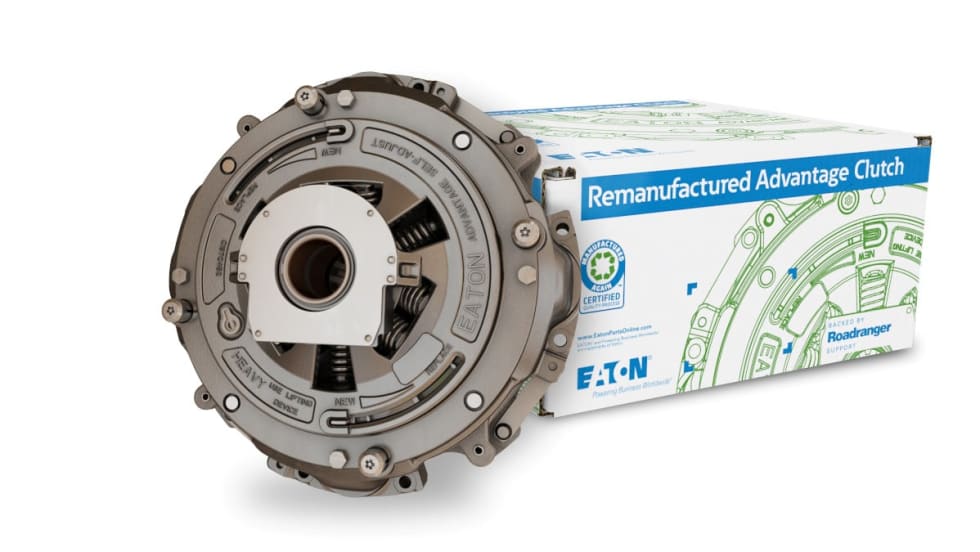
Eaton Adds Remanufactured Advantage Line of Clutches
Eaton has added its Advantage clutches to its remanufactured product line. The clutches feature a unique strap drive intermediate plate designed to allow customers to choose the latest OE specification
Read More →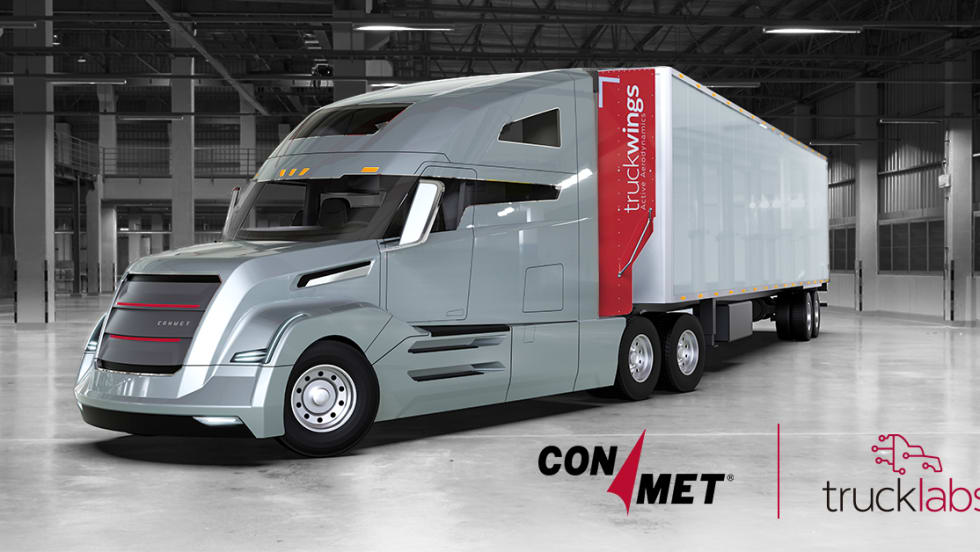
ConMet Acquires TruckLabs, the Creator of TruckWings
Commercial truck and trailer parts provider ConMet acquired TruckLabs, the company that created TruckWings, an aerodynamic device that attaches to truck cabs and deploys to close the gap between truck and trailer. TruckLabs now operates as a subsidiary of ConMet.
Read More →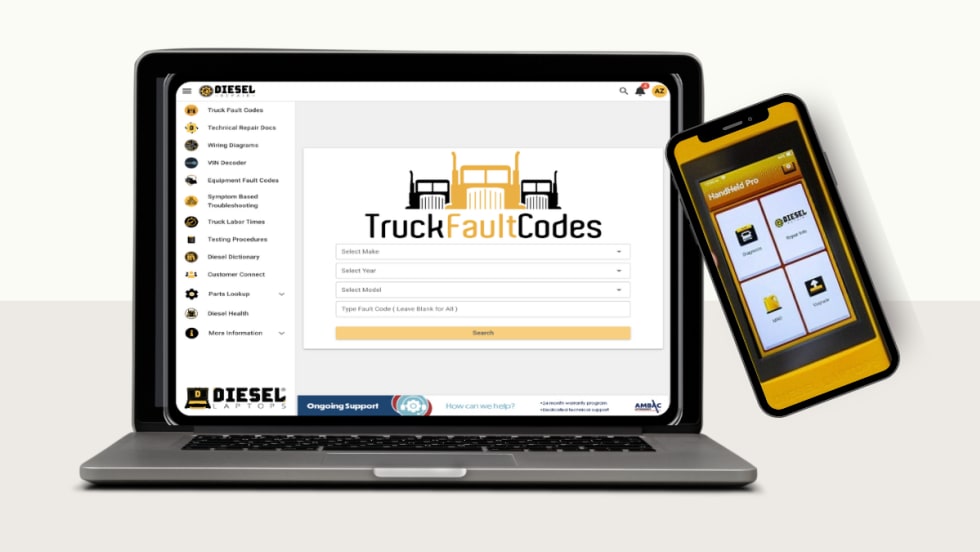
Diesel Laptops Releases Fault-Code-to-Part-Number Tool
Diesel Laptops said its Truck Fault Codes allows users to input a fault code and immediately identify and order the parts needed to complete repair work.
Read More →