




Truck Orders Hit 3-Month High in December
Heavy- and medium-duty truck orders are expected to total 58,800 units in December, hitting a 3-month high to end the year, according to early numbers from ACT Research.
Heavy- and medium-duty truck orders are expected to total 58,800 units in December, hitting a 3-month high to end the year, according to early numbers from ACT Research.
The December order volume for Class 5-8 vehicles improved 11% from November and was 35% better than for the previous December. The numbers are preliminary; ACT will release the final order numbers later in the month.
North American Class 8 truck orders remained high, climbing to 37,500 units in December, representing an increase of 4,800 units over the previous month.
“The last month of 2017 was the best monthly order intake since December 2014,” said Kenny Vieth, ACT president and senior analyst. “December’s order volume represents a sequential improvement of 15%, and a year-over-year gain of 76%.”
Class 5-7 medium duty vehicle orders were mixed, slightly beating November’s numbers but falling short of 2016’s numbers.
“Preliminary data indicate that Classes 5-7 net orders inched higher from November to 21,300 units. However, on a year-over-year basis, orders dropped 3.7%,” said Vieth. “For all of 2017, North American medium duty Classes 5-7 orders totaled 249,700 units.”
December is usually a strong month for orders, according to ACT, but the holidays constrain production. Based on the spread between preliminary December orders and the build plans, the medium-duty backlog likely grew by around 7,500 units while the Class 8 backlog should see another 18,500 units added.
More Equipment
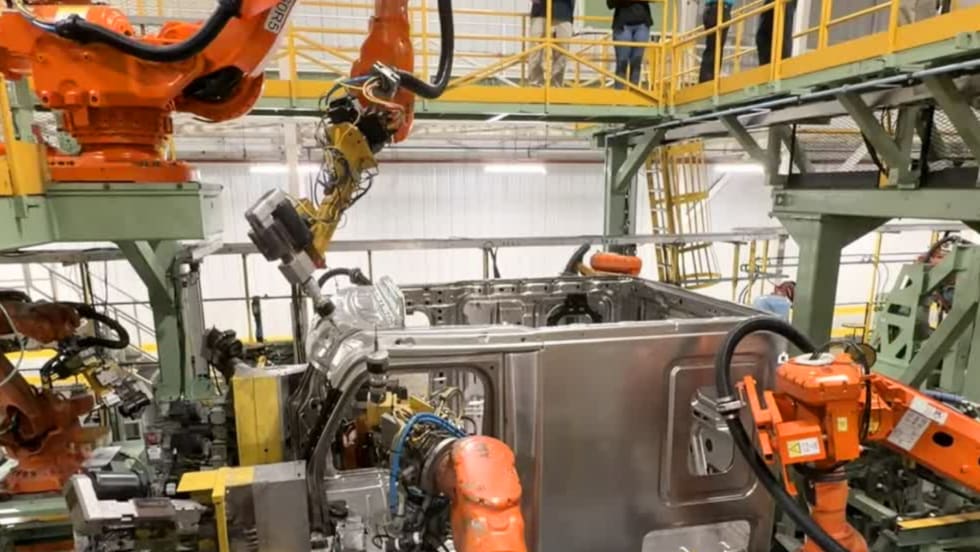
DTNA Plans New U.S. Truck Plant as Manufacturing Footprint Shifts
Daimler Truck North America is evaluating sites for a new assembly plant expected to open in 2029 while winding down operations at its longtime Portland manufacturing facility.
Read More →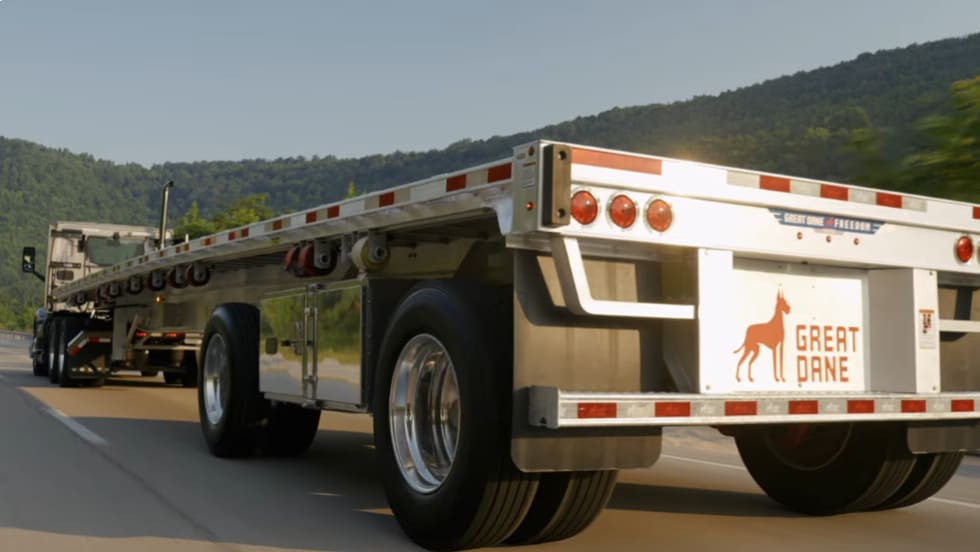
Great Dane Flatbed Trailer Offers Light Weight and Strength
Freedom Ultra is designed for a wide range of open-deck applications, including building materials, lumber, machinery, steel products, industrial freight, and coil hauling.
Read More →
What It's Like Inside this Custom 2025 Peterbilt 589?
Take a driver's-eye tour of this customized 2025 Peterbilt 589 in this video, as longtime driver Ingrid Brown explains its features, compares it to previous models, and shares plenty of personality along the way.
Read More →
Drivers Put Western Star Trucks to the Test at Star Nation Experience
Watch to get an inside look at the Western Star trucks, technology, and community behind the Star Nation Experience 2026!
Read More →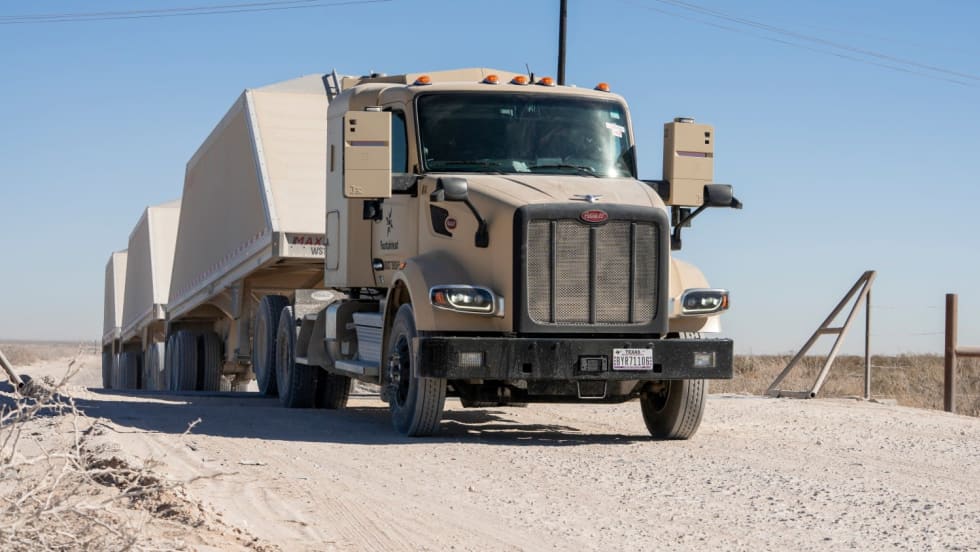
Atlas Expands Kodiak Driverless Truck Fleet in Permian Basin
Atlas Energy Solutions is expanding autonomous frac sand hauling in the Permian Basin with a second load-out location and plans for 100 driverless trucks by mid-2027.
Read More →
Putting Mack’s Command Steer to the Test
A test drive of Mack’s Command Steer active steering system evaluates how it can make truck driving easier and less tiring.
Read More →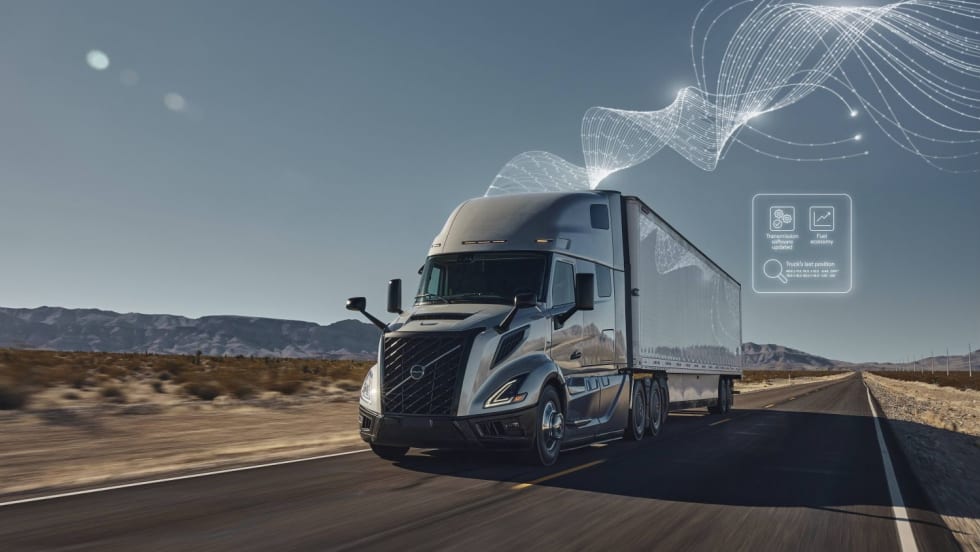
Mack, Volvo Expand DEF Derate Software Updates
The updated software gives Mack and Volvo truck owners more time to address DEF-related issues before the engine derates or the vehicle goes into reduced-speed inducement, following new EPA guidance.
Read More →
Rush, MCT Team Up to Grow Refrigeration Service Network
The joint venture will operate MCT's network of Carrier Transicold dealerships and mobile service locations, with the companies promising greater service capacity and uptime for refrigerated fleets.
Read More →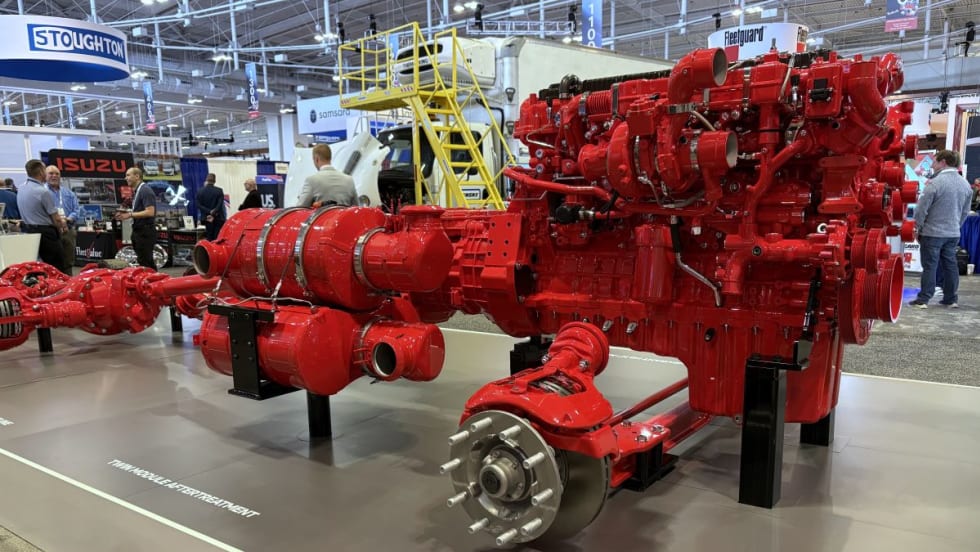
Cummins Adjusts 2027 Engine Rollout After EPA Proposal
The engine maker will gradually introduce its new Model Year 2027 diesel engines while continuing to offer current models during the transition, citing the EPA's proposed emissions rule changes.
Read More →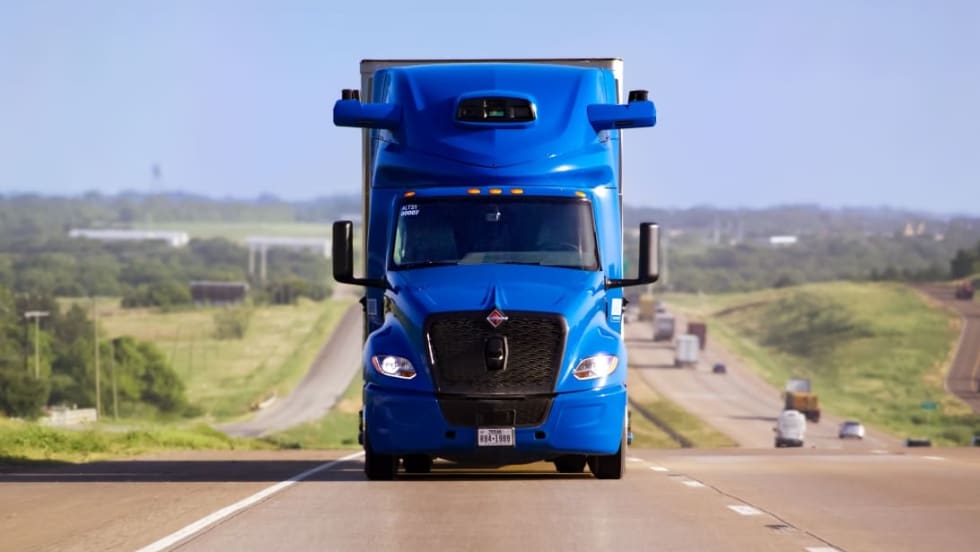
Aurora Rolls Out Next Generation of Driverless Trucks for Commercial Freight
Aurora's latest autonomous trucks it's rolling out with International feature lower-cost hardware designed for a million miles as the company expands commercial driverless freight operations across the U.S. Sun Belt.
Read More →