




Transportation Spending Bill Contains Additional Money For Highways & Trucks
The fiscal year 2002 transportation spending bill signed by President Bush Tuesday provides a boost in total spending, including more money for truck safety, as well as addressing the issues of Mexican trucks in the United States and hours of service exemptions

The fiscal year 2002 transportation spending bill signed by President Bush Tuesday provides a boost in total spending, including more money for truck safety, as well as addressing the issues of Mexican trucks in the United States and hours of service exemptions.
The $59.6 billion was delayed almost two months by negotiations over measures in the U.S. Department of Transportation's fiscal 2002 appropriations bill that would allow Mexican trucks to circulate freely in the United States. Congress and President Bush finally reached a compromise that moved the bill forward for the President's signature.
The new law requires all Mexico-based carriers that apply for U.S. operating authority to undergo initial "safety examinations" by U.S. Transportation Department officials -- half of which will be done on-site -- before being allowed to haul freight into the U.S. All Mexican carriers will receive conditional U.S. operating authority, with permanent authority contingent upon undergoing a full-blown safety compliance audit within the first 18 months after receiving authority for U.S. operations. The 50 percent of Mexican carriers that did not receive their initial safety examination on-site will have their safety compliance audits done on site. In addition, all Mexico-based trucks must have safety inspections done every 90 days for the first three years of their U.S. operations. Trucks entering the U.S. may cross only when U.S. safety inspectors are on duty. Within a year of the bill's passage, truck scales must be installed at the 10 busiest U.S.-Mexico border crossing points. U.S. safety inspectors will verify half of Mexican drivers' commercial driver licenses electronically, and all haz-mat licenses will be verified.
While the Mexican trucks provision may have received the most publicity, it is, after all, a transportation spending bill. According to the American Trucking Associations, total highway spending for fiscal 2002 is $32.9 billion, $100 million above the Transportation Efficiency Act’s guaranteed funding level. Total Federal Motor Carrier Safety Administration funding is $335.1 million, or 19.3% more than 2001. Of this amount, about $140 million is for dedicated facilities and operations needed to open the U.S.-Mexican border for commercial motor vehicles. Section 402 Highway Safety Program funding is at $160 million, 3.1% above 2001 levels.
The 2002 package also contains a provision ordering the Transportation Department, in consultation with the Government Accounting Office, to perform a study on the effects of the transportation of hazardous and radioactive materials on public health and safety, the environment and the economy. The report is due to Congress six months after enactment.
The appropriations bill also contains language that directs the Secretary of Transportation not to take any action to modify or revoke hours of service exemptions in the National Highway System Designation Act unless specific provisions of that act have been satisfied. This language, introduced by Senator Inhofe (R-OK), is important because the FMCSA had proposed to eliminate certain hours of service exemptions in the proposed HOS regulation put forth by FMCSA in 2000. While not a blanket congressional prohibition against the proposed HOS rule, this language is helpful in retaining agricultural exemptions.
The FY 2002 appropriations bill also includes $500,000 in the FMCSA budget to sponsor the American Trucking Associations’ Highway Watch program for October 2001-October 2002. The Highway Watch program works with state authorities to train truck drivers to report potential road hazards ranging from accidents to dangerous congestion. Colorado, Florida, Kansas, Oregon and Virginia have already launched successful programs, with a pilot under way in Minnesota. ATA expects to launch several additional states by the end of 2002.
ATA says it was successful in getting $300,000 set aside in the funding for National Highway Traffic Safety Administration research to do brake friction research. This money is for the agency to use as it sees fit to complete research necessary to initiate a rulemaking to require that brake linings be rated and marked with a friction rating.
More Drivers
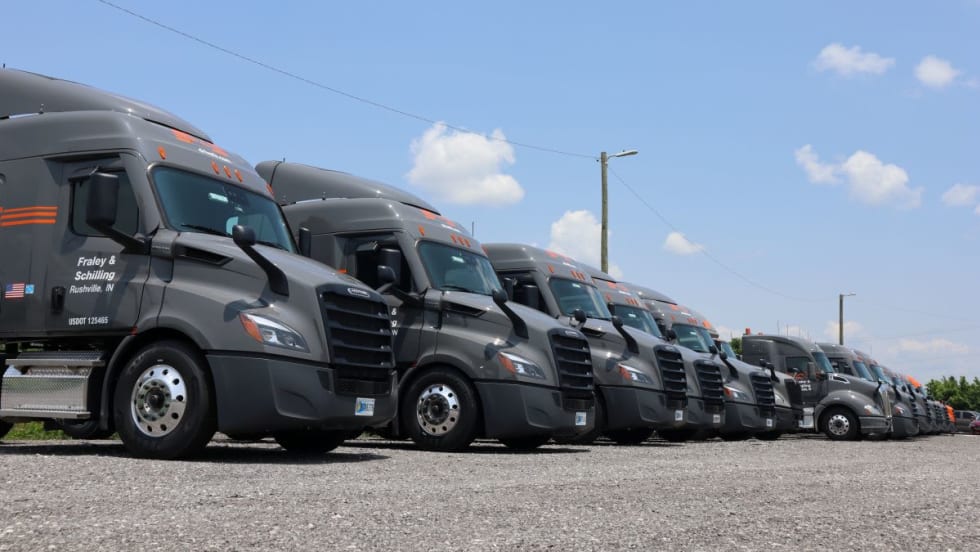
How Fraley & Schilling Improved Logbook Compliance by Over 50%
Fraley & Schilling needed a way to close a compliance workflow gap in its ELD system without adding more work from driver training, reminders, and back-office follow-ups. It found the answer in a custom driver app.
Read More →
Volvo Goes Gaming
Volvo has roared into American Truck Simulator with two new flagship trucks.
Read More →
What the Best Fleets to Drive For Teach About Driver Retention
Survey fatigue, AI-powered routing, owner-operator expectations, and the decline of social media all emerged as themes from this year's Best Fleets to Drive For program.
Read More →
Driver Retention Lessons From the Best Fleets to Drive For
What separates trucking's best workplaces from the rest? Jane Jazrawy shares the biggest lessons from this year's Best Fleets to Drive For program on driver retention, communication, AI, and workforce trends on the HDT Talks Trucking podcast.
Read More →
Farewell, CDL: Why I'm Giving Up My Commercial Driver's License
After more than 20 years as a CDL holder, HDT Executive Editor Jack Roberts is letting his commercial license expire. Not because he wants to — but because trucking's nuclear verdict crisis has made the risks of public-road test drives too great for editors, manufacturers, and everyone involved.
Read More →
How Top Trucking Fleets Improve Driver Retention [Video]
What do healthy snacks, optimized routing, and just picking up the phone have in common? They're all strategies the Best Fleets to Drive For are using to retain truck drivers.
Read More →
Trucker Path Adds Verisk CargoNet Theft Data to Navigation Platform
Trucker Path’s new cargo theft risk overlays give drivers and fleets visibility into high-risk areas, stolen commodity trends, and theft hotspots.
Read More →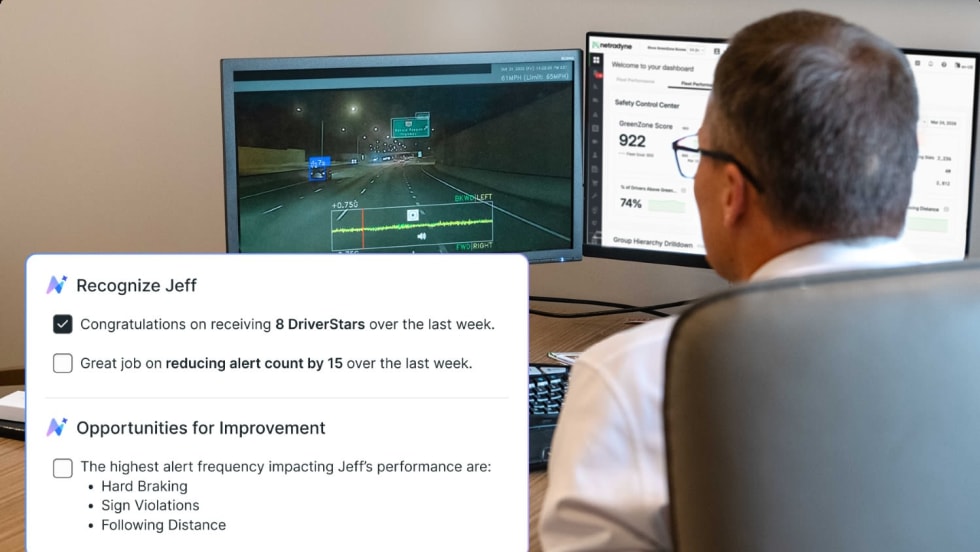
Netradyne Intelligence Uses New AI Agents to Automate Response to In-Cab Camera Data
The company called the next-generation in-cab camera safety platform "a fundamental shift from systems that report on what happened to systems that actively drive what should happen next."
Read More →
Why Truck Detention Keeps Costing Fleets Time and Money
A 2024 ATRI study found detention affects nearly 40% of truckload stops and costs the industry more than $15 billion annually. Despite the toll on drivers, fleets, and supply chains, the problem remains stubbornly persistent.
Read More →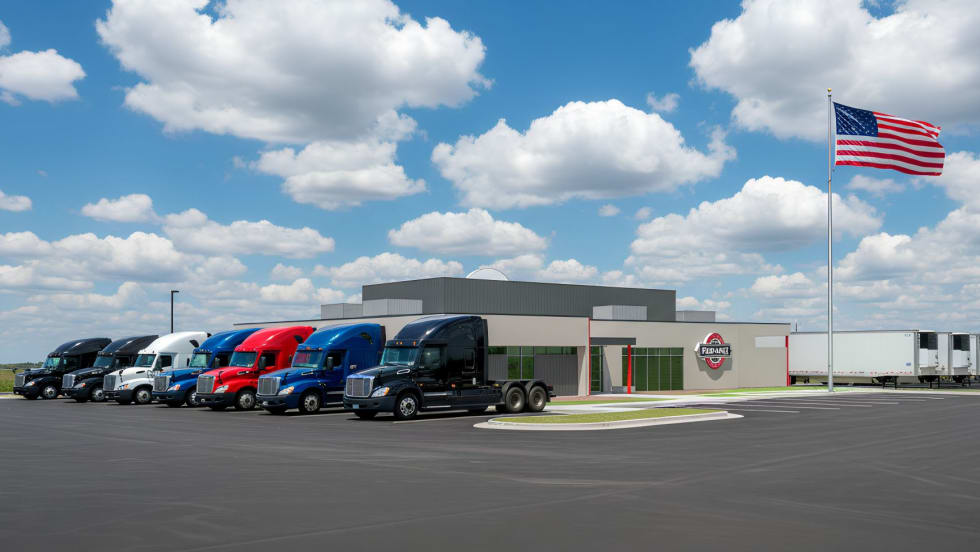
Prime Inc. to Open $7.9M Flagship Used-Truck Dealership
A new driver-focused facility to sell Prime Inc's used trucks and trailers will be the first purpose-built location in the company's history.
Read More →