




Transportation Can Expect A Soft Insurance Market Into 2011
Insurance rates have come down over the past three years, and we can expect the market to stay soft into 2011, said Todd Reiser, vice president of the transportation practice group for Lockton Companies, an insurance broker

Understanding insurance trends and what's expected in the market is a good first step in managing accident risk. (Photo by Ohio State Highway Patrol)
Insurance rates have come down over the past three years, and we can expect the market to stay soft into 2011, said Todd Reiser, vice president of the transportation practice group for Lockton Companies, an insurance broker.
Reiser said insurance premiums are down for the transportation industry, and will continue this trend for the foreseeable future.
Reiser and Daniel Bancroft, senior vice president, transportation leader, Willis of North America, discussed trucking risk management strategies during a conference call hosted by Stifel Nicolaus Capital Markets Friday.
Bancroft echoed Reiser's comments about the softening market, emphasizing that the transportation market has experienced an improved cost of risk over the last three years. With the recession, there has been much less driver turnover among fleets, allowing them to retain the safest, most experienced drivers, Bancroft said. This has contributed to increased safety and a reduction in risk. Looking ahead, however, the question will be whether or not drivers will stay with their fleets, he said.
Cost of Risk
Within the trucking industry, the highest cost of risk can range from 2 percent of revenue to 10 percent of revenue, Bancroft said. Costs can include the insurance and claim; self insurance and insurance; staff, from risk management departments to claims departments; external brokers and safety experts; and collateral.
According to Bancroft, one size doesn't fit all within the trucking industry; each mode is characterized by different levels of risk.
Truckload carriers are characterized by irregular routes and over-the-road transportation, and costs are driven by automobile experience, Bancroft said. Their accident risk is typically high frequency and high severity.
Meanwhile, in less-than-truckload fleets, drivers are often touching the freight, so the key cost of risk involves worker injury and workers' compensation. Motor cargo claims are also common within this mode, he said.
Intermodal and drayage operations are characterized by high turnover, which will typically translate into high frequency of accidents. "If you have a lot of frequency, then you will have severity," Bancroft said.
Tank carriers involve regular routes, so they'll typically have less frequency. However, because of the nature of the commodity hauled, these carriers will see a higher severity when accidents do occur.
Retentions
Reiser said insurance retentions, or deductibles, have stayed fairly stable, as the markets have stabilized. Typically, deductibles will range from $1 million to $5 million per accident for the trucking industry.
Department of Transportation standards require fleets to purchase $750,000 in insurance coverage as the minimum. For hazardous materials carriers, the minimum is $5 million.
Bancroft said the $750,000 minimum is typically not a barrier to entry for carriers, but the shipping community expects at least $1 million. Bancroft recommends this amount as a rule of thumb for the industry.
Owner-Operator Use
The use of owner-operators is a very specialized area of insurance, Bancroft said. Carriers must recognize that they're responsible for worker injury insurance when they sign on with an owner-operator.
States have been putting pressure on the industry to mimic the employer role with independent contractors, with several states adopting new laws related to independent contractor status. Should fleets be required to pay workers' compensation to owner-operators, this area will become more complex and costly for the industry, Bancroft said.
More Aftermarket

What Three Fleets Are Doing Differently When Buying Truck Parts in 2026
With freight improving but costs still climbing, fleet maintenance executives explain how they're balancing price, quality, and supplier relationships.
Read More →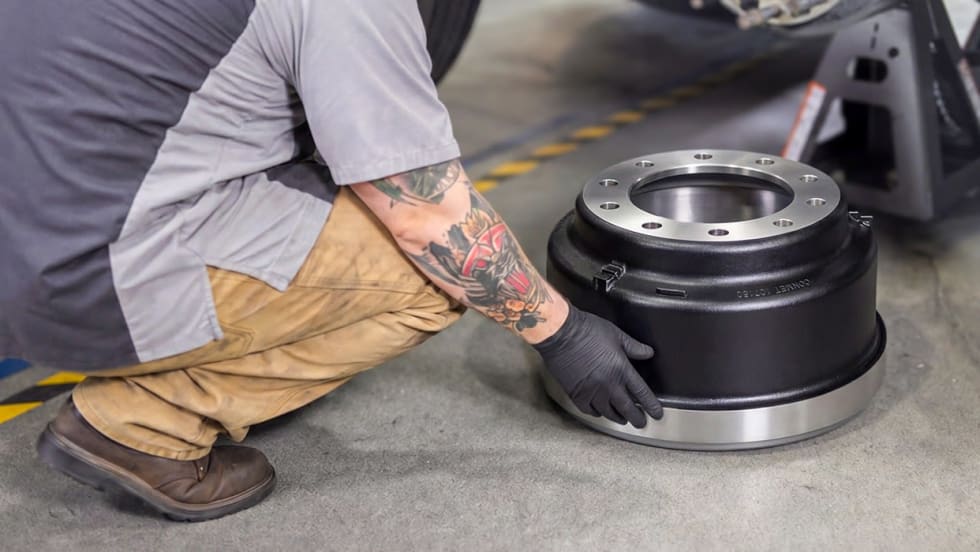
ConMet Expands Aftermarket Brake Drum Lineup With TruCast
A new heavy-duty truck brake drum option in the aftermarket gives customers more flexibility within the ConMet product family.
Read More →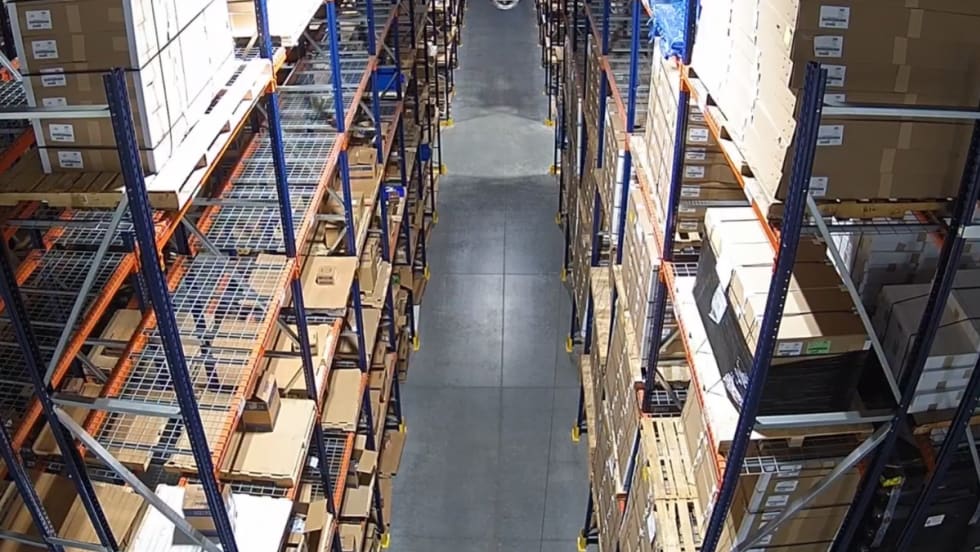
Phillips Opens High-Tech Distribution Center for Faster Parts Delivery
Phillips Industries’ new Cincinnati-area distribution center is now shipping aftermarket trucking parts nationwide, aiming to speed up delivery times for customers.
Read More →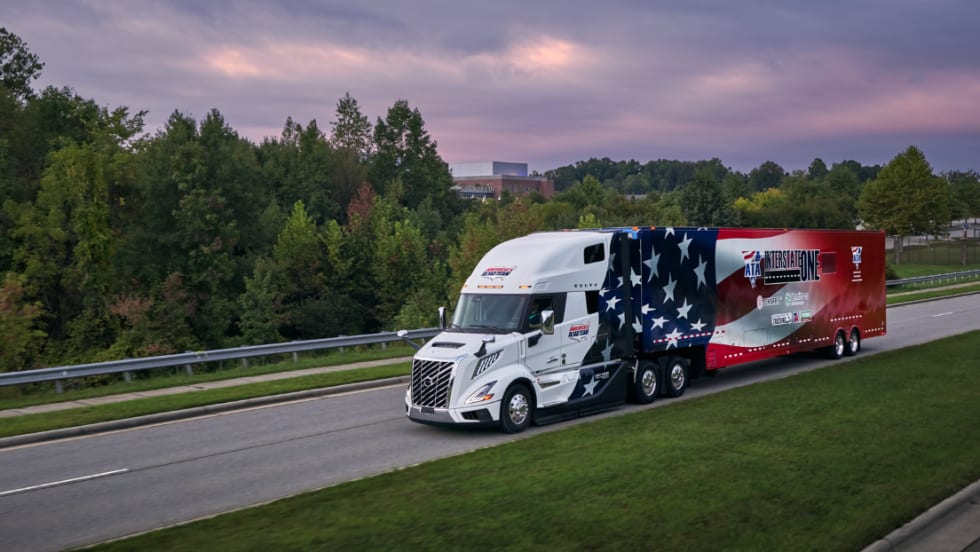
Volvo to Sponsor America’s Road Team for 2025
Volvo Trucks announced that it is extending its exclusive sponsorship of America’s Road Team for 2025.
Read More →
Webb to Start Taking Orders for UltraSet Pre-Adjusted Wheel Hubs
Webb, which recently acquired the Stemco Trifecta pre-adjusted hub program, will soon start taking orders for its replacement pre-assembled hub, the UltraSet.
Read More →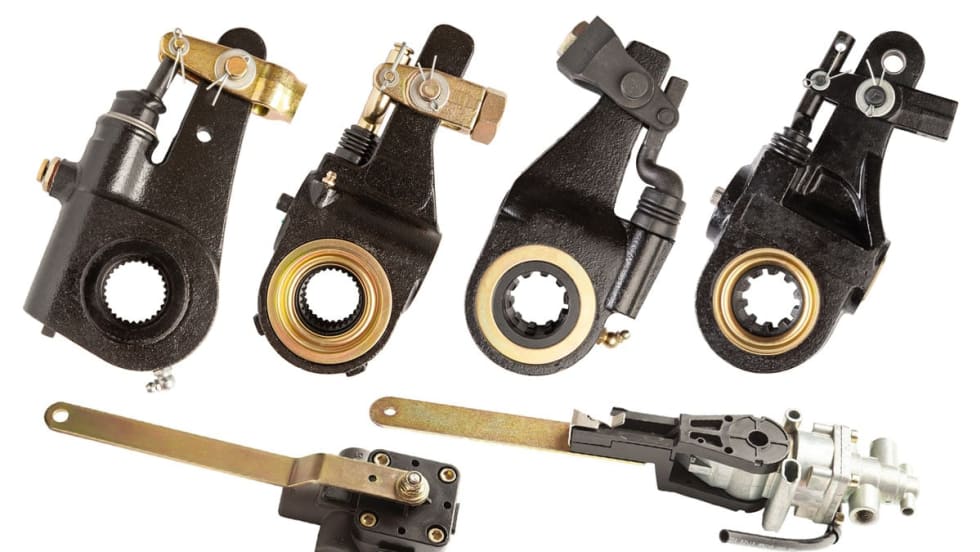
All-Makes Automatic Brake Adjusters, Ride Height Control Valves from Midland
SAF-Holland has added automatic brake adjusters and ride height control valves to its Midland All-Makes Program.
Read More →
ZF Aftermarket Expands [pro]Academy Training
ZF Aftermarket said it is expanding its ZF [pro]Academy training and will be adding 40 new modules this year.
Read More →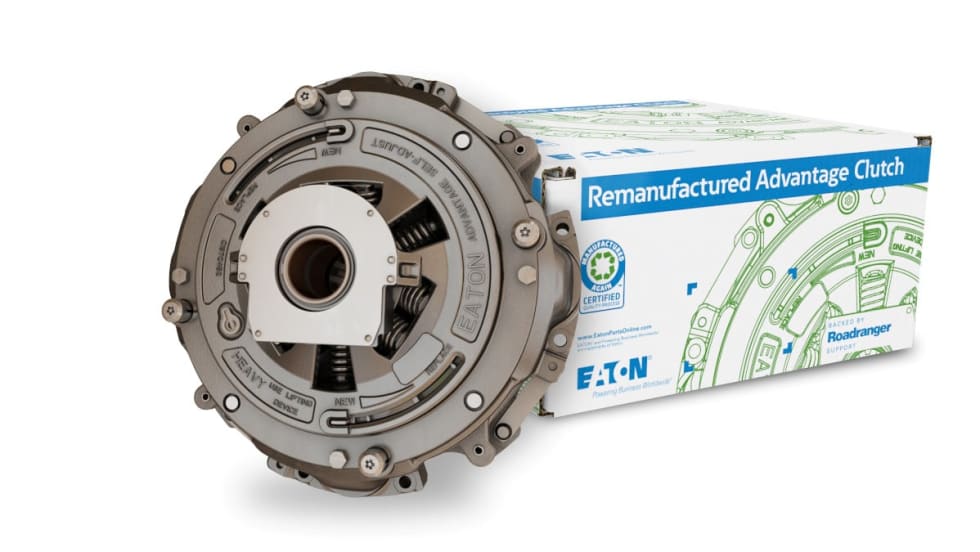
Eaton Adds Remanufactured Advantage Line of Clutches
Eaton has added its Advantage clutches to its remanufactured product line. The clutches feature a unique strap drive intermediate plate designed to allow customers to choose the latest OE specification
Read More →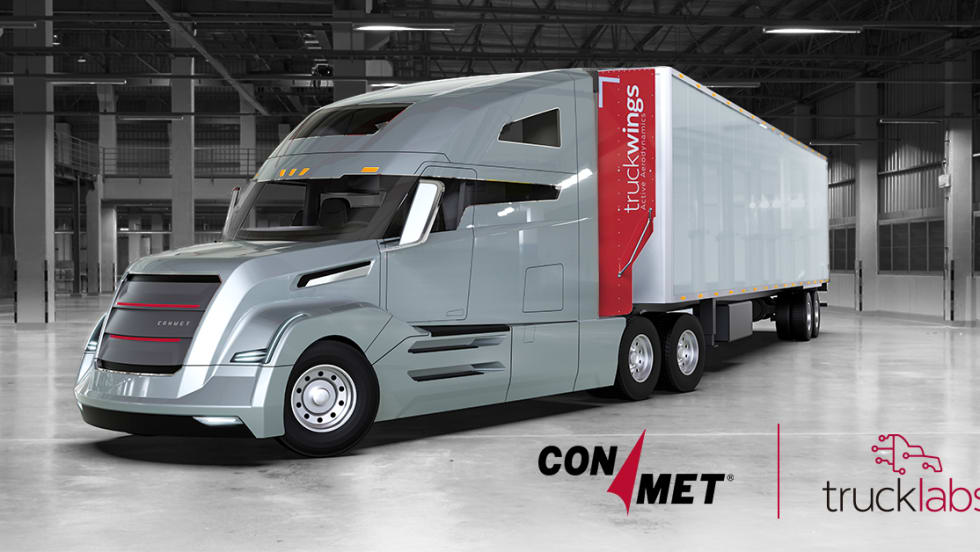
ConMet Acquires TruckLabs, the Creator of TruckWings
Commercial truck and trailer parts provider ConMet acquired TruckLabs, the company that created TruckWings, an aerodynamic device that attaches to truck cabs and deploys to close the gap between truck and trailer. TruckLabs now operates as a subsidiary of ConMet.
Read More →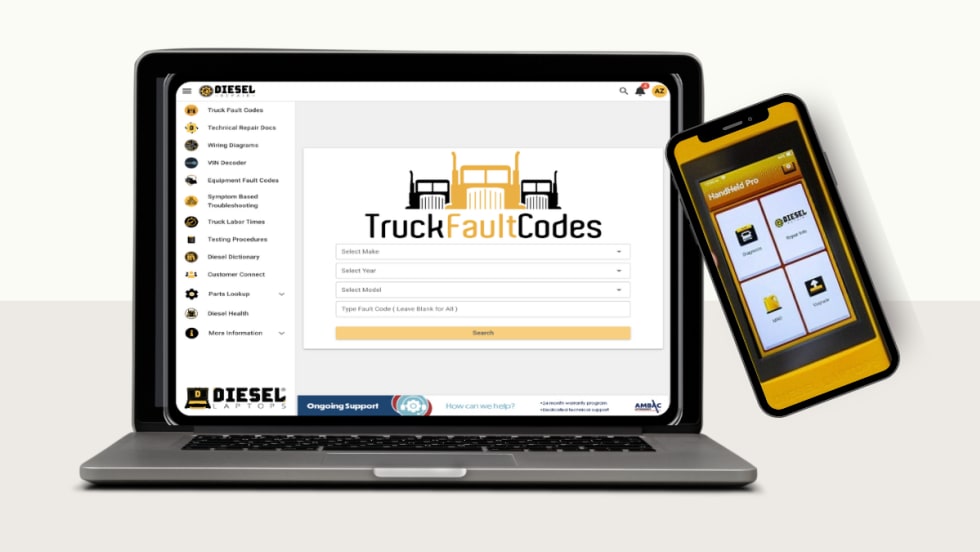
Diesel Laptops Releases Fault-Code-to-Part-Number Tool
Diesel Laptops said its Truck Fault Codes allows users to input a fault code and immediately identify and order the parts needed to complete repair work.
Read More →