




Train Whistles Or No: The Debate Could Get Noisy
The Federal Railroad Administration will begin a series of public meetings in March to discuss the mandated use of train whistles at highway-rail crossings. The issue is crossing safety versus noise pollution -- and could generate
The Federal Railroad Administration will begin a series of public meetings in March to discuss the mandated use of train whistles at highway-rail crossings. The issue is crossing safety versus noise pollution -- and could generate some rather noisy debates.
The concern is a staggering number of train/highway vehicle collisions at public and private rail crossings. FRA sets the annual number at around 4,000 a year, roughly half of which occur at intersections equipped with gates, bells, lights or other active warning devices. We’ve seen the devastation one of those collisions can cause, but even the less publicized accidents are apt to be deadly. According to FRA, a train/car (or truck) collision is 11 times more likely to result in a fatality than a collision involving two highway vehicles.
The U.S. Department of Transportation is tackling the problem on a variety of fronts.
Truck drivers now face license suspensions for violating federal rail crossing rules. DOT is studying ways to increase clearance at rail crossings and is considering conspicuity markings for trains. Federal, state and local officials are stepping up enforcement and education. But it’s train whistles that are currently at center stage.
FRA recently proposed new rules that would require locomotives to sound their horns or whistles at every public highway-rail crossing. Local communities, however, can establish “quiet zones” if they equip rail crossings with prescribed safety equipment in addition to commonly used gates and flashing lights. The rule enacts a law passed by Congress in 1994 and is backed by significant research.
In 1990 FRA did a study to determine the effect of a Florida law allowing communities to ban train whistles. It found that crossing collisions almost tripled after the bans were established.
A nationwide study, done in 1994, focused on crossings with automatic gates and flashing lights. The collision rate was 62% higher for crossings where whistles were banned.
About half of those collisions occurred when motorists deliberately drove around lowered gates. In most cases, that happened at crossings where there was no warning whistle.
The collision rate at whistle ban crossings with flashing lights but no gates was more than double that of similarly equipped crossings where whistled were allowed. One problem could be the ambiguity of flashing lights. In most traffic settings a flashing light means stop then proceed when you know it's safe. Motorists may see a train coming but are unable to judge it’s speed, thus believe it’s safe -- and legal -- to cross the tracks.
Despite the supporting evidence, however, the new rule faces stiff opposition. Many states and local communities say crossing safety should be up to them, not the federal government. The cost of required "quiet zone" safety equipment is also an issue. But FRA says the most common objection is that the government is asking everyone to pay for the sins of a few.
“I believe this might be a case of the government trying to hard to protect people from themselves," wrote one man in his comments to the proposal. “This rule will disturb the peace of hundreds of thousands of people in probably a vain effort to keep a few people each year form willingly harming themselves.”
But FRA says it's not just lawbreakers they're trying to protect, it's the numerous innocent victims of many rail crossing collisions -- train crews, passengers, drivers and passengers of other vehicles in the path of destruction, and local property owners.
The hearings are scheduled for March 6 in Washington, D.C., March 15, Costa Mesa, CA; March 17, Pendleton, OR; March 28, Fort Lauderdale, FL; and April 3, Salem, MA.
More information about the meetings and the proposal is available at
More Drivers

Competition Heating Up for Truck Drivers
New report reveals rising driver hiring costs, the return of sign-on bonuses, growing AI advantages, and the operational factors shaping driver retention.
Read More →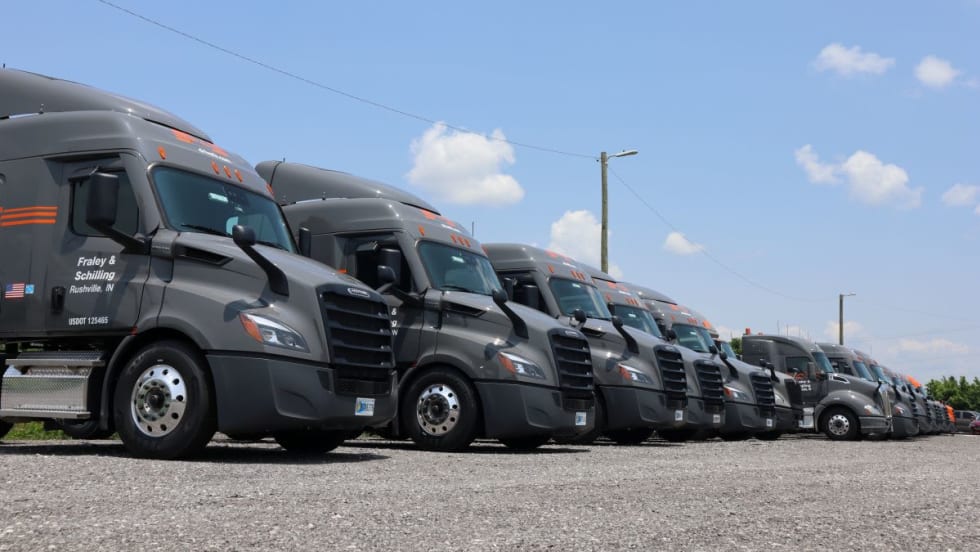
How Fraley & Schilling Improved Logbook Compliance by Over 50%
Fraley & Schilling needed a way to close a compliance workflow gap in its ELD system without adding more work from driver training, reminders, and back-office follow-ups. It found the answer in a custom driver app.
Read More →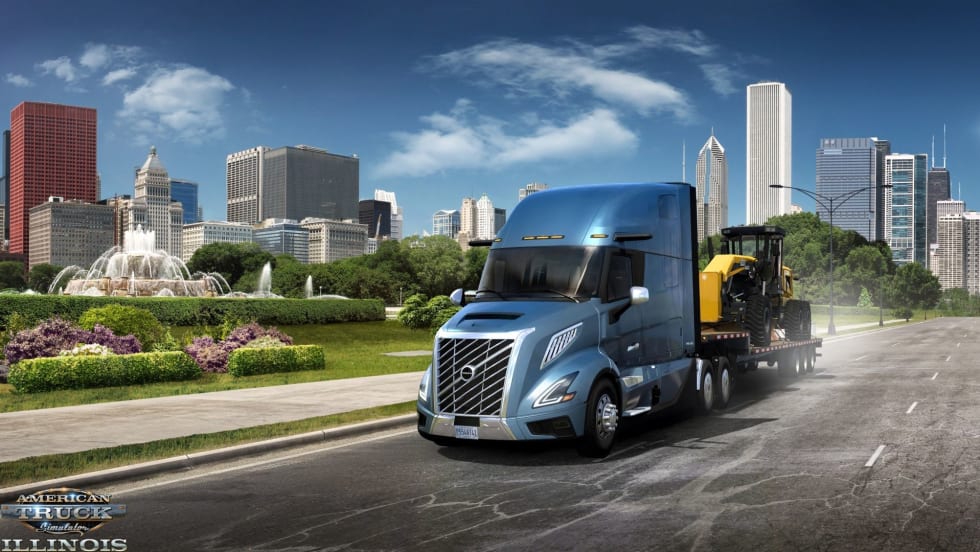
Volvo Goes Gaming
Volvo has roared into American Truck Simulator with two new flagship trucks.
Read More →
What the Best Fleets to Drive For Teach About Driver Retention
Survey fatigue, AI-powered routing, owner-operator expectations, and the decline of social media all emerged as themes from this year's Best Fleets to Drive For program.
Read More →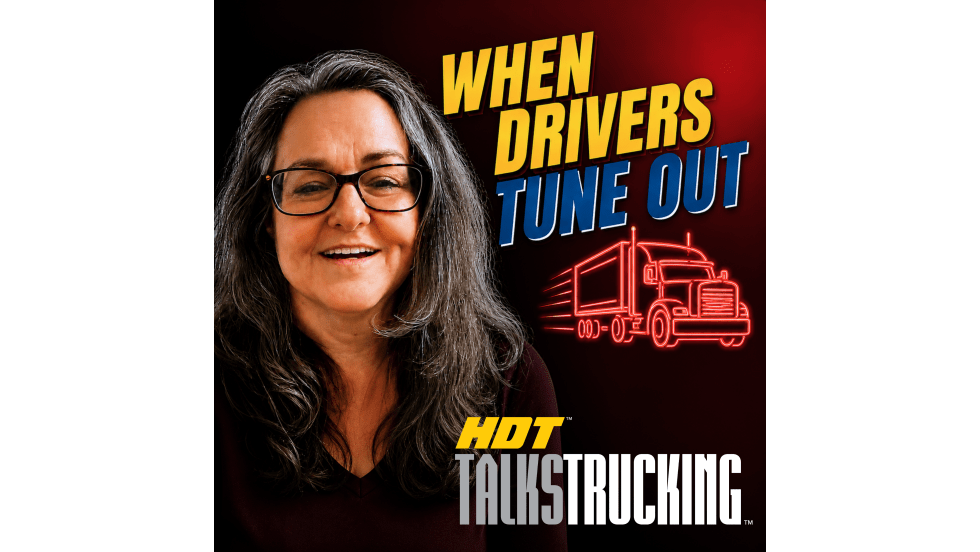
Driver Retention Lessons From the Best Fleets to Drive For
What separates trucking's best workplaces from the rest? Jane Jazrawy shares the biggest lessons from this year's Best Fleets to Drive For program on driver retention, communication, AI, and workforce trends on the HDT Talks Trucking podcast.
Read More →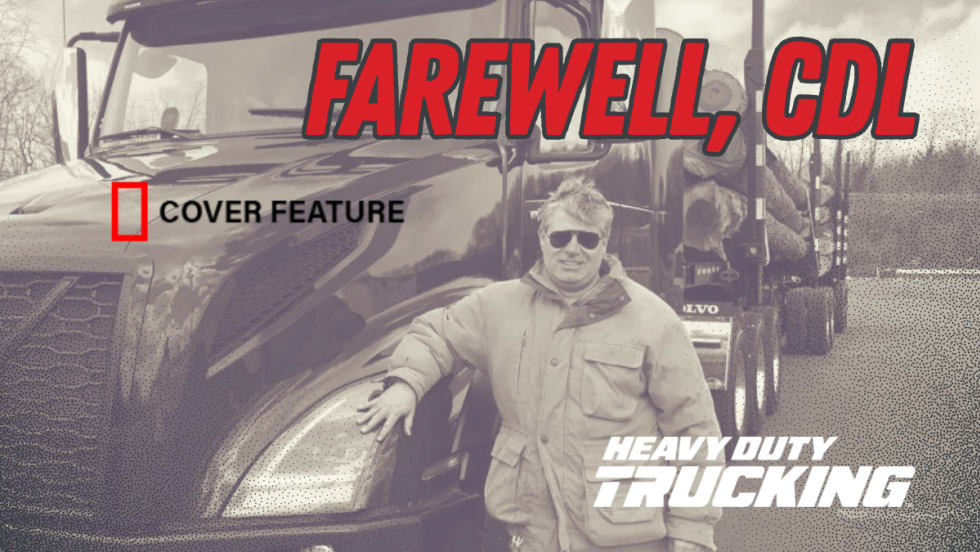
Farewell, CDL: Why I'm Giving Up My Commercial Driver's License
After more than 20 years as a CDL holder, HDT Executive Editor Jack Roberts is letting his commercial license expire. Not because he wants to — but because trucking's nuclear verdict crisis has made the risks of public-road test drives too great for editors, manufacturers, and everyone involved.
Read More →
How Top Trucking Fleets Improve Driver Retention [Video]
What do healthy snacks, optimized routing, and just picking up the phone have in common? They're all strategies the Best Fleets to Drive For are using to retain truck drivers.
Read More →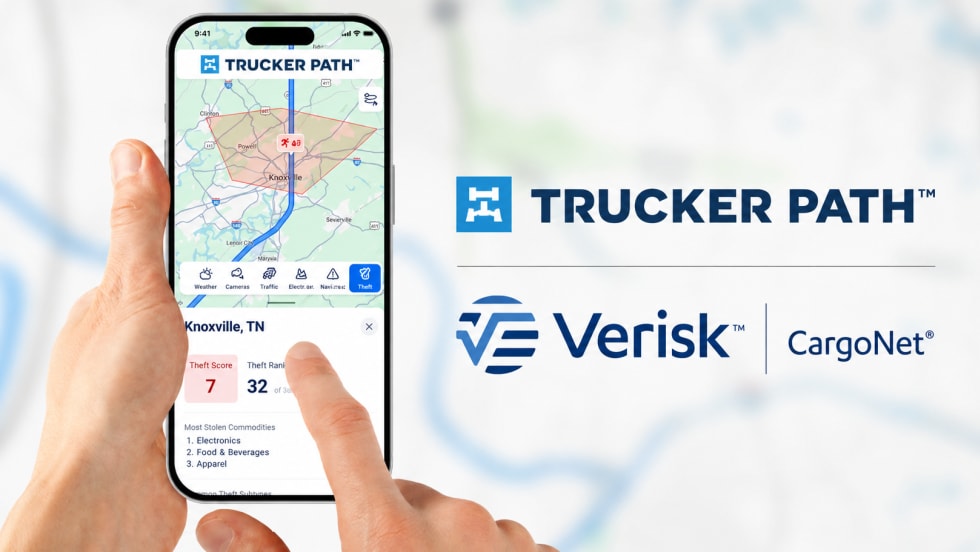
Trucker Path Adds Verisk CargoNet Theft Data to Navigation Platform
Trucker Path’s new cargo theft risk overlays give drivers and fleets visibility into high-risk areas, stolen commodity trends, and theft hotspots.
Read More →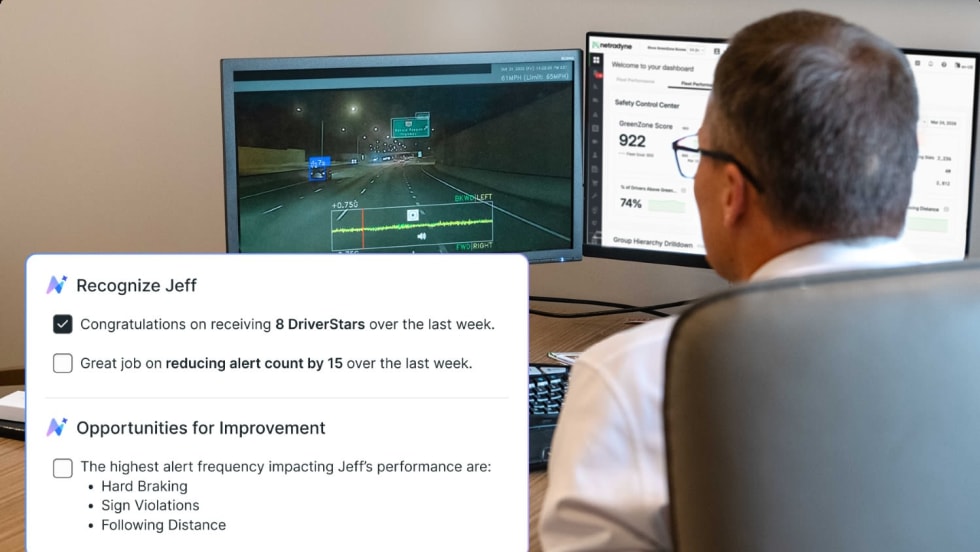
Netradyne Intelligence Uses New AI Agents to Automate Response to In-Cab Camera Data
The company called the next-generation in-cab camera safety platform "a fundamental shift from systems that report on what happened to systems that actively drive what should happen next."
Read More →
Why Truck Detention Keeps Costing Fleets Time and Money
A 2024 ATRI study found detention affects nearly 40% of truckload stops and costs the industry more than $15 billion annually. Despite the toll on drivers, fleets, and supply chains, the problem remains stubbornly persistent.
Read More →