




Top Dealers See Lots of Challenges Ahead
The demand for new trucks may be slowing but it’s the used truck market that worries many of the country’s top dealers. It could be a “catastrophe, an absolute train wreck,” warns James Coles, president of
The demand for new trucks may be slowing but it’s the used truck market that worries many of the country’s top dealers. It could be a “catastrophe, an absolute train wreck,” warns James Coles, president of Seattle based Western Peterbilt Inc. “It may be specific to some brands, but it will injure everyone,” says Coles, who was recently named 2000 Dealer of the Year in a program sponsored by Heavy Duty Trucking and the American Truck Dealers division of the National Automobile Dealers Assn.
He and his fellow nominees for the annual award have slightly differing reasons for the current glut of late model highway tractors, but most agree that the core problem was two years of chasing a boom market with low prices, high trade-in allowances, and merchandising programs too good to pass up.
“There are two laws you cannot defy,” notes Charles Bowen, president of Oklahoma City based Around the Clock Freightliner Group. “One is the law of gravity. The other is the law of supply and demand. We can affect the new and used truck market, but we cannot control it.”
The oversupply has already sent used truck prices plummeting. That, in turn, will likely delay new equipment purchases. “It’s hard to trade trucks with negative equity,” says Frank Goodpasture, Goodpasture Motor Co., Bristol, VA.
But these are seasoned veterans who’ve survived tough times in the past and, to a person, they’re confident that the used truck “crisis”is a temporary one. Longer term, they’re looking at some fundamental changes in the way they do business.
For one thing, consolidation is squeezing the little guys. Goodpasture runs a family-owned business dating back to 1919. He says he’s satisfied with their one-store operation but admits they do feel pinched by the growing number of multi-location dealerships. “To quote George Goble,” he says, “I feel like the world is a tuxedo and I’m a pair of brown shoes.”
Some insist there’s still a place for the small, independent dealer. Bowen in fact envisions the day when large, multi-location operations will function as distributors and the smaller dealers will work with them.
But other say you have to be big to survive. “You have to grow or you’ll be eaten up,” says John Price III , Prince Truck Center, Tifton, GA. The big dealers, he explains, can buy parts and trucks in large quantities and spread the inventory over several locations.
That gives them a tremendous price advantage over a dealer who might have a lot full of trucks purchased one at a time.
Consolidation has also changed their customer base. The big fleets have gotten bigger and have a tremendous appetite for trucks. Years ago, recalls Bowen, he had a customer that ran 625 trucks and that was considered a major fleet. “Today we do deals for 625 trucks,” he says.
Owner-operators have become critical as more carriers realize it’s a way to grow their business without big investments in equipment. And, large or small, today’s truck buyers are general smarter and more experienced. “The trucking industry has tended to weed out those who don’t know what they’re doing,” says Prince.
Customers today not only know trucks but they know finance and the economics of trucking. They’re better educated with more information at their disposal -- through dealerships and, at least someday, on the Internet.
E-commerce has potential but it also has a long ways to go. The most prevalent use, for now anyway, is used truck shopping, says Jon Pritchett, president and CEO of Florida based Nextran Corp. Parts buying will come relatively soon. He doesn’t rule out new truck buying on the Internet but says it’s a long way down the road.
The more immediate opportunity is communications between dealers and manufacturers. Fast, reliable Internet communications could “virtually eliminate” the purchasing and payables functions, says Coles. Sophisticated inventory controls, with automatic parts stocking, will dramatically reduce costs.
One area where opinions are decidedly divided is full-service leasing. Some have purposely stayed out of the business -- and thrived. “We decided to pick our battles elsewhere,” says Prince, noting that several of the major full-service leasing companies have operations within miles of his dealership. “It would have required a huge investment to take them on.”
Some also believe there’s a sizeable market for “unbundled” leasing services, namely finance leasing and contract maintenance. While private fleets remain the primary market for full-service leasing, the technician shortage coupled with high costs for shop equipment and training is causing many for-hire carriers to question the economics of in-house maintenance, says Pritchett. They may still own or possibly finance lease their trucks, but they’re looking to dealers for maintenance -- many through contract arrangements.
Still, dealers must be able to offer their customers the full array of choices, insists William Reilley Sr., Lakeside International Trucks, Brookfield, WI. “Maybe it’s a full-service lease, maybe it’s contract maintenance with ownership, maybe it’s just a part of the maintenance menu such as emergency breakdown service or mobile maintenance. Without options, you really restrict yourself in the marketplace.”
What does today’s dealer have to do to be around five years form now? Invest in good people and good service was the unanimous answer. “Forget about maximizing your profits by running a little store front,” says Reilley. “At some point you can really turn your customers off by trying to keep your costs down.”
Most important, says Coles, tomorrow’s successful dealers will have to have a higher level of understanding and partnership with their clients. “Everybody will be forced to function in a little more intelligent fashion,” he says. “I think the debacle we’re facing with used equipment illustrates some very sad mistakes in the way merchandising was handled. Those methods don’t help anybody-- clients, dealers or manufacturers."
More Aftermarket
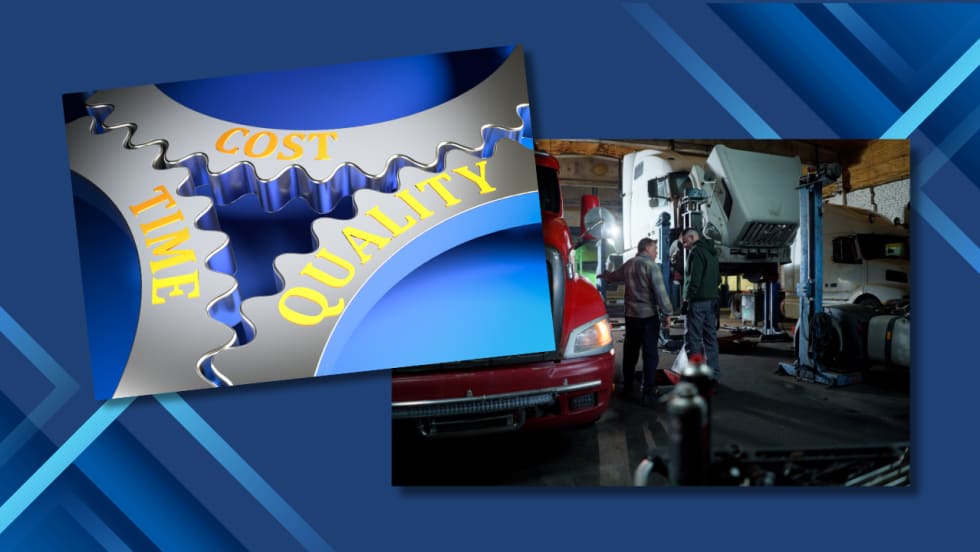
What Three Fleets Are Doing Differently When Buying Truck Parts in 2026
With freight improving but costs still climbing, fleet maintenance executives explain how they're balancing price, quality, and supplier relationships.
Read More →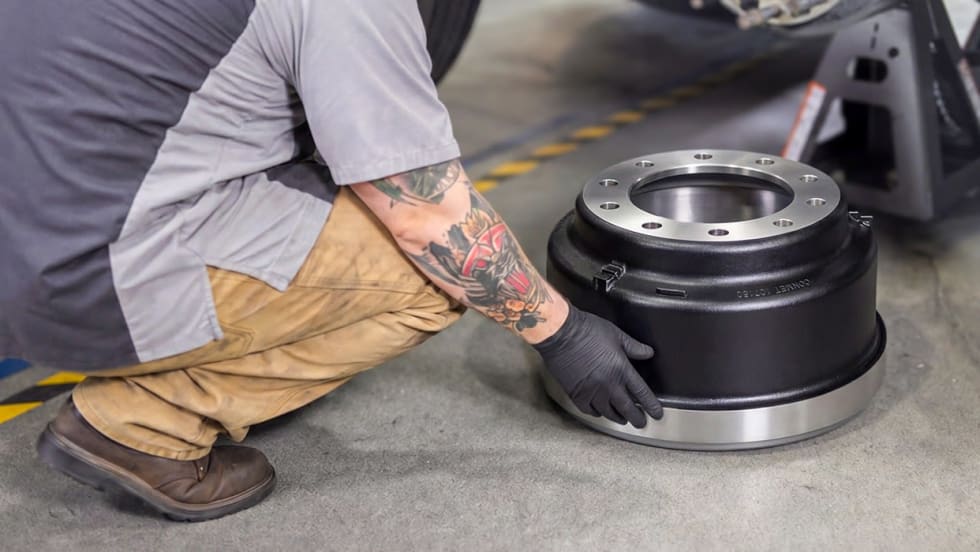
ConMet Expands Aftermarket Brake Drum Lineup With TruCast
A new heavy-duty truck brake drum option in the aftermarket gives customers more flexibility within the ConMet product family.
Read More →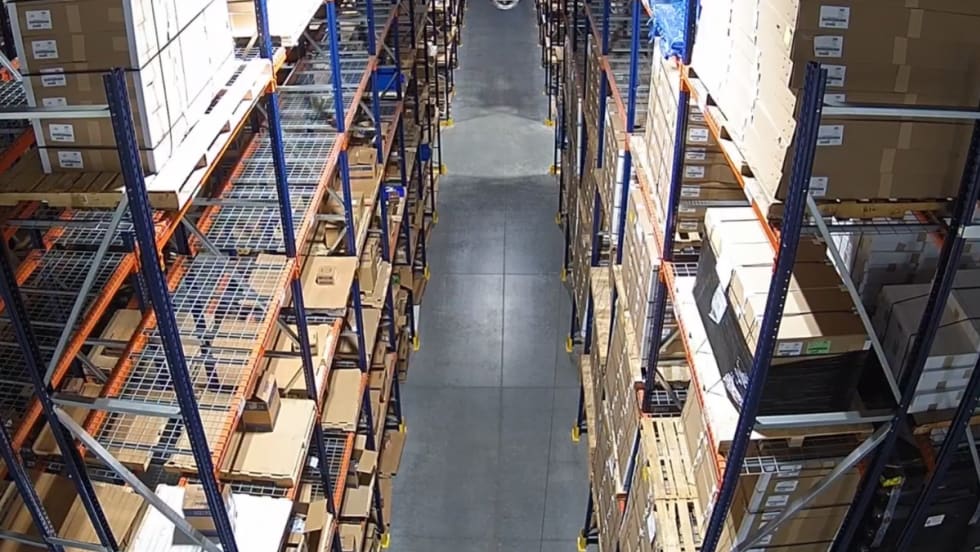
Phillips Opens High-Tech Distribution Center for Faster Parts Delivery
Phillips Industries’ new Cincinnati-area distribution center is now shipping aftermarket trucking parts nationwide, aiming to speed up delivery times for customers.
Read More →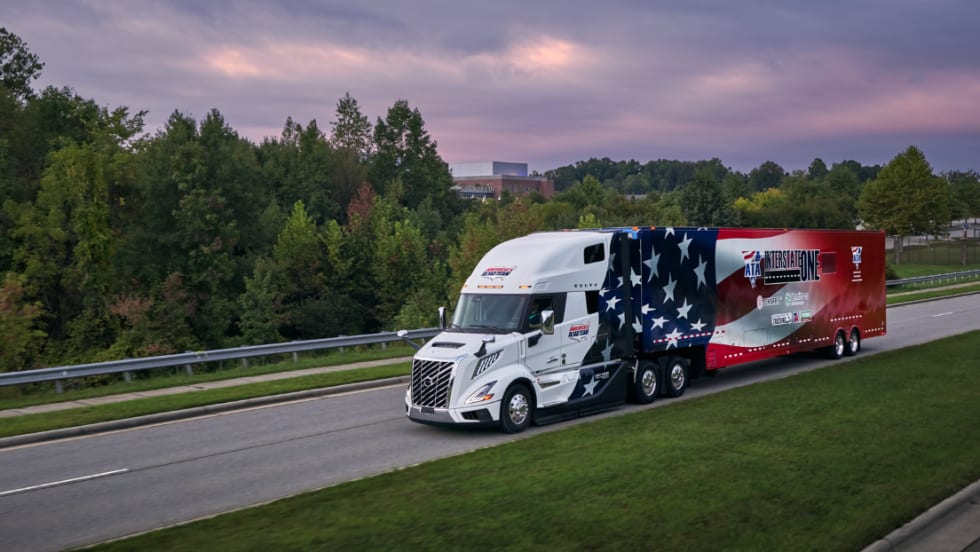
Volvo to Sponsor America’s Road Team for 2025
Volvo Trucks announced that it is extending its exclusive sponsorship of America’s Road Team for 2025.
Read More →
Webb to Start Taking Orders for UltraSet Pre-Adjusted Wheel Hubs
Webb, which recently acquired the Stemco Trifecta pre-adjusted hub program, will soon start taking orders for its replacement pre-assembled hub, the UltraSet.
Read More →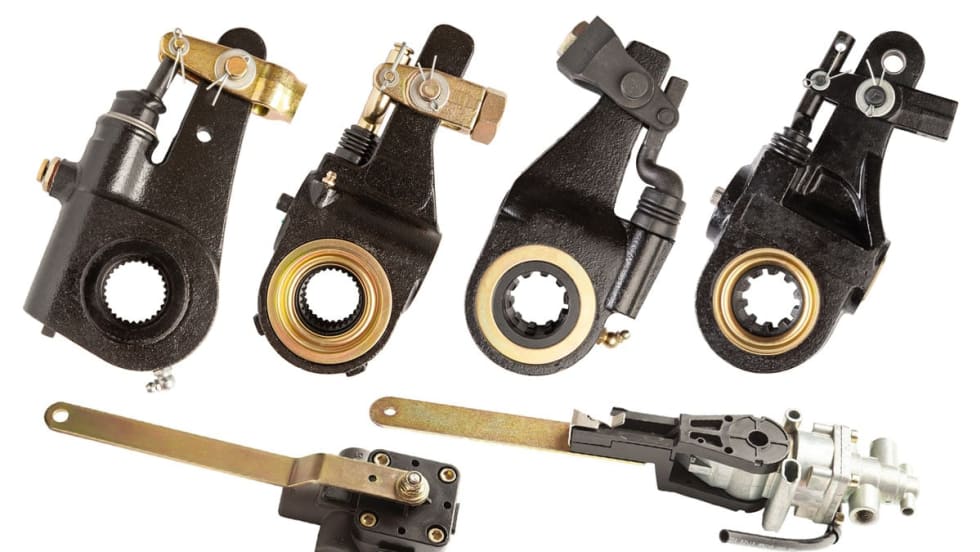
All-Makes Automatic Brake Adjusters, Ride Height Control Valves from Midland
SAF-Holland has added automatic brake adjusters and ride height control valves to its Midland All-Makes Program.
Read More →
ZF Aftermarket Expands [pro]Academy Training
ZF Aftermarket said it is expanding its ZF [pro]Academy training and will be adding 40 new modules this year.
Read More →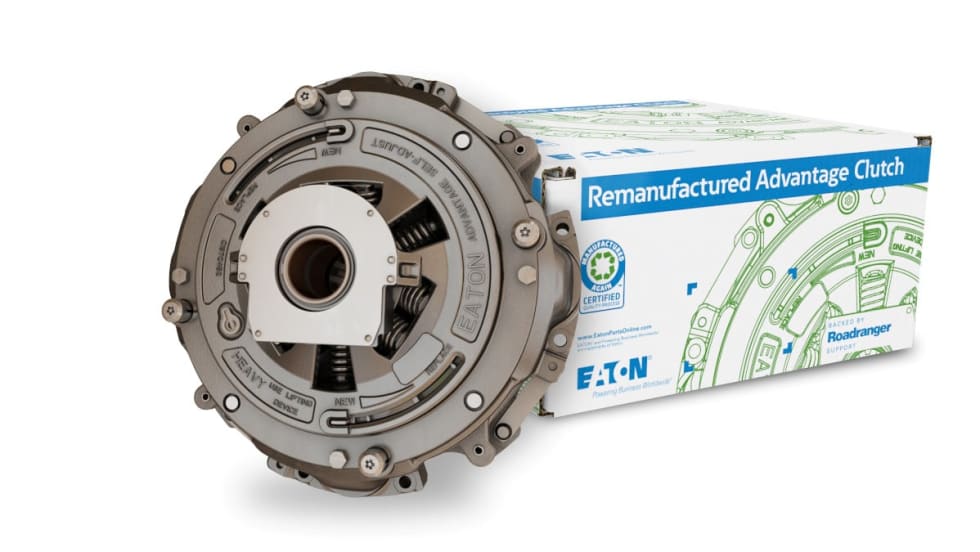
Eaton Adds Remanufactured Advantage Line of Clutches
Eaton has added its Advantage clutches to its remanufactured product line. The clutches feature a unique strap drive intermediate plate designed to allow customers to choose the latest OE specification
Read More →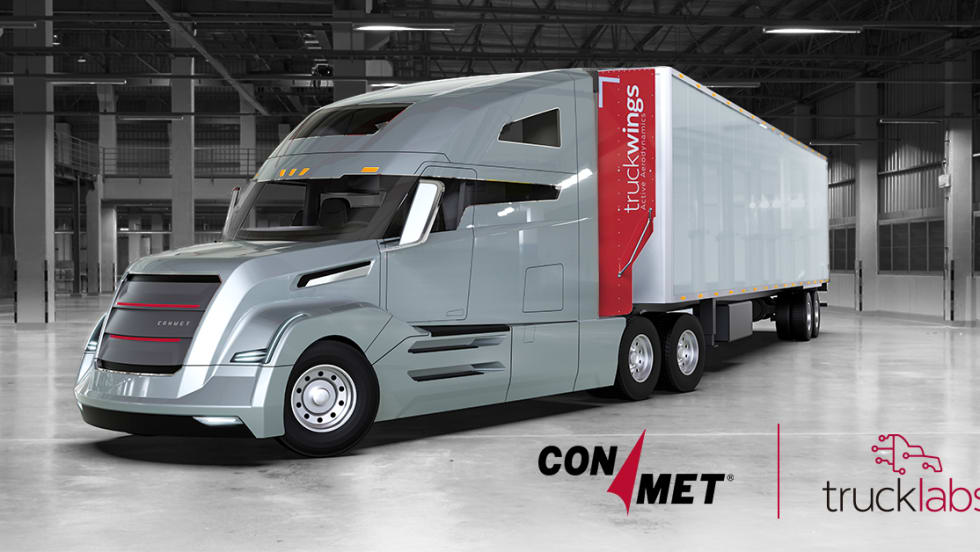
ConMet Acquires TruckLabs, the Creator of TruckWings
Commercial truck and trailer parts provider ConMet acquired TruckLabs, the company that created TruckWings, an aerodynamic device that attaches to truck cabs and deploys to close the gap between truck and trailer. TruckLabs now operates as a subsidiary of ConMet.
Read More →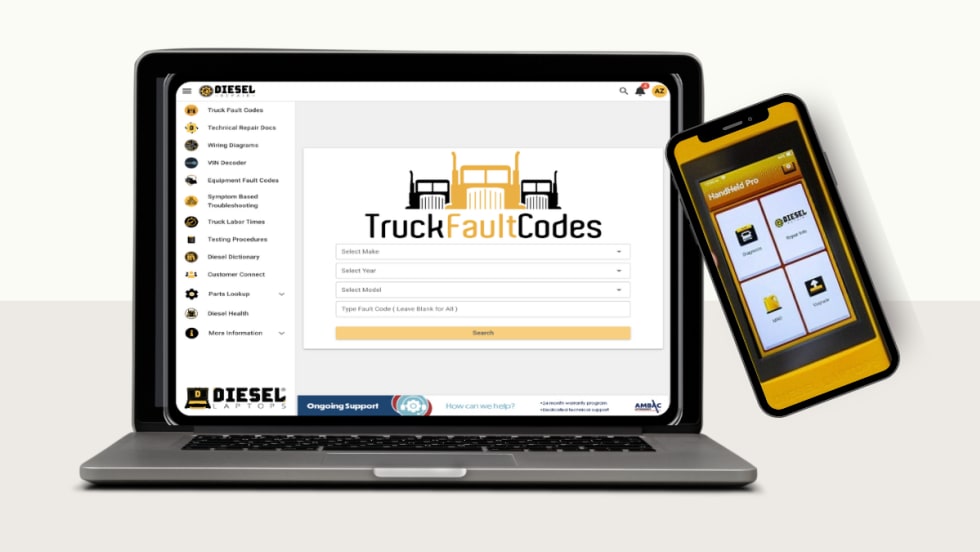
Diesel Laptops Releases Fault-Code-to-Part-Number Tool
Diesel Laptops said its Truck Fault Codes allows users to input a fault code and immediately identify and order the parts needed to complete repair work.
Read More →