




TMC Panel Addresses Emissions Technology
During a technical program at The Maintenance Council’s annual meeting in Nashville last week, a panel of representatives from engine manufacturers talked about the impact of their engine emissions settlement with the EPA and how they may meet upcoming stricter emissions regulations
During a technical program at The Maintenance Council’s annual meeting in Nashville last week, a panel of representatives from engine manufacturers talked about the impact of their engine emissions settlement with the EPA and how they may meet upcoming stricter emissions regulations.
The panel says that the EPA settlement will have no impact at all on an urban-type vehicle, since the engines were designed to meet EPA tests of in-city driving. The manufacturers have had to change the electronics for over-the-highway engines, but say there will be no noticeable impact in fuel economy or performance.
However, there is some potential impact on oil contamination and oil drain intervals. The retarded timing needed to cut the oxides of nitrogen emissions means there will not be full combustion. Some of the unburned fuel will make its way into the oil as soot. The panelists recommended using the premium API CH-4 oils, which were designed to handle higher levels of soot.
The higher levels of soot also may mean that fleets that have been extending their oil intervals may find they have to go back to shorter intervals. The additional soot in the oil could form deposits in the engine, which will severely affect engine life.
For the next big emissions cut in 2002, manufacturers are looking at new technologies for truck engines.
The starting point will be exhaust gas recirculation, or EGR, which has been used for years in passenger cars. The major difference in heavy truck engines is that the exhaust gases will have to be cooled before they are blended into the air stream coming into the turbocharger. This will mean an increased load on the cooling system.
The second alternative they’re studying seriously is exhaust aftertreatment – similar to the catalytic converters found on cars and light trucks. One way to do this on heavy trucks is to use a chemical, actually a fertilizer, called urea. When injected into the exhaust, it turns to ammonia and burns off NOx. However, this would mean adding another small tank on the truck – and there aren’t exactly an abundance of urea pumps at your favorite truckstop.
More Aftermarket

What Three Fleets Are Doing Differently When Buying Truck Parts in 2026
With freight improving but costs still climbing, fleet maintenance executives explain how they're balancing price, quality, and supplier relationships.
Read More →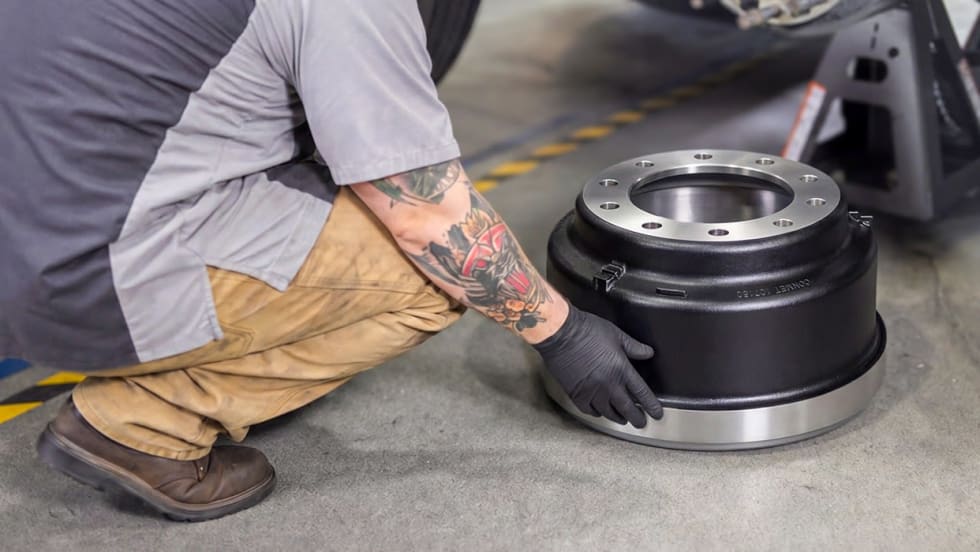
ConMet Expands Aftermarket Brake Drum Lineup With TruCast
A new heavy-duty truck brake drum option in the aftermarket gives customers more flexibility within the ConMet product family.
Read More →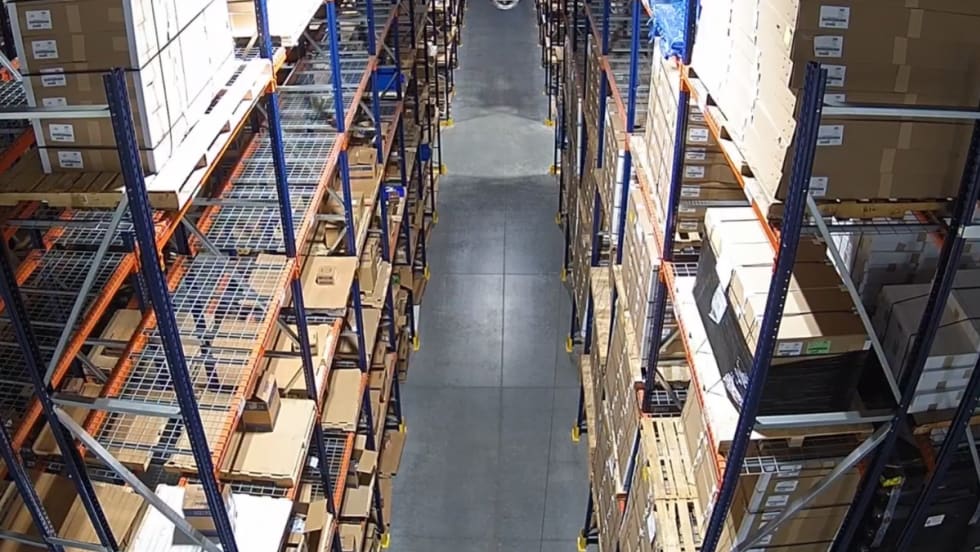
Phillips Opens High-Tech Distribution Center for Faster Parts Delivery
Phillips Industries’ new Cincinnati-area distribution center is now shipping aftermarket trucking parts nationwide, aiming to speed up delivery times for customers.
Read More →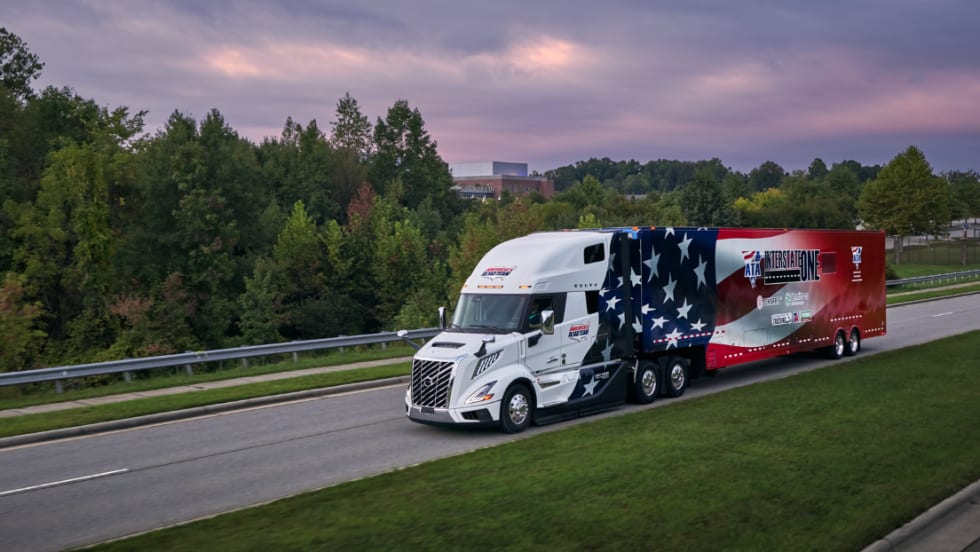
Volvo to Sponsor America’s Road Team for 2025
Volvo Trucks announced that it is extending its exclusive sponsorship of America’s Road Team for 2025.
Read More →
Webb to Start Taking Orders for UltraSet Pre-Adjusted Wheel Hubs
Webb, which recently acquired the Stemco Trifecta pre-adjusted hub program, will soon start taking orders for its replacement pre-assembled hub, the UltraSet.
Read More →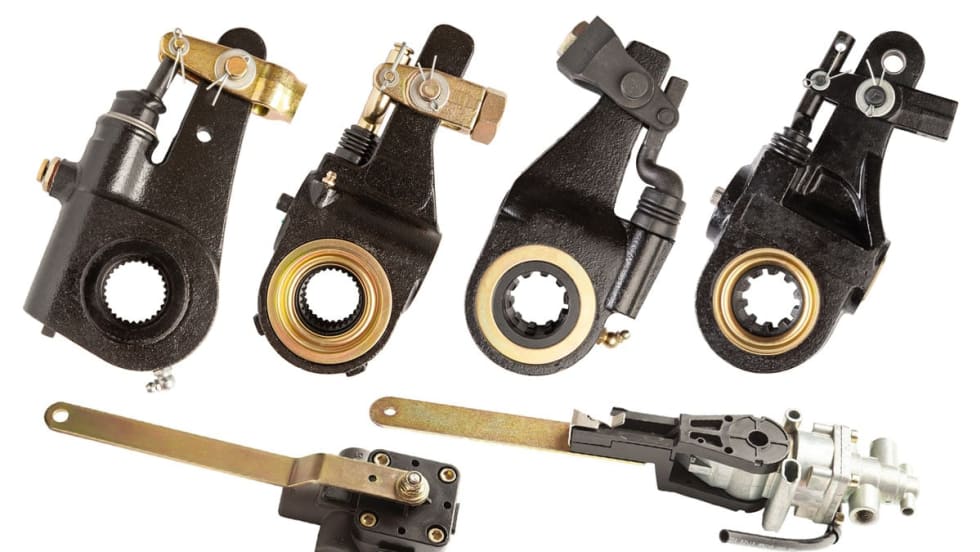
All-Makes Automatic Brake Adjusters, Ride Height Control Valves from Midland
SAF-Holland has added automatic brake adjusters and ride height control valves to its Midland All-Makes Program.
Read More →
ZF Aftermarket Expands [pro]Academy Training
ZF Aftermarket said it is expanding its ZF [pro]Academy training and will be adding 40 new modules this year.
Read More →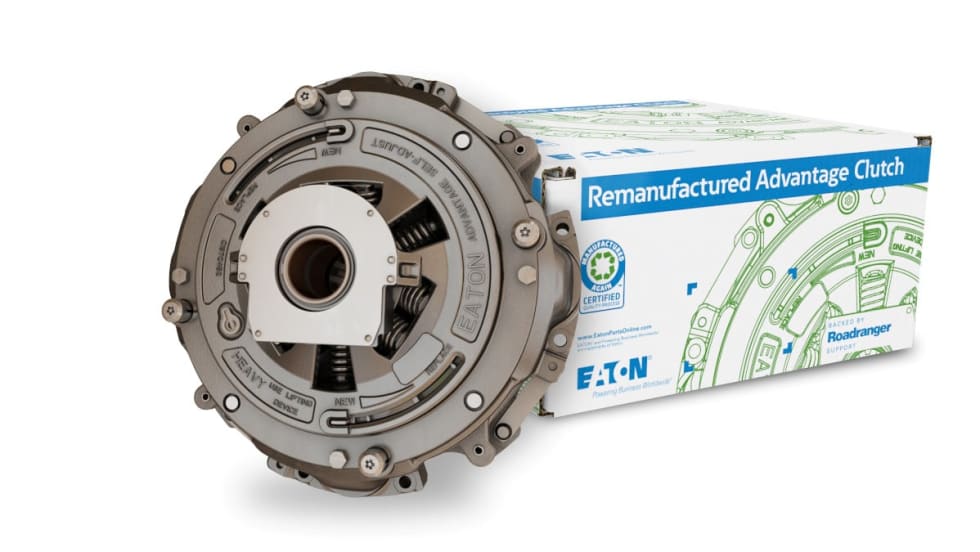
Eaton Adds Remanufactured Advantage Line of Clutches
Eaton has added its Advantage clutches to its remanufactured product line. The clutches feature a unique strap drive intermediate plate designed to allow customers to choose the latest OE specification
Read More →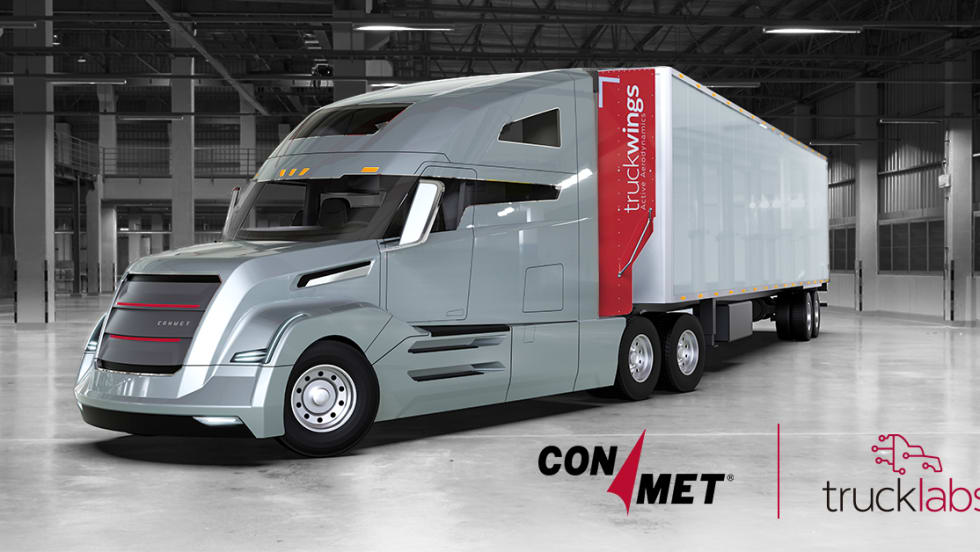
ConMet Acquires TruckLabs, the Creator of TruckWings
Commercial truck and trailer parts provider ConMet acquired TruckLabs, the company that created TruckWings, an aerodynamic device that attaches to truck cabs and deploys to close the gap between truck and trailer. TruckLabs now operates as a subsidiary of ConMet.
Read More →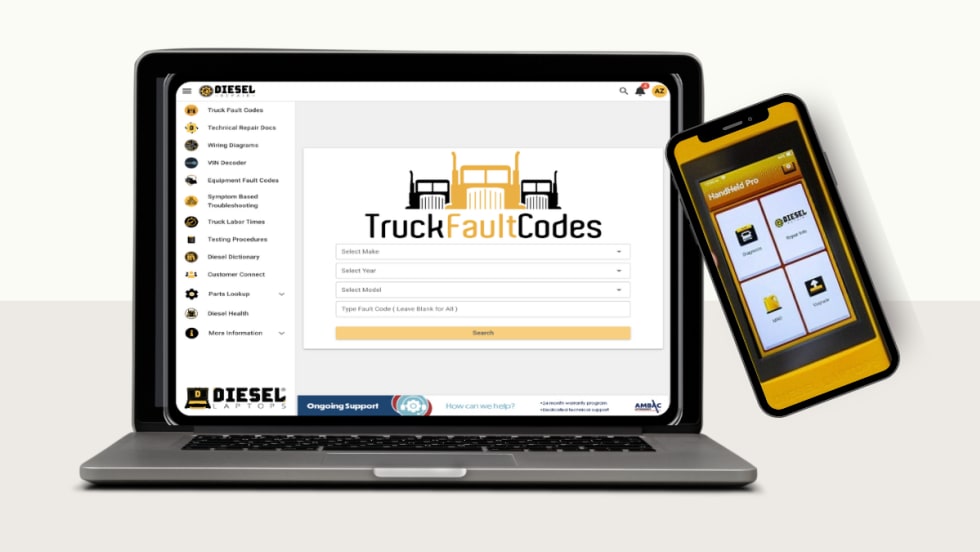
Diesel Laptops Releases Fault-Code-to-Part-Number Tool
Diesel Laptops said its Truck Fault Codes allows users to input a fault code and immediately identify and order the parts needed to complete repair work.
Read More →