




Tire Warning Technology Mandated
Tire pressure warnings will have to be displayed on the dashboards of all motor vehicles - and that includes heavy trucks - within three years. This requirement is hidden away in the Transportation Recall Enhancement, Accountability and Documentation (TREAD) Act
Tire pressure warnings will have to be displayed on the dashboards of all motor vehicles - and that includes heavy trucks - within three years.
This requirement is hidden away in the Transportation Recall Enhancement, Accountability and Documentation (TREAD) Act,
legislation sponsored by Sen. John McCain last year in the wake of the Firestone/Ford Explorer tragedy and subsequent recall. And while this tire warning provision has been in the act since the president signed it into law Nov. 1, it was generally thought to apply only to passenger cars.
But in answer to a question submitted by Newport's tire and wheel editor Peggy Fisher, a National Highway Traffic Safety Administration attorney confirmed the act applies to all vehicles, including heavy trucks.
The TREAD Act deals with company executives' responsibilities in safety recall situations, where the general public is at risk, as well as specifically addressing the rollover performance of vehicles, child safety seats and tires. The act deals with tire issues in several paragraphs, but it is Section 18 that calls for the secretary of transportation to make a rule within 12 months requiring low tire pressure warnings on the dashboards of new motor vehicles. The industry then will have two years to comply.
If the new regulations is not extended or altered, that would mean a rule will have to be made by Nov. 1 of this year, and new vehicles must have tire monitors by Nov. 1, 2003.
Truck tire industry suppliers are generally leased to see this provision apply to heavy trucks. In the main, they see it as a win-win situation, with the mandate enabling several technologies to give truck fleets and owner-operators better tools to manage one of their most expensive operating costs.
"There is a measurable payback," says Gary Schultz, product manager with Dana control systems and the point man in promoting the central tire inflation products originally developed by partner Eaton. "These are things actually good for the industry, and the mandate will make everyone realize the real savings that are out there." Furthermore, because the systems are going to be applied across the board, it will not put any fleet at a financial disadvantage to invest in the technology, which has a payback in as little as a year. "It's going to enable a lot of fleet owners to learn a lot more about where their tier expense lie and far better manage costs," Schultz said.
There are a number of technologies either available today, or waiting in the wings, to provide the necessary information. Technology for tire pressure warning systems has been successfully developed for passenger tires, using radio frequency tags. However, the technology has not yet been successfully developed for trucks because of the greater distances the signals must be transmitted.
However, there is also some resistance to the mandate for driver warnings. Fleets argue there are alternative methods to managing tire inflation that are less costly and don't rely on the driver to take corrective action when a low-pressure warning is given on the dashboard - for instance, using gate readers that can read tire pressure as a truck enters the yard. Low pressure problems can be corrected before the truck goes back out again. Large fleets would have preferred gate readers, because they only would have had to purchase enough for their maintenance locations, rather than the thousands of vehicle systems they will now have to buy.
This provision of the TREAD Act is not a done deal. The regulation must still be written, and the industry will have an opportunity to comment on the proposal before it becomes law.
For more on this issue, see the February 2001 issues of RoadStar and Heavy Duty Trucking magazines.
More Drivers

Competition Heating Up for Truck Drivers
New report reveals rising driver hiring costs, the return of sign-on bonuses, growing AI advantages, and the operational factors shaping driver retention.
Read More →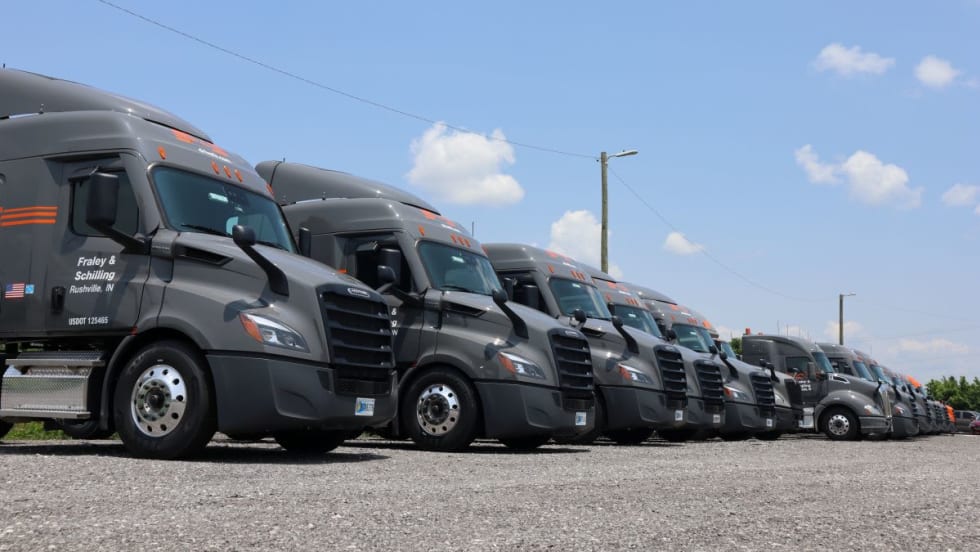
How Fraley & Schilling Improved Logbook Compliance by Over 50%
Fraley & Schilling needed a way to close a compliance workflow gap in its ELD system without adding more work from driver training, reminders, and back-office follow-ups. It found the answer in a custom driver app.
Read More →
Volvo Goes Gaming
Volvo has roared into American Truck Simulator with two new flagship trucks.
Read More →
What the Best Fleets to Drive For Teach About Driver Retention
Survey fatigue, AI-powered routing, owner-operator expectations, and the decline of social media all emerged as themes from this year's Best Fleets to Drive For program.
Read More →
Driver Retention Lessons From the Best Fleets to Drive For
What separates trucking's best workplaces from the rest? Jane Jazrawy shares the biggest lessons from this year's Best Fleets to Drive For program on driver retention, communication, AI, and workforce trends on the HDT Talks Trucking podcast.
Read More →
Farewell, CDL: Why I'm Giving Up My Commercial Driver's License
After more than 20 years as a CDL holder, HDT Executive Editor Jack Roberts is letting his commercial license expire. Not because he wants to — but because trucking's nuclear verdict crisis has made the risks of public-road test drives too great for editors, manufacturers, and everyone involved.
Read More →
How Top Trucking Fleets Improve Driver Retention [Video]
What do healthy snacks, optimized routing, and just picking up the phone have in common? They're all strategies the Best Fleets to Drive For are using to retain truck drivers.
Read More →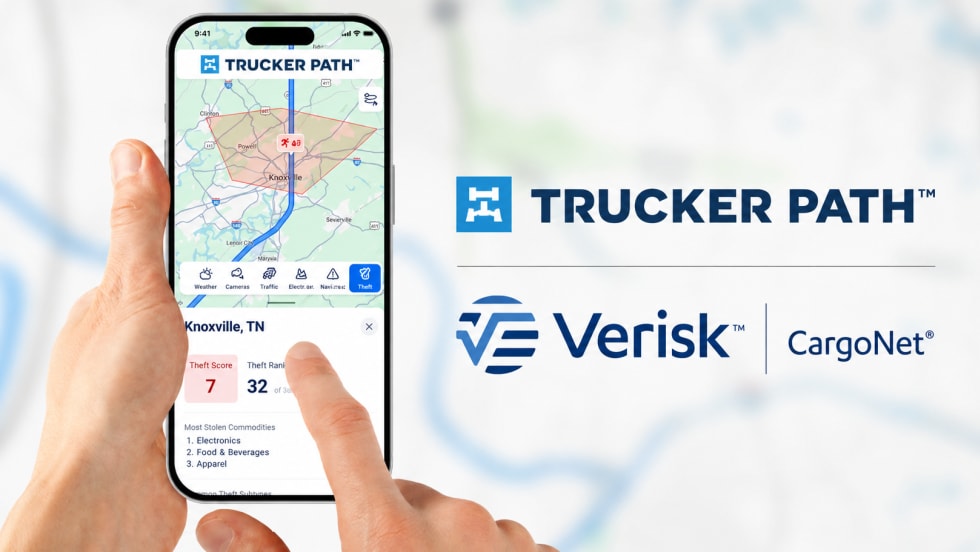
Trucker Path Adds Verisk CargoNet Theft Data to Navigation Platform
Trucker Path’s new cargo theft risk overlays give drivers and fleets visibility into high-risk areas, stolen commodity trends, and theft hotspots.
Read More →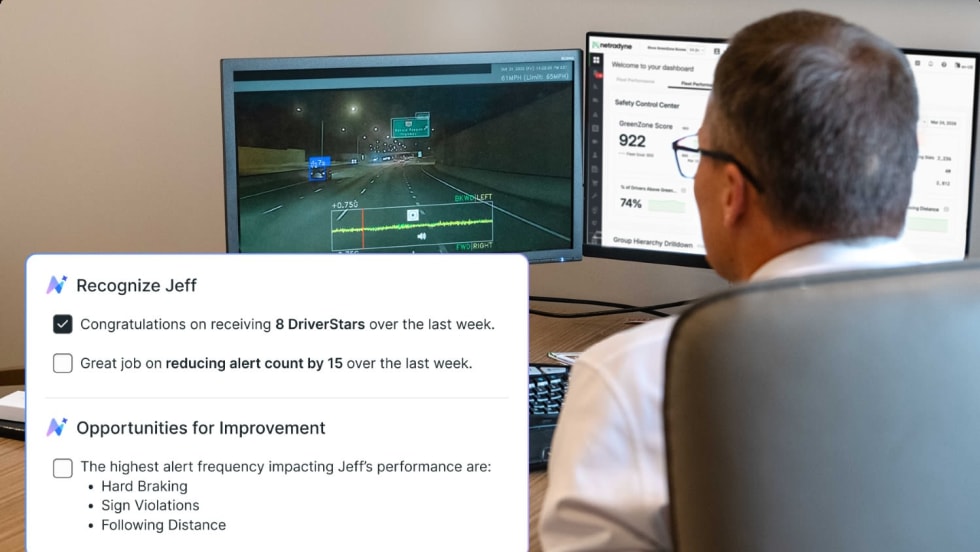
Netradyne Intelligence Uses New AI Agents to Automate Response to In-Cab Camera Data
The company called the next-generation in-cab camera safety platform "a fundamental shift from systems that report on what happened to systems that actively drive what should happen next."
Read More →
Why Truck Detention Keeps Costing Fleets Time and Money
A 2024 ATRI study found detention affects nearly 40% of truckload stops and costs the industry more than $15 billion annually. Despite the toll on drivers, fleets, and supply chains, the problem remains stubbornly persistent.
Read More →