




Thermo King Sets Up Network of Drop Yards
The yards can be used for a "nominal" fee by almost all truckers, whether or not they're TK customers.

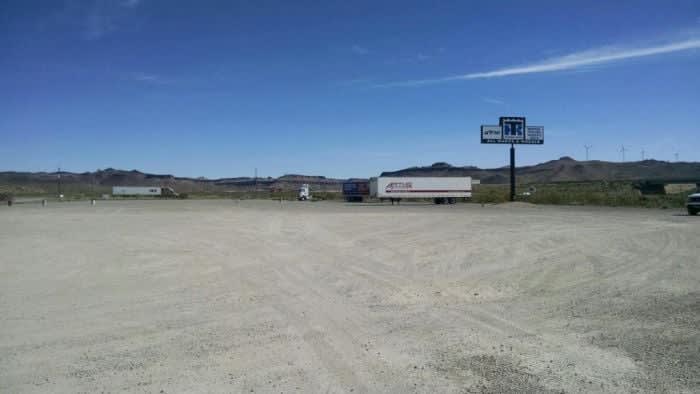
One of the 2,250 drop yards in Thermo King’s program is owned by the TK dealer in Kingman, Ariz., where 11 acres is devoted to parking. Regular customers include Artur Trucking, US Foods and local operators. Photo courtesy of Thermo Kiing
One of the 2,250 drop yards in Thermo King’s program is owned by the TK dealer in Kingman, Ariz., where 11 acres is devoted to parking. Regular customers include Artur Trucking, US Foods and local operators. Photo courtesy of Thermo Kiing
Working with its dealers, Thermo King has set up a network of drop yards where truckers can temporarily park trailers during rest breaks and other times where drivers need only their tractors.
There are 2,250 yards around the U.S, all at or near Thermo King dealers and service loactions and many fenced and secured, said Gayatri Abbot, director, smart products and telematics. Locations are listed on a TK smart-phone application, and using that, drivers and dispatchers can confirm an available parking space.
The service is available for a “nominal” fee to all truckers, whether Thermo King customers or not, she said. Almost any type of trailer can be parked, as can tractors if truckers need to.
The drop yard service is part of TK’s efforts to help drivers and aid fleets to retain them, Abbot said. The current shortage of 30,000 drivers is expected to climb to 300,000 by 2020. Retention is a major challenge, and the cost of replacing a driver averages $8,000.
Thermo King’s efforts include using telematics for remote diagnostics and fast repairs and service at dealers, and to monitor en route temperatures and protect food products. Tracking of the refrigeration unit also shows fleet managers where the units and trailers are and what’s being done with them. That can result in better asset management.
More Drivers

Truck Drivers Need More Than Another Alert
Fleets have more visibility into truck health, safety events, and driver activity than ever. The next challenge is turning all that information into useful guidance for the person who has to decide what to do next.
Read More →
FMCSA Removes 110 Truck Driver Training Schools from Certified ELDT List
Federal regulators also are targeting more than 160 additional training providers and launching a nationwide audit of third-party CDL skills testers as part of a broader crackdown on trucking fraud.
Read More →
Hours of Service Pilot Programs: FMCSA Readies for 2027 Rollout
Two pilot programs could eventually reshape hours-of-service rules, giving truck drivers options to pause their 14-hour clock or use longer split sleeper rest periods.
Read More →
Medical Cards, English Proficiency Reshape Roadcheck Violations
Medical-card violations jumped to the top of the driver out-of-service list during CVSA’s 2026 International Roadcheck, while English-language proficiency violations appeared among the leading violations for the first time.
Read More →
Driver Trust Can Make or Break the Success of Fleet Safety Technology
New Teletrac Navman research suggests that onboarding, transparency about driver data, and positive feedback can play a significant role in how commercial drivers respond to safety and coaching technology.
Read More →
EEOC Sues KLLM Over Alleged Sex Discrimination in Driver Training
KLLM is facing a federal sex-discrimination lawsuit over policies the EEOC alleges put female truck driver trainees at a disadvantage.
Read More →
FMCSA Moves to Codify English Language Requirements for Commercial Drivers
By changing regulations on English-language proficiency requirements for commercial drivers, rather than relying on a guidance memo, the FMCSA said future administrations won't be able to walk back the Trump administration's stricter enforcement with just a memo.
Read More →
Drivers Put Western Star Trucks to the Test at Star Nation Experience
Watch to get an inside look at the Western Star trucks, technology, and community behind the Star Nation Experience 2026!
Read More →
Trump Administration Looks to Put More Veterans Behind the Wheel
The Freedom Haulers program pulls together existing and expanded programs at several federal agencies to recruit veterans to drive commercial heavy-duty trucks and cut the red tape for them to get a CDL, training, and employment.
Read More →
Putting Mack’s Command Steer to the Test
A test drive of Mack’s Command Steer active steering system evaluates how it can make truck driving easier and less tiring.
Read More →