




The Hours Delay: A Sigh of Relief All Around
It will be at least another year, and probably longer, before we see final action on hours of service reform, and practically everyone says that’s a good thing
It will be at least another year, and probably longer, before we see final action on hours of service reform, and practically everyone says that’s a good thing.
Last Friday Congress approved a compromise that permits the Federal Motor Carrier Safety Administration to continue working on its reform proposal, and issue a supplemental proposal, but prevents the agency from issuing a final rule until after Oct. 1, 2001.
The compromise involved a legislative proposal pushed by American Trucking Assns. that would have prohibited the safety agency from doing any work at all on this or any similar proposal for a year.
“We’re pleased with the outcome,” said Julie Anna Cirillo, acting assistant administrator of the Federal Motor Carrier Safety Administration. “The decision is important because it enables us to keep moving forward. If we had to close down, it would have . . . significantly delayed the rule.”
Asked if there is any advantage to the delay, Cirillo said it is unlikely the agency could have finished a rule before next October anyway.
She also said that she got useful information out of the roundtable discussions on the rule that wrapped up last Friday.
Particularly useful, she said, were the discussions about the cost of the proposal (See "Round and Round at the Hours of Service Roundtable," Sept. 26, 2000) and the concerns of specific segments.
“The roundtables were successful and worthwhile,” she said. “Having done them, I would do them again.”
Cirillo revealed that FMCSA officials had begun talking about holding roundtables even before the early-summer field hearings were completed. It was obvious early on, she indicated, that the agency needed more information.
Industry spokesmen at the roundtable applauded the delay in the final rule.
“The compromise buys us time,” said Patrick Quinn, co-chairman of U.S. Xpress.
Cliff Harvison, president of the National Tank Truck Carriers, observed that, in effect, nothing has changed.
“Nobody reasonably anticipated that (FMCSA) could finish the rule before next fall, with or without legislation,” he said. “The legislation preserves the status quo.”
Timothy Lynch, president of the Motor Freight Carriers Assn., told us, “We did not want a rule in undue haste. Any delay is a plus.”
Jim Johnston, president of the Owner-Operators Independent Drivers Assn.: “It was a wise decision.
“It is good that they did not kill the process,” Johnston added. “At least we can move forward. This gives the rule writers a chance to develop workable rules.”
Lane Kidd, president of the Arkansas Trucking Assn., echoed Lynch’s concern about undue haste – then noted that the trucking industry has been advocating hours of service reform for 25 years. “Now we have a process under way. Without the process continuing, we could not keep things moving.”
In an exchange during the final moments of Friday’s roundtable, Charles Whittington, president of Grammer Industries, explained that his company and others are now signing service contracts with customers for next year. He is worried, he said, that a new hours of service rule will emerge that could force him to alter his contracts.
“We need to know when it’s coming,” he said.
Cirillo replied, “I would feel confident to sign a contract for next year.”
Cirillo also tried to indicate what the industry can expect from the process. The agency will continue to accept public comments until Dec. 15. She said agency staff have begun categorizing the 50,000 comments that have been filed so far.
Between now and next October, the agency can request more information, or issue a supplemental notice – which could amount to a substantive rewrite of the proposal.
One suggestion on the table is to unplug the electronic onboard recorder requirement and issue it as a separate proposal.
Cirillo indicated she does not expect any substantive action before late spring. Besides the work of reviewing the docket, the agency will have to deal with a change in presidential administrations, and with its own reorganization.
“We will keep you informed,” Cirillo said.
More Drivers

Competition Heating Up for Truck Drivers
New report reveals rising driver hiring costs, the return of sign-on bonuses, growing AI advantages, and the operational factors shaping driver retention.
Read More →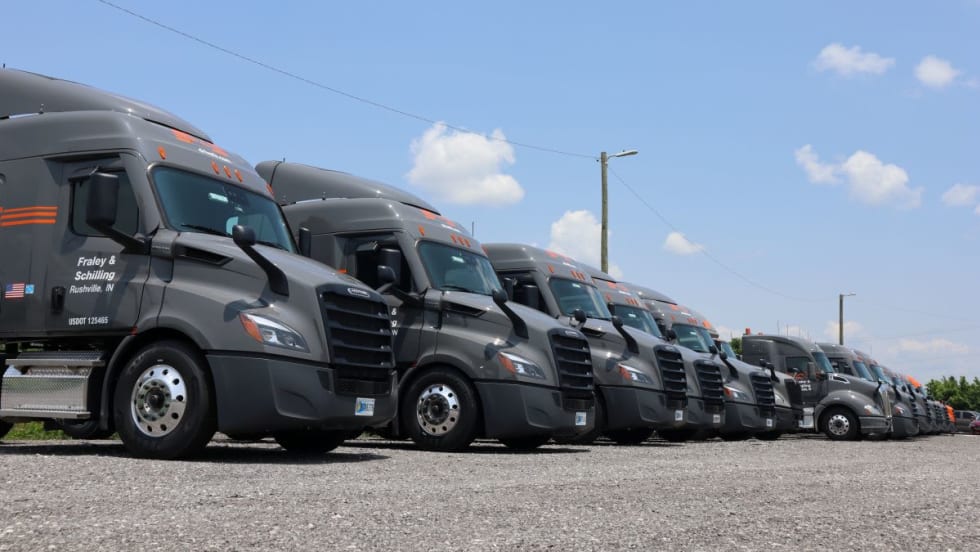
How Fraley & Schilling Improved Logbook Compliance by Over 50%
Fraley & Schilling needed a way to close a compliance workflow gap in its ELD system without adding more work from driver training, reminders, and back-office follow-ups. It found the answer in a custom driver app.
Read More →
Volvo Goes Gaming
Volvo has roared into American Truck Simulator with two new flagship trucks.
Read More →
What the Best Fleets to Drive For Teach About Driver Retention
Survey fatigue, AI-powered routing, owner-operator expectations, and the decline of social media all emerged as themes from this year's Best Fleets to Drive For program.
Read More →
Driver Retention Lessons From the Best Fleets to Drive For
What separates trucking's best workplaces from the rest? Jane Jazrawy shares the biggest lessons from this year's Best Fleets to Drive For program on driver retention, communication, AI, and workforce trends on the HDT Talks Trucking podcast.
Read More →
Farewell, CDL: Why I'm Giving Up My Commercial Driver's License
After more than 20 years as a CDL holder, HDT Executive Editor Jack Roberts is letting his commercial license expire. Not because he wants to — but because trucking's nuclear verdict crisis has made the risks of public-road test drives too great for editors, manufacturers, and everyone involved.
Read More →
How Top Trucking Fleets Improve Driver Retention [Video]
What do healthy snacks, optimized routing, and just picking up the phone have in common? They're all strategies the Best Fleets to Drive For are using to retain truck drivers.
Read More →
Trucker Path Adds Verisk CargoNet Theft Data to Navigation Platform
Trucker Path’s new cargo theft risk overlays give drivers and fleets visibility into high-risk areas, stolen commodity trends, and theft hotspots.
Read More →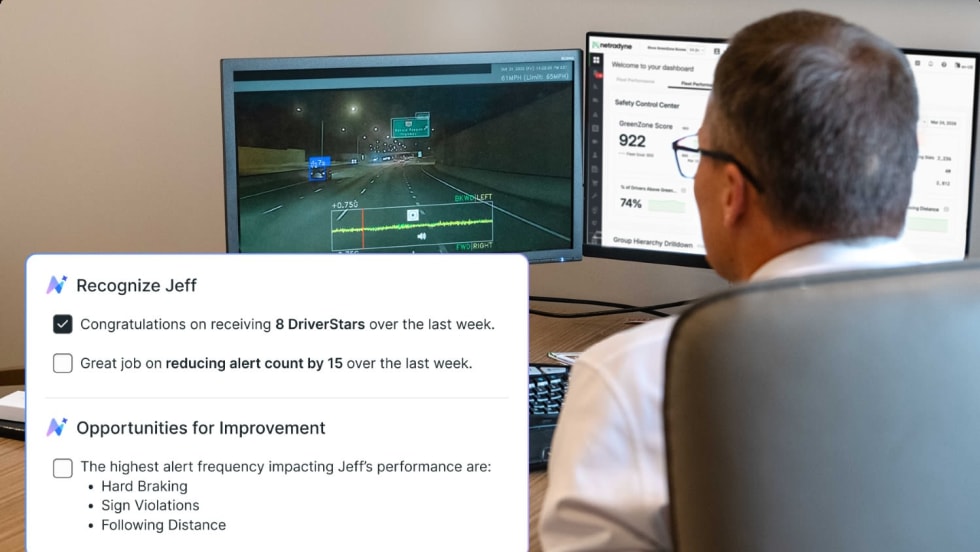
Netradyne Intelligence Uses New AI Agents to Automate Response to In-Cab Camera Data
The company called the next-generation in-cab camera safety platform "a fundamental shift from systems that report on what happened to systems that actively drive what should happen next."
Read More →
Why Truck Detention Keeps Costing Fleets Time and Money
A 2024 ATRI study found detention affects nearly 40% of truckload stops and costs the industry more than $15 billion annually. Despite the toll on drivers, fleets, and supply chains, the problem remains stubbornly persistent.
Read More →