




Technology Key to Keeping Up With Regulatory Environment
The technologies fleets use and deploy are critically important to the success of their businesses, especially in light of today's regulatory environment, said Bill Graves, president and CEO of the American Trucking Associations
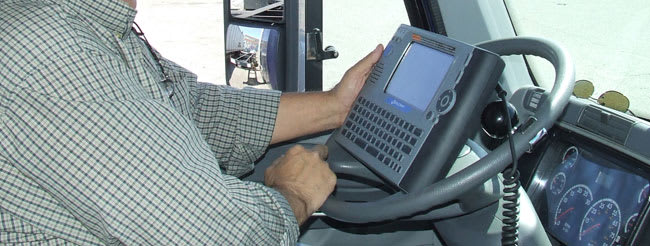
The technologies fleets use and deploy are critically important to the success of their businesses, especially in light of today's regulatory environment, said Bill Graves, president and CEO of the American Trucking Associations.
Graves gave an outlook of the regulations affecting the trucking industry Tuesday during the PeopleNet User Conference 2010 in Boca Raton, Fla.
According to Graves, the industry is going to continue to be squeezed by the regulatory atmosphere as well as environmental and labor issues. "Every one of those pressure points has a cost to it," he said.
If a carrier's going to survive in this heightened regulatory state, they need to be smart about how they do business and make sure they have everything in place to operate more efficiently, Graves said.
During his presentation, Graves put a map of the U.S. up on the screen representing the upcoming Senate races. Graves rattled off the states that have seats open and the names of some of the hopefuls that may fill those seats. He said that if the Republicans take the Senate, and there's a chance they will, this would be good for the business community and trucking in particular. The Obama Administration would have to reach across the table for a more bipartisan approach.
CSA 2010
Graves emphasized that the Federal Motor Carrier Safety Administration's CSA 2010 safety plan is an opportunity for the industry to get on the right side of the issue of safety. "If it's done properly, it helps us get the bad actors off the road."
The industry was concerned that the FMCSA would overreach with this regulation. One concern is the system's inability to assign fault for crash data that gets put into the system. Crashes will show up in a carrier's record, whether or not the carrier is at fault. Graves also brought up the issue of warnings, which are scored the same as citations. ATA was also concerned about FMCSA's use of a carrier's number of power units, rather than vehicle miles traveled as a measure of exposure.
But the FMCSA has taken steps to address some of these concerns. Recently, the agency announced a change to its approach to measuring exposure in two of the BASICs, Unsafe Driving and the Crash Indicator, changing from a calculation based just on the number of power units to one based on a combination of power units and vehicle miles traveled.
The agency also said that these two categories will no longer use power units to establish the group the carrier is in. The Crash Indicator category will use the number of crashes, and the Unsafe Driving category will use the number of inspections with a violation.
The power-unit count also will be dropped from the Controlled Substances/Alcohol category. The exposure measurement there will be the number of relevant inspections.
Graves said the Aug. 16 date for when carriers will be able to see their performance data will give companies a better idea of whether they're being properly characterized.
Hours of Service
The final rulemaking on the hours of service rule is expected by July 2011, Graves said. The advocacy organizations and constituencies that are fighting to get driver hours down are aligned with the current administration, he said. We'll know more about what might be in the rule at the first of November.
The industry may have made a strategic mistake in not jumping on electronic logging sooner, as this could have provided a trade-off in negotiating hours of service, he said. If we have gotten more aggressive on logs, "it might have paid huge dividends."
On the topic of a broader EOBR mandate, it's not a matter of if, but when, he added.
Other Legislative Factors
Graves also touched a few other regulatory issues that could impact the trucking industry, including fuel efficiency standards. These standards are going to be cost drivers for the industry, as we're going to have to pay more for trucks, engines, tire pressure monitoring systems, aerodynamic devices, etc.
Graves believes the climate change legislation introduced by Sens. John Kerry (D-Mass.) and Joe Lieberman (I-Conn.) has run its course. He says it's basically a tax and a way to make fuel more expensive.
More Aftermarket
What Three Fleets Are Doing Differently When Buying Truck Parts in 2026
With freight improving but costs still climbing, fleet maintenance executives explain how they're balancing price, quality, and supplier relationships.
Read More →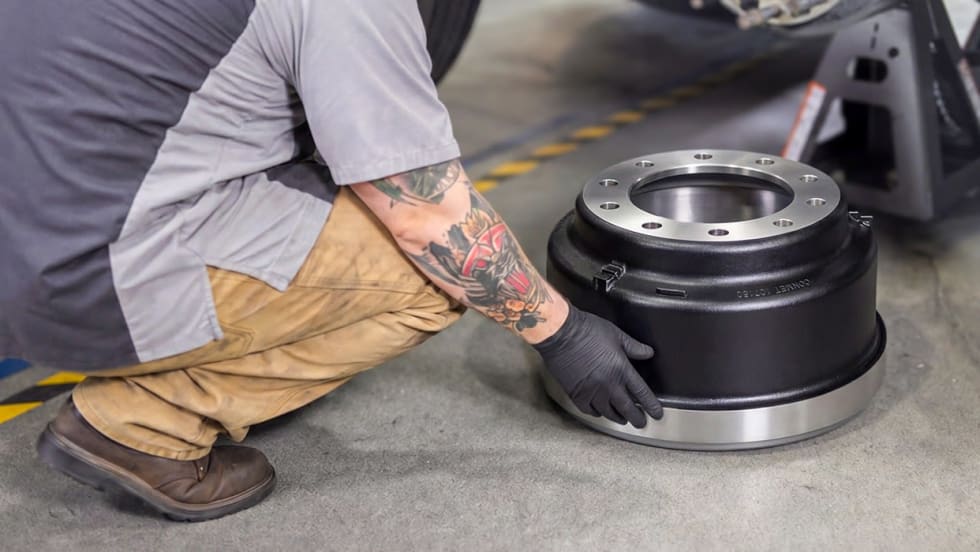
ConMet Expands Aftermarket Brake Drum Lineup With TruCast
A new heavy-duty truck brake drum option in the aftermarket gives customers more flexibility within the ConMet product family.
Read More →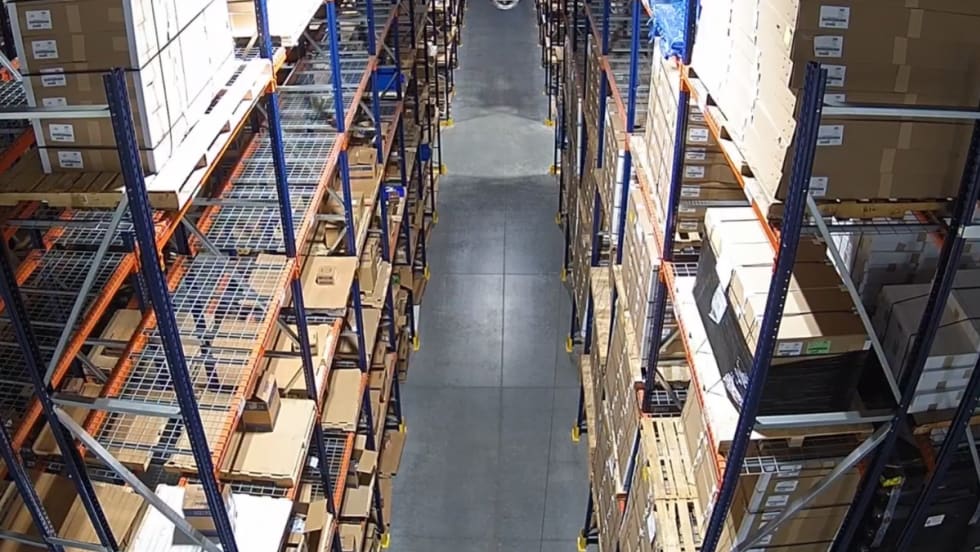
Phillips Opens High-Tech Distribution Center for Faster Parts Delivery
Phillips Industries’ new Cincinnati-area distribution center is now shipping aftermarket trucking parts nationwide, aiming to speed up delivery times for customers.
Read More →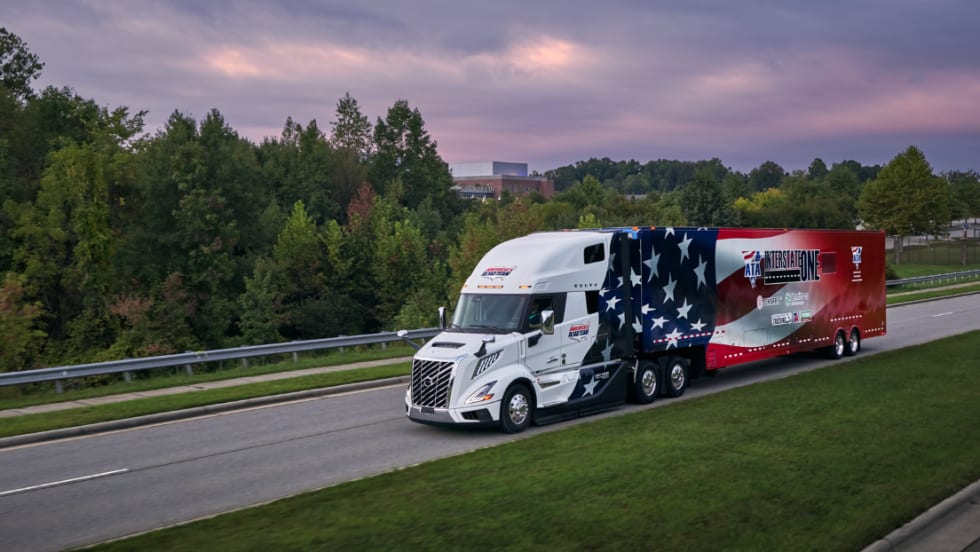
Volvo to Sponsor America’s Road Team for 2025
Volvo Trucks announced that it is extending its exclusive sponsorship of America’s Road Team for 2025.
Read More →
Webb to Start Taking Orders for UltraSet Pre-Adjusted Wheel Hubs
Webb, which recently acquired the Stemco Trifecta pre-adjusted hub program, will soon start taking orders for its replacement pre-assembled hub, the UltraSet.
Read More →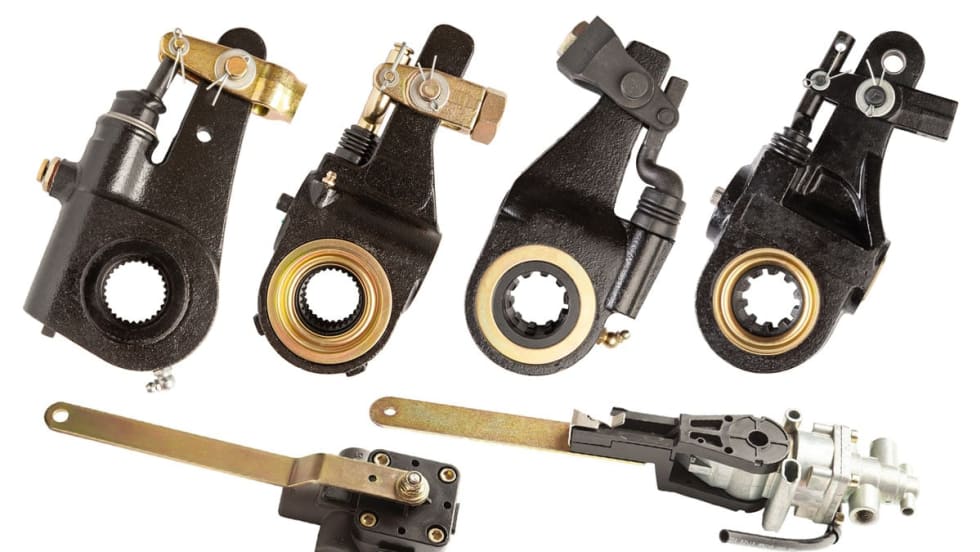
All-Makes Automatic Brake Adjusters, Ride Height Control Valves from Midland
SAF-Holland has added automatic brake adjusters and ride height control valves to its Midland All-Makes Program.
Read More →
ZF Aftermarket Expands [pro]Academy Training
ZF Aftermarket said it is expanding its ZF [pro]Academy training and will be adding 40 new modules this year.
Read More →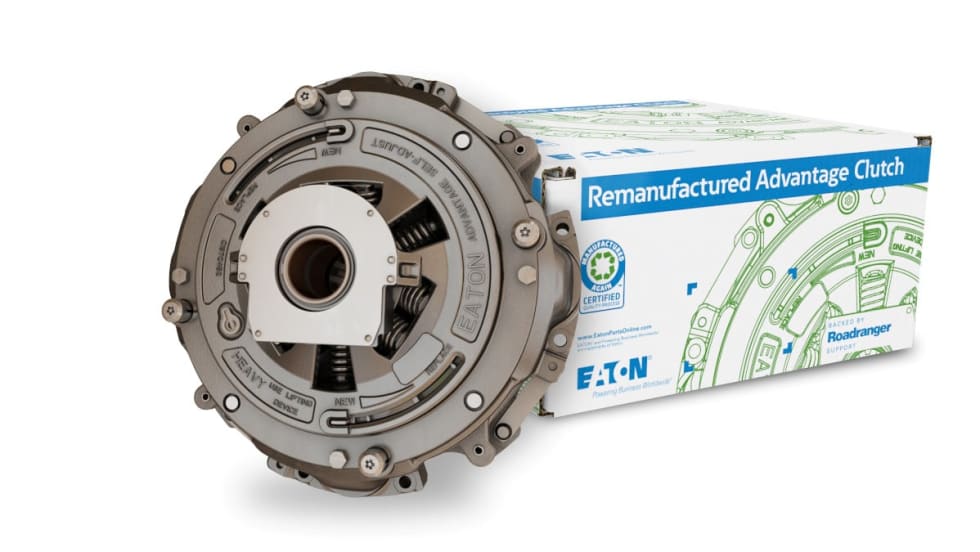
Eaton Adds Remanufactured Advantage Line of Clutches
Eaton has added its Advantage clutches to its remanufactured product line. The clutches feature a unique strap drive intermediate plate designed to allow customers to choose the latest OE specification
Read More →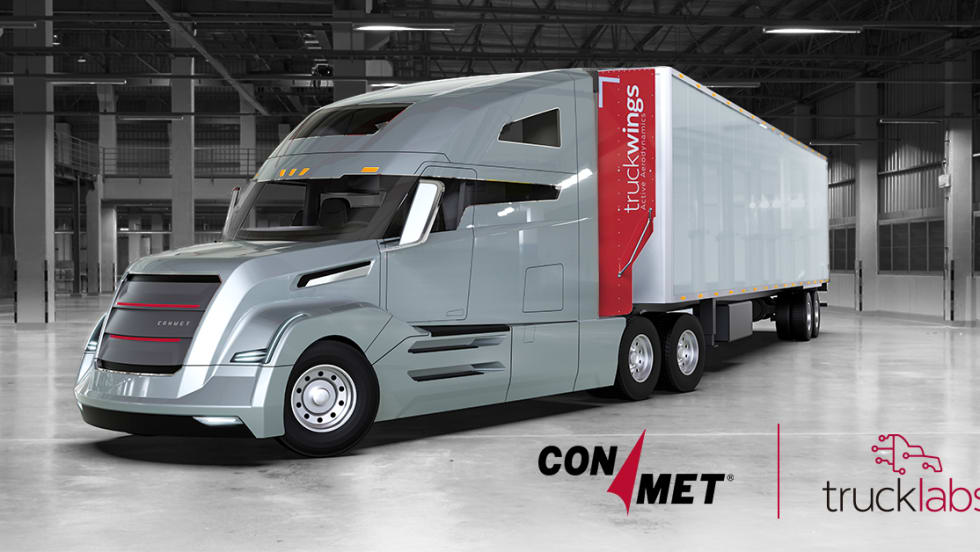
ConMet Acquires TruckLabs, the Creator of TruckWings
Commercial truck and trailer parts provider ConMet acquired TruckLabs, the company that created TruckWings, an aerodynamic device that attaches to truck cabs and deploys to close the gap between truck and trailer. TruckLabs now operates as a subsidiary of ConMet.
Read More →
Diesel Laptops Releases Fault-Code-to-Part-Number Tool
Diesel Laptops said its Truck Fault Codes allows users to input a fault code and immediately identify and order the parts needed to complete repair work.
Read More →