




Technology Behind the Scenes to Grow
The trucking industry can expect technology that's used behind the scenes to grow in the years ahead, according to Ken Weinberg, vice president of Carrier Logistics Inc. These "less sexy technologies" that are used to move freight and load trucks more efficiently will gain traction, he says
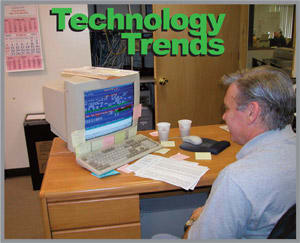
(Photo courtesy of CLI)
The trucking industry can expect technology that's used behind the scenes to grow in the years ahead, according to Ken Weinberg, vice president of Carrier Logistics Inc. These "less sexy technologies" that are used to move freight and load trucks more efficiently will gain traction, he says.
Such technology includes better dock scanning systems, automated forklifts, electronic shipping labels and RFID (radio-frequency identification) technology, he adds. RFID will eventually become ubiquitous, Weinberg says.
"[RFID] is here; it's just waiting for the price to come down."
CLI recently held its Annual User Group Meeting in White Plains, N.Y., where Weinberg and other industry stakeholders discussed technology trends and addressed the future of trucking technology.
While technology has traditionally been an area that has been overlooked in the trucking industry, Weinberg says it is now seeping into all areas of a carrier's operation, as a way to reduce their costs in a competitive marketplace. Technology enhancements, such as the move to the Web, have allowed carriers to improve productivity and efficiency as well as be more customer-centric.
The Move Toward Automation
Technology has also allowed carriers to eliminate paper and the manpower needed to perform certain tasks, according to Keith Wilson, president of Titan Freight Systems, a Milwaukie, Ore.-based carrier. In his opening address at the Meeting, Wilson told attendees of his view of the future where the Internet rather than people will manage trucking systems, from dispatch to payment, without so much as a phone call or a person's action.
Wilson cited Amazon.com's sales model and Walmart's RFID detectors as examples of how commerce is "all about data and replenishing product. Carriers will have to be good at moving data," Wilson said. "The Internet will take over all aspects of our lives and mobile devices will eventually replace desktops."
Weinberg echoes Wilson's view that data will transmit more electronically in the future, as systems will be able to communicate to each other. Having systems talking to each other results in less errors and faster movement of data, he says. "Why don't we let the systems talk to each other?"
According to Weinberg, the savings of this will not come from reducing dispatchers, but it will allow dispatchers to spend more time managing the people on the street. Without these systems, dispatchers are task-oriented, with little time to manage. "The answer is to get people to manage better," he says.
Avoid the Bleeding Edge
"It's nice to be on the leading edge, but [carriers] should not be on the bleeding edge," warns Weinberg.
When considering a new technology, Weinberg says carriers need to evaluate whether the solution really has merit for the company. For some, being first on the block to implement a technology can provide an ego boost, but you have to have the resources to properly support and fund the technology, Weinberg cautions. Being on the leading edge also involves taking into account the difficulties of using a technology. "You win on some; you lose on others."
Craig Lis, CLI manager of marketing communications, recommends carriers attend conferences and industry events as a way to network with other people about technology. Weinberg says some people are afraid to share competitive ideas, but working with peers can be a way to shortcut the development time and reduce the risks.
More Aftermarket

What Three Fleets Are Doing Differently When Buying Truck Parts in 2026
With freight improving but costs still climbing, fleet maintenance executives explain how they're balancing price, quality, and supplier relationships.
Read More →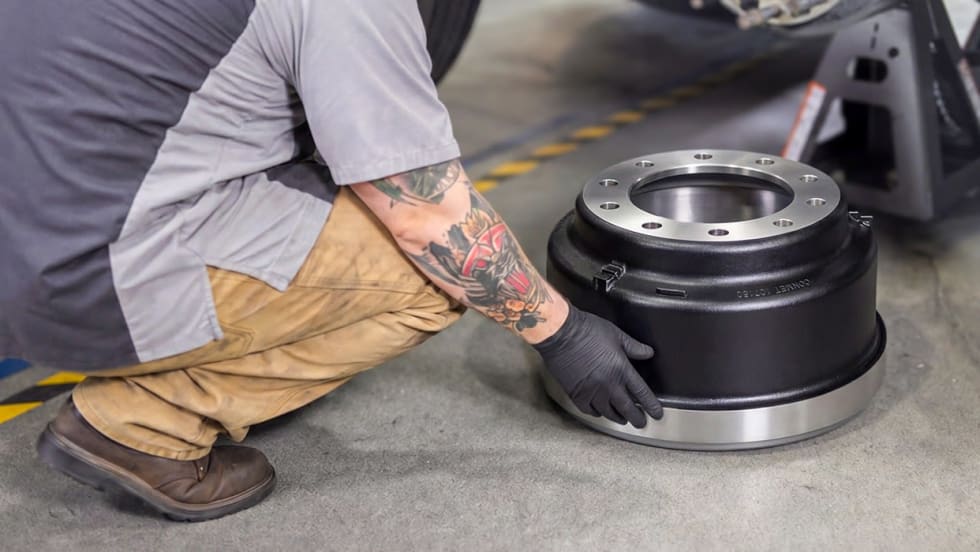
ConMet Expands Aftermarket Brake Drum Lineup With TruCast
A new heavy-duty truck brake drum option in the aftermarket gives customers more flexibility within the ConMet product family.
Read More →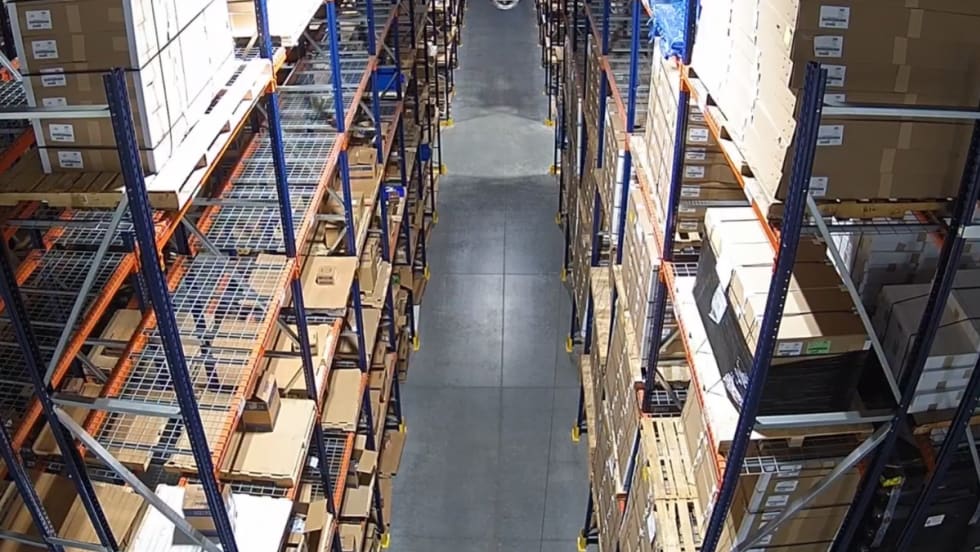
Phillips Opens High-Tech Distribution Center for Faster Parts Delivery
Phillips Industries’ new Cincinnati-area distribution center is now shipping aftermarket trucking parts nationwide, aiming to speed up delivery times for customers.
Read More →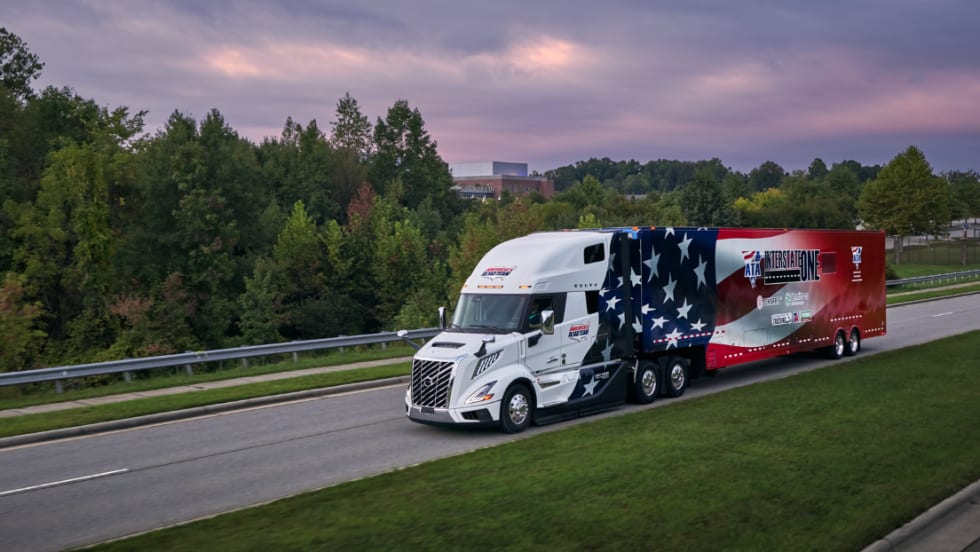
Volvo to Sponsor America’s Road Team for 2025
Volvo Trucks announced that it is extending its exclusive sponsorship of America’s Road Team for 2025.
Read More →
Webb to Start Taking Orders for UltraSet Pre-Adjusted Wheel Hubs
Webb, which recently acquired the Stemco Trifecta pre-adjusted hub program, will soon start taking orders for its replacement pre-assembled hub, the UltraSet.
Read More →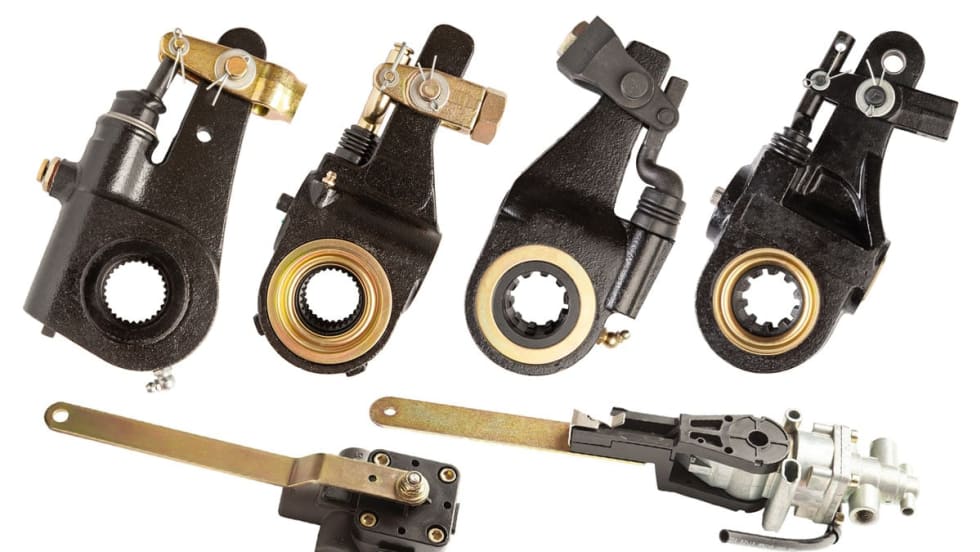
All-Makes Automatic Brake Adjusters, Ride Height Control Valves from Midland
SAF-Holland has added automatic brake adjusters and ride height control valves to its Midland All-Makes Program.
Read More →
ZF Aftermarket Expands [pro]Academy Training
ZF Aftermarket said it is expanding its ZF [pro]Academy training and will be adding 40 new modules this year.
Read More →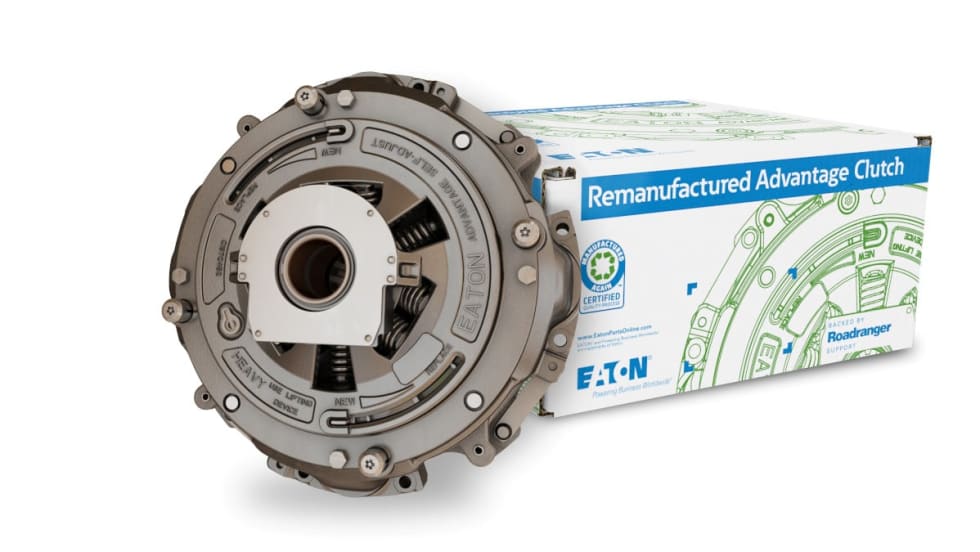
Eaton Adds Remanufactured Advantage Line of Clutches
Eaton has added its Advantage clutches to its remanufactured product line. The clutches feature a unique strap drive intermediate plate designed to allow customers to choose the latest OE specification
Read More →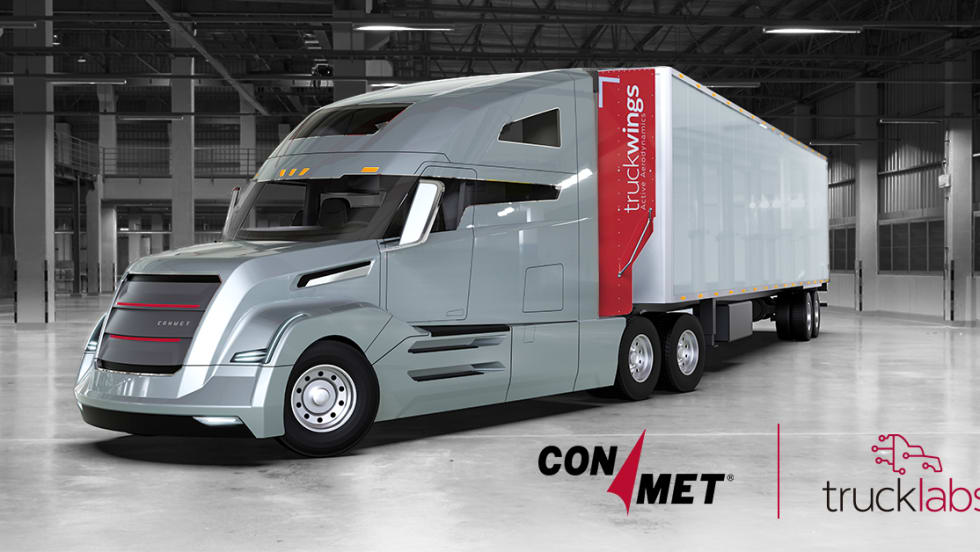
ConMet Acquires TruckLabs, the Creator of TruckWings
Commercial truck and trailer parts provider ConMet acquired TruckLabs, the company that created TruckWings, an aerodynamic device that attaches to truck cabs and deploys to close the gap between truck and trailer. TruckLabs now operates as a subsidiary of ConMet.
Read More →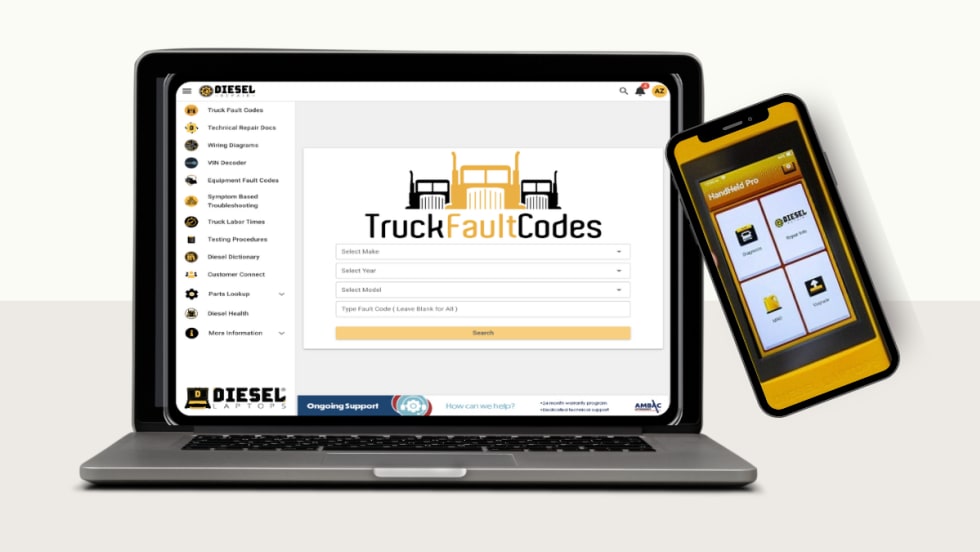
Diesel Laptops Releases Fault-Code-to-Part-Number Tool
Diesel Laptops said its Truck Fault Codes allows users to input a fault code and immediately identify and order the parts needed to complete repair work.
Read More →