




TCP: Capacity Crunch, Improved Rates Are in the Cards
Truckload carriers nationwide have greater confidence that business will improve in the year ahead, with 70 percent expecting volumes to increase in the next year and just over 50 percent predicting improvements in rates in the next year

Limiting speed is one of the key strategies fleets will use to improve profitability going forward.
Truckload carriers nationwide have greater confidence that business will improve in the year ahead, with 70 percent expecting volumes to increase in the next year and just over 50 percent predicting improvements in rates in the next year.
The data is part of Transport Capital Partners' recent Business Expectations Survey, which was presented by TCP Managing Partner Lana Batts during a conference call hosted by Stifel Nicolaus Friday.
During the call, Batts provided listeners with a positive outlook for the trucking industry in the year ahead. "The capacity crunch has already started," she said. In her conversations with carrier executives at the Truckload Carriers Association's annual meeting, she found that fleets are already overbooked and did very well in February, despite it historically being a low month.
Batts told listeners to expect rates to start going up around May of this year. "I think May will come on like gangbusters."
According to TCP's survey, about 55 percent of large and small carriers said their rates have stabilized in the last three months. Meanwhile, the number of fleets who have seen rates decrease in the last three months was down to about 35 percent.
Adding Capacity
Batts also presented some of the uncertainties still facing the industry, including when fleets will add capacity. While there was a slight boost in the number of fleets adding capacity from the September 2009 survey, there are more fleets indicating that they will not only wait until the economy improves to add capacity, but they are also waiting on rates to improve and the fleet to be fully utilized, Batts said.
"It makes absolutely zero sense to buy new trucks. The economics is just not there."
And fleets are not buying new trucks, especially with 2010 vehicles averaging $117,000, Batts said. In 2009, there were only 95,000 units Class 8 units sold, the lowest since 1982.
If carriers aren't adding new trucks, how will capacity be added? Batts said almost 30 percent of fleets surveyed will rely on independent contractors for capacity. "Where will the contractors come from?" Batts asked. "It's not immaculate conception, and you can't will them." She stressed that if the fleets themselves cannot buy trucks, these independent contractors are going to have an even harder time.
Limiting Truck Speed
One way fleets can reduce rolling capacity, Batts said, is by reducing speed, an issue that is going to become much more significant in the year ahead. These days, carriers are driving slower or at least considering it, especially because it's going to be the number one issue facing fleets with the Comprehensive Safety Analysis 2010, or CSA 2010, the Federal Motor Carrier Safety Administration's new stringent safety program.
According to Batts, a 5 mph reduction in speed can save half a gallon of fuel. Going from 68 mph to 63 mph can produce a 2 to 3 percent reduction in rolling capacity, she added. The survey found that 75.4 percent of fleets are improving fuel economy by limiting truck speeds in their effort to improve profitability.
Small Carrier Woes
While things seem to be looking up for larger carriers, smaller carriers were less optimistic in TCP's survey. About 18.5 percent of small carriers (under $25 million) indicated that rates had increased over the last three months. Batts attributes this to the fact that more are using brokers.
In addition, more smaller fleets are facing liquidation, with almost 25 percent of small carriers considering exiting the transportation industry if tonnage doesn't pick back up in the next six months. About 35 percent of the smaller carriers are interested in selling their company in the next 18 months, compared to about 25 percent of larger fleets (over $25 million).
"It has been a tough, tough climb," Batts said.
More Aftermarket
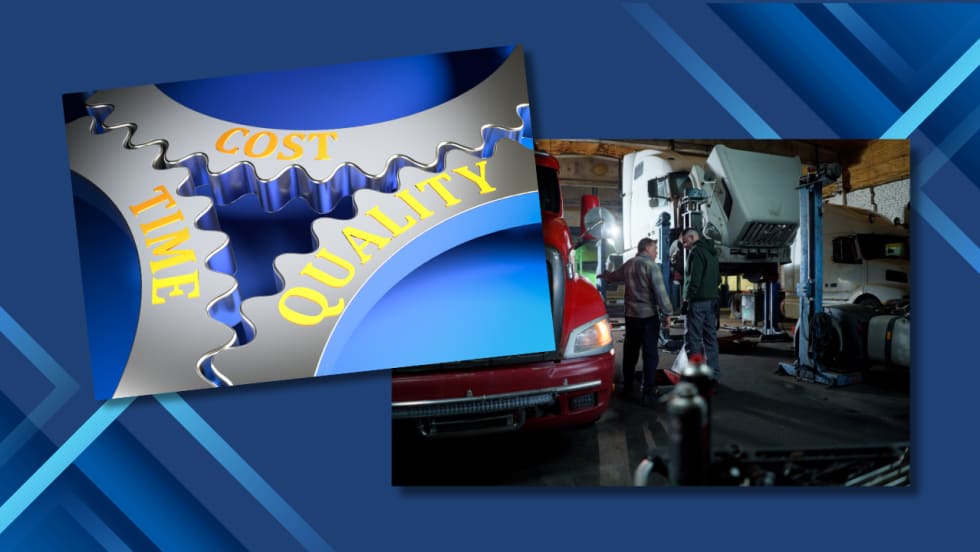
What Three Fleets Are Doing Differently When Buying Truck Parts in 2026
With freight improving but costs still climbing, fleet maintenance executives explain how they're balancing price, quality, and supplier relationships.
Read More →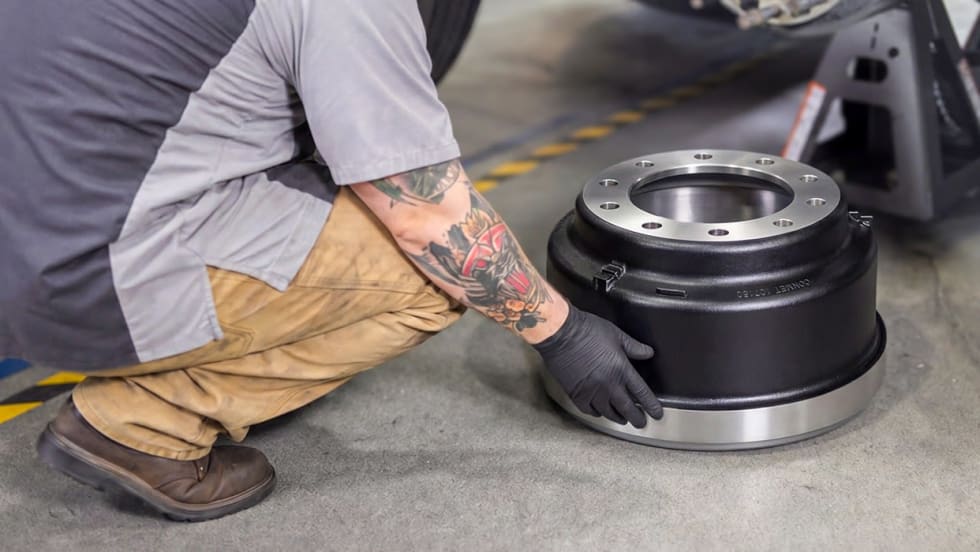
ConMet Expands Aftermarket Brake Drum Lineup With TruCast
A new heavy-duty truck brake drum option in the aftermarket gives customers more flexibility within the ConMet product family.
Read More →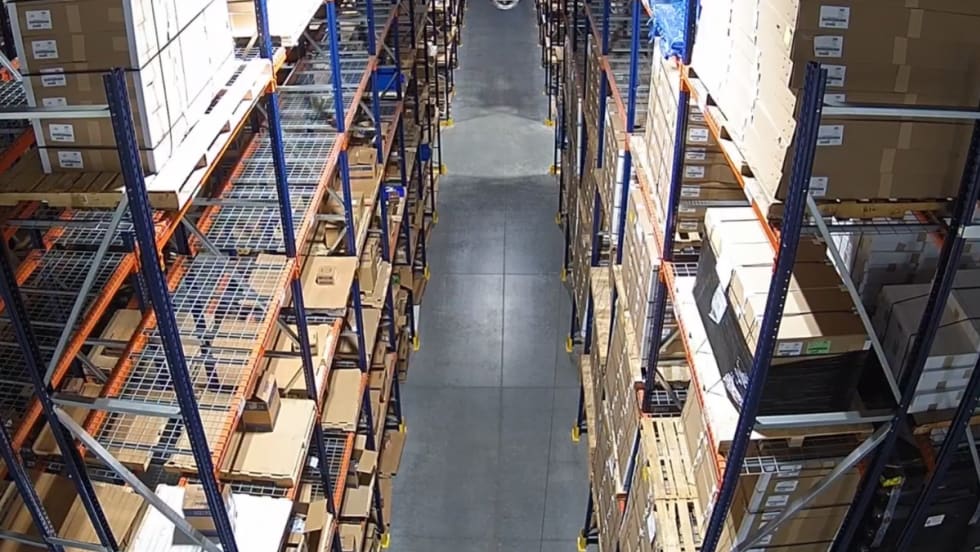
Phillips Opens High-Tech Distribution Center for Faster Parts Delivery
Phillips Industries’ new Cincinnati-area distribution center is now shipping aftermarket trucking parts nationwide, aiming to speed up delivery times for customers.
Read More →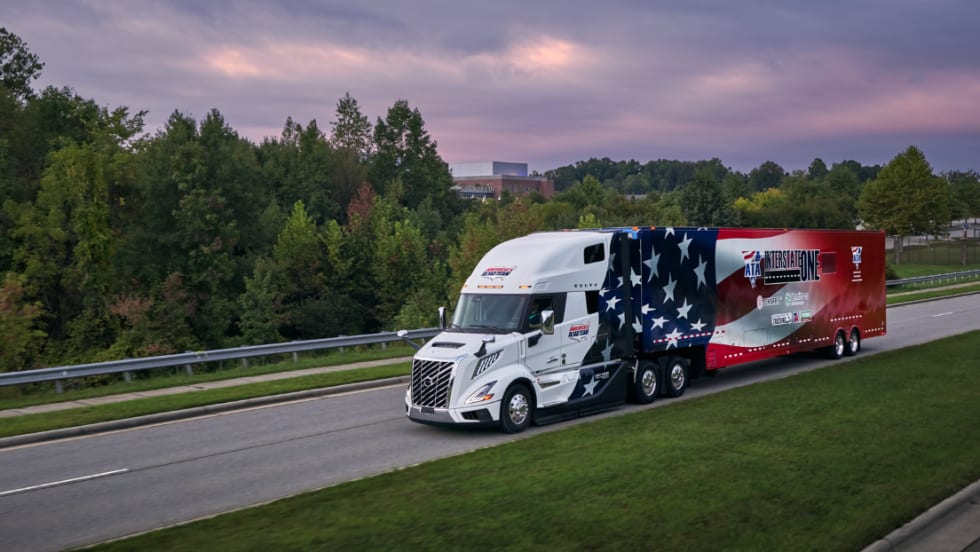
Volvo to Sponsor America’s Road Team for 2025
Volvo Trucks announced that it is extending its exclusive sponsorship of America’s Road Team for 2025.
Read More →
Webb to Start Taking Orders for UltraSet Pre-Adjusted Wheel Hubs
Webb, which recently acquired the Stemco Trifecta pre-adjusted hub program, will soon start taking orders for its replacement pre-assembled hub, the UltraSet.
Read More →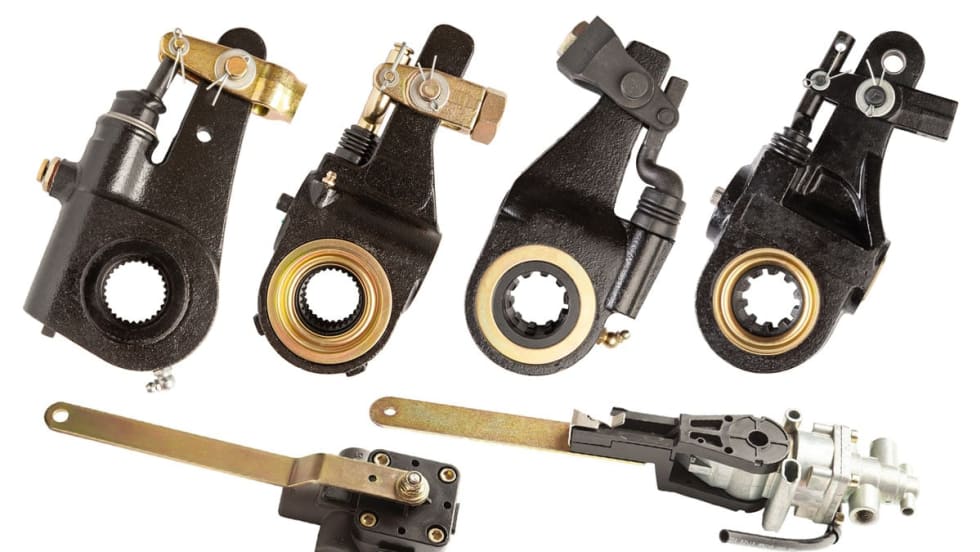
All-Makes Automatic Brake Adjusters, Ride Height Control Valves from Midland
SAF-Holland has added automatic brake adjusters and ride height control valves to its Midland All-Makes Program.
Read More →
ZF Aftermarket Expands [pro]Academy Training
ZF Aftermarket said it is expanding its ZF [pro]Academy training and will be adding 40 new modules this year.
Read More →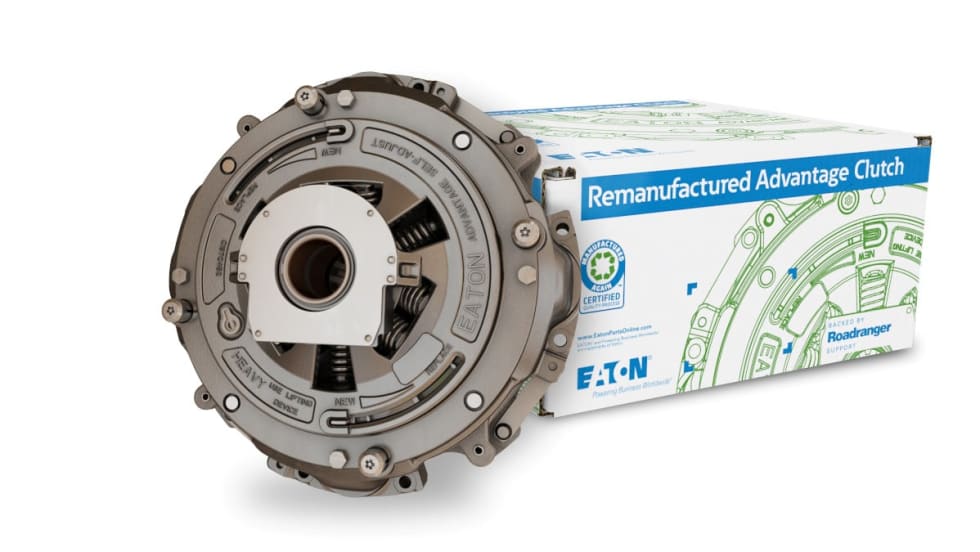
Eaton Adds Remanufactured Advantage Line of Clutches
Eaton has added its Advantage clutches to its remanufactured product line. The clutches feature a unique strap drive intermediate plate designed to allow customers to choose the latest OE specification
Read More →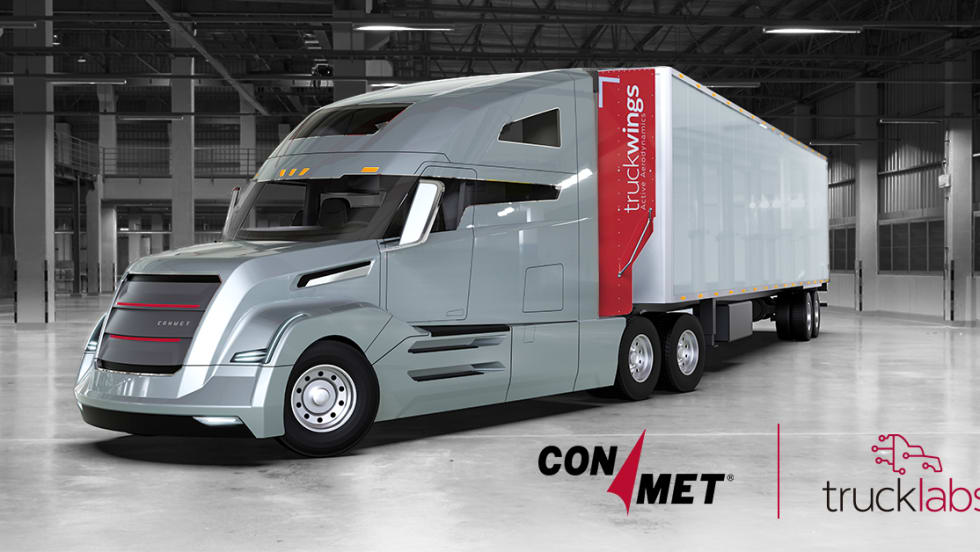
ConMet Acquires TruckLabs, the Creator of TruckWings
Commercial truck and trailer parts provider ConMet acquired TruckLabs, the company that created TruckWings, an aerodynamic device that attaches to truck cabs and deploys to close the gap between truck and trailer. TruckLabs now operates as a subsidiary of ConMet.
Read More →
Diesel Laptops Releases Fault-Code-to-Part-Number Tool
Diesel Laptops said its Truck Fault Codes allows users to input a fault code and immediately identify and order the parts needed to complete repair work.
Read More →