




TCA Fleet Panel Sees Drop in Driver Applications, But Positive Signs on Economy, Freight, Rates
The driver shortage is already intensifying, with the number of both new and experienced driver applicants down over the last couple of months, as economic signs lead to improved optimism about increases in freight and rates this year, according to a panel discussion of three major truckload executives Tuesday at the Truckload Carriers Conference annual convention in Las Vegas.


Lana Batts, Max Fuller, Derek Leathers and Dan England during TCA's Tuesday General Session.

Lana Batts, Max Fuller, Derek Leathers and Dan England during TCA's Tuesday General Session.
The driver shortage is already intensifying, with the number of both new and experienced driver applicants down over the last couple of months, as economic signs lead to improved optimism about increases in freight and rates this year, according to a panel discussion of three major truckload executives Tuesday at the Truckload Carriers Conference annual convention in Las Vegas.
The session, titled "Repaving Truckload's Road to Success," was hosted by Lana Batts, co-president of Driver iQ and a former head of TCA, featured:
Dan England, chairman of C.R. England Inc.
Max Fuller, chairman and CEO of U.S. Xpress Enterprises Inc.
Derek Leathers, president and chief operating officer, Werner Enterprises.
Driver Applications Dropping
The driver shortage situation "is going to be probably the worst situation we've seen," Fuller said. "If you look at the last year it's continued to tighten. In the last four weeks, we've seen number of applicants drop by 20% to 25%." Calls to other carriers confirmed similar trends, he said. "We think with housing improving, a number of drivers have left the industry to go into construction."
Leathers said while Werner hasn't seen that much of a drop, its applicant count has been down on both new and experienced drivers, at double digit levels, and it started at the end of last year.
As always when discussing the issue of the driver shortage, the issue of pay came up.
"We've been a TCA member 35 years," England pointed out, "And the first convention I went to we had a panel discussion on driver turnover. It has worsened, no question about it, but we have talked for so many years about trying to get more money for our drivers and I think we've largely failed."
Leathers said in conversations with shippers about the need to get rates up to pay drivers more, "I'd like to say we see a sense of urgency in their eyes," but that's not often the case. "You often hear that other carrier aren't telling them about need to raise driver wages. But when you ask them what they pay drivers in their own private fleets, it's almost universally 20% to 30% higher. We have those very uncomfortable dialogues and we push them on that perspective."
England says compared to what we were paying drivers in 1980, if you adjust for inflation, drivers aren't even making as much money as they were then, yet drivers today are faced with far more regulations and responsibilities.
"We've failed on that front and haven't succeeded in pushing through enough increases to pass on increased compensation to drivers, so we're trying to find ways to make the jobs we have better, more compatible with home life, get them home more often," he said.
Leathers, similarly, said Werner works to develop better pay packages that are more specific to the type of work drivers are doing, and to get them home more often.
Fuller and Leathers both said they are seeing longtime, experienced drivers throw up their hands and leave the business because they are fed up with the increasing number of regulations.
Hours of Service Uncertainty
One of those regulatory frustrations, of course, is the uncertainty over the new hours of service regulations scheduled to go into effect July 1, if a court challenge being heard between now and then doesn't affect the start date.
"We're planning on the impression that it may very well be implemented July 1," Leathers said. Werner has been running a portion of its fleet under the new rules and trying to determine what the impact will be. He is expecting a productivity hit in the high single digits or worse.
The good news, Leathers said, it that HOS "will be the last nail in the capacity coffin" and will give carriers more leverage to raise rates.
Looking ahead, the three were fairly optimistic.
"I think the next couple of years are going to be pretty exciting," Fuller said. "When you look at the truckload industry, we're really subject to the stocking, restocking, consumption that our country has. We've gone through the destocking cycle, and if you look at inventory to sales ratio, it's pretty low. You look at housing improving, unemployment improving, that's probably going to help the consumption side. I think in 2013 and 2014 we're all going to be a lot more excited about our industry and freight volumes."
England said there are some mixed signals out there. "If you look at year over year new truck sales, we've had 13 consecutive months of sales being down, and that obviously causes some alarm," he said. "However, if you look at new home sales, retail sales, consumer confidence, we're optimistic, and we're seeing some improvement in demand. It hasn't reflected itself in strong rate increase yet, but we're very optimistic."
"I think the market is tightening as we speak," Leathers added. "We're seeing more and more of that in conversations with customers."
Rates need to go up, Leathers said, because costs have gone up. "Even without a tonnage increase, this is a conversation we have to be having with our customers. When you look at new truck prices, we estimate on average you're purchasing those trucks at a 40% higher price. To not be out talking to customers about rates would be a difficult position to put your company in."
Fuller agreed. "I think you have to see rate increases. We've seen costs go up about 6% per year while rates have gone up about 3% per year the last couple of years. With capacity tightening the way we anticipate the rest of the year, we are going to see the ability to increase rates more so than at any point in the last three years."
More Fleet Management
Why This Trucking Recovery Is Different
Freight demand remains sluggish, but rising costs and tougher enforcement have taken enough capacity out of the market to change the outlook for motor carriers.
Read More →
Platform Science Adds Dispatch and Safety Tools
Four additions to PS Fleet help fleets monitor loads, manage driver coaching, share truck locations and adjust video system settings.
Read More →
PrePass Intelligence Mines Fleet Bypass, Toll and Safety Data
PrePass Intelligence helps fleets measure bypass savings, flag potential toll overcharges, and spot suspicious transactions by combining data from separate systems.
Read More →
Motive Adds AI Agents for Fleet Operations
New tools automate follow-up on fleet data, from maintenance work orders to driver alerts, with two-way voice conversations planned for later this year.
Read More →
Can You Beat Our Trucking Trivia Challenge?
Test your truck knowledge with 19 trivia questions from Heavy Duty Trucking Exchange. Can you keep up with the fleet pros?
Read More →
BeyondTrucks Adds Rules Checks to Dispatch
New Compatibility Engine checks driver qualifications, equipment requirements and fleet policies before loads are dispatched.
Read More →
Diesel Prices Hijack Trucking’s Worry List
ATRI’s annual survey finds cautious optimism about freight, but diesel costs, litigation, and insurance continue to squeeze fleets. Drivers have different priorities on several issues.
Read More →
Nomination Deadline Extended for HDT Emerging Leaders
Just a few more days to nominate accomplished trucking fleet professionals under 40 who are making an impact and helping lead the industry forward for the HDT Emerging Leaders award. Deadline extended to October 20!
Read More →
What Will ATA’s New Leader Bring to Trucking's Table?
Incoming President and CEO Mark Colson’s record in Alabama offers clues about his priorities and approach following Chris Spear’s abrupt departure as the head of the American Trucking Associations.
Read More →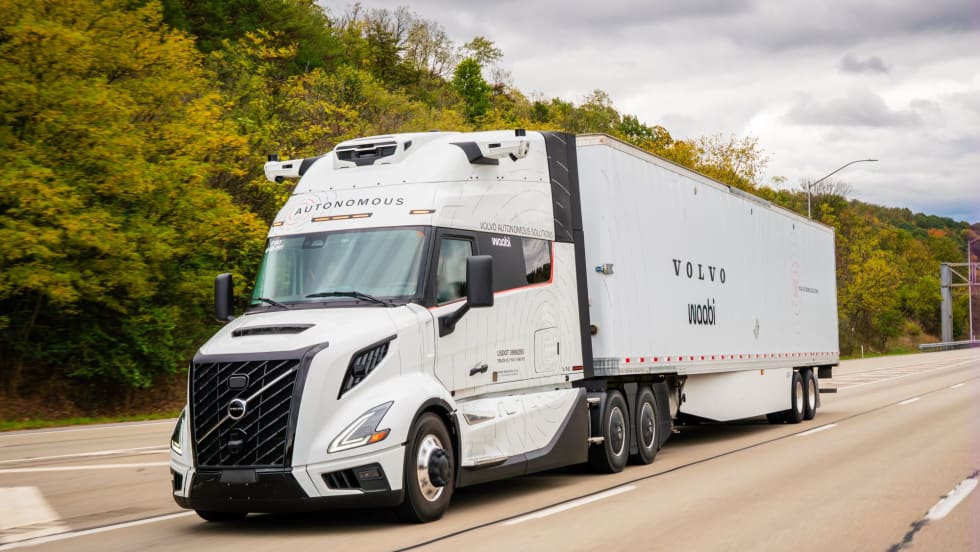
Volvo, Waabi Start Commercial Autonomous Operations in Texas
Volvo VNL Autonomous trucks, powered by the Waabi Driver, are hauling freight directly to third-party facilities for a customer in Texas.
Read More →