




Task Force Makes Recommendations to Improve Port of N.Y and N.J. Movements
A task force has released its report making nearly two-dozen recommendations that it said will improve truck congestions and air quality at the Port of New York and New Jersey.
A task force has released its report making nearly two-dozen recommendations that it said will improve truck congestions and air quality at the Port of New York and New Jersey.
The Port Performance Task Force also said its suggestions will improve customer service for truckers and other port stakeholders, and enhance the flow of goods from the port to the marketplace.
A new group of port stakeholders, the Council on Port Performance, will be formed to immediately begin the task of implementing the recommendations.
Nearly 100 port partners representing all sectors of the industry, including the New York Shipping Association, International Longshoremen’s Association, National Retail Federation, ocean carriers, importers and exporters, terminal operators, chassis providers and trucking companies, developed the recommendations over the past six months following extensive analysis, discussion and collaboration, according to the port authority.
The Task Force was created by the port authority in conjunction with the New York Shipping Association in December 2013 to identify challenges and examine broad long-term recommendations to improve service reliability and efficiency in the port. The task force also explored ways to address more immediate issues.
The recommendations include:
Development of a model to improve the management of truck chassis in the port.
Development of a truck management system to meter truck arrival rates, which would reduce congestion and resulting air emissions, decrease truck turn times and improve terminal productivity.
The coordination of gate hours at all of the privately operated terminals serving the port.
The use of radio-frequency identification, or RFID, technology to measure and report on various truck movement times, including turn times on the terminal, queue times at terminal entrance gates and traffic on port roadways.
Improved customer service at the terminals to assist truckers with transactions and other questions.
According to the port authority, the recommendations are geared toward ensuring the Port of New York and New Jersey remains the leading destination for international shippers on the East Coast. It said it has invested or authorized approximately $4 billion in port infrastructure in the last 10 years, including $1.3 billion to raise the roadway of the Bayonne Bridge, which support 296,000 jobs and $12 billion in economic activity that the port generates.
To review the Task Force report, visit the The Port Authority of New York and New Jersey website.
More Drivers
How Top Trucking Fleets Improve Driver Retention [Video]
What do healthy snacks, optimized routing, and just picking up the phone have in common? They're all strategies the Best Fleets to Drive For are using to retain truck drivers.
Read More →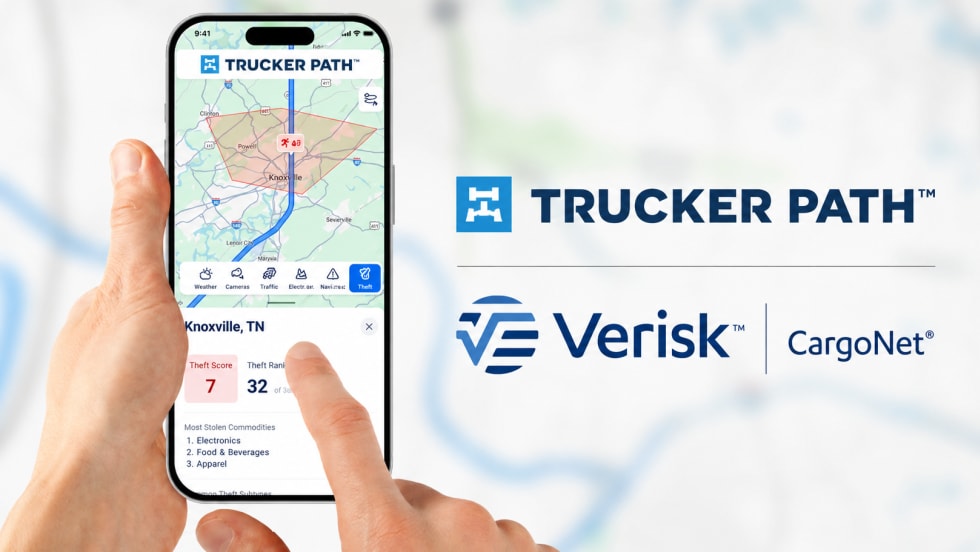
Trucker Path Adds Verisk CargoNet Theft Data to Navigation Platform
Trucker Path’s new cargo theft risk overlays give drivers and fleets visibility into high-risk areas, stolen commodity trends, and theft hotspots.
Read More →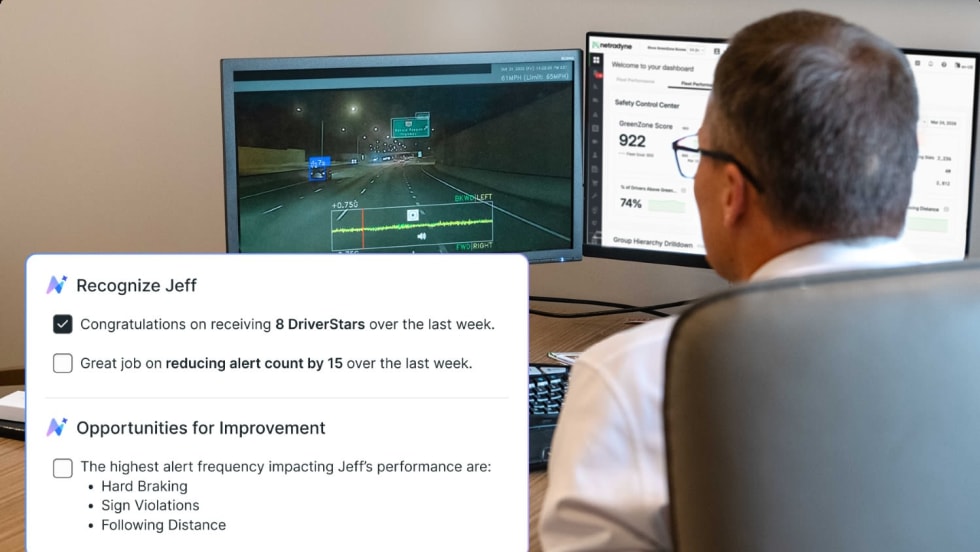
Netradyne Intelligence Uses New AI Agents to Automate Response to In-Cab Camera Data
The company called the next-generation in-cab camera safety platform "a fundamental shift from systems that report on what happened to systems that actively drive what should happen next."
Read More →
Why Truck Detention Keeps Costing Fleets Time and Money
A 2024 ATRI study found detention affects nearly 40% of truckload stops and costs the industry more than $15 billion annually. Despite the toll on drivers, fleets, and supply chains, the problem remains stubbornly persistent.
Read More →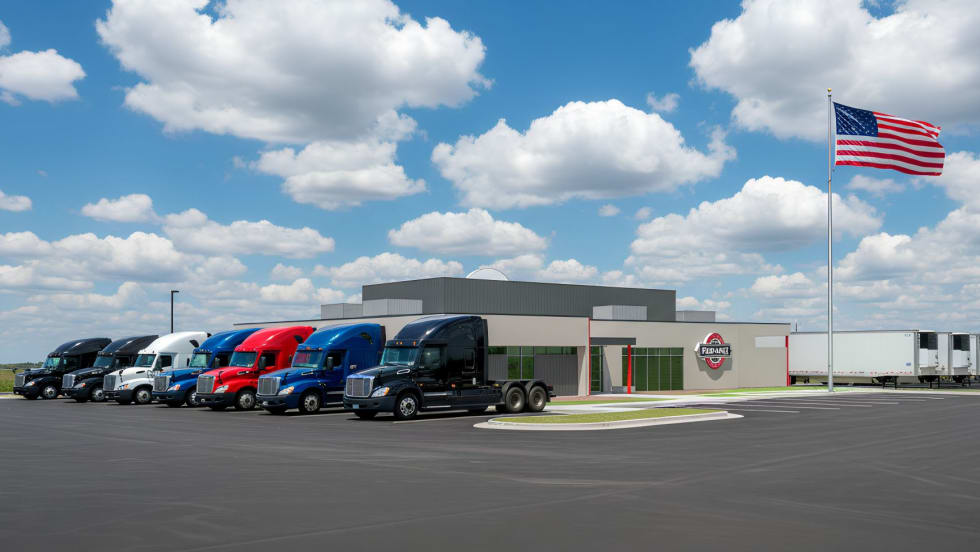
Prime Inc. to Open $7.9M Flagship Used-Truck Dealership
A new driver-focused facility to sell Prime Inc's used trucks and trailers will be the first purpose-built location in the company's history.
Read More →
Short Takes: Inside K&B’s Truck Safety Tech
Listen to learn how K&B Transportation uses cellphone-blocking technology, speed management systems, weather geofencing, bridge avoidance tools, and more to improve driver safety.
Read More →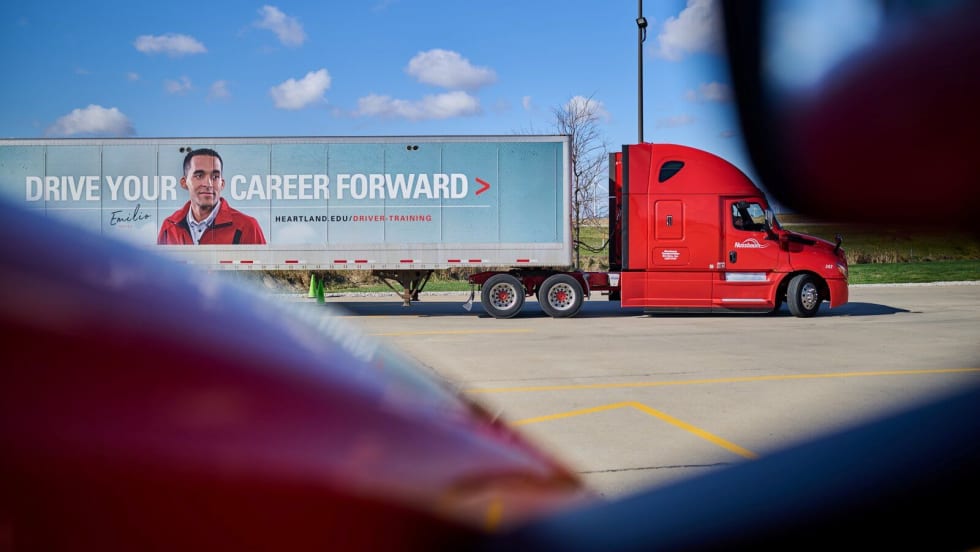
Nussbaum Expands Driver Compensation with Pay Raises, Profit Sharing
Nussbaum Transportation said its latest compensation package could push first-year driver earnings above $90,000 in key hiring markets.
Read More →
Listen: Inside Modern Fleet Safety: AI, Cameras & Speed Control at K&B Transportation
Fleet safety is evolving fast—and technology is at the center of it. Learn how a former commercial vehicle enforcement officer turned director of safety at K&B Transportation is embracing real-world safety technology.
Read More →
Maverick Announces 2026 Driver Pay Raises
New raises for Maverick Transportation drivers will take effect on May 31, 2026.
Read More →
Illinois Trucker Indicted for Nearly $22,000 in Ohio Turnpike Toll Evasion
Authorities say an Illinois trucker avoided paying tolls for two years, and now faces felony charges, possible prison time, and forfeiture of his Freightliner tractor.
Read More →