




Survey Identifies Key Trends in Global Supply Chains
A survey of logistics executives revealed that reverse globalization, softer revenue forecasts and sustainability are key issues affecting global supply chains
A survey of logistics executives revealed that reverse globalization, softer revenue forecasts and sustainability are key issues affecting global supply chains.
Results from the "2008 3PL Provider CEO Perspective" surveys were presented by Dr. Robert Lieb, Professor of Supply Chain Management at Northeastern University, and Joe Gallick, Senior Vice President of Sales for Penske Logistics, at the Council of Supply Chain Management Professionals Annual Global Conference in Denver this week.
Incorporating insights from 20 CEOs in North America, 10 in Europe and nine in the Asia-Pacific region, this year's research showed some of the lowest industry revenue projections ever seen in the history of the surveys. Sponsored by Penske Logistics, the surveys found the "greening" of supply chains and the 3PL industry, as well as continued pricing pressures among the top industry trends, and cited rising fuel prices and a slow-growth economy as key challenges facing the industry. A trend toward reverse globalization was also noted.
"While nearly one-fourth of CEOs said that their organizations failed to meet 2007 revenue projections, almost 90 percent reported profitability last year," said Lieb. "Despite rising prices at the pump and a stagnating economy, these numbers indicate that global 3PL efforts to reduce costs, optimize networks through technological advances, and intensify the focus on customer selectivity are working -- we will definitely see a continued focus in these areas well into 2009."
Gallick noted that the results "shed an interesting light on the continued maturing of the 3PL industry while touching upon the new supply chain influences that were barely visible only a year ago."
Though CEOs continue to be bullish about revenue growth prospects for their companies and the industry as a whole, projections have become increasingly conservative during the past several years, particularly in Europe.
Due to rising costs of labor, the impact of high fuel prices on shipping costs, and continued concern around government regulations in Asia, 16 of the 39 CEOs involved in the surveys indicate some of their customers are changing their sourcing and manufacturing strategies and are moving operations away from Asia and "closer to home." Eleven of the 20 North American executives reported seeing a shift in customers pulling manufacturing back from Asia to North or Central America.
Hand-in-hand with reverse globalization, 3PLs and customers are gravitating toward expanding into nearby emerging markets where the cost of labor, shipping and land is less expensive. North American logistics providers are increasingly turning to Mexico and Latin America.
The 3PL industry has made significant strides in establishing environmental responsibility as part of broader corporate visions, with companies reporting numerous internal changes in response to these concerns. However, to date, the CEOs involved in the surveys believe these "green" capabilities are relatively insignificant in winning new business or retaining existing customers.
As commoditization pressures mount in the 3PL industry, the role of procurement in contract negotiations continues to rise, and fuel costs increase, the companies surveyed cited downward pricing pressures as a continuous, major concern for the industry and noted a growing trend in branding as a way to differentiate.
CEOs completed 39 surveys via an Internet-based questionnaire during the summer of 2008. Companies participating in the annual survey included: Cardinal Logistics, Caterpillar Logistics Services, CEVA, DSC Logistics, DHL Exel Supply Chain, Genco, Kuehne & Nagel Logistics, Landstar, Menlo Logistics, NYK Logistics, Panalpina, Penske Logistics, Pittsburgh Logistics, Ryder, Schenker, Schneider Logistics, Transplace.com, UPS Supply Chain Solutions, UTi, Wincanton and YRC Logistics. In total, these companies are responsible for generating approximately $60 billion in revenue.
In addition to those highlighted above, the survey identified other trends, including industry consolidation, opportunities and challenges in the 3PL industry, and the major changes expected in each of the three geographies examined during the next three years.
More Aftermarket
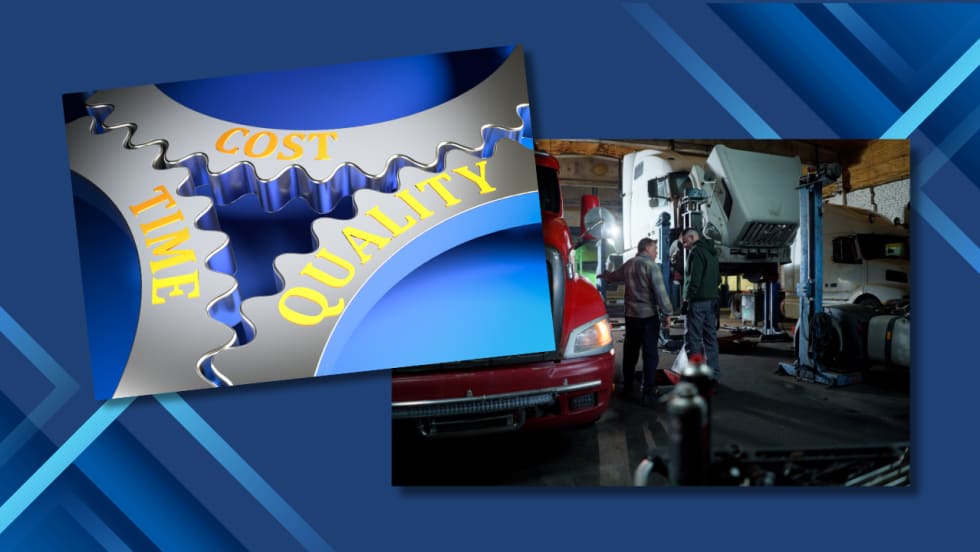
What Three Fleets Are Doing Differently When Buying Truck Parts in 2026
With freight improving but costs still climbing, fleet maintenance executives explain how they're balancing price, quality, and supplier relationships.
Read More →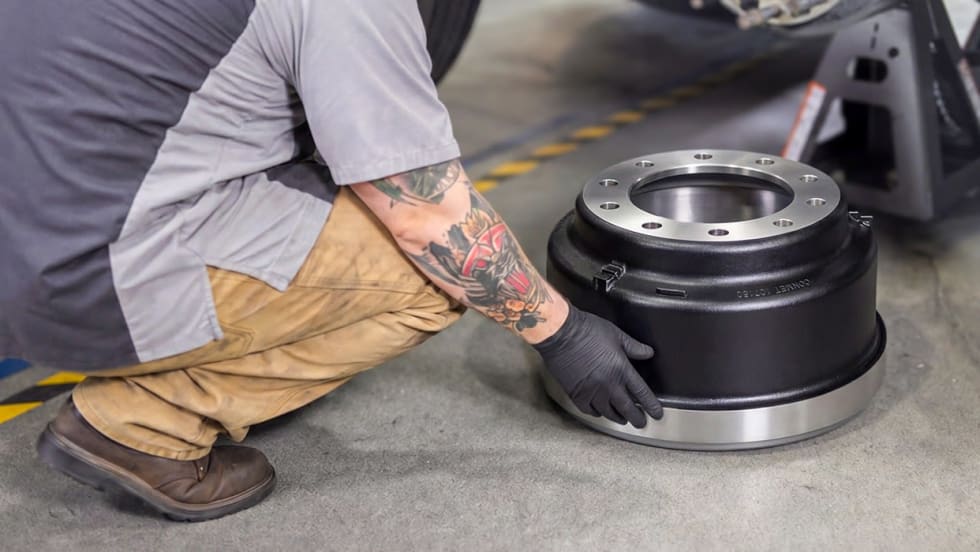
ConMet Expands Aftermarket Brake Drum Lineup With TruCast
A new heavy-duty truck brake drum option in the aftermarket gives customers more flexibility within the ConMet product family.
Read More →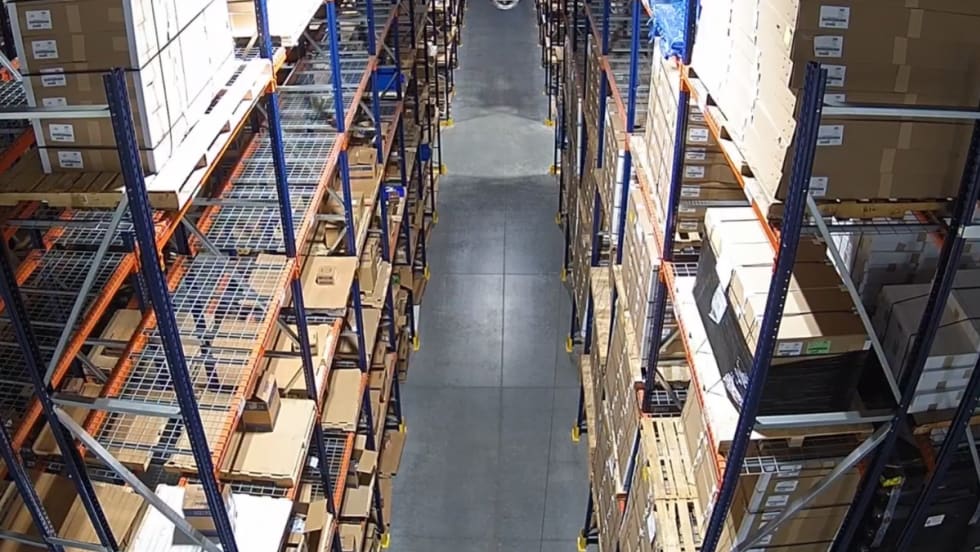
Phillips Opens High-Tech Distribution Center for Faster Parts Delivery
Phillips Industries’ new Cincinnati-area distribution center is now shipping aftermarket trucking parts nationwide, aiming to speed up delivery times for customers.
Read More →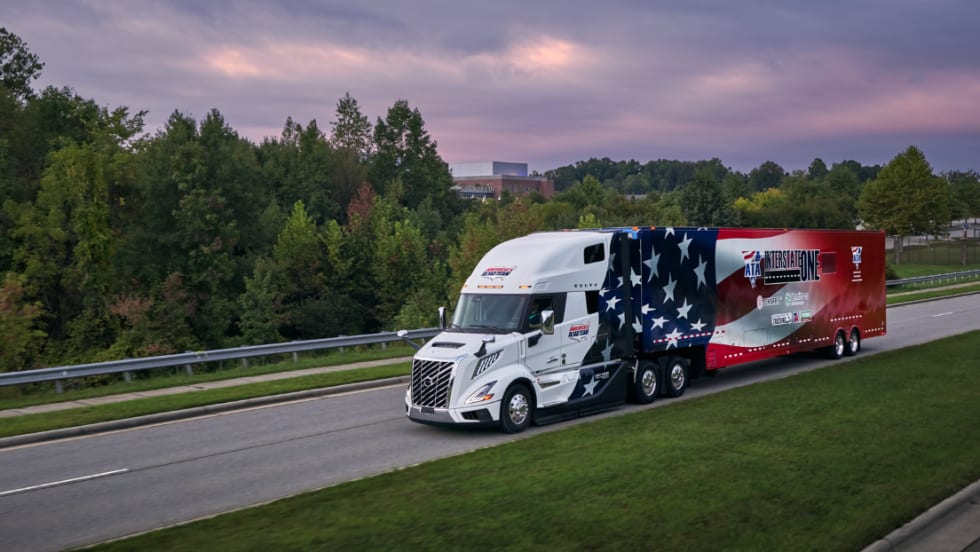
Volvo to Sponsor America’s Road Team for 2025
Volvo Trucks announced that it is extending its exclusive sponsorship of America’s Road Team for 2025.
Read More →
Webb to Start Taking Orders for UltraSet Pre-Adjusted Wheel Hubs
Webb, which recently acquired the Stemco Trifecta pre-adjusted hub program, will soon start taking orders for its replacement pre-assembled hub, the UltraSet.
Read More →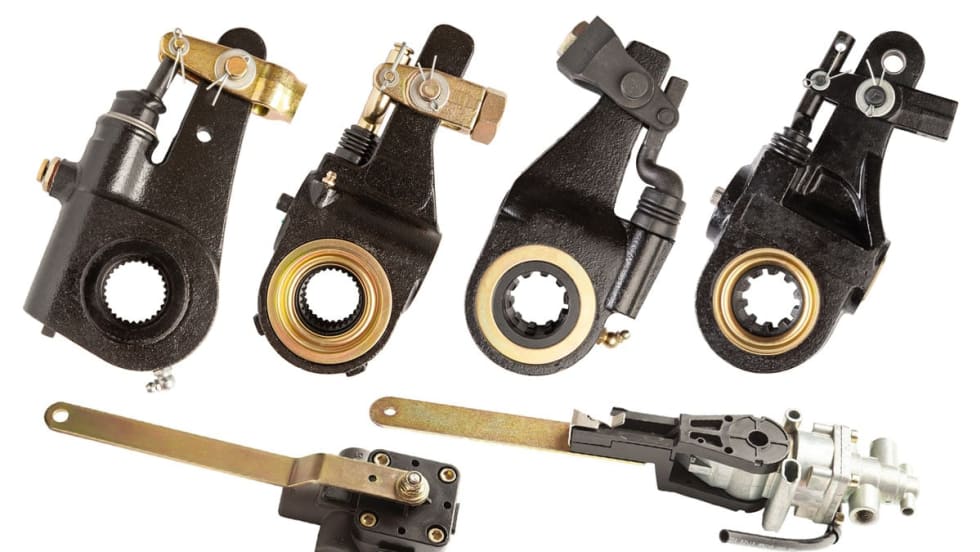
All-Makes Automatic Brake Adjusters, Ride Height Control Valves from Midland
SAF-Holland has added automatic brake adjusters and ride height control valves to its Midland All-Makes Program.
Read More →
ZF Aftermarket Expands [pro]Academy Training
ZF Aftermarket said it is expanding its ZF [pro]Academy training and will be adding 40 new modules this year.
Read More →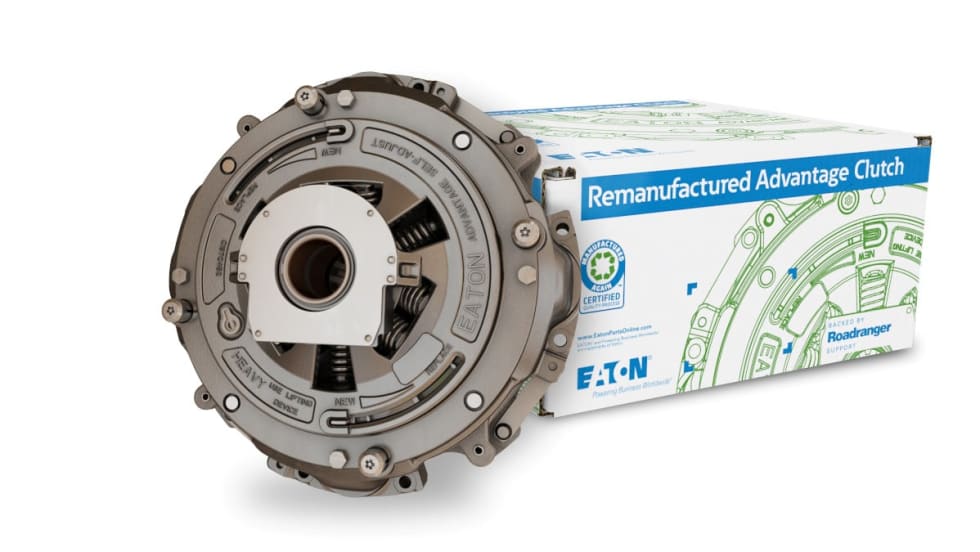
Eaton Adds Remanufactured Advantage Line of Clutches
Eaton has added its Advantage clutches to its remanufactured product line. The clutches feature a unique strap drive intermediate plate designed to allow customers to choose the latest OE specification
Read More →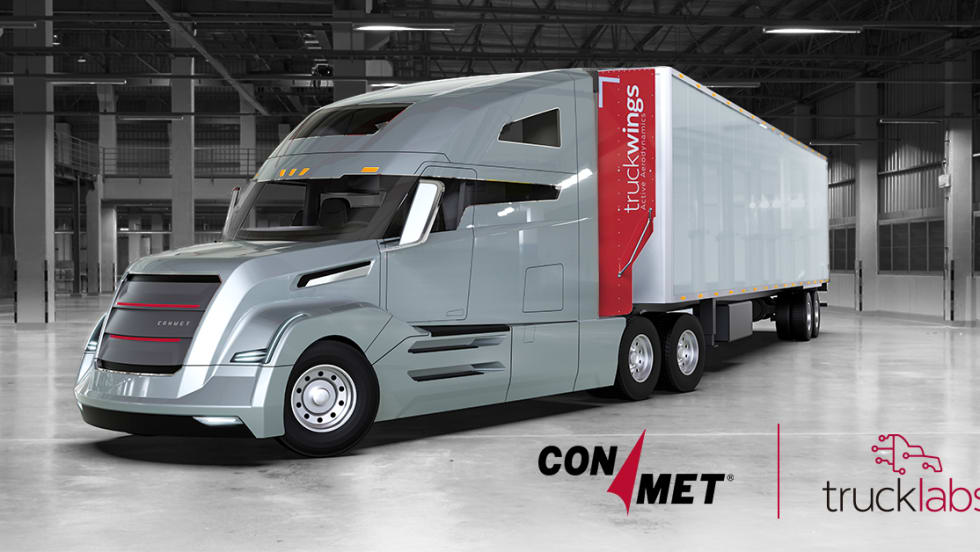
ConMet Acquires TruckLabs, the Creator of TruckWings
Commercial truck and trailer parts provider ConMet acquired TruckLabs, the company that created TruckWings, an aerodynamic device that attaches to truck cabs and deploys to close the gap between truck and trailer. TruckLabs now operates as a subsidiary of ConMet.
Read More →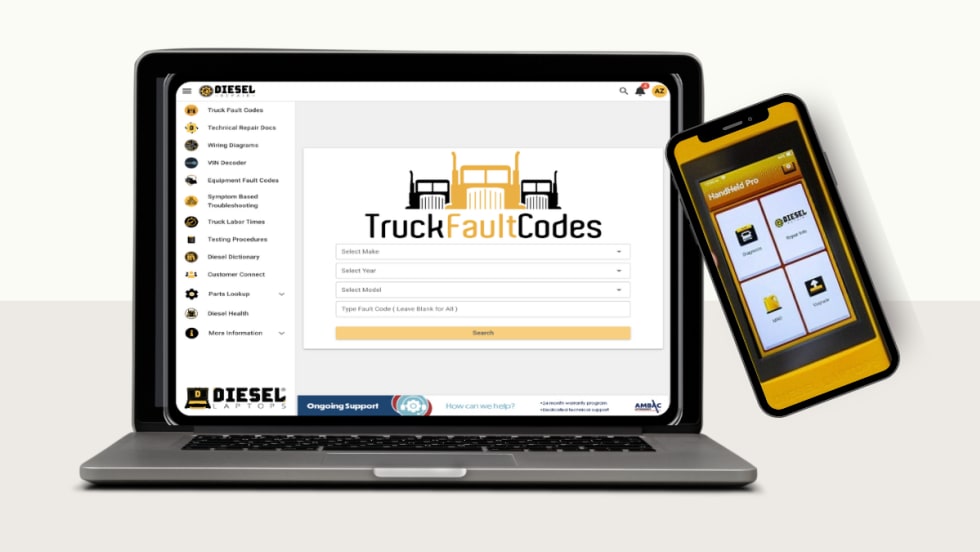
Diesel Laptops Releases Fault-Code-to-Part-Number Tool
Diesel Laptops said its Truck Fault Codes allows users to input a fault code and immediately identify and order the parts needed to complete repair work.
Read More →