




Survey Finds Third-Party Logistics CEOs Project Growth Amidst Slow Economy
The 20th Annual Survey of Third-Party Logistics Provider CEOs, sponsored by Penske Logistics, revealed that despite a slow economy, North American CEOs have their sights set on growth, expecting their companies to increase revenues by an average of 14.6% over the next three years.
The 20th Annual Survey of Third-Party Logistics Provider CEOs, sponsored by Penske Logistics, revealed that despite a slow economy, North American CEOs have their sights set on growth, expecting their companies to increase revenues by an average of 14.6% over the next three years.
This year, 3PL CEOs, surveyed in North America, Europe and the Asia-Pacific regions, are generally optimistic about company and industry growth prospects over the next one and three-year periods. North American and European CEOs forecasted higher three year company revenue growth projections than last year, 14.6% and 10.3%, respectively. For the three-year period, Asia-Pacific CEOs projected 11.6% growth, down from 12.5% in 2012.
The CEOs were also asked to project regional 3PL industry revenue growth rates for the next three years in all three regions. For that three-year period, the CEOs projected average regional revenue growth rates of 8.29% in North America, 5.9% in Europe and 8% in the Asia-Pacific region.
The survey was being presented at the Council of Supply Chain Management Professionals Annual Global Conference by survey author, Dr. Robert Lieb, professor of Supply Chain Management at Northeastern University's D'Amore-McKim School of Business, and Joe Carlier, senior vice president of sales for Penske Logistics.
The findings analyze responses from 34 major third-party logistics company CEOs across North America, Europe and Asia-Pacific whose companies generated approximately $50 billion in revenue in 2012. The report was co-authored with Dr. Kristin Lieb, associate professor of Marketing Communications, Emerson College. The survey is underwritten by Penske Logistics, a leading provider of third-party logistics services.
Globally, 52% of companies either met or exceeded their revenue projections in 2012, down from 63% in 2011. More than two-thirds of these logistics companies were profitable during 2012. The continued instability of the Euro-zone economy and migration of some manufacturing out of China meant lower profitability in the Europe and Asia-Pacific regions (50 and 56% experienced moderate profitability, respectively). However, regional opportunities are instilling confidence in the industry.
"Despite Euro-zone challenges and some slowing of manufacturing activity in China, opportunities to expand services geographically have both regions poised for growth," commented Dr. Robert Lieb. "Expansion into eastern Europe and Russia and an increased focus on servicing domestic consumption within China provide 3PLs with the opportunity to strengthen and stabilize their operations in those regions by filling out the services offered and customer base."
Global Near-shoring and Manufacturing Trends
The survey revealed that some manufacturing activity is leaving China, impacting both Asia-Pacific and North American regions significantly. Within Asia-Pacific, 78% of CEOs claimed that rising wage costs in China have caused companies to shift some manufacturing and export consolidation to lower-priced geographies, including Thailand, Vietnam, Indonesia and Sri Lanka.
In the North American region, the migration toward near-shoring continues with some key 3PL accounts moving from Asia-Pacific to Mexico. In particular, companies in the automotive, technology and pharmaceutical industries have moved some sourcing and manufacturing activities to Mexico.
Eighty-seven percent of the North American CEOs involved in the survey reported providing third-party logistics services in Mexico, generating an average of 9.3% of their revenues in the U.S. This number is projected to increase to an average of 12.5% in three years.
"As companies begin shifting their product origins to local regions, they will look for a third-party logistics provider that can strategically navigate through the new normal in the supply chain industry," stated Carlier. "This includes the shift in supply chain length, changes in speed and demand for warehousing and transportation along trade corridors."
More Fleet Management

Trimble’s New AI Agent Takes Aim at Fleet Back-Office Busywork
Arc Agent works across Trimble TMS products to automate repetitive tasks such as freight orders, maintenance, invoices, fuel costs and more.
Read More →
How HDT’s 2026 Truck Fleet Innovators Are Rethinking Fleet Operations
Meet five trucking leaders who are challenging assumptions, solving operational problems, and putting innovative ideas to work.
Read More →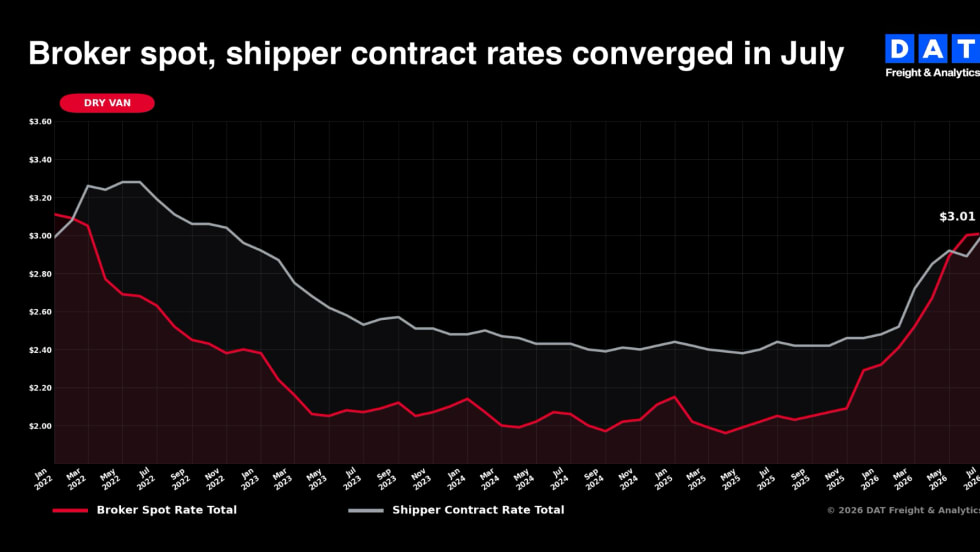
Tight Trucking Capacity Pushes Rates Higher Even as Freight Volumes Fall
“Spot rates moving ahead of contract rates have historically signaled a tightening market, but we haven’t seen a capacity-driven market quite like this one,” said DAT's Dean Croke.
Read More →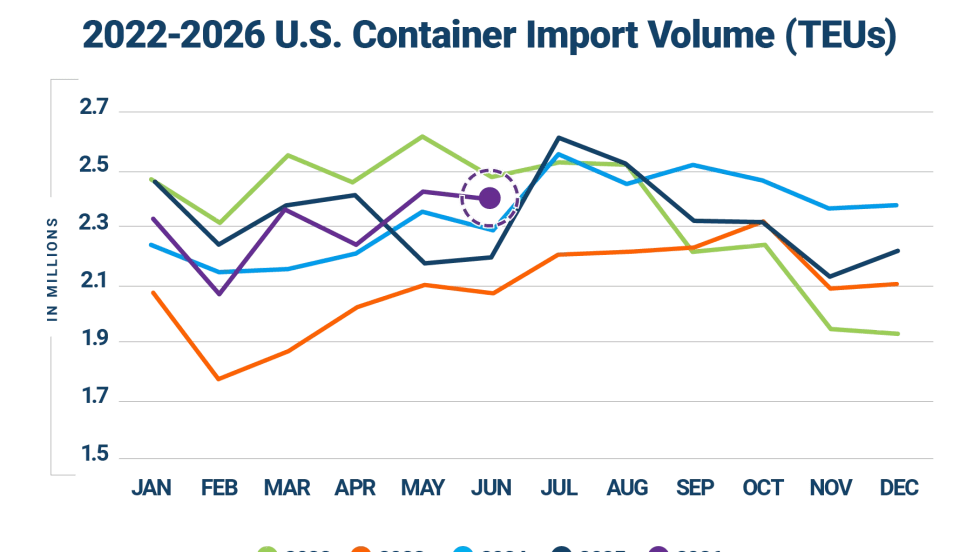
Import Cargo’s Early Peak Season is Winding Down
There was an early start to peak season this year at the nation's gateway ports, as retailers brought in merchandise ahead of tariff changes in late July and responded to other supply chain uncertainties,
Read More →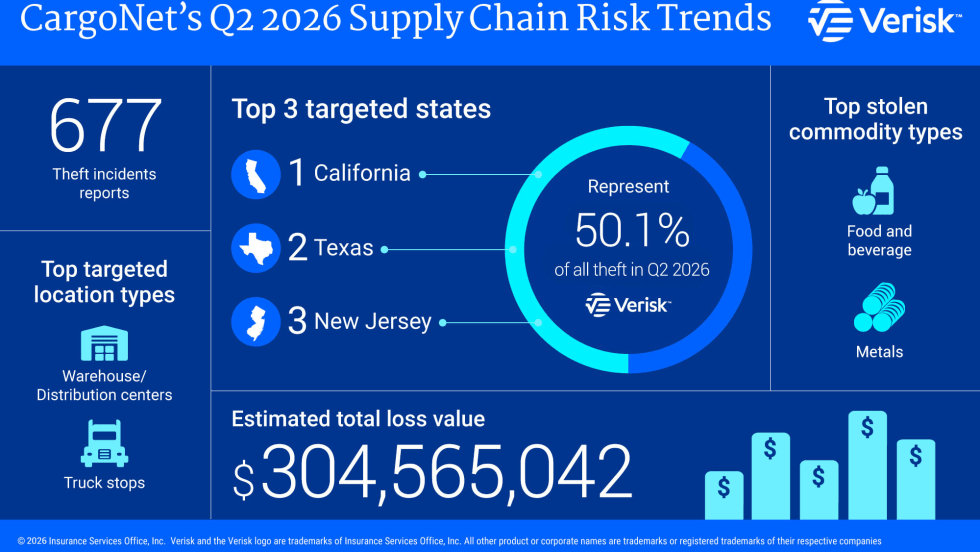
Fewer Cargo Thefts, Bigger Losses: Criminals Target Higher-Value Loads
CargoNet says organized theft rings are stealing fewer shipments but choosing more valuable freight, including metals and technology, resulting in record losses.
Read More →
How Innovative Trucking Leaders Turn Change Into an Advantage
As the pace of change accelerates in trucking, the fleets that adapt best have more than the latest technology. They have cultures that embrace improvement.
Read More →
Freight Broker Bonds Just Got Harder to Get. Here's What That Means for Your Fleet.
When it gets harder for a freight broker to prove they are financially sound, the ones who cannot clear that bar get pushed out of the market. And those are exactly the brokers who used to leave motor carriers holding the bag.
Read More →
Long-Awaited Canadian Border Bridge to Open in Detroit
For trucking, the bridge opening should offer immediate improvements in efficiency and reliability, with new customs facilities, expanded inspection capacity, and direct freeway-to-freeway connections.
Read More →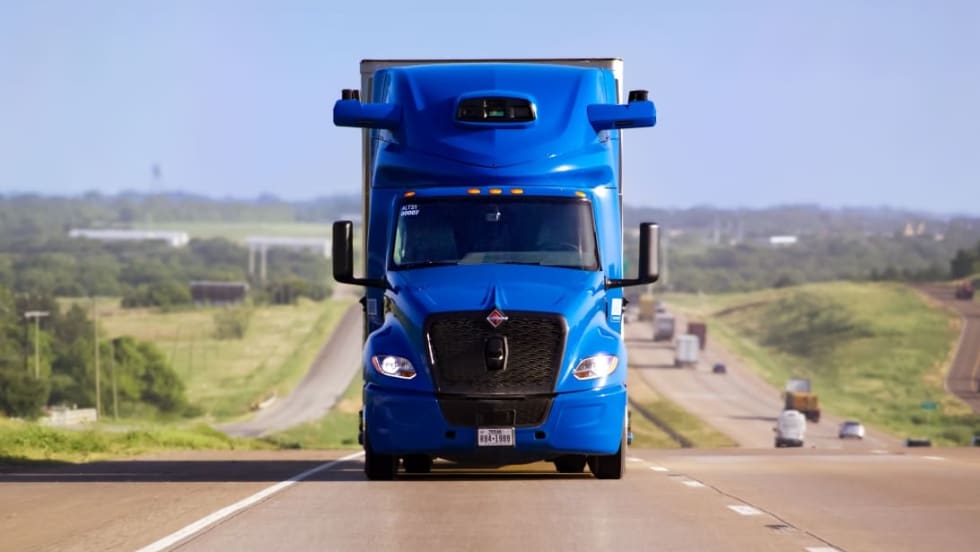
Aurora Rolls Out Next Generation of Driverless Trucks for Commercial Freight
Aurora's latest autonomous trucks it's rolling out with International feature lower-cost hardware designed for a million miles as the company expands commercial driverless freight operations across the U.S. Sun Belt.
Read More →
Freight Tonnage Down, Rates up, as Lower Capacity Powers Trucking Recovery
The recovery from the freight recession continues to be driven by reduction in capacity rather than by increased demand.
Read More →