




Survey: Americans Looking for Local Solutions to Congestion Concerns
According to the latest America THINKS survey from HNTB Corp., people are fed up with congested, crumbling roads and are looking for decisions from local and regional officials about how to prioritize fixing them
According to the latest America THINKS survey from HNTB Corp., people are fed up with congested, crumbling roads and are looking for decisions from local and regional officials about how to prioritize fixing them.
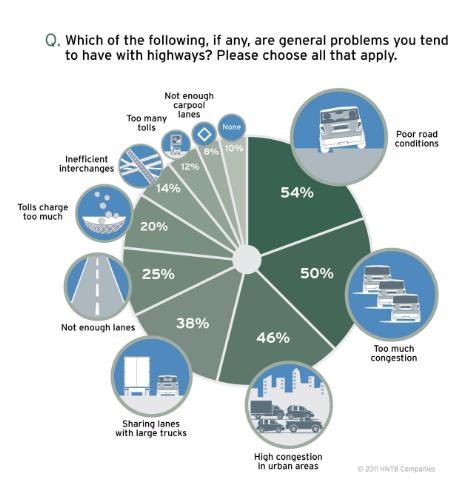
Many Americans are bothered by the condition of their highways, with 54% having a problem with the poor road conditions, and 50% saying these byways are too jammed.
"We can no longer ignore the growing liability our aging roads present to U.S. economic competitiveness and the mobility of our citizens," said Pete Rahn, leader of HNTB's national transportation practice. "Americans are feeling the pain, every day, as they commute and cross the nation's highways and bridges." HTNB provides architecture, engineering, planning and construction services.
Congestion can be caused by several factors, such as a lack of alternative modes of transportation and continued population growth. In fact, 46% of Americans think there is excessive traffic in urban areas.
Aging, inefficient highway lanes, whether there aren't enough of them or they are clogged with "slow-moving" semi-trucks, are also seen as a cause of congestion. More than one-third of Americans are distressed by having to share lanes with large trucks, and 25% think there aren't enough lanes.
One-quarter think creating dedicated lanes required for trucks would make the biggest difference in reducing traffic or bettering efficiency of freight delivery.
Focusing on corridors for the future
In 2007, the U.S. Department of Transportation announced a plan to highlight the need to reconstruct and expand six critical interstates, which carry 22.7% of the nation's daily interstate travel and are crucial to the efficient flow of freight traffic. These highways, Interstates 5, 10, 15, 69, 70 and 95, were designated "Corridors of the Future."
According to the latest HNTB research, nearly 7 in 10 Americans would be likely to support funding long-term improvements of these particular interstate highways.
"Given the support these interstates generate among many Americans, focusing on them could be a key to providing voters a new vision for addressing America's future mobility needs," said Rahn. "However, investing in these unique routes will require a special combination of funding mechanisms, including lifting the current federal restriction on tolling these existing interstate corridors."
Paying for pavement
Previous America THINKS research has shown many Americans prefer tolling over increased gas taxes. This latest HNTB survey shows many 66% of Americans also would like their toll money to go toward solving the wear-and-tear and congestion issues that cause so many to have problems with our highways.
Forty-one percent of these people would be willing to chip in for repairing or rebuilding worn-out roads and bridges. Thirty percent would prefer their tolls went to developing dedicated truck lanes; 24% prefer adding lanes to existing roads.
More than half of Americans would prefer taxes and highway toll money went to long-term interstate highway upgrades, such as creating truck-only lanes or high-occupancy lanes than short-term highway maintenance projects.
Spare change
According to Rahn, tolls likely will be an expanding source for future interstate highway funding.
"A variety of different funding strategies, such as tolling, will be needed as inflation, aging infrastructure, increased construction costs, alternative fuels and improved fuel economy vehicles continue to eat away at the purchasing power of the federal gas tax," he said.
While most Americans don't have a problem with the tolls on highways, they do have a range of what they would like to pay. More than 4 in 5 Americans think the average toll rate for every 10 miles on an interstate highway should be a dollar or less. In addition, 56% think the average toll rate for every 10 miles should be 50 cents or less.
Around 72% of Americans feel that interstate highway funding decisions should be made at the local or state level, while only 27% think this should be a federal responsibility.
Transportation departments, including state departments of transportation, local and regional transportation authorities and the U.S. Department of Transportation top the list of who many Americans think should be the primary decision makers for addressing the needs of interstate highways. Far fewer think this responsibility should be left to local, state and federal elected officials.
Similarly, nearly half of Americans think the state departments of transportation, not federal or other state entities, should handle approving the addition of tolls on specific highways, bridges or tunnels.
"It's clear Americans want to take the politics out of transportation prioritization and funding," said Rahn.
HNTB's America THINKS national Corridors of the Future survey polled a random nationwide sample of 1,000 Americans May 24-31, 2011. It was conducted by Kelton Research, which used an e-mail invitation and online survey. Quotas were set to ensure reliable and accurate representation of the total U.S. population ages 18 and over. The margin of error is +/- 3.1%.
More Drivers
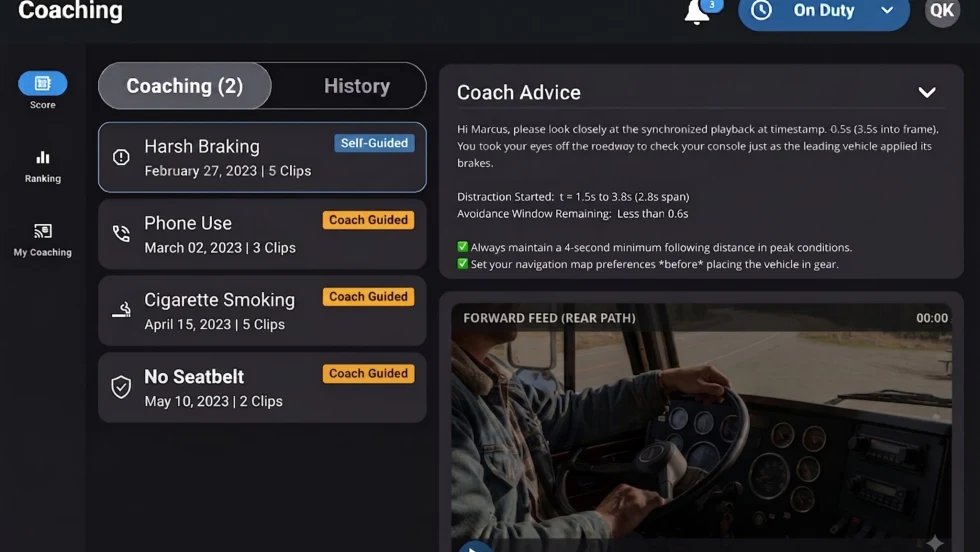
Platform Science Adds Dispatch and Safety Tools
Four additions to PS Fleet help fleets monitor loads, manage driver coaching, share truck locations and adjust video system settings.
Read More →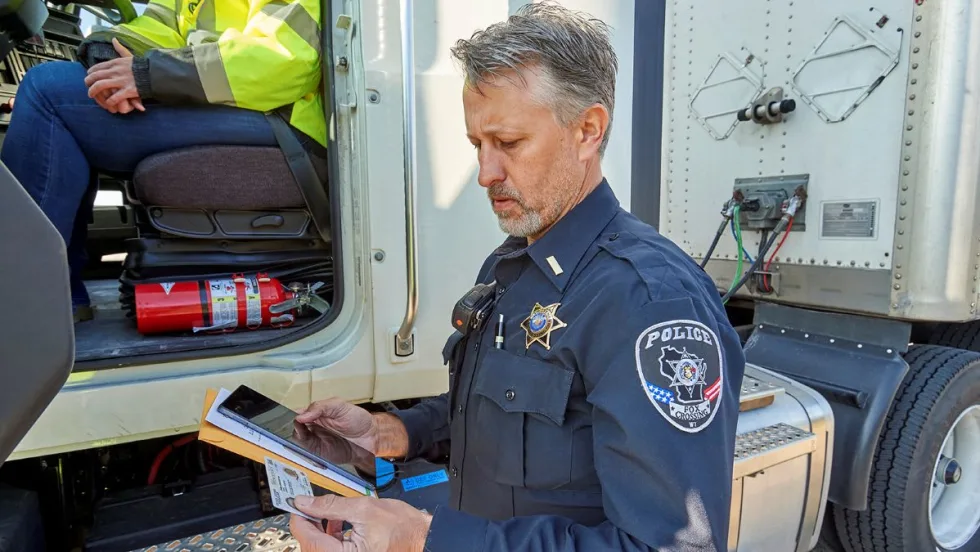
When Language Stops the Truck: The Return of ELP Out-of-Service Orders
English language proficiency rules for commercial drivers aren’t new, but renewed out-of-service enforcement has raised the stakes. Here’s what carriers need to know before a driver reaches a roadside inspection.
Read More →
Samsara Launches Custom AI Agent Builder
Agent Studio lets fleets create AI tools for hours-of-service monitoring, reporting and driver support, including agents that communicate by phone.
Read More →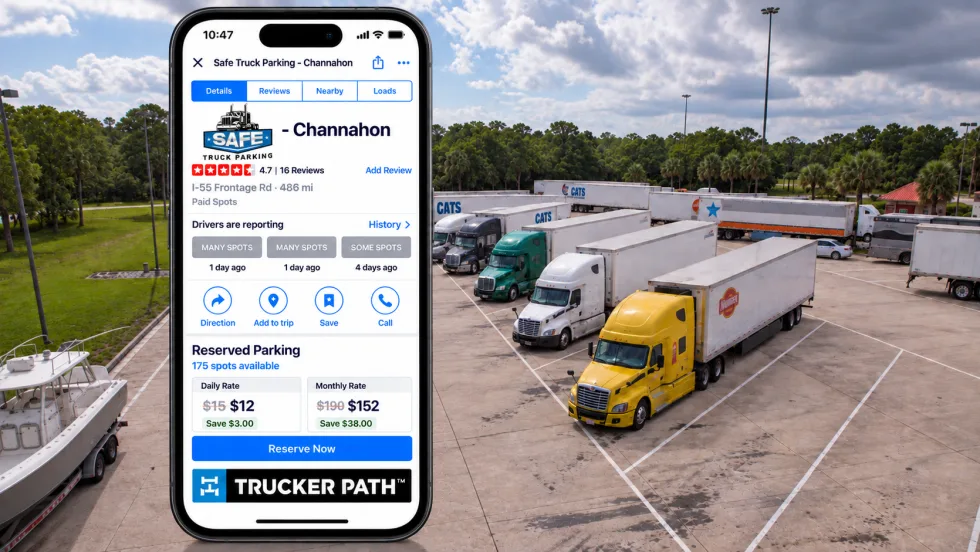
Trucker Path Expands Reserved Parking Network
Trucker Path has added close to 6,000 more truck parking spaces to its Trucker Path Reserved Parking Network with the addition of Safe Truck Parking.
Read More →
EEOC Sues Texas Trucking Company Over Driver Age Limits
The agency says Trancasa USA rejected applicants over 65 and applied tougher driving-record standards to those over 60.
Read More →
Nussbaum, Roehl Announce Second Driver Pay Increase This Year
This year has seen a swath of major truck driver pay increases as freight capacity has tightened.
Read More →
From One Generation to the Next: How Mentorship Builds Safer Truck Drivers
After three decades in trucking, Harold Perry shares what he's learned about driver safety, mentorship, and helping the next generation build confidence behind the wheel.
Read More →
Truck Drivers Need More Than Another Alert
Fleets have more visibility into truck health, safety events, and driver activity than ever. The next challenge is turning all that information into useful guidance for the person who has to decide what to do next.
Read More →
FMCSA Removes 110 Truck Driver Training Schools from Certified ELDT List
Federal regulators also are targeting more than 160 additional training providers and launching a nationwide audit of third-party CDL skills testers as part of a broader crackdown on trucking fraud.
Read More →
Hours of Service Pilot Programs: FMCSA Readies for 2027 Rollout
Two pilot programs could eventually reshape hours-of-service rules, giving truck drivers options to pause their 14-hour clock or use longer split sleeper rest periods.
Read More →