




The Supreme Court yesterday dashed trucking industry hopes of putting the brakes on the Environmental Protection Agency’s emissions rules.
The justices unanimously said that the federal government does not have to consider financial costs when it writes rules to cut harmful engine exhaust. They also rejected an earlier federal appeals court decision that said EPA exceeded the intent of Congress when it set tough standards for ozone and soot in 1997.
The decision, considered a landmark by environmentalists, closes a chapter on the attempt by business interests, including American Trucking Associations and the U.S. Chamber of Commerce, to restrain EPA’s clean air rulemaking.
An industry victory would have given engine builders some measure of increased control over operating costs. According to Allen Schaeffer of the Diesel Technology Forum, a requirement that EPA consider financial costs when it drafts the rules could have led to a relaxing of current ambient standards for ozone and fine particles, which in turn would restrain fuel and engine costs.
Writing for the majority, Justice Antonin Scalia said that the Clean Air Act does not permit the EPA to consider costs in setting the standards. “The language, as one scholar has noted, ‘is absolute,’” Scalia wrote. Industry arguments against this language are “lengthy, spirited but ultimately unsuccessful,” he said.
EPA does consider costs – but only when it implements the rules, not when it writes them.
Probably more important than the money, though, was the question whether EPA exceeded the intent of Congress. A decision in favor of industry on that point would have sent shockwaves through the entire regulatory structure by calling into question the controlling legislation for all federal agencies.
In rejecting the appeals court’s decision, the justices sent the issue back for reinterpretation – but said the reinterpretation cannot find that EPA exceeded congressional intent.
In another part of the ruling the justices said that EPA will have to come up with a different policy for implementing ozone standards in areas where ozone levels are too high.
Environmentalists hailed the decision. John R. Garrison, CEO of the American Lung Assn., said the court supported the principle that air pollution health standards must be set to protect public wealth with an adequate margin of safety and not based on costs.
“We are also heartened that the Court upheld the constitutionality of the Clean Air Act's standard-setting process,” he said.
ATA said it was “disappointed” but found a positive note in the court’s determination that EPA needs to clarify its ozone standards policy.
“The objective of these lawsuits was to work to obtain clear, understandable legal standards to promote clean air in a sensible fashion,” the association said in a statement. “The ruling that EPA exceeded its authority in attempting to impose a new ozone standard, coupled with the lower court’s unchallenged decision that the beneficial health effects of ozone should have been considered, are significant developments toward this objective.”
Supreme Court Preserves Status Quo on Engine Emission Standards
The Supreme Court yesterday dashed trucking industry hopes of putting the brakes on the Environmental Protection Agency’s emissions rules
More Aftermarket
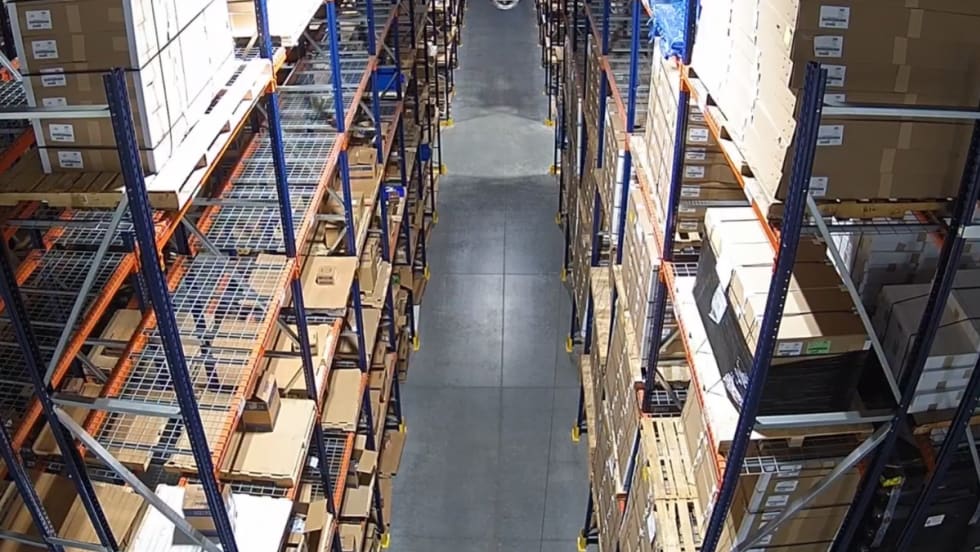
Phillips Opens High-Tech Distribution Center for Faster Parts Delivery
Phillips Industries’ new Cincinnati-area distribution center is now shipping aftermarket trucking parts nationwide, aiming to speed up delivery times for customers.
Read More →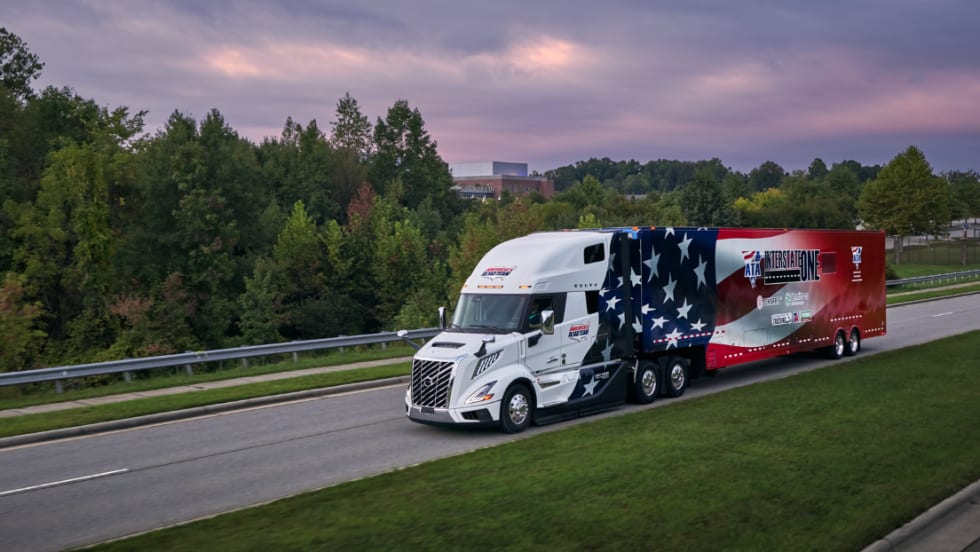
Volvo to Sponsor America’s Road Team for 2025
Volvo Trucks announced that it is extending its exclusive sponsorship of America’s Road Team for 2025.
Read More →
Webb to Start Taking Orders for UltraSet Pre-Adjusted Wheel Hubs
Webb, which recently acquired the Stemco Trifecta pre-adjusted hub program, will soon start taking orders for its replacement pre-assembled hub, the UltraSet.
Read More →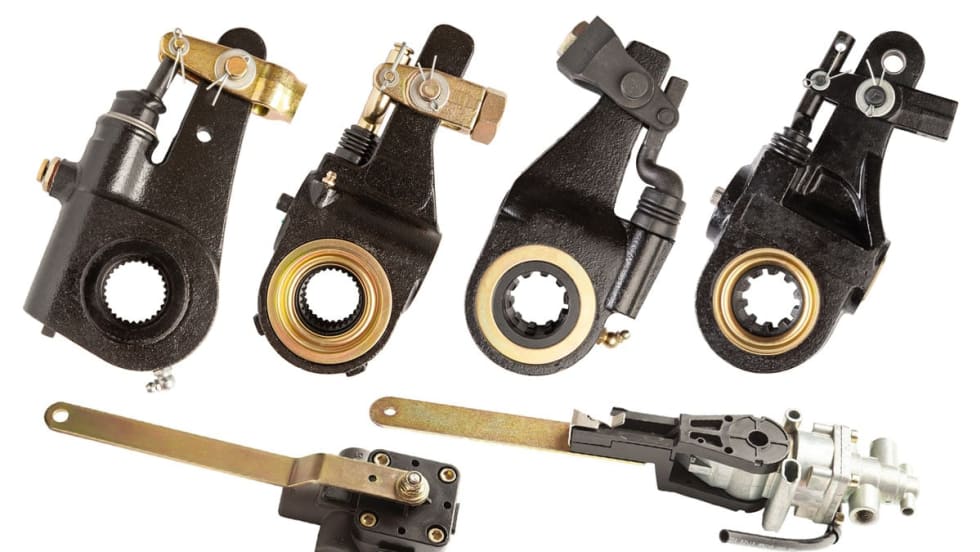
All-Makes Automatic Brake Adjusters, Ride Height Control Valves from Midland
SAF-Holland has added automatic brake adjusters and ride height control valves to its Midland All-Makes Program.
Read More →
ZF Aftermarket Expands [pro]Academy Training
ZF Aftermarket said it is expanding its ZF [pro]Academy training and will be adding 40 new modules this year.
Read More →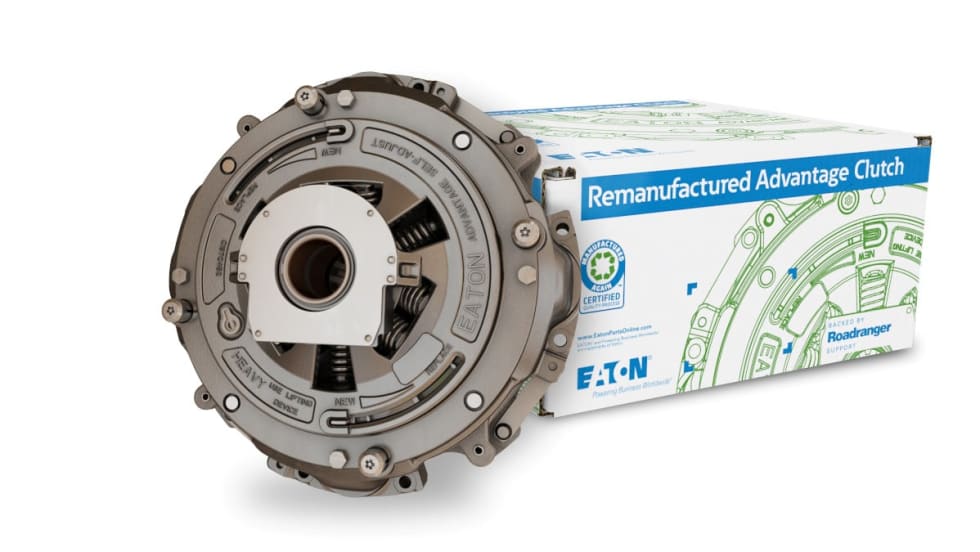
Eaton Adds Remanufactured Advantage Line of Clutches
Eaton has added its Advantage clutches to its remanufactured product line. The clutches feature a unique strap drive intermediate plate designed to allow customers to choose the latest OE specification
Read More →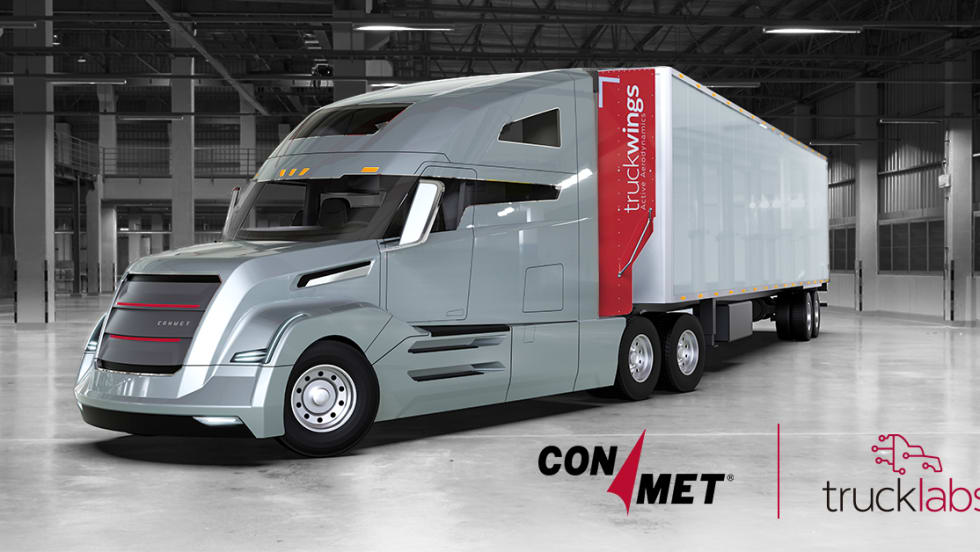
ConMet Acquires TruckLabs, the Creator of TruckWings
Commercial truck and trailer parts provider ConMet acquired TruckLabs, the company that created TruckWings, an aerodynamic device that attaches to truck cabs and deploys to close the gap between truck and trailer. TruckLabs now operates as a subsidiary of ConMet.
Read More →
Diesel Laptops Releases Fault-Code-to-Part-Number Tool
Diesel Laptops said its Truck Fault Codes allows users to input a fault code and immediately identify and order the parts needed to complete repair work.
Read More →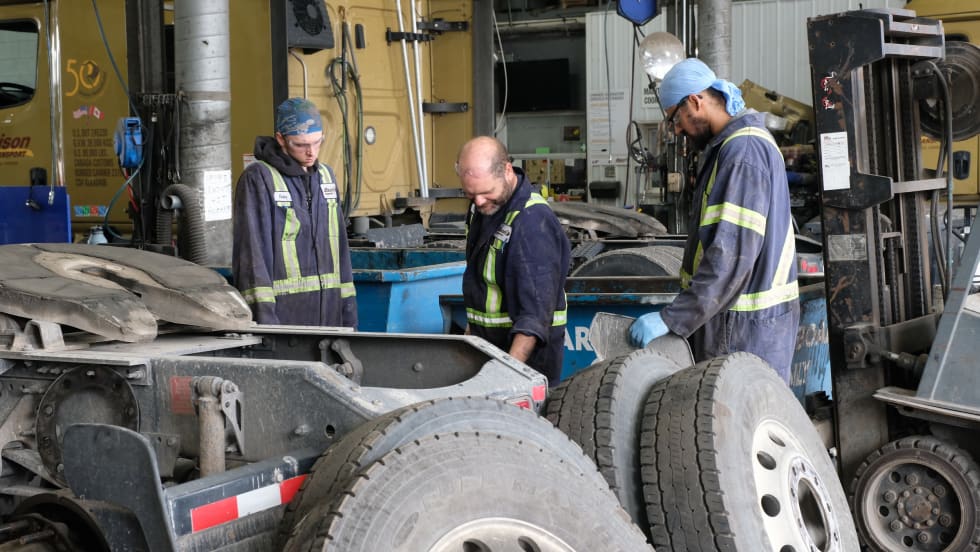
Heavy Duty Parts and Labor Costs Dropped in Q2
A benchmarking report from TMC and Decisiv reveals good news for fleets as heavy-duty parts and labor costs dropped in the second quarter of 2023.
Read More →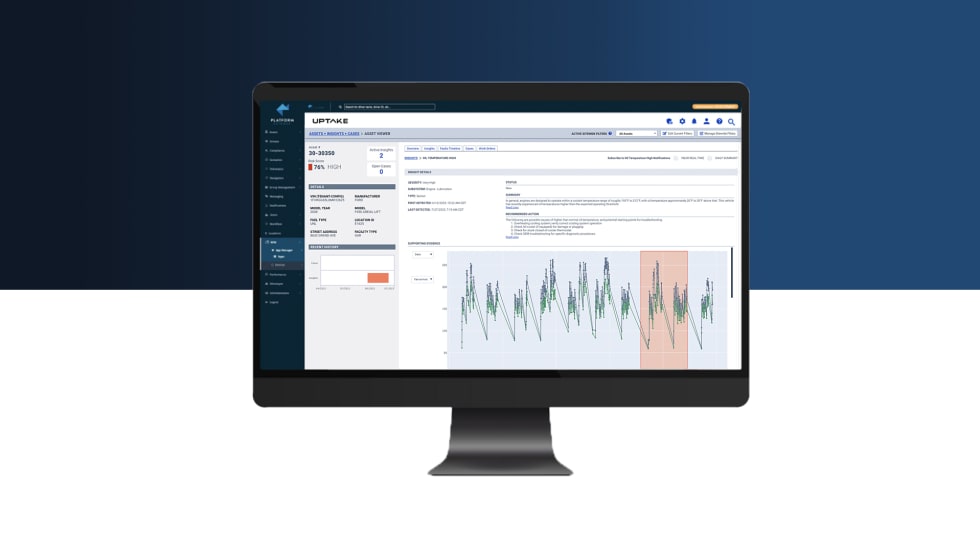
Platform Science, Uptake Partner on Predictive Maintenance Platform
Platform Science and Uptake have formed a partnership aimed at bringing a comprehensive predictive maintenance program to market for U.S. truck fleets.
Read More →