




U.S. Xpress Quizzes Logistics Managers
According to a recent survey of more than 400 logistics managers by transportation services provider U.S. Xpress Enterprises, only 59% of shippers use performance metrics to manage freight costs and only 43% are currently running or planning to implement a transportation management system.
According to a recent survey of more than 400 logistics managers by transportation services provider U.S. Xpress Enterprises, only 59% of shippers use performance metrics to manage freight costs and only 43% are currently running or planning to implement a transportation management system.
The survey, which was conducted in conjunction with Peerless Research Group, also shows a strong preference for dynamic optimization with nearly three-fourths of all shippers preferring that their carriers use present, actual shipping data rather than historic data to set their rates, with less than 1 in 5 favoring the use of historic or static data.
In terms of shipping timeframes, the survey confirmed the industry’s interest in just-in-time shipping, with 41% booking freight one day in advance and more than four in five scheduling three or fewer days ahead. The top strategies shippers use for controlling freight costs are: consolidating shipments (60%), improving decision making and planning utilizing reporting (58%), working with fewer partners (53%), optimizing internal resources (52%), implementing or planning TMS (39%), adopting KPIs for carriers (38%) and working with more carriers (33%).
The survey shows that only around 4 out of 10 shippers are currently using any tool(s) to assess shipping costs, relying instead on less sophisticated methods to gauge their shipping costs. Among the 59% of carriers evaluating their freight costs, the most common aspects of shipping being measured are spend by carrier (74%), cost by route (72%), on-time performance (68%), spend by shipment volume (66%) and cycle time and carrier capacity (32% each).
It is also clear from the study that many of those who are using a transportation management system are happy with it and 21% indicating their belief that they are using these tools to their fullest advantage and for multiple initiatives, from tracking and tracing and load and route optimization, to provide mode selection and real time tracking.
The study also showed that shippers are continually seeking to advance their operations. Areas earmarked for improvement are load optimization – consolidation, backhauls, etc. (44%), electronic communication – EDI, XML (44%), billing and invoicing (39%), reporting capabilities (37%) and integration of logistics and transportation applications with other enterprise apps –ERP, WMS, etc. (34%).
Data sharing and supply chain visibility is another critical factor. While nearly one-half of respondents think their organization has sufficient ability to share and exchange information with customers and suppliers, almost one out of five rate their company unfavorable in this area.
“The survey demonstrates that there is great variance among shippers in terms of the level of technology they employ in doing freight optimization,” said John White, executive vice president of sales and marketing, U.S, Xpress Enterprises.
“However, regardless of what systems they are currently using, it is clear that more widespread and efficient use of transportation management systems, clearer supply chain visibility, improved analytics, enhanced cooperation and data sharing between carriers and shippers and more up-to-date data could go a long way toward optimizing loads and reducing costs for everyone involved. It is critical for carriers and shippers to work together to find mutually beneficial solutions.”
More Fleet Management

Public Wi-Fi Cybersecurity Risks: How Truck Drivers and Fleets Can Protect Their Data
Public Wi-Fi can expose truck drivers and fleets to credential theft, malware, and other cyber threats. Here’s how to reduce the risk on the road.
Read More →
For Nicky Cupp, Fleet Innovation Starts With Frustration
HDT Truck Fleet Innovator Nicky Cupp turns everyday pain points at Fraley & Schilling into opportunities for better technology and smarter processes.
Read More →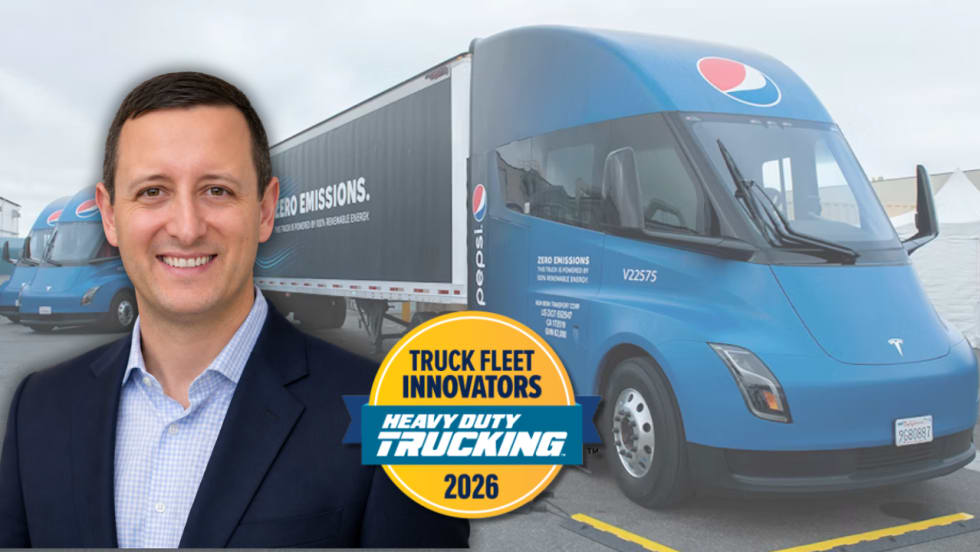
Adam Buttgenbach’s Approach to Electric Trucks: Start With Where They Fit
HDT Truck Fleet Innovator Adam Buttgenbach helped PepsiCo build one of North America’s largest EV fleets by focusing on where electric trucks make operational sense.
Read More →
Deen Albert: Let Automation Do the Math, People Make the Decisions
HDT Truck Fleet Innovator Deen Albert makes sure people are still at the heart of operations at Grand Island Express, even while adopting artificial intelligence tools. AI-assisted dispatch helped boost revenue 25% with the same number of trucks.
Read More →
Trimble’s New AI Agent Takes Aim at Fleet Back-Office Busywork
Arc Agent works across Trimble TMS products to automate repetitive tasks such as freight orders, maintenance, invoices, fuel costs and more.
Read More →
How HDT’s 2026 Truck Fleet Innovators Are Rethinking Fleet Operations
Meet five trucking leaders who are challenging assumptions, solving operational problems, and putting innovative ideas to work.
Read More →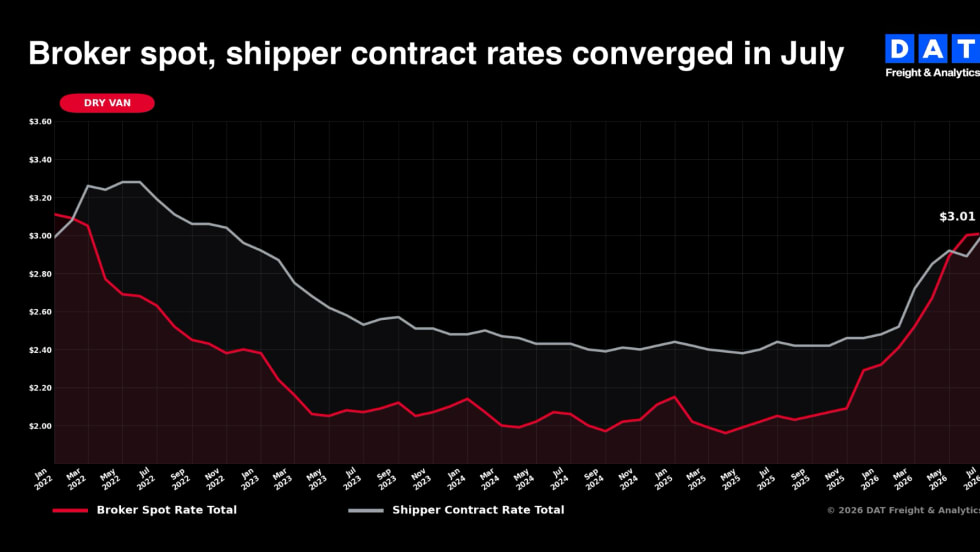
Tight Trucking Capacity Pushes Rates Higher Even as Freight Volumes Fall
“Spot rates moving ahead of contract rates have historically signaled a tightening market, but we haven’t seen a capacity-driven market quite like this one,” said DAT's Dean Croke.
Read More →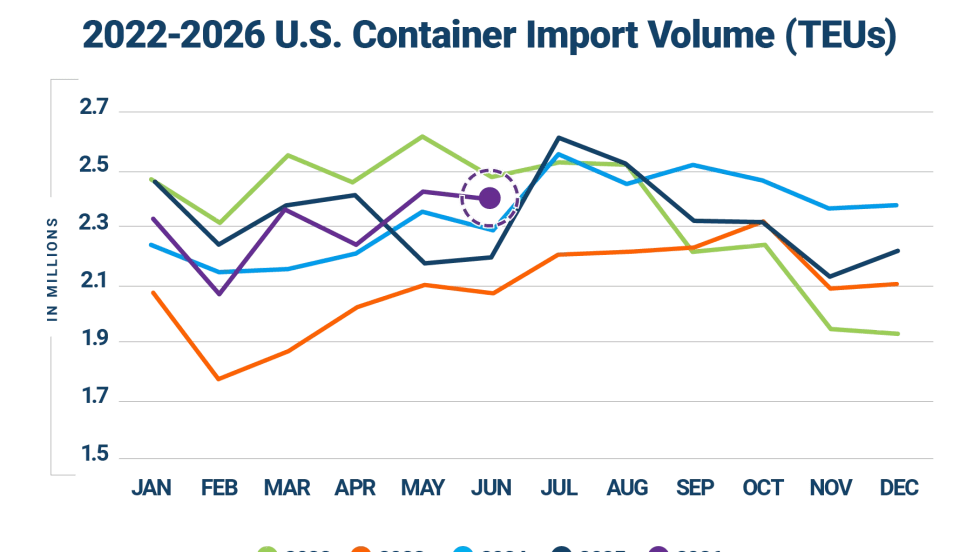
Import Cargo’s Early Peak Season is Winding Down
There was an early start to peak season this year at the nation's gateway ports, as retailers brought in merchandise ahead of tariff changes in late July and responded to other supply chain uncertainties,
Read More →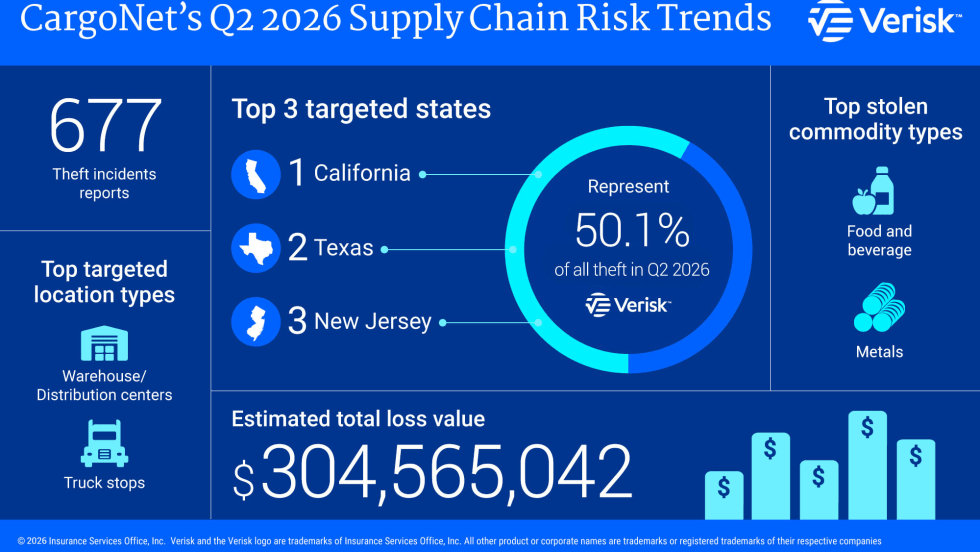
Fewer Cargo Thefts, Bigger Losses: Criminals Target Higher-Value Loads
CargoNet says organized theft rings are stealing fewer shipments but choosing more valuable freight, including metals and technology, resulting in record losses.
Read More →
How Innovative Trucking Leaders Turn Change Into an Advantage
As the pace of change accelerates in trucking, the fleets that adapt best have more than the latest technology. They have cultures that embrace improvement.
Read More →