




Study Recommends Haz-Mat Improvements
The U.S. Department of Transportation’s hazardous materials program works reasonably well, but needs improvement, according to a recently released program evaluation.
The U.S. Department of Transportation’s hazardous materials program works reasonably
well, but needs improvement, according to a recently released program evaluation.
The evaluation was done by a team representing the Research and Special Programs Administration, U.S. Coast Guard, Federal Aviation Administration, Federal Motor Carrier Safety Administration, Federal Railroad Administration and DOT’s Office of Inspector General. Some of the major findings and recommendations:
* DOT hasn’t achieved a department-wide approach to implementing its hazardous materials programs. The program lacks sound strategic planning and coordinated DOT-wide direction. The team recommended the establishment of an organization DOT to administer and deliver a coordinated hazardous materials program with authority to set overall policy, program objectives and priorities and focus budget and resource strategies.
* Shippers of hazardous materials generally receive less attention than carriers, yet they offer the greatest opportunity to improve safety. Currently shippers account for about 5% of all hazardous materials inspections, yet analysis and public comment repeatedly identify the shipper, more often that the carrier, as the party most culpable for non-compliance with haz-mat regulations. The recommended that DOT place more focus on high-risk or problem shippers and identify other critical points in the transportation stream for program focus.
* Human error continues to be the single greatest contributing factor in hazardous materials incidents and DOT has not been effective in changing this trend. Training requirements need to be improved to change industry safety practices and ensure that those responsible for handling haz-mat are properly trained. “Strike force” inspections at multi-modal locations could be used to cross-train inspectors and enforce regulations.
* DOT needs to have more reliable, accurate and timely data to measure program effectiveness and make informed program decisions. The team said the quality of hazardous materials data could be improved by asking the Bureau of Transportation Statistics to with the various agencies to determine data needs, collection strategies and analytical techniques.
The full report and an executive summary are available online at http://hazmat.dot.gov/hmpe.htm.
More Drivers

Competition Heating Up for Truck Drivers
New report reveals rising driver hiring costs, the return of sign-on bonuses, growing AI advantages, and the operational factors shaping driver retention.
Read More →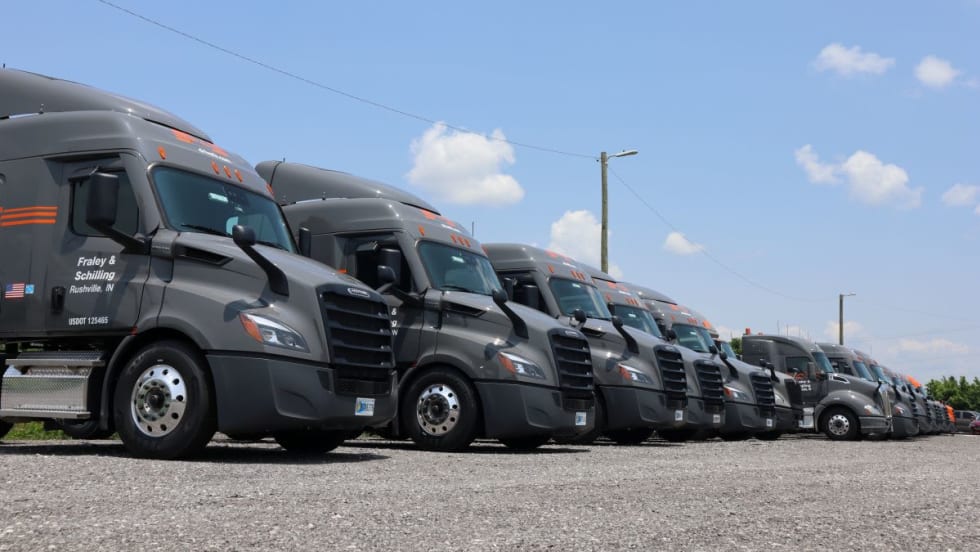
How Fraley & Schilling Improved Logbook Compliance by Over 50%
Fraley & Schilling needed a way to close a compliance workflow gap in its ELD system without adding more work from driver training, reminders, and back-office follow-ups. It found the answer in a custom driver app.
Read More →
Volvo Goes Gaming
Volvo has roared into American Truck Simulator with two new flagship trucks.
Read More →
What the Best Fleets to Drive For Teach About Driver Retention
Survey fatigue, AI-powered routing, owner-operator expectations, and the decline of social media all emerged as themes from this year's Best Fleets to Drive For program.
Read More →
Driver Retention Lessons From the Best Fleets to Drive For
What separates trucking's best workplaces from the rest? Jane Jazrawy shares the biggest lessons from this year's Best Fleets to Drive For program on driver retention, communication, AI, and workforce trends on the HDT Talks Trucking podcast.
Read More →
Farewell, CDL: Why I'm Giving Up My Commercial Driver's License
After more than 20 years as a CDL holder, HDT Executive Editor Jack Roberts is letting his commercial license expire. Not because he wants to — but because trucking's nuclear verdict crisis has made the risks of public-road test drives too great for editors, manufacturers, and everyone involved.
Read More →
How Top Trucking Fleets Improve Driver Retention [Video]
What do healthy snacks, optimized routing, and just picking up the phone have in common? They're all strategies the Best Fleets to Drive For are using to retain truck drivers.
Read More →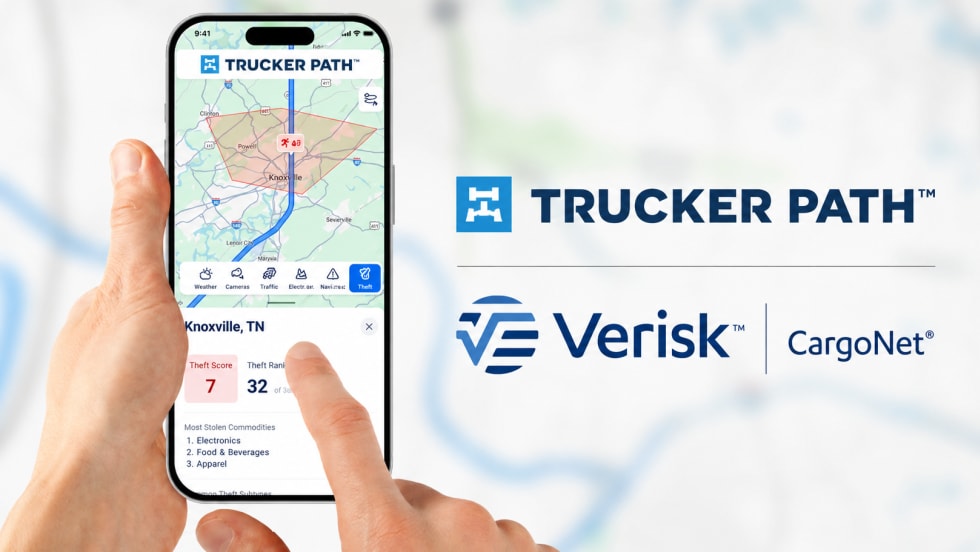
Trucker Path Adds Verisk CargoNet Theft Data to Navigation Platform
Trucker Path’s new cargo theft risk overlays give drivers and fleets visibility into high-risk areas, stolen commodity trends, and theft hotspots.
Read More →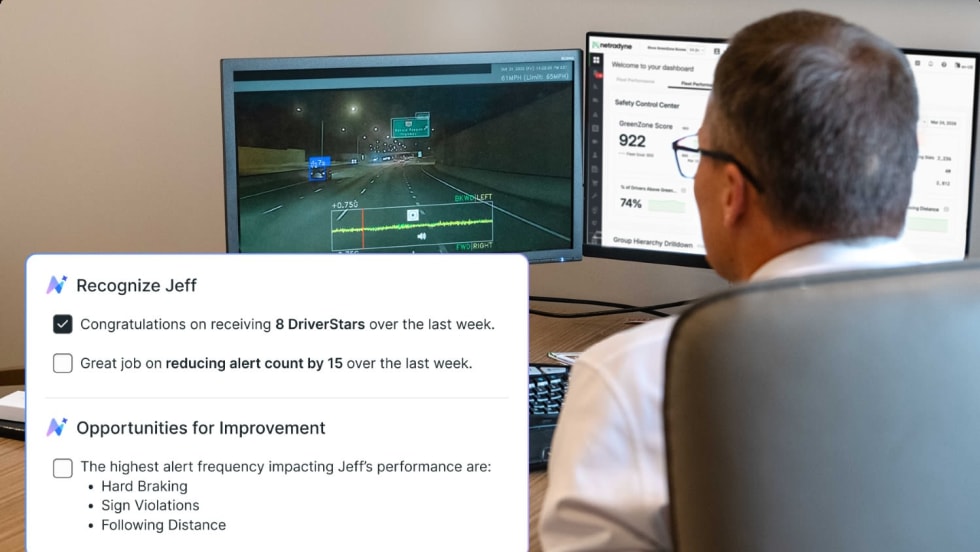
Netradyne Intelligence Uses New AI Agents to Automate Response to In-Cab Camera Data
The company called the next-generation in-cab camera safety platform "a fundamental shift from systems that report on what happened to systems that actively drive what should happen next."
Read More →
Why Truck Detention Keeps Costing Fleets Time and Money
A 2024 ATRI study found detention affects nearly 40% of truckload stops and costs the industry more than $15 billion annually. Despite the toll on drivers, fleets, and supply chains, the problem remains stubbornly persistent.
Read More →