




Study Points to Effectiveness of LNG Heavy Trucks
Trucks fueled by liquefied natural gas are the most effective option for reducing our nation's oil us
Trucks fueled by liquefied natural gas are the most effective option for reducing our nation's oil use
, according to a study by Resources for the Future (RFF) and the National Energy Policy Institute (NEPI). LNG heavy-duty trucks would cut oil consumption by 2.2 million barrels per day in 2030.
The study, "Toward a New National Energy Policy: Assessing the Options," includes an economic analysis of more than 35 available policy options for reducing U.S. oil consumption and curbing carbon dioxide emissions through 2030. The LNG option is one of them and found to be the most effective. The analysis was conducted by RFF, an independent, non-partisan think tank aimed at helping policymakers and stakeholders make better decisions on energy, environmental and natural resource issues. Another contributor was NEPI, a non-partisan independent energy research organization, based at the University of Tulsa and funded by the George Kaiser Family Foundation.
"Targeting oil use by the nation's heavy-duty diesel truck fleet appears to make sense, as these trucks have particularly low gas mileage and travel so many miles per year," the report said.
The analysis considers a 10 percent penetration of new LNG heavy-duty trucks starting in 2011, rising over a 10-year period at an additional 10 percent each year. LNG would then account for 100 percent of new truck purchases by 2020. By 2030, LNG trucks would make up over 70 percent of the entire heavy-duty truck fleet, under this policy.
The study says the switch would also cut CO2 emissions by 1.8 billion metric tons between 2011 and 2030. The discounted value of policy costs would be around $186 billion.
The study also outlines some of the factors that have limited the use of LNG in trucks up until now, including the price of LNG vehicles compared to diesel or gasoline counterparts, the unstable prices of natural gas, problems with the energy paradox, and lack of fuel infrastructure.
"Also on the horizon, the price of LNG trucks could fall with increased production levels and, depending on the costs of bringing shale gas to market, fuel costs could either fall or rise more slowly than they otherwise would," the report said.
The analysis emphasizes that while there is no single "silver bullet" to address energy security and climate concerns, several cross-cutting policy combinations are available now to reduce dependence on foreign oil while also ratcheting down carbon emissions.
For more information about the study, click here.
More Aftermarket
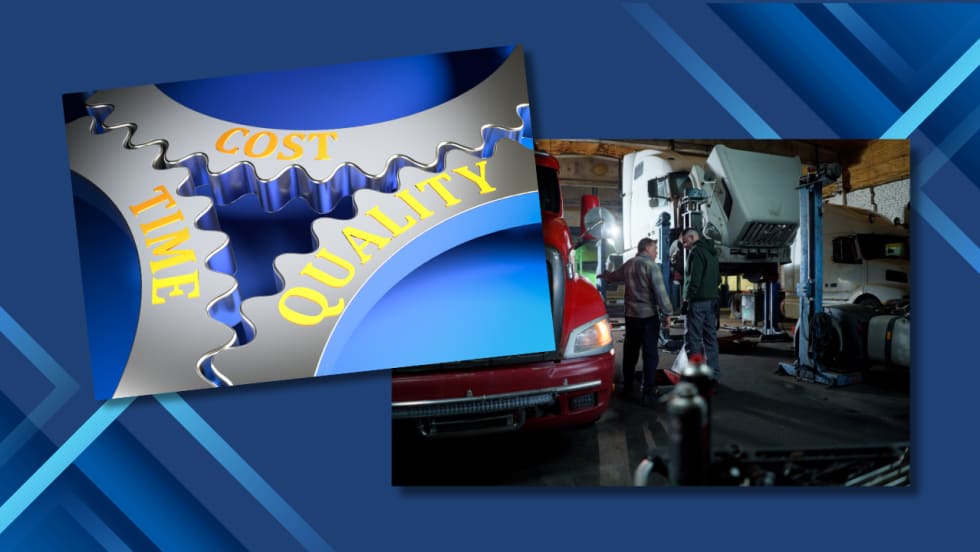
What Three Fleets Are Doing Differently When Buying Truck Parts in 2026
With freight improving but costs still climbing, fleet maintenance executives explain how they're balancing price, quality, and supplier relationships.
Read More →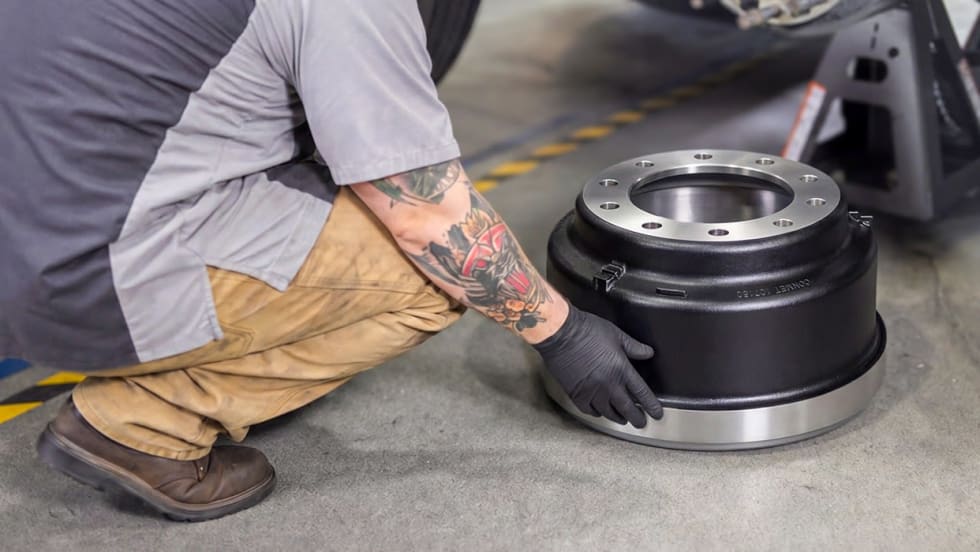
ConMet Expands Aftermarket Brake Drum Lineup With TruCast
A new heavy-duty truck brake drum option in the aftermarket gives customers more flexibility within the ConMet product family.
Read More →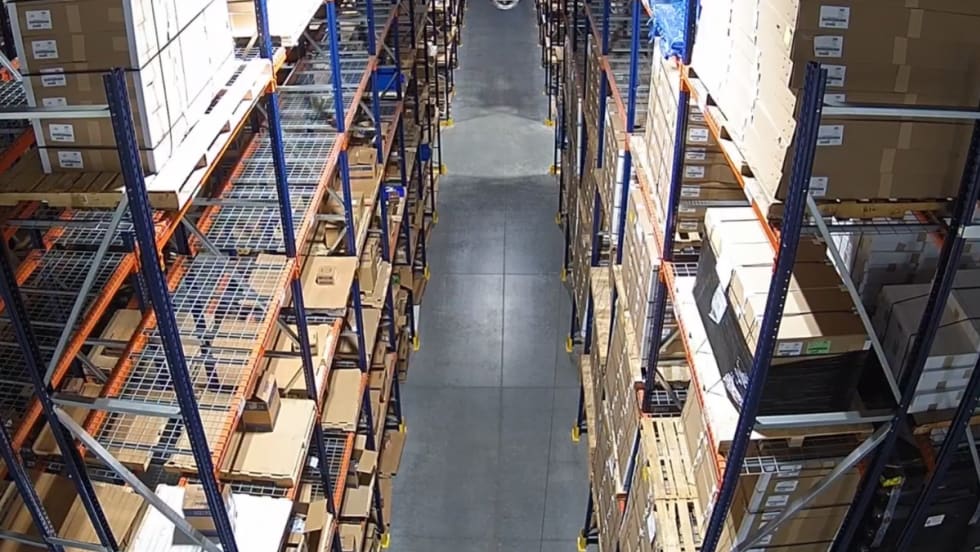
Phillips Opens High-Tech Distribution Center for Faster Parts Delivery
Phillips Industries’ new Cincinnati-area distribution center is now shipping aftermarket trucking parts nationwide, aiming to speed up delivery times for customers.
Read More →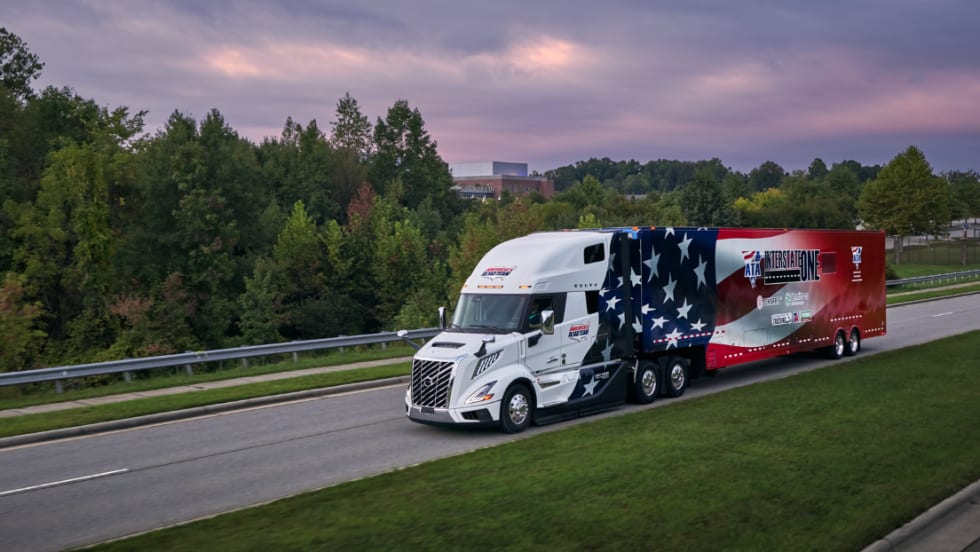
Volvo to Sponsor America’s Road Team for 2025
Volvo Trucks announced that it is extending its exclusive sponsorship of America’s Road Team for 2025.
Read More →
Webb to Start Taking Orders for UltraSet Pre-Adjusted Wheel Hubs
Webb, which recently acquired the Stemco Trifecta pre-adjusted hub program, will soon start taking orders for its replacement pre-assembled hub, the UltraSet.
Read More →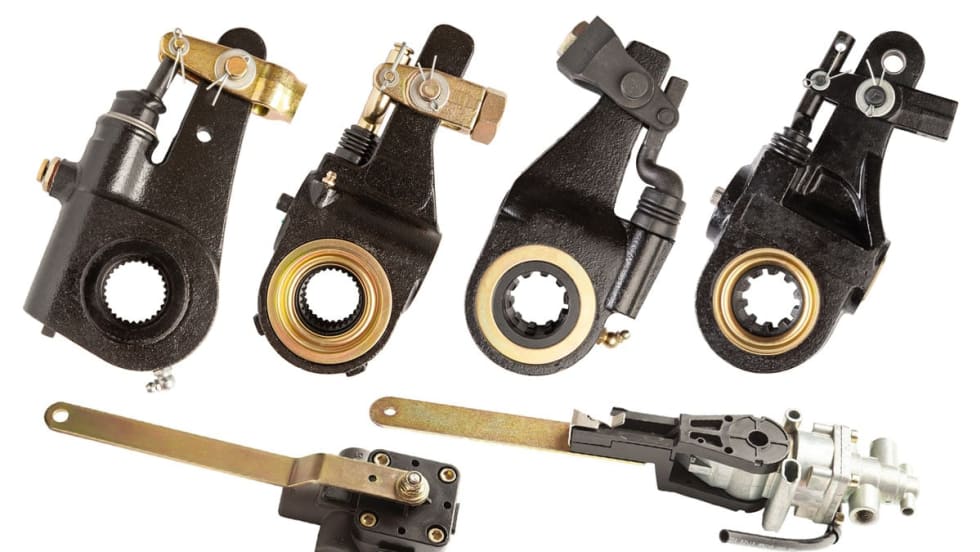
All-Makes Automatic Brake Adjusters, Ride Height Control Valves from Midland
SAF-Holland has added automatic brake adjusters and ride height control valves to its Midland All-Makes Program.
Read More →
ZF Aftermarket Expands [pro]Academy Training
ZF Aftermarket said it is expanding its ZF [pro]Academy training and will be adding 40 new modules this year.
Read More →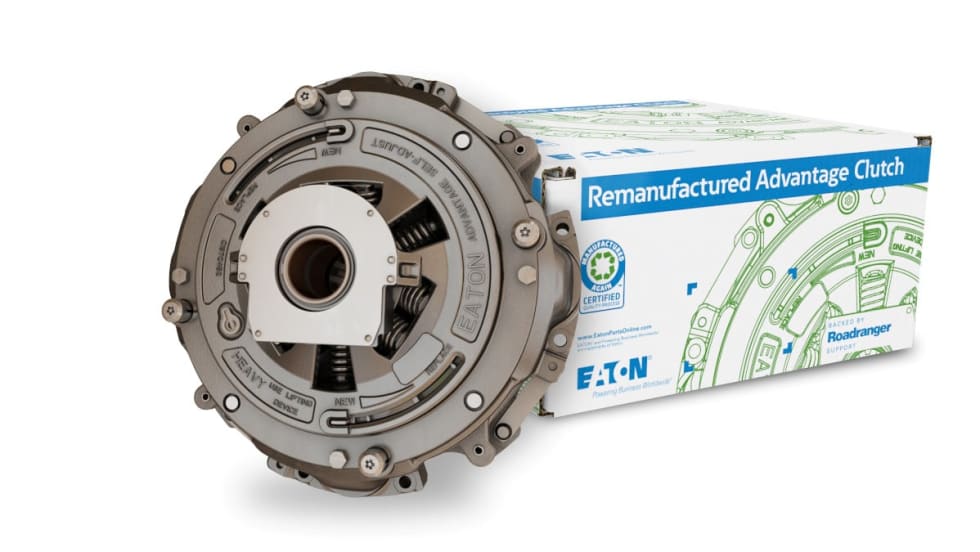
Eaton Adds Remanufactured Advantage Line of Clutches
Eaton has added its Advantage clutches to its remanufactured product line. The clutches feature a unique strap drive intermediate plate designed to allow customers to choose the latest OE specification
Read More →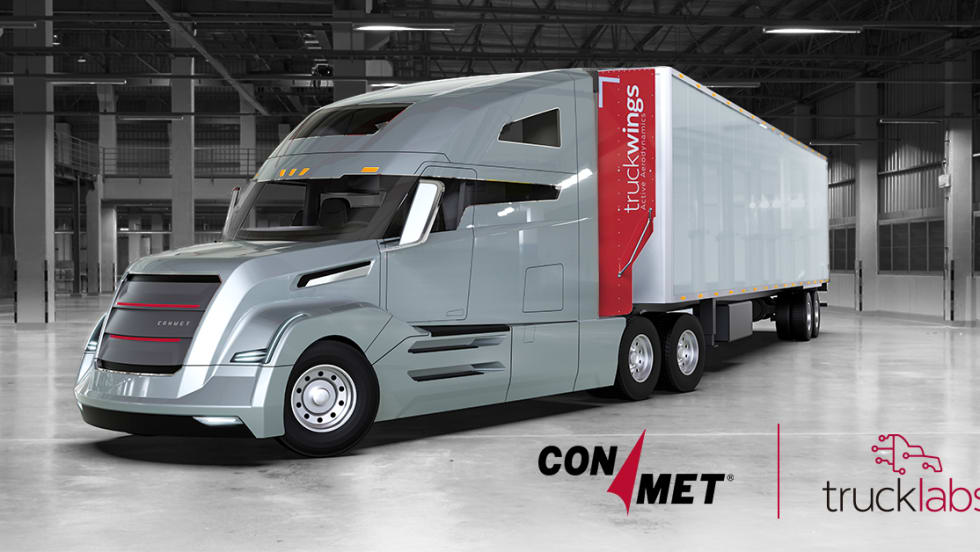
ConMet Acquires TruckLabs, the Creator of TruckWings
Commercial truck and trailer parts provider ConMet acquired TruckLabs, the company that created TruckWings, an aerodynamic device that attaches to truck cabs and deploys to close the gap between truck and trailer. TruckLabs now operates as a subsidiary of ConMet.
Read More →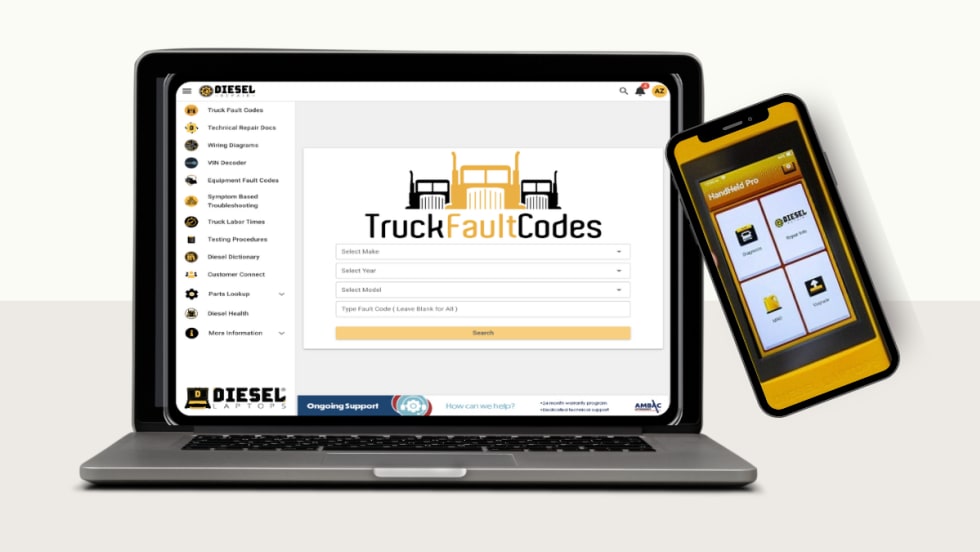
Diesel Laptops Releases Fault-Code-to-Part-Number Tool
Diesel Laptops said its Truck Fault Codes allows users to input a fault code and immediately identify and order the parts needed to complete repair work.
Read More →