




Study Labels Some Highway Projects a ‘Boondoggle’
The U.S. Public Interest Research Group’s "Highway Boondoggles: Wasted Money and America’s Transportation Future," explains how 11 projects, costing at least $13 billion, are based on what it says are driving forecasts that are out of synch with the decade-long trend toward less driving.
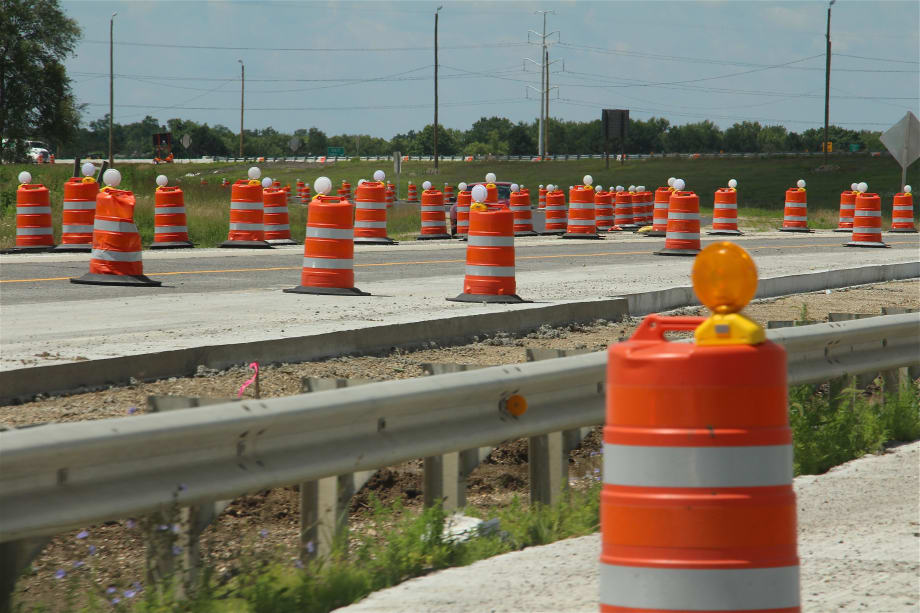
Photo: Evan Lockridge

A new report by a consumer lobby group has identified what it says are nearly a dozen highway spending projects in the U.S. it characterizes as “boondoggles.”
The U.S. Public Interest Research Group’s Highway Boondoggles: Wasted Money and America’s Transportation Future explains how the 11 projects, costing at least $13 billion, are based on what it says are driving forecasts that are out of synch with the decade-long trend toward less driving.
“Americans have been driving less, but state and federal governments are still spending billions of dollars on highway expansion projects based on outdated and obsolete assumptions,” said Phineas Baxandall, senior analyst at U.S. PIRG and a co-author of the report. “The time has come to shift our resources to invest in 21st century priorities, like fixing our roads and bridges and providing more Americans with a wider range of transportation choices.”
The report was released as Congress has been debating a long-term highway funding measure, including how to sustain the Highway Trust Fund, make up of fuel and other taxes, which goes to pay for highway projects.
According to the group, with the federal Highway Trust Fund on “life support,” states struggling to meet basic infrastructure maintenance needs, and growing demands for investment in public transportation and other non-driving forms of transportation, America does not have the luxury of wasting tens of billions of dollars on new highways of questionable value. It said state and federal decision-makers should reevaluate the need for the projects profiled in this report and others that “no longer make sense in an era of changing transportation priorities.”
Among the projects on the list are the Illiana Expressway, in Illinois and Indiana, a $1.3 billion to $2.8 billion project.
“A new privatized toll road proposed primarily to speed freight trucks across the Midwest may instead charge tolls too high to attract trucks, and will likely require hundreds of millions of dollars in taxpayer subsidies” according to U.S. PIRG.
Also on this list is a project that calls for double-decking I-94 in Milwaukee, at a cost $1.2 billion.
“Insisting on a wider road despite its own data showing feared traffic increases are not materializing, the Wisconsin Department of Transportation seeks to rebuild an existing highway as an eight-lane double-decker route through a narrow channel between three cemeteries, despite objections from local officials and citizen groups," according to the group.
Baxandall said with limited resources dedicated to repair, and more than 600,000 bridges in the country that engineers have deemed “structurally deficient,” according to the Federal Highway Administration, he questions the need for project to build new roadways.
“Why should states prioritize spending on these highly questionable highway expansions while 600,000 bridges remain structurally deficient and other, more deserving projects languish without funds?” he said.
The report is available on the U.S. Public Interest Research Group website.
Related:
Study: More Money Doesn't Equal Better Highways
U.S. Driving Level Highest in Six Years
More Fleet Management

How Innovative Trucking Leaders Turn Change Into an Advantage
As the pace of change accelerates in trucking, the fleets that adapt best have more than the latest technology. They have cultures that embrace improvement.
Read More →
Freight Broker Bonds Just Got Harder to Get. Here's What That Means for Your Fleet.
When it gets harder for a freight broker to prove they are financially sound, the ones who cannot clear that bar get pushed out of the market. And those are exactly the brokers who used to leave motor carriers holding the bag.
Read More →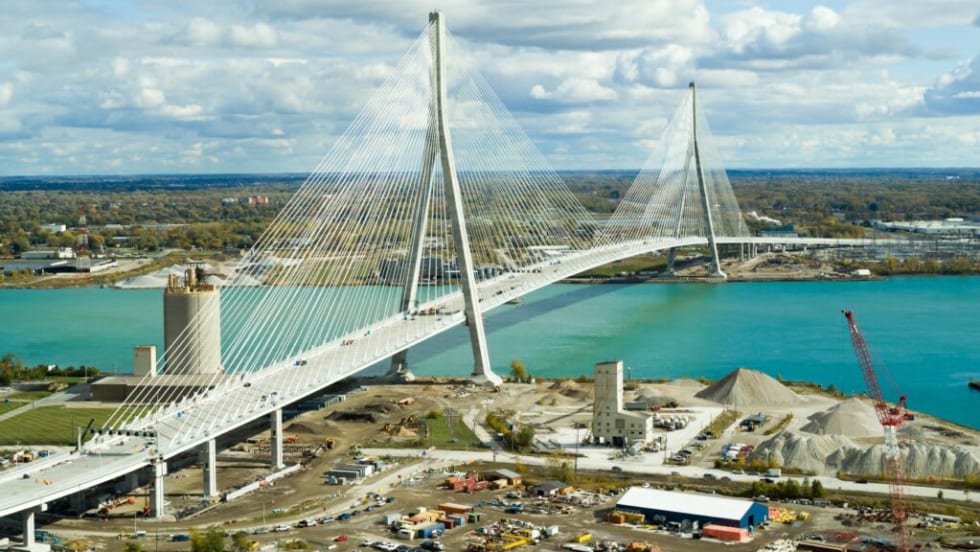
Long-Awaited Canadian Border Bridge to Open in Detroit
For trucking, the bridge opening should offer immediate improvements in efficiency and reliability, with new customs facilities, expanded inspection capacity, and direct freeway-to-freeway connections.
Read More →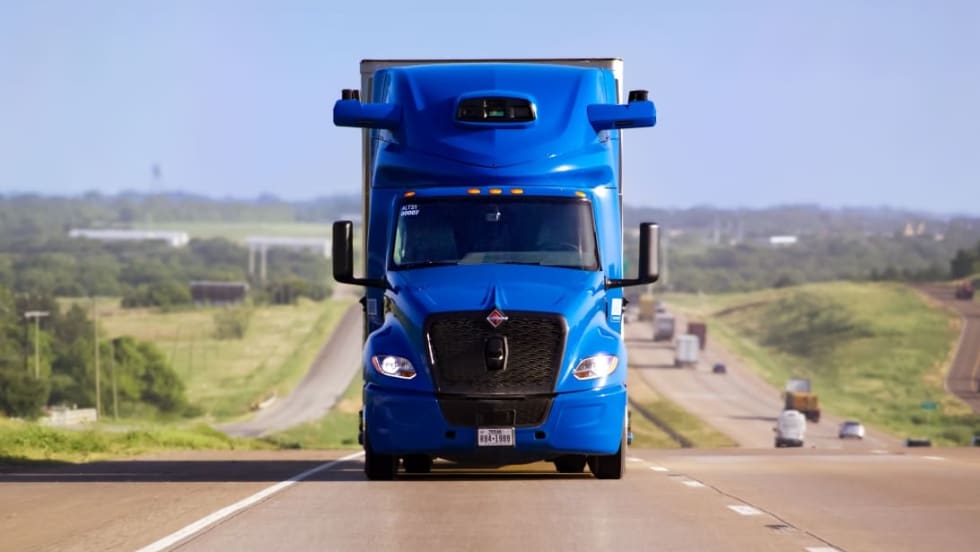
Aurora Rolls Out Next Generation of Driverless Trucks for Commercial Freight
Aurora's latest autonomous trucks it's rolling out with International feature lower-cost hardware designed for a million miles as the company expands commercial driverless freight operations across the U.S. Sun Belt.
Read More →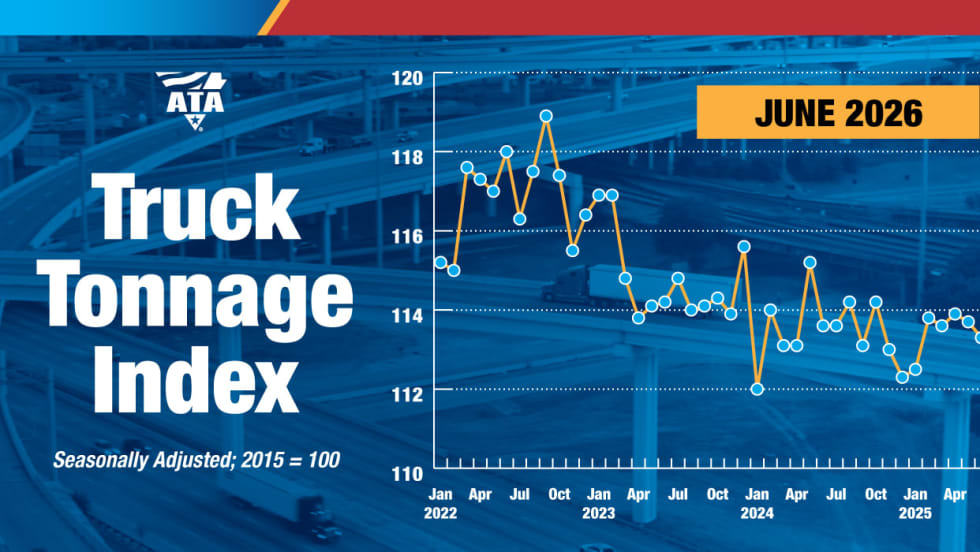
Freight Tonnage Down, Rates up, as Lower Capacity Powers Trucking Recovery
The recovery from the freight recession continues to be driven by reduction in capacity rather than by increased demand.
Read More →
Think Your Trucking Fleet Isn't Using Much AI? Think Again
Shadow AI — the use of unauthorized artificial intelligence tools at work — is becoming increasingly common, putting sensitive company data at risk. Learn how trucking fleets can protect sensitive data while embracing AI.
Read More →
ArcBest Consolidates Brands, Cuts Workforce
The company will bring three business units under the ArcBest brand, eliminate about 2% of positions, and expects the changes to generate $40 million in annual savings.
Read More →
Trucking Fleets Faced Record Operating Costs During Third Year of Freight Recession
ATRI's annual operational cost report shows carriers trimmed fleets, delayed equipment purchases, and ran older trucks as expenses continued to outpace freight rates.
Read More →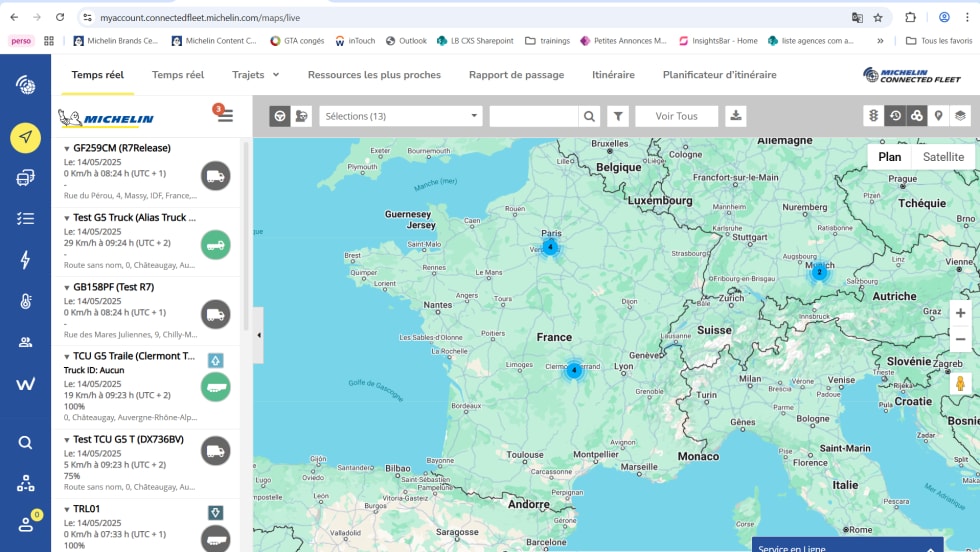
Michelin Adds AI Assistant to MyConnectedFleet Platform
Michelin’s new generative AI tool delivers instant fleet insights, helping managers analyze fuel use, tire maintenance, vehicle status, and operational performance without manually creating reports.
Read More →
LytxOne Platform Now Features AI, Compliance, and Asset Tracking Tools
New enhancements add AI-powered insights, asset tracking, compliance automation, and configurable privacy controls to Lytx's all-in-one fleet management platform.
Read More →