




Study Finds Panama Canal Expansion Will Affect U.S. Trucking
The U.S. Department of Transportation’s Maritime Administration recently released a study on shipping patterns and industry costs that will help the United States prepare for the anticipated impact on its ports, waterways and intermodal freight systems from the Panama Canal expansion.
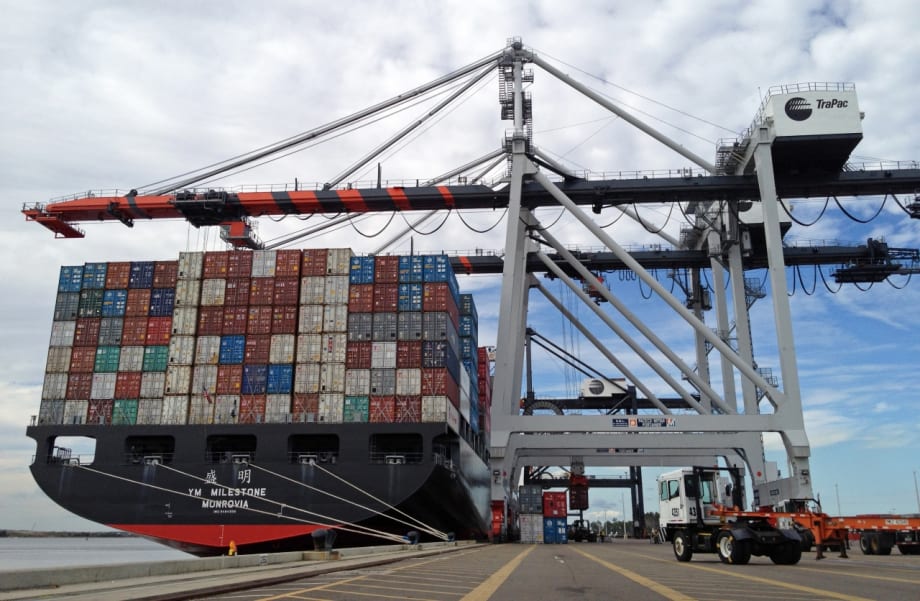
Photo: U.S. DOT

The U.S. Department of Transportation’s Maritime Administration recently released a study on shipping patterns and industry costs that will help the United States prepare for the anticipated impact on its ports, waterways and intermodal freight systems from the Panama Canal expansion, and not surprisingly it will affect trucking.
The expansion of the Panama Canal, scheduled for completion in 2015, will give much larger ships, called “Post Panamax” vessels, greater access to the U.S. ports on the East and Gulf coasts.
The Panama Canal Expansion Study, the first of a two-part study, found the integration of Post-Panamax vessels into U.S. trade lanes will have substantial implications for the nation’s shippers, ports and surface freight corridors, particularly along the East Coast, Gulf Coast and inland states located east of the Mississippi River.
In addition, more cost-effective service generated by the larger vessels could improve the ability of some U.S. exports, like grain, coal, petroleum products and liquefied natural gas, to compete in global markets.
The report also notes that shifts in shipping patterns impacting the national transportation system will occur slowly and over time.
With more cargo arriving and departing on a single ship, the demand for truck pickup and delivery on a particular day will also increase at ports
“Terminals will need to increase the number of trucks they can efficiently handle each hour or each day by expanding physical gate facilities, speeding up processing through existing facilities (for example, with improved information technology and automation) and/or increasing their hours of operations,” the report says. “If not carefully managed, peaks in truck traffic may contribute to excessive congestion, emissions or other adverse impacts in areas around the port.”
The report notes rail moves only about 15% of international shipping containers, trucks carry almost all the remainder.
A copy of the study is available online.
More Fleet Management

How HDT’s 2026 Truck Fleet Innovators Are Rethinking Fleet Operations
Meet five trucking leaders who are challenging assumptions, solving operational problems, and putting innovative ideas to work.
Read More →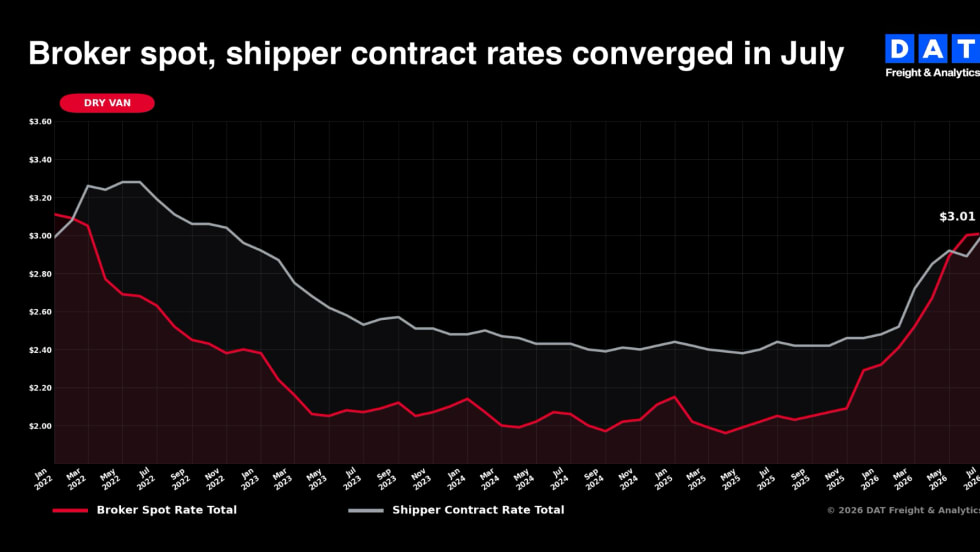
Tight Trucking Capacity Pushes Rates Higher Even as Freight Volumes Fall
“Spot rates moving ahead of contract rates have historically signaled a tightening market, but we haven’t seen a capacity-driven market quite like this one,” said DAT's Dean Croke.
Read More →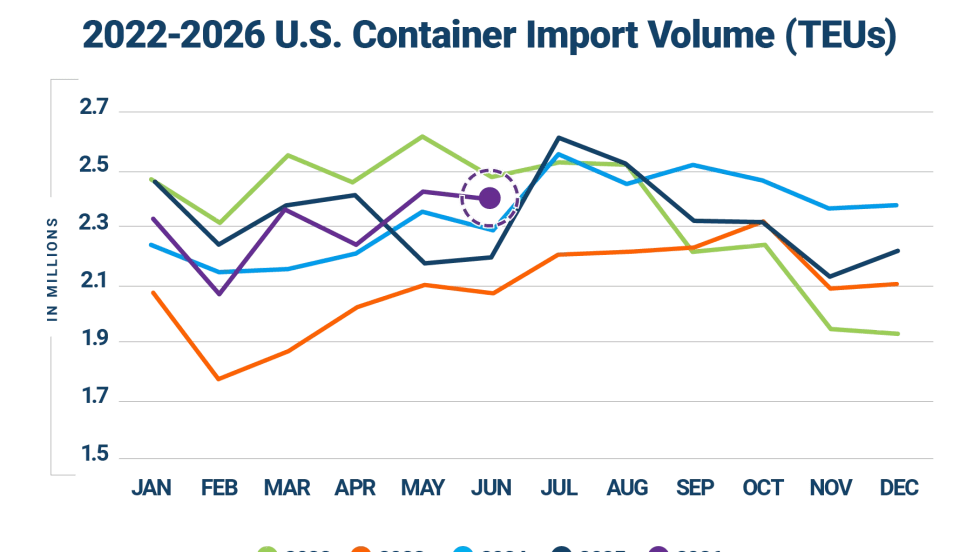
Import Cargo’s Early Peak Season is Winding Down
There was an early start to peak season this year at the nation's gateway ports, as retailers brought in merchandise ahead of tariff changes in late July and responded to other supply chain uncertainties,
Read More →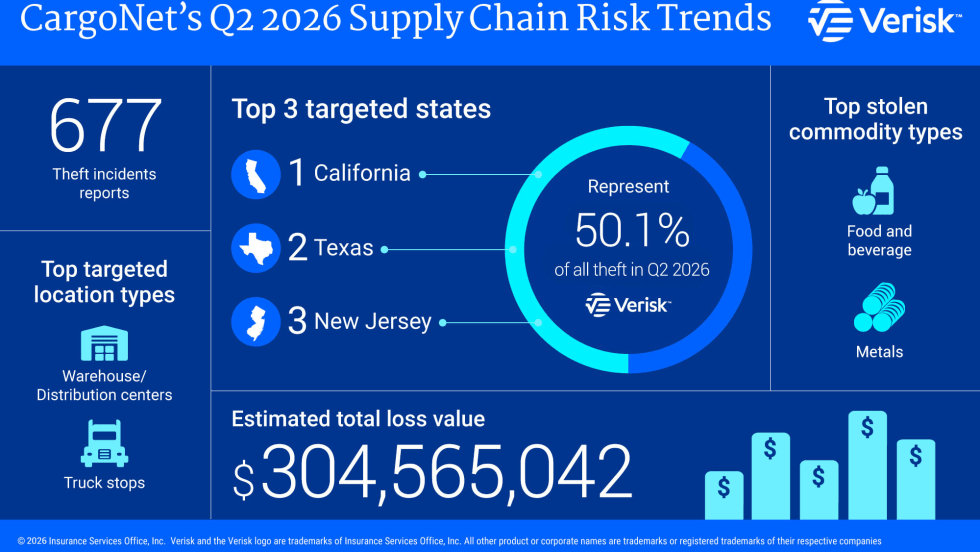
Fewer Cargo Thefts, Bigger Losses: Criminals Target Higher-Value Loads
CargoNet says organized theft rings are stealing fewer shipments but choosing more valuable freight, including metals and technology, resulting in record losses.
Read More →
How Innovative Trucking Leaders Turn Change Into an Advantage
As the pace of change accelerates in trucking, the fleets that adapt best have more than the latest technology. They have cultures that embrace improvement.
Read More →
Freight Broker Bonds Just Got Harder to Get. Here's What That Means for Your Fleet.
When it gets harder for a freight broker to prove they are financially sound, the ones who cannot clear that bar get pushed out of the market. And those are exactly the brokers who used to leave motor carriers holding the bag.
Read More →
Long-Awaited Canadian Border Bridge to Open in Detroit
For trucking, the bridge opening should offer immediate improvements in efficiency and reliability, with new customs facilities, expanded inspection capacity, and direct freeway-to-freeway connections.
Read More →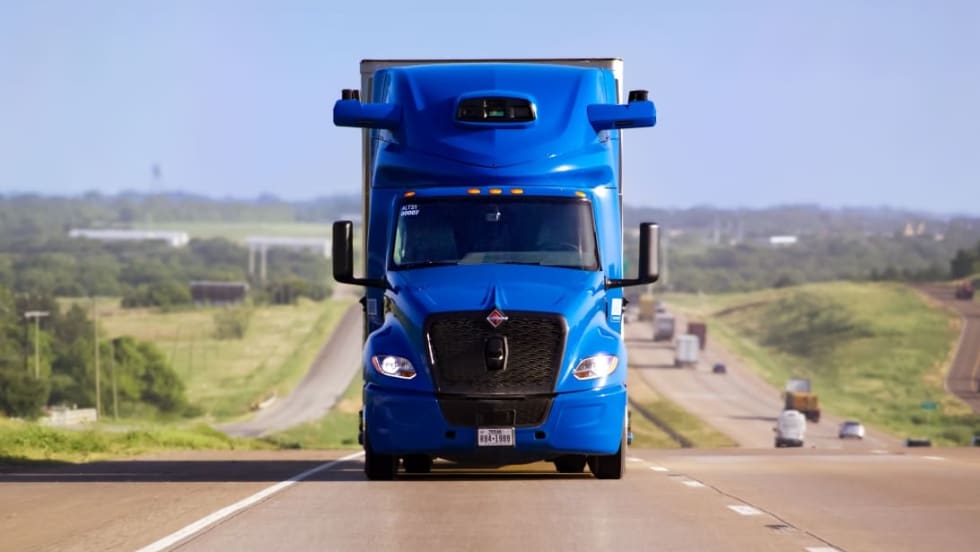
Aurora Rolls Out Next Generation of Driverless Trucks for Commercial Freight
Aurora's latest autonomous trucks it's rolling out with International feature lower-cost hardware designed for a million miles as the company expands commercial driverless freight operations across the U.S. Sun Belt.
Read More →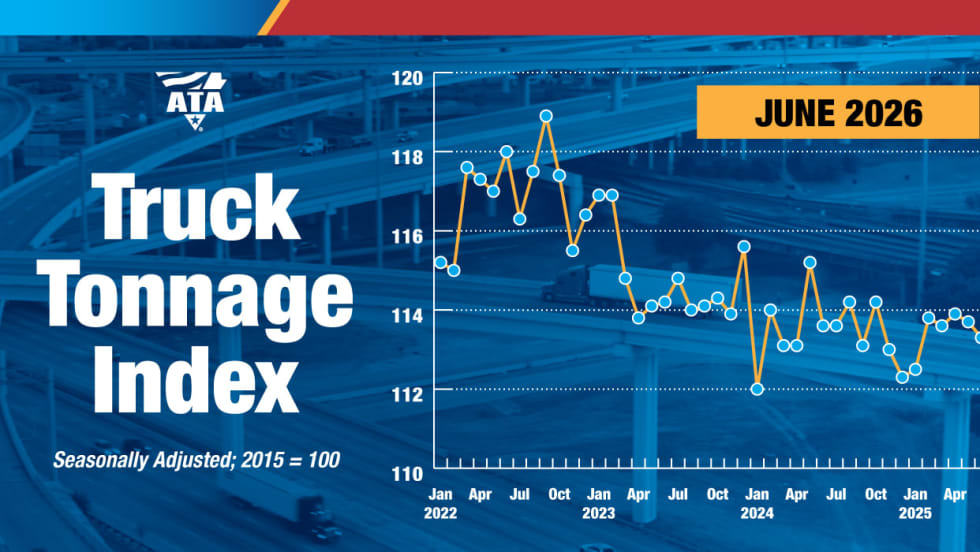
Freight Tonnage Down, Rates up, as Lower Capacity Powers Trucking Recovery
The recovery from the freight recession continues to be driven by reduction in capacity rather than by increased demand.
Read More →
Think Your Trucking Fleet Isn't Using Much AI? Think Again
Shadow AI — the use of unauthorized artificial intelligence tools at work — is becoming increasingly common, putting sensitive company data at risk. Learn how trucking fleets can protect sensitive data while embracing AI.
Read More →