




States Ease CDL Restrictions for Military
In the past two years, 34 states have adopted laws that allow motor vehicle departments to waive the CDL skills test for qualified military veterans, the Obama administration says in a new report.

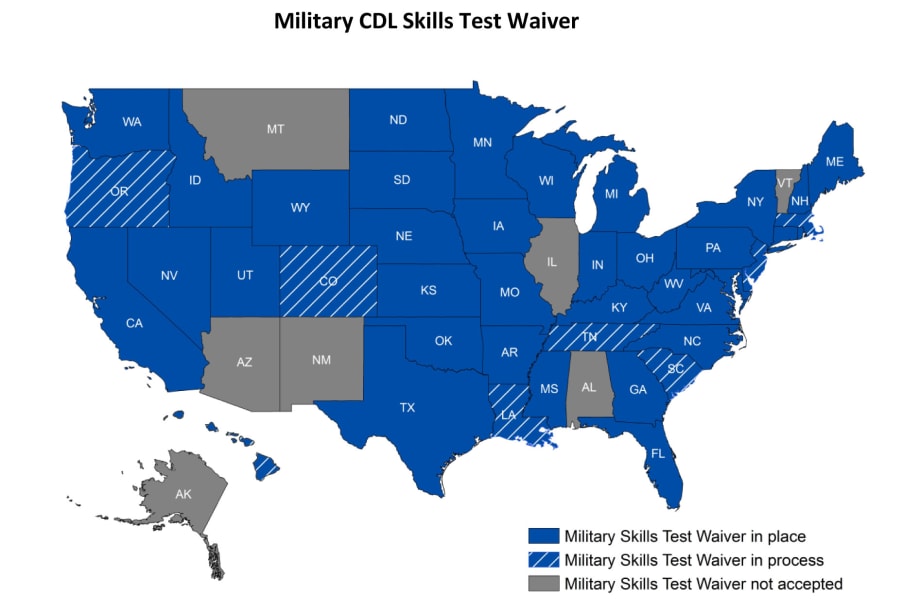
In the past two years, 34 states have adopted laws that allow motor vehicle departments to waive the CDL skills test for qualified military veterans, the Obama administration says in a new report.
Nine more states plus the District of Columbia are considering legislation to do the same thing. And under a new law, states may issue commercial licenses to military personnel who live in another state.
These are several of a number of initiatives under way to help relieve the driver shortage in the truckload industry.
There also is a glimmer of more relief on the horizon, if Congress can pass a comprehensive immigration reform package. Under consideration, for example, is a measure that would establish a guest worker status so former illegals could obtain a CDL.
According to the White House report, The Fast Track to Civilian Employment, there are more than 22,000 active duty drivers in the military and nearly 10,000 became civilians last year.
Military service can instill skills that are desirable for truck drivers, discipline not the least of them, but clearly not all of those driving specialists are interested in commercial trucking.
There are no exact numbers on how many do want to work for a fleet or own their own truck, so it’s hard to say how big a dent these veterans can put in the shortage of drivers, said Boyd Stephenson, director of HazMat and Licensing Policy at American Trucking Associations.
Doesn't Transfer Directly
And the hands-on driving skills that service members learn do not necessarily transfer directly to civilian trucking. The military, for example, does not train to Federal Motor Carrier Safety Administration regulations, Stephenson said.
Nor are military drivers exposed to commercial-style equipment, said Cindy Atwood, deputy director of the Commercial Vehicle Training Association, which represents private truck driver training schools.
“You can’t take someone directly out of the military and put him in an 18-wheeler,” she said. “About 80% of commercial trucks have manual transmissions, while 98% of military trucks have automatics.”
And more than 95% of military trucks qualify only as Class B trucks, Stephenson noted.
But the federal-state effort to ease the path between military and commercial trucking is useful, he said.
The skills test waiver, for example, makes it possible for a safe military driver who meets several conditions to skip the CDL driving test.
Besides a proven safety record in the military equivalent of a commercial truck, the driver cannot have held more than one license in the preceding two years, cannot have had his license suspended, and cannot have a conviction for a CDL offense.
Stephenson also underscored the usefulness of allowing states to exempt military personnel from restrictions on issuing a CDL to someone whose legal residence is in another state.
Procedures for this exemption may vary from state to state, but the overall effect will be to make CDLs more accessible to military drivers, the White House report said.
Success in Virginia
The report also touches on what Stephenson described as the most effective initiative of all, Virginia’s Troops to Trucks Program.
The partnership unites military bases such as the Marine Corps’ Quantico and the Army’s Fort Lee, local community colleges, the Virginia Department of Motor Vehicles and the Virginia Trucking Association.
The DMV supplies a mobile CDL unit and the trucking association supplies tractor-trailers that visit the bases so military drivers can get experience on Class A equipment. This, Stephenson said, makes the skills test waiver more useful.
“Those guys and girls are going to end up getting Class A CDLs, which makes them far more employable than someone with a Class B license.”
More Fleet Management

Public Wi-Fi Cybersecurity Risks: How Truck Drivers and Fleets Can Protect Their Data
Public Wi-Fi can expose truck drivers and fleets to credential theft, malware, and other cyber threats. Here’s how to reduce the risk on the road.
Read More →
For Nicky Cupp, Fleet Innovation Starts With Frustration
HDT Truck Fleet Innovator Nicky Cupp turns everyday pain points at Fraley & Schilling into opportunities for better technology and smarter processes.
Read More →
Adam Buttgenbach’s Approach to Electric Trucks: Start With Where They Fit
HDT Truck Fleet Innovator Adam Buttgenbach helped PepsiCo build one of North America’s largest EV fleets by focusing on where electric trucks make operational sense.
Read More →
Deen Albert: Let Automation Do the Math, People Make the Decisions
HDT Truck Fleet Innovator Deen Albert makes sure people are still at the heart of operations at Grand Island Express, even while adopting artificial intelligence tools. AI-assisted dispatch helped boost revenue 25% with the same number of trucks.
Read More →
Trimble’s New AI Agent Takes Aim at Fleet Back-Office Busywork
Arc Agent works across Trimble TMS products to automate repetitive tasks such as freight orders, maintenance, invoices, fuel costs and more.
Read More →
How HDT’s 2026 Truck Fleet Innovators Are Rethinking Fleet Operations
Meet five trucking leaders who are challenging assumptions, solving operational problems, and putting innovative ideas to work.
Read More →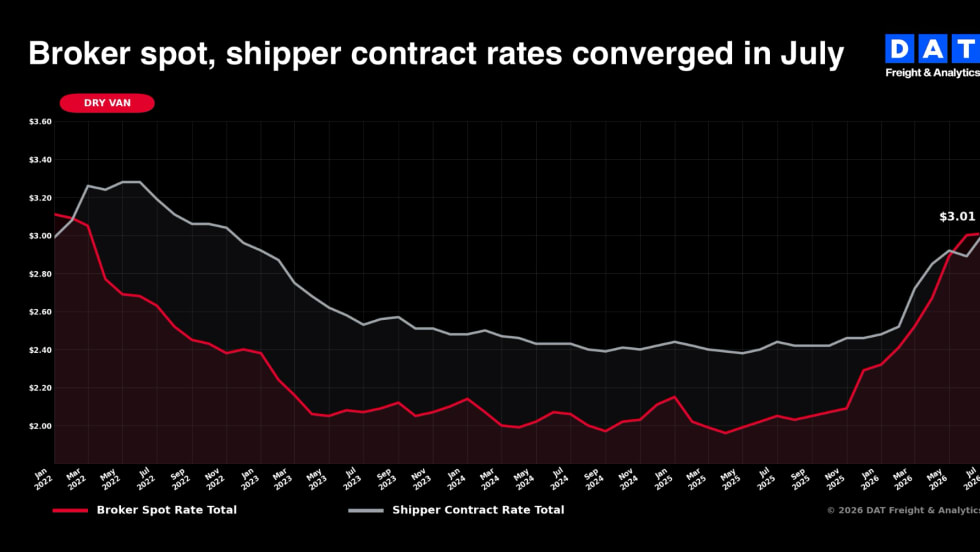
Tight Trucking Capacity Pushes Rates Higher Even as Freight Volumes Fall
“Spot rates moving ahead of contract rates have historically signaled a tightening market, but we haven’t seen a capacity-driven market quite like this one,” said DAT's Dean Croke.
Read More →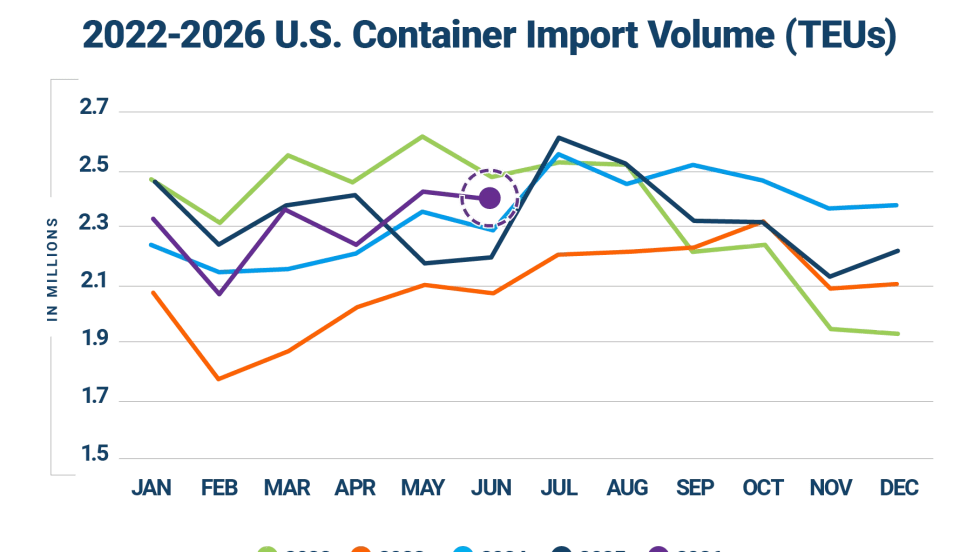
Import Cargo’s Early Peak Season is Winding Down
There was an early start to peak season this year at the nation's gateway ports, as retailers brought in merchandise ahead of tariff changes in late July and responded to other supply chain uncertainties,
Read More →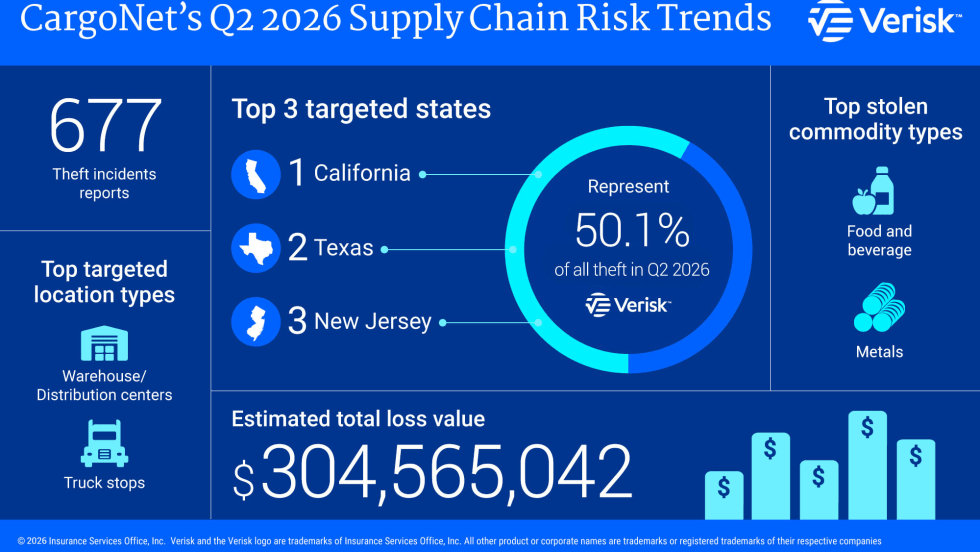
Fewer Cargo Thefts, Bigger Losses: Criminals Target Higher-Value Loads
CargoNet says organized theft rings are stealing fewer shipments but choosing more valuable freight, including metals and technology, resulting in record losses.
Read More →
How Innovative Trucking Leaders Turn Change Into an Advantage
As the pace of change accelerates in trucking, the fleets that adapt best have more than the latest technology. They have cultures that embrace improvement.
Read More →