




State, Local Officials Call for Highway Funding
The hearing rooms change but the theme remains the same: Congress must find a way to restore the Highway Trust Fund so it can support a robust, long-term federal highway program. That was the key take-away from state and local officials testifying before the Senate Environment and Public Works Committee on Thursday.



The hearing rooms change but the theme remains the same: Congress must find a way to restore the Highway Trust Fund so it can support a robust, long-term federal highway program.
That was the key take-away from state and local officials testifying before the Senate Environment and Public Works Committee on Thursday.
The officials, including the heads of state transportation departments, mayors and county planners, have other concerns as well. All want even more regulatory streamlining and flexibility than they got in the last highway bill. Urban leaders want more support for transit, bike paths and trails. Rural officials want more say over how they spend federal dollars.
But the bedrock issue is support for the Highway Trust Fund.
Sen. Barbara Boxer, D-Calif., opened the session reading from a letter to congressional leaders in which 31 state chambers of commerce plead for dedicated highway funding and a five-year program, as well as flexibility on planning and funding.
Boxer summed it up: “We have a job to do and it ain’t about red and blue. It’s about getting the Highway Trust Fund on solid ground for five or six years.”
Congress is in crisis mode on the issue. The Department of Transportation says the Fund will run out of money by August, and Boxer has said that the solution needs to be put in place by June to reassure states that federal funds will continue to flow.
Michael Lewis, director of the Rhode Island DOT, said his state already is cutting back.
Due to the fund’s uncertainty, the state has been forced to stop advertising for new highway projects so it can cover existing commitments and emergencies, he said.
Unless Congress acts soon, the state will start losing jobs and businesses will be in jeopardy, he said.
Sue Minter, deputy secretary of the Vermont Agency of Transportation, said her state is being forced to delay projects and unless Congress acts soon the delays will become cancellations.
Boxer and her colleagues on the committee will eventually vote on the issue but the solution must come from the Senate Finance Committee, which has jurisdiction over highway funding. But Sen. Bernie Sanders, D-Vt., polled the witnesses for their recommendations on where to get the money.
Lewis said a vehicle mile tax is a viable option, although it cannot be put in place any time soon.
Minter noted that Vermont raised its gas a diesel taxes last year but said that in the long run fuel taxes will not sustain the Highway Trust Fund. A VMT would work as a user fee, she said.
Greg Ballard, mayor of Indianapolis, said Congress will eventually have to look at the VMT.
Another plug for the VMT came from Dave Gula, principal planner for the Wilmington, Del., Area Planning Council.
Mick Cornett, mayor of Oklahoma City, said the funding mechanism needs to be tied to miles and that the fuel tax is appropriate. He also suggested spending more on researching and developing ways to reduce the cost of highway projects.
Jim Willox, chairman of Wyoming’s Converse County Commission, did not specify a method but said it has to adapt to different needs and purposes.
Bill Fontenot, president of St. Landry’s Parish in Louisiana, simply said that funding needs to be increased. The problem is, he said, “everybody wants it and nobody wants to pay for it.”
Sen. Boxer said she expects to have a finished draft of a highway bill for mark-up by the end of April.
More Fleet Management
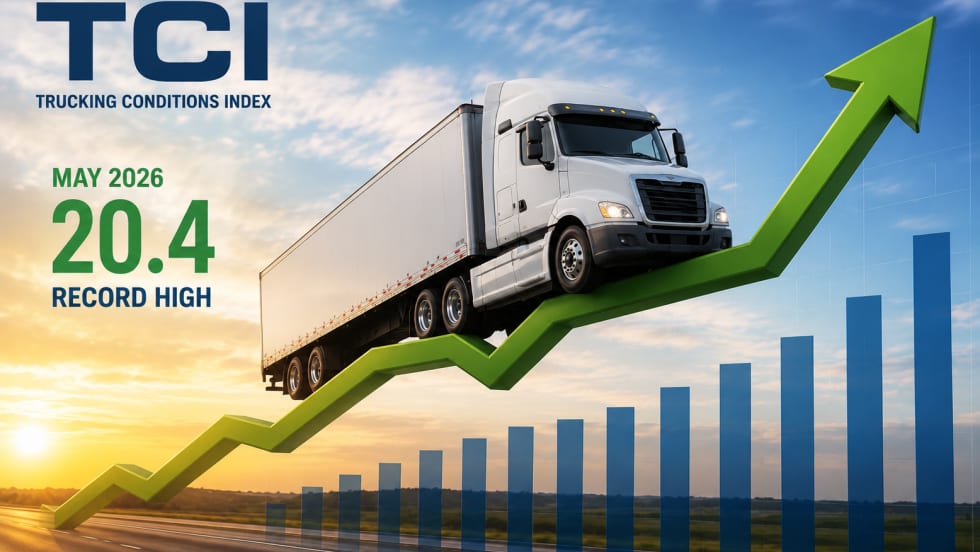
FTR Says Freight Rates Surged in May
FTR's Trucking Conditions Index surged to a record high in May, the analytics firm reports.
Read More →
Meet HDT's Truck Fleet Innovators at Heavy Duty Trucking Exchange
Heavy Duty Trucking Exchange brings fleet managers and suppliers together for the deeper conversations that lead to ideas, partnerships, and solutions. Time is running out to apply for HDTX, September 23-25.
Read More →
Enhance Fleet Performance with High-Efficiency Auxiliary Power Units
Drive sustainable cost savings while increasing driver comfort during short- and long-haul logistics operations.
Read More →
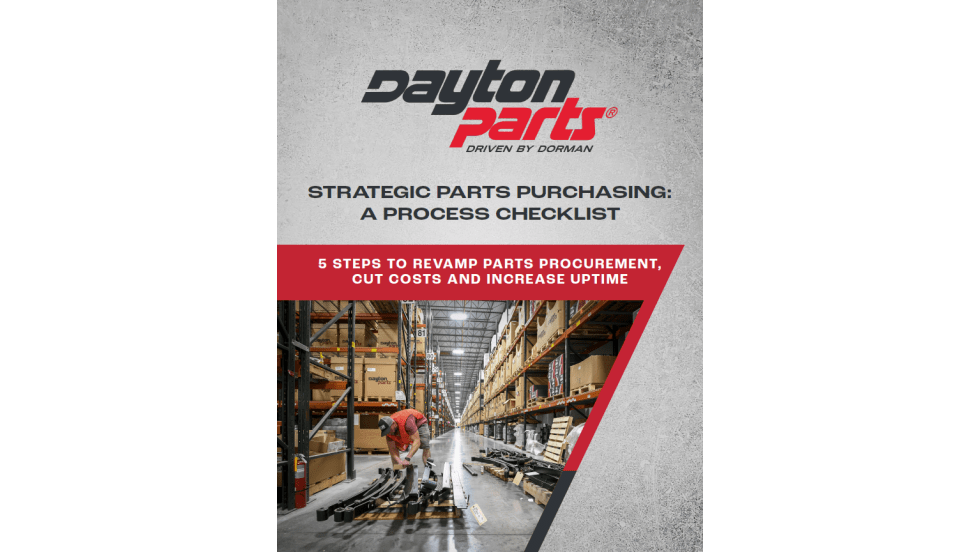
Is Your Parts Procurement Process Reactive or Proactive?
Ready to revamp your parts procurement process? Learn how now with “Strategic Parts Purchasing: A Process Checklist”
Read More →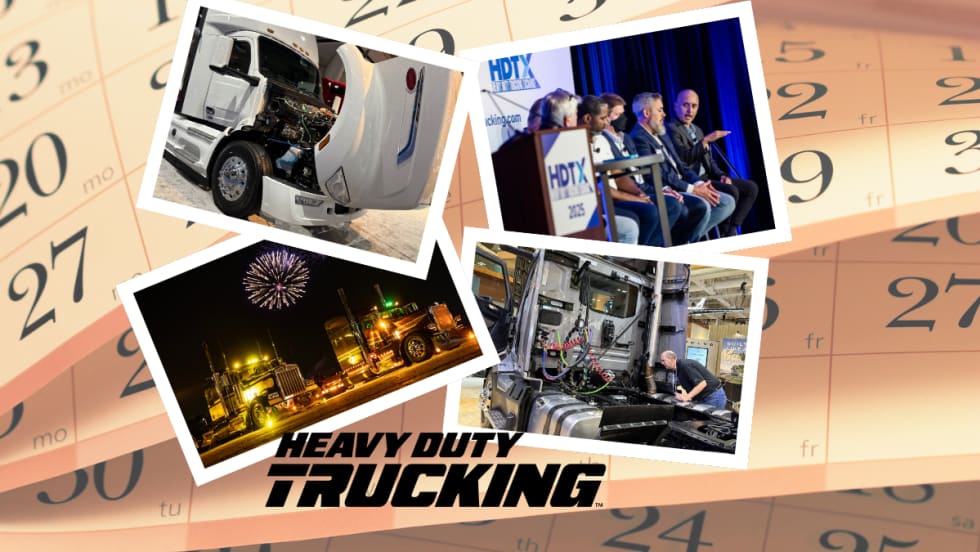
What Trucking Events are Happening in 2026?
Looking for trucking-related conventions, expos, and other events? Heavy Duty Trucking has developed this list of national and larger regional trucking shows and events.
Read More →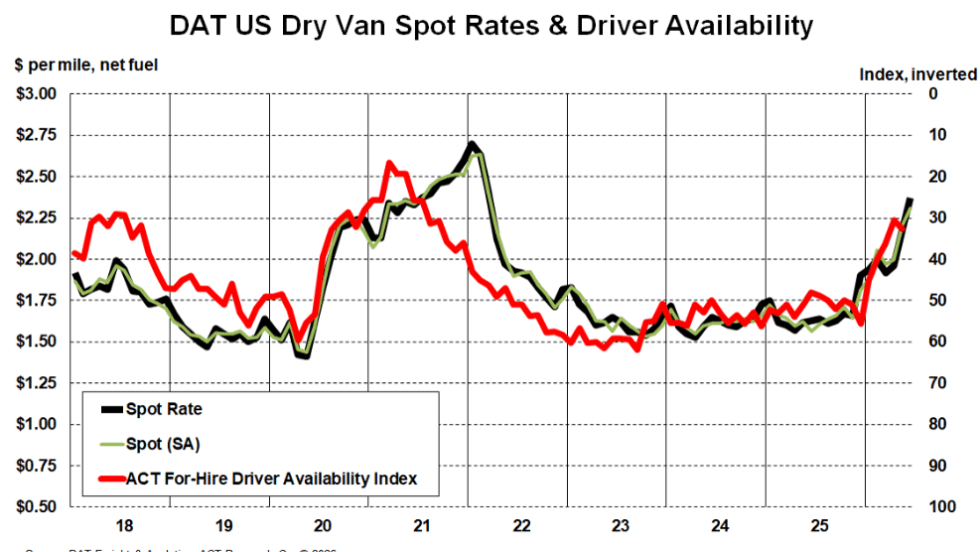
Truckload Rates Keep Rising as Tight Capacity Fuels Freight Market Recovery
Spot and contract rates continued climbing in May and June, not because freight demand is surging, but because fewer trucks and drivers are available.
Read More →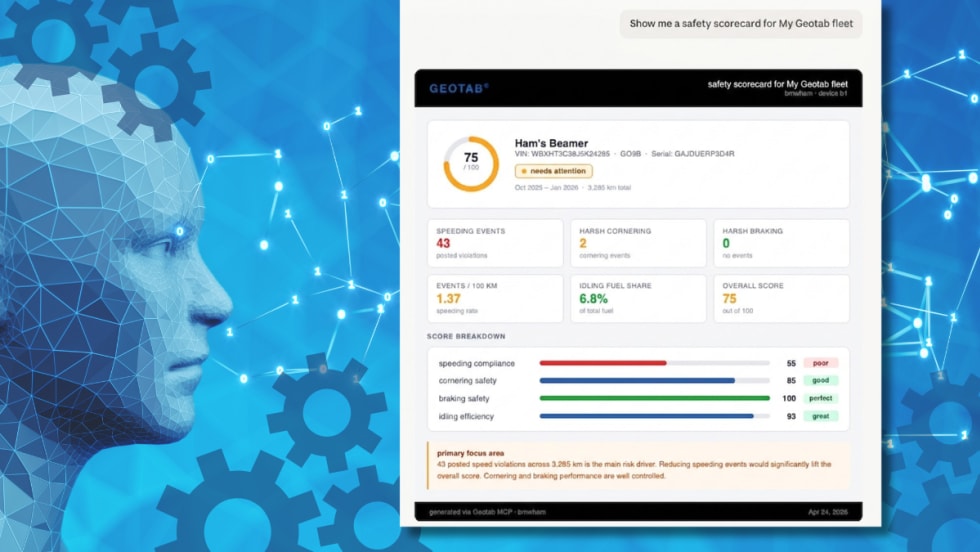
What Geotab's New AI Connector Means for Fleets
Fleets can now ask their usual AI assistants questions about maintenance, safety, fuel use, and vehicle performance, using their live Geotab data, and take action on the answers without leaving their preferred AI tool.
Read More →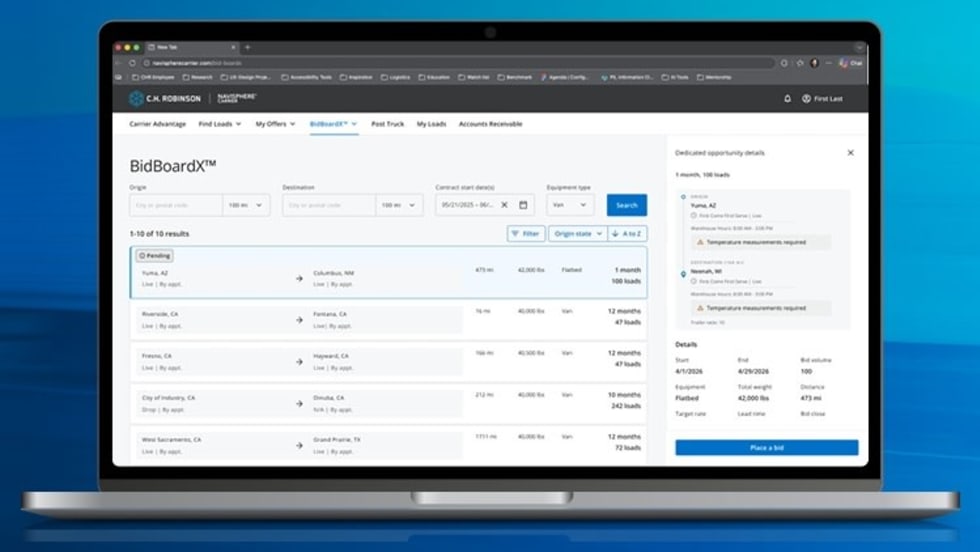
New C.H. Robinson Tool Opens Door to More Predictable Freight
BidBoardX lets carriers search, bid on, and secure committed freight opportunities through a single digital marketplace.
Read More →
New York City's Microhub Project is Delivering Results
Trucking, last-mile delivery companies, and environmental advocates like what they are seeing so far with New York's microhub program.
Read More →
Why Truck Detention Keeps Costing Fleets Time and Money
A 2024 ATRI study found detention affects nearly 40% of truckload stops and costs the industry more than $15 billion annually. Despite the toll on drivers, fleets, and supply chains, the problem remains stubbornly persistent.
Read More →