




Spot Truckload Rates Fairly Stable Despite Lower Freight Volume
Spot truckload freight volume continued a seasonal decline, falling 12% for the week ending Jan. 28 compared to the previous week, but overall rates moved little, according to DAT Solutions and its network of load boards.

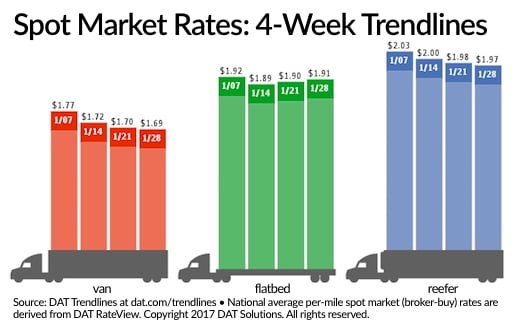
Spot truckload freight volume continued a seasonal decline, falling 12% for the week ending Jan. 28 compared to the previous week, but overall rates moved little, according to DAT Solutions and its network of load boards.
Unlike this time last year, spot freight activity did not drop off sharply toward the end of January as truck capacity increased 4.8%.
Van load posts were 9% lower last week as truck posts increased 4%, which sent the load-to-truck ratio down 13% to 2.5 loads per truck. The national average van rate edged down 1 cent to $1.69 per mile and is down 8 cents from the week of Jan. 7 while slipping again in key markets:
Los Angeles, $1.95 per mile, down 3 cents
Chicago, $2.01 per mile, down 6 cents
Atlanta, $1.88 per mile, down 1 cent
Buffalo, $1.94 per mile, down 3 cents
While Houston was one of a few major van markets where prices did not decline last week, unchanged at $1.54 per mile, outbound lanes from Dallas fell off the pace with Dallas-Houston falling 6 cents to $2.09 per mile and Dallas-Chicago down 1 cent to $1.13 per mile. All rates include fuel surcharges.
In the reefer market, while volumes actually improved on the top 72 lanes for refrigerated freight, the reefer load-to-truck ratio fell a full 20% to 5.3 to 1 nationally as the number of posted reefer loads declined 14% and capacity rose 8%. The average reefer rate lost just 1 cent to $1.97 per mile but is 6 cents less than it was three weeks earlier.
No single market or region is driving produce freight right now, so volumes are shifting around the country, according to DAT. Last week, the big swings were in the Midwest. The average rate from Grand Rapids-Madison, Wisconsin rose 31 cents to $2.71 per mile while Green Bay-Des Moines paid 13 cents better at $2.20 per mile.
Green Bay and Grand Rapids also happened to have two of the biggest declines last week. Green Bay-Joliet, Illinois fell 31 cents to $2.92 per mile and Grand Rapids-Atlanta declined 25 cents to an average of $2.12 per mile.
Flatbed load posts declined 15% and truck posts rose 3%. The load-to-truck ratio fell 17% to 18.1 loads per truck while the national average rate actually gained a penny to $1.91 per mile. Even with the small increase, rates are still down 1 cent from three weeks earlier after falling 3 cents the second week of the year.
More Fleet Management

Trimble’s New AI Agent Takes Aim at Fleet Back-Office Busywork
Arc Agent works across Trimble TMS products to automate repetitive tasks such as freight orders, maintenance, invoices, fuel costs and more.
Read More →
How HDT’s 2026 Truck Fleet Innovators Are Rethinking Fleet Operations
Meet five trucking leaders who are challenging assumptions, solving operational problems, and putting innovative ideas to work.
Read More →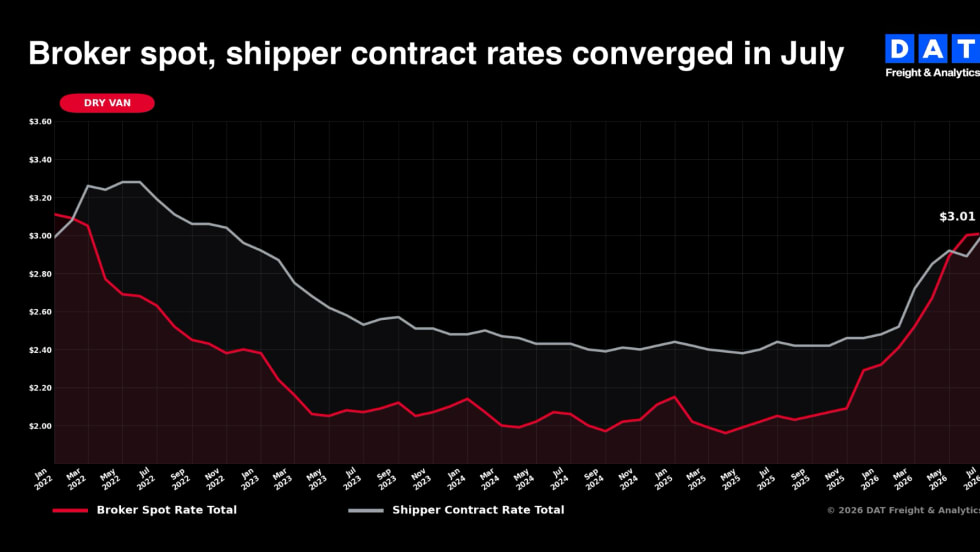
Tight Trucking Capacity Pushes Rates Higher Even as Freight Volumes Fall
“Spot rates moving ahead of contract rates have historically signaled a tightening market, but we haven’t seen a capacity-driven market quite like this one,” said DAT's Dean Croke.
Read More →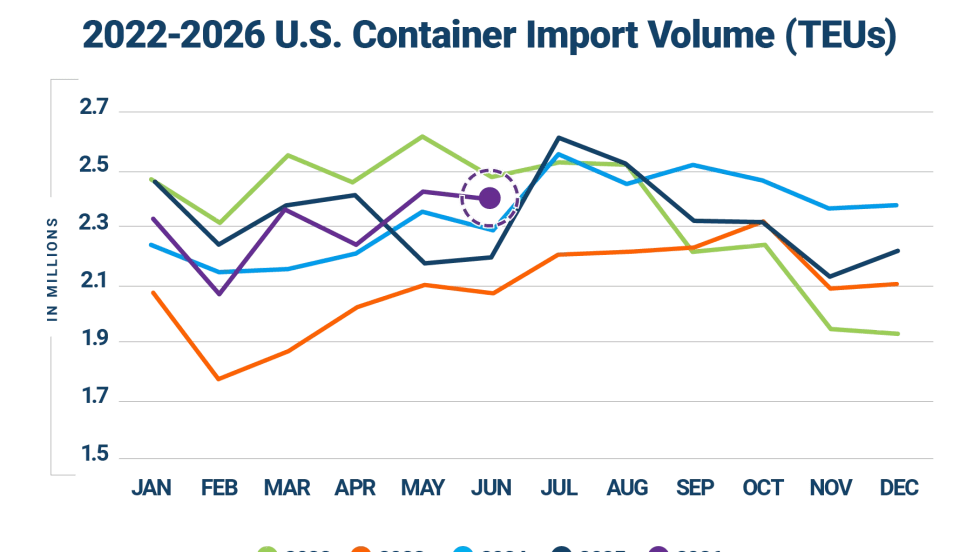
Import Cargo’s Early Peak Season is Winding Down
There was an early start to peak season this year at the nation's gateway ports, as retailers brought in merchandise ahead of tariff changes in late July and responded to other supply chain uncertainties,
Read More →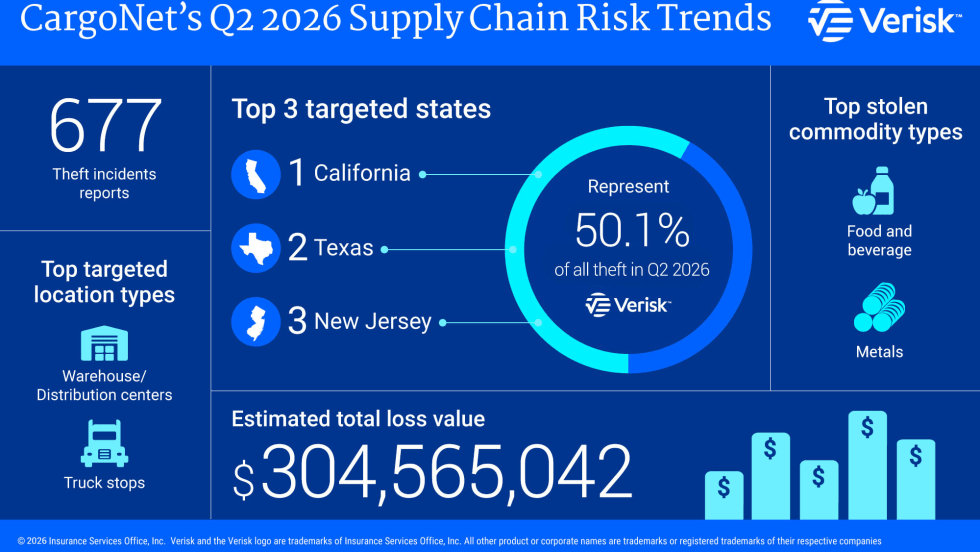
Fewer Cargo Thefts, Bigger Losses: Criminals Target Higher-Value Loads
CargoNet says organized theft rings are stealing fewer shipments but choosing more valuable freight, including metals and technology, resulting in record losses.
Read More →
How Innovative Trucking Leaders Turn Change Into an Advantage
As the pace of change accelerates in trucking, the fleets that adapt best have more than the latest technology. They have cultures that embrace improvement.
Read More →
Freight Broker Bonds Just Got Harder to Get. Here's What That Means for Your Fleet.
When it gets harder for a freight broker to prove they are financially sound, the ones who cannot clear that bar get pushed out of the market. And those are exactly the brokers who used to leave motor carriers holding the bag.
Read More →
Long-Awaited Canadian Border Bridge to Open in Detroit
For trucking, the bridge opening should offer immediate improvements in efficiency and reliability, with new customs facilities, expanded inspection capacity, and direct freeway-to-freeway connections.
Read More →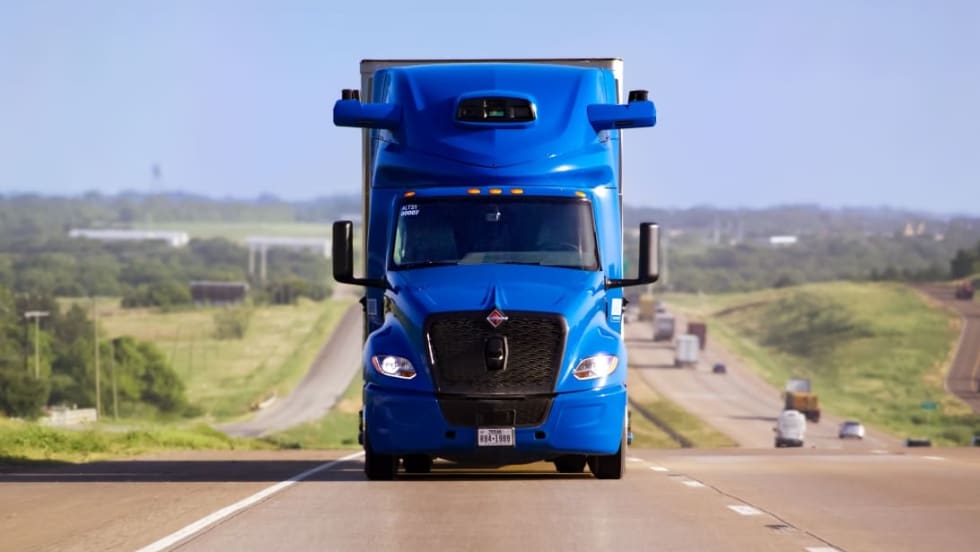
Aurora Rolls Out Next Generation of Driverless Trucks for Commercial Freight
Aurora's latest autonomous trucks it's rolling out with International feature lower-cost hardware designed for a million miles as the company expands commercial driverless freight operations across the U.S. Sun Belt.
Read More →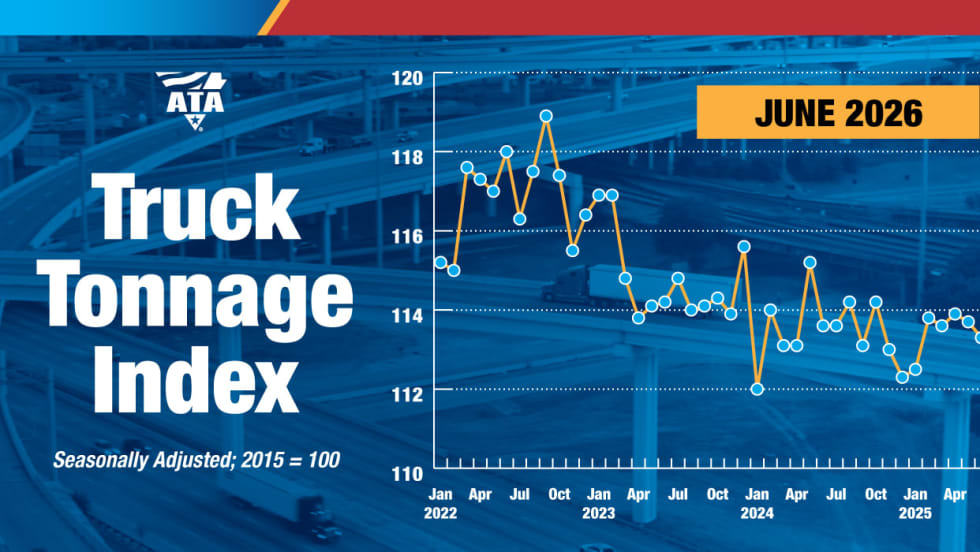
Freight Tonnage Down, Rates up, as Lower Capacity Powers Trucking Recovery
The recovery from the freight recession continues to be driven by reduction in capacity rather than by increased demand.
Read More →