




Spot Truckload Market Volume Jumps, Rates Move Higher
The availability of spot truckload freight gained 4.8% and the number of trucks posted slipped 3.2%, while rates remained unseasonably high, for the week ending Nov. 4, according to DAT Solutions and its network of load boards.

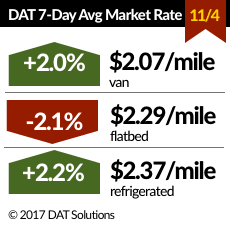
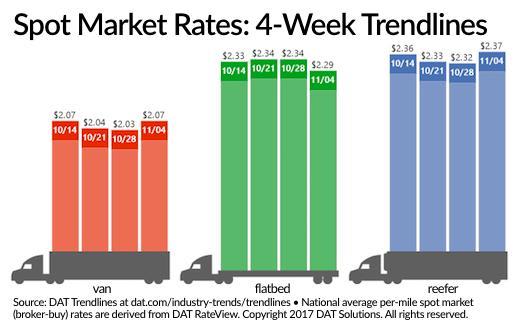
The availability of spot truckload freight gained 4.8% and the number of trucks posted slipped 3.2%, while rates remained unseasonably high, for the week ending Nov. 4, according to DAT Solutions and its network of load boards.
National average spot van and reefer rates jumped after receding for three straight weeks while the flatbed rate declined after two months of steady increases. However, national average spot rates remain above seasonal norms:
Van: $2.07 mile, up 4 cents from last week
Flatbed: $2.34 per mile, down 5 cents from the week before
Reefer: $2.36 per mile, up 5 cents from the previous week
(All rates cited include fuel surcharges.)
The number of van load posts increased 7% as retail freight enters the truckload distribution pipeline. Combined with a 4% decline in the number of trucks posted, this sent the van load-to-truck ratio up from 5.9 to 6.3 van loads per truck.
The van ratio has declined since hitting a peak of 7.0 loads per truck during the final week in September but is more than double what it was last year at this time.
Tighter capacity pushed spot market van rates higher across much of the country, as average outbound prices rose on 58 of the top 100 van lanes. Los Angeles remained the number one market for van load volume where the average outbound rate gained 11 cents to $2.49 per mile last week.
With holiday goods moving through the cold chain, the number of spot reefer load posts increased 18% last week. The reefer load-to-truck ratio increased from 9.7 to 11.8 loads per truck as available capacity fell 3%.
Of the top 72 reefer lanes, 39 had rising rates. Among the markets showing strength over the past week:
Green Bay, $3.72 per mile, up 12 cents
Chicago, $3.33 per mile, up 14 cents
Elizabeth, New Jersey, $2.20 per mile, up 6 cents
Los Angeles, $2.73 per mile, unchanged
Rebuilding efforts in Florida and the rest of the Gulf Coast have put tremendous pressure on flatbeds lately. Compared to September, flatbed load posts were up 5% in October while truck posts climbed 12%. That resulted in a 6% decline in the load-to-truck ratio compared to the previous month's spike. At 39.5 loads per truck, the ratio last month was 172% higher than in October 2016.
The national average price of on-highway diesel during this time ticked upward to $2.88 per gallon, the highest level since June 2015.
With spot freight rates being unseasonably higher than normal, this naturally begs one question: how much longer will rates stay this high?
“It could be a couple more months, at least,” said the latest DAT Blog. “Retail freight is expected to be more plentiful this year, and port traffic is way up. With the ELD mandate coming in December, it seems likely that prices will stay above normal for a while. Demand usually tapers off in February, so rates could slip lower then, until activity picks up again in the spring.”
More Fleet Management
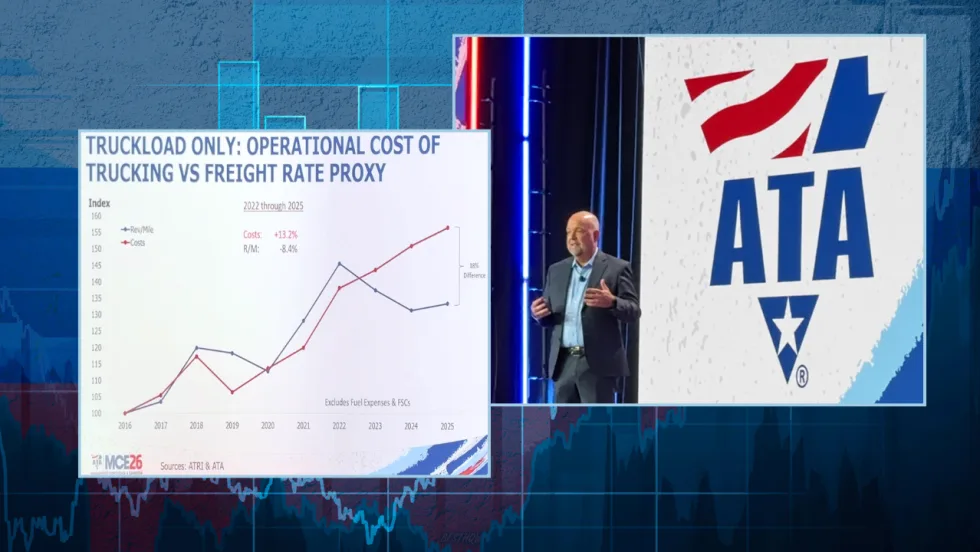
Why This Trucking Recovery Is Different
Freight demand remains sluggish, but rising costs and tougher enforcement have taken enough capacity out of the market to change the outlook for motor carriers.
Read More →
Platform Science Adds Dispatch and Safety Tools
Four additions to PS Fleet help fleets monitor loads, manage driver coaching, share truck locations and adjust video system settings.
Read More →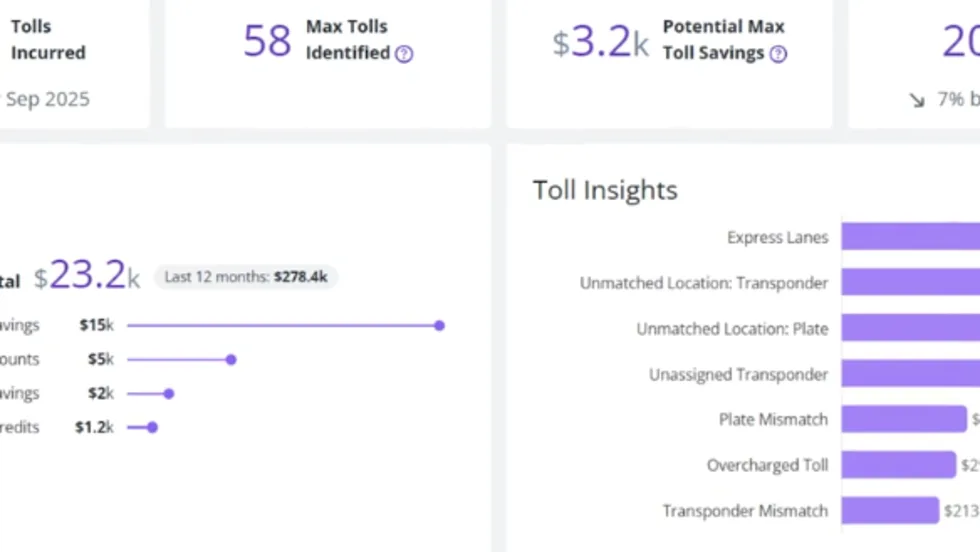
PrePass Intelligence Mines Fleet Bypass, Toll and Safety Data
PrePass Intelligence helps fleets measure bypass savings, flag potential toll overcharges, and spot suspicious transactions by combining data from separate systems.
Read More →
Motive Adds AI Agents for Fleet Operations
New tools automate follow-up on fleet data, from maintenance work orders to driver alerts, with two-way voice conversations planned for later this year.
Read More →
Can You Beat Our Trucking Trivia Challenge?
Test your truck knowledge with 19 trivia questions from Heavy Duty Trucking Exchange. Can you keep up with the fleet pros?
Read More →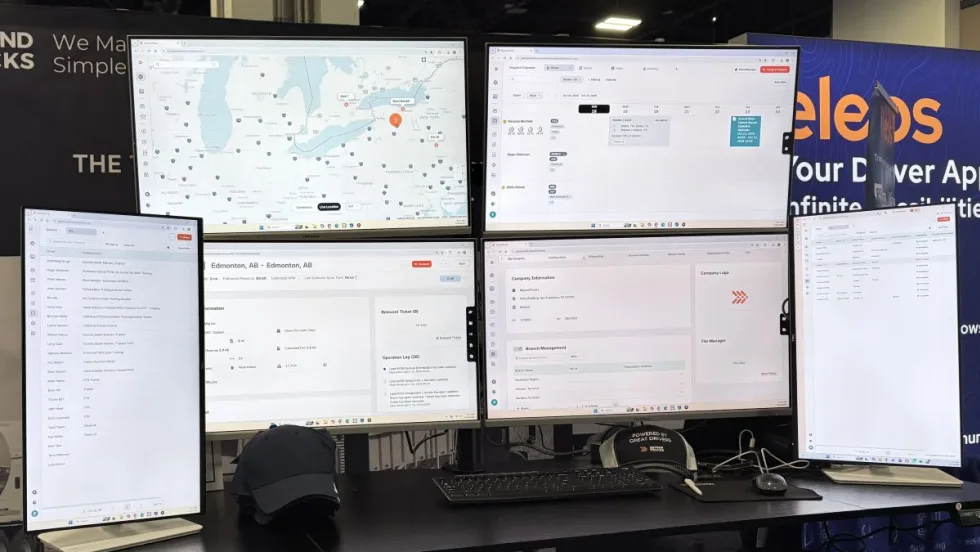
BeyondTrucks Adds Rules Checks to Dispatch
New Compatibility Engine checks driver qualifications, equipment requirements and fleet policies before loads are dispatched.
Read More →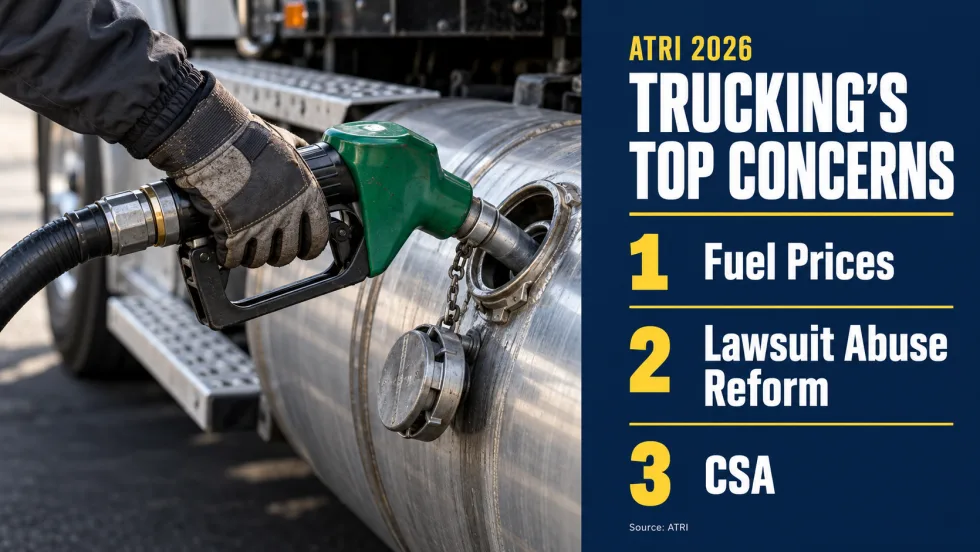
Diesel Prices Hijack Trucking’s Worry List
ATRI’s annual survey finds cautious optimism about freight, but diesel costs, litigation, and insurance continue to squeeze fleets. Drivers have different priorities on several issues.
Read More →
Nomination Deadline Extended for HDT Emerging Leaders
Just a few more days to nominate accomplished trucking fleet professionals under 40 who are making an impact and helping lead the industry forward for the HDT Emerging Leaders award. Deadline extended to October 20!
Read More →
What Will ATA’s New Leader Bring to Trucking's Table?
Incoming President and CEO Mark Colson’s record in Alabama offers clues about his priorities and approach following Chris Spear’s abrupt departure as the head of the American Trucking Associations.
Read More →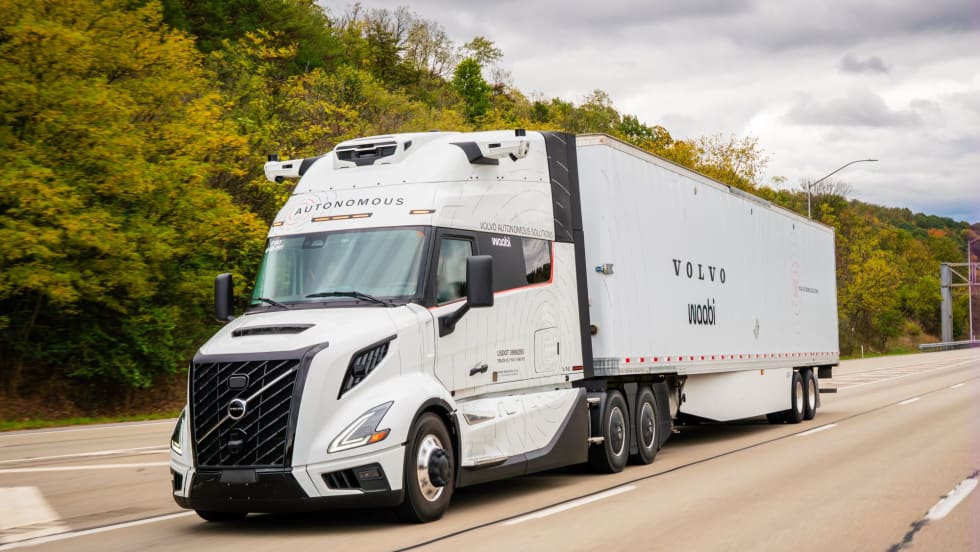
Volvo, Waabi Start Commercial Autonomous Operations in Texas
Volvo VNL Autonomous trucks, powered by the Waabi Driver, are hauling freight directly to third-party facilities for a customer in Texas.
Read More →