




Snowe Introduces Bill to Allow Trucks Over 80,000 Pounds
Sen. Olympia Snowe of Maine proposed legislation that will allow six-axle trucks weighing up to 100,000 pounds on all interstates highways in the state. Currently, trucks weighing more than 80,000 pounds are restricted to secondary roads except for the Maine Turnpike from Kittery to Augusta. The Maine Republican's bill would allow states to bypass Congress and seek individual waivers of the interstate restrictions from the U.S. DOT
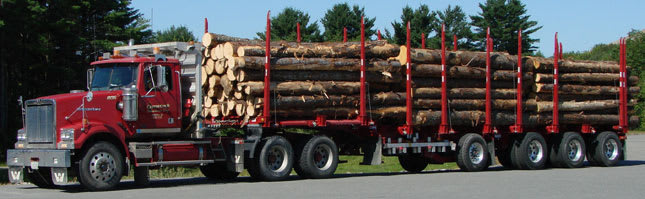
Heavier rigs belong on the interstate rather than restricted to secondary roads, say advocates of changing weight regulations in Maine and other states.
Sen. Olympia Snowe of Maine proposed legislation that will allow six-axle trucks weighing up to 100,000 pounds on all interstates highways in the state.
Currently, trucks weighing more than 80,000 pounds are restricted to secondary roads except for the Maine Turnpike from Kittery to Augusta. The Maine Republican's bill would allow states to bypass Congress and seek individual waivers of the interstate restrictions from the U.S. DOT.
Snowe says the Commercial Truck Safety Act would eliminate an inequitable government regulation permitting the heavier trucks to travel on some states' interstate highways and not others. In 27 states, trucks up to 100,000 pounds can travel on interstate highways, but in states like Maine, trucks weighing more than 80,000 pounds must either unload cargo or travel to their destination on winding secondary roads through numerous small towns and communities.
The bill would allow the secretary of transportation to establish three-year pilot exemptions on a state-by-state basis. Each participating state would be required to establish a safety committee, including department officials, highway safety advocates and trucking representatives, to determine whether the waiver should become permanent.
"Trucks belong on the highway," said Snowe, a member of the Senate Commerce, Science and Transportation Committee, adding that the "current treatment of truck weights on interstate highways is a glaring example of a bureaucratic regulation creating both safety hazards on secondary roads and tangible barriers to job growth."
Snowe's not the only who wants to change the law to allow the heavier trucks on state interstates.
U.S. Rep. Mike Michaud, a Maine Democrat, has a bill in the House allowing heavier trucks on interstates in Maine and other states, which has 51 co-sponsors. It was introduced in the Senate by Sen. Mike Crapo, R-Idaho, with co-sponsors that include U.S. Sen. Susan Collins, R-Maine.
A Maine Department of Transportation report last fall concluded allowing trucks on all interstates would "increase traffic safety, improve the environment, increase business competitiveness and reduce transportation infrastructure costs at no cost to the taxpayer." It also noted that trucks use less fuel on the Interstate than on secondary roads.
Last December, a one-year federal pilot program allowing the heavier trucks to use all Maine's interstates lapsed.
Collins, top Republican on the Senate Appropriations Committee's transportation subcommittee, authored the pilot program and earlier this year introduced a bill to make it permanent.
Snowe noted that during the pilot program, there were 14 fewer truck crashes compared with the previous year and no fatalities involving the heavier tractor-trailer trucks.
The U.S. Department of Transportation declined to comment Thursday on Snowe's proposal. However, Secretary of Transportation Ray LaHood earlier this year described the concept as "not a bad idea" during a Senate hearing.
The major opponents include the railroad industry and several key lawmakers, including U.S. Sen. Barbara Boxer, D-Calif.
The truck weight legislation would most likely be added to a pending renewal of a broader surface transportation bill. But in a year where the debt-ceiling debate and fiscal concerns have dominated discussion, there is no guarantee a final transportation bill will be passed anytime soon.
More Drivers
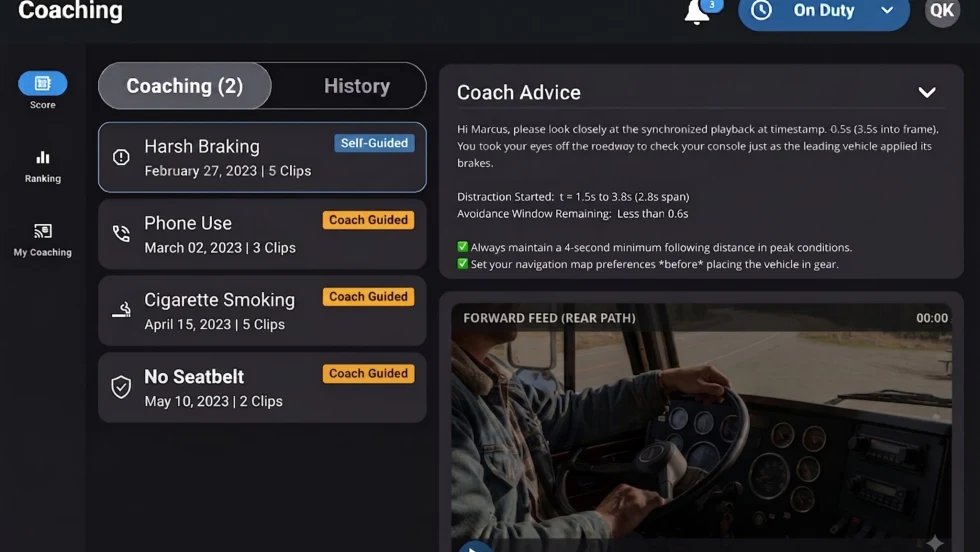
Platform Science Adds Dispatch and Safety Tools
Four additions to PS Fleet help fleets monitor loads, manage driver coaching, share truck locations and adjust video system settings.
Read More →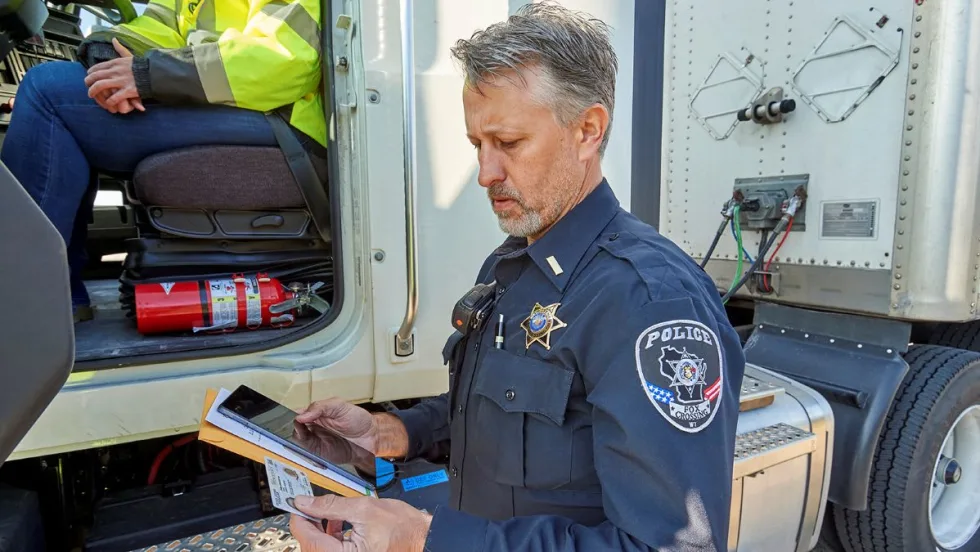
When Language Stops the Truck: The Return of ELP Out-of-Service Orders
English language proficiency rules for commercial drivers aren’t new, but renewed out-of-service enforcement has raised the stakes. Here’s what carriers need to know before a driver reaches a roadside inspection.
Read More →
Samsara Launches Custom AI Agent Builder
Agent Studio lets fleets create AI tools for hours-of-service monitoring, reporting and driver support, including agents that communicate by phone.
Read More →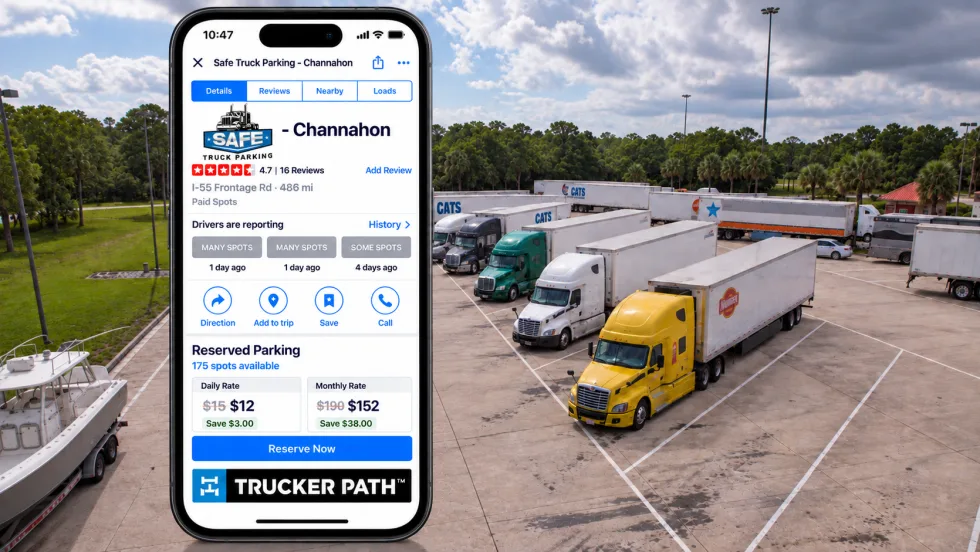
Trucker Path Expands Reserved Parking Network
Trucker Path has added close to 6,000 more truck parking spaces to its Trucker Path Reserved Parking Network with the addition of Safe Truck Parking.
Read More →
EEOC Sues Texas Trucking Company Over Driver Age Limits
The agency says Trancasa USA rejected applicants over 65 and applied tougher driving-record standards to those over 60.
Read More →
Nussbaum, Roehl Announce Second Driver Pay Increase This Year
This year has seen a swath of major truck driver pay increases as freight capacity has tightened.
Read More →
From One Generation to the Next: How Mentorship Builds Safer Truck Drivers
After three decades in trucking, Harold Perry shares what he's learned about driver safety, mentorship, and helping the next generation build confidence behind the wheel.
Read More →
Truck Drivers Need More Than Another Alert
Fleets have more visibility into truck health, safety events, and driver activity than ever. The next challenge is turning all that information into useful guidance for the person who has to decide what to do next.
Read More →
FMCSA Removes 110 Truck Driver Training Schools from Certified ELDT List
Federal regulators also are targeting more than 160 additional training providers and launching a nationwide audit of third-party CDL skills testers as part of a broader crackdown on trucking fraud.
Read More →
Hours of Service Pilot Programs: FMCSA Readies for 2027 Rollout
Two pilot programs could eventually reshape hours-of-service rules, giving truck drivers options to pause their 14-hour clock or use longer split sleeper rest periods.
Read More →