




Small Business Bill Would Raise Insurance and Meal Deductions
A bill in the U.S. Senate would allow self-employed individuals to deduct 100% of health insurance costs starting in 2001 and would increase the business meal deduction to 80% for small businesses
A bill in the U.S. Senate would allow self-employed individuals to deduct 100% of health insurance costs starting in 2001 and would increase the business meal deduction to 80% for small businesses.
The Small Business Works Act of 2001, introduced by Senator Christopher “Kit” Bond (R-Mo.), is a small business tax relief and simplification package intended to complement broader tax measures proposed by President Bush.
Currently, self-employed persons can only deduct 60 percent of health insurance costs for themselves and their families. The deduction is scheduled to increase over the next few years, reaching 100 percent in 2003, but this bill would move that to 2001.
While most business travelers are only allowed to deduct 50 percent of meal expenses, workers subject to federal hours-of-service rules currently can deduct 60 percent for 2000 and 2001 and, through gradual increases, will be allowed to deduct 80 percent by 2008. This legislation, if passed, would allow small business owners to deduct 80 percent starting this year.
The bill would also modify depreciation rules, permitting a two-year write-off for computers and software instead of five years for computers and three years for software commonly used now. The amount of equipment purchases a small business could expense each year would increase from the current $24,000 to $50,000.
Other provisions of the bill include repeal of the Alternative Minimum Tax for individuals, repeal of a 0.2% surtax added to the Federal Unemployment Tax in 1976, and simplification of the estimated tax rules to apply a consistent test: estimated taxes equal to 90% of the current year’s taxes or 100% of the prior year's taxes would avoid underpayment penalty.
To voice your opinions on this bill to your senator, visit www.senate.gov.
More Drivers

Competition Heating Up for Truck Drivers
New report reveals rising driver hiring costs, the return of sign-on bonuses, growing AI advantages, and the operational factors shaping driver retention.
Read More →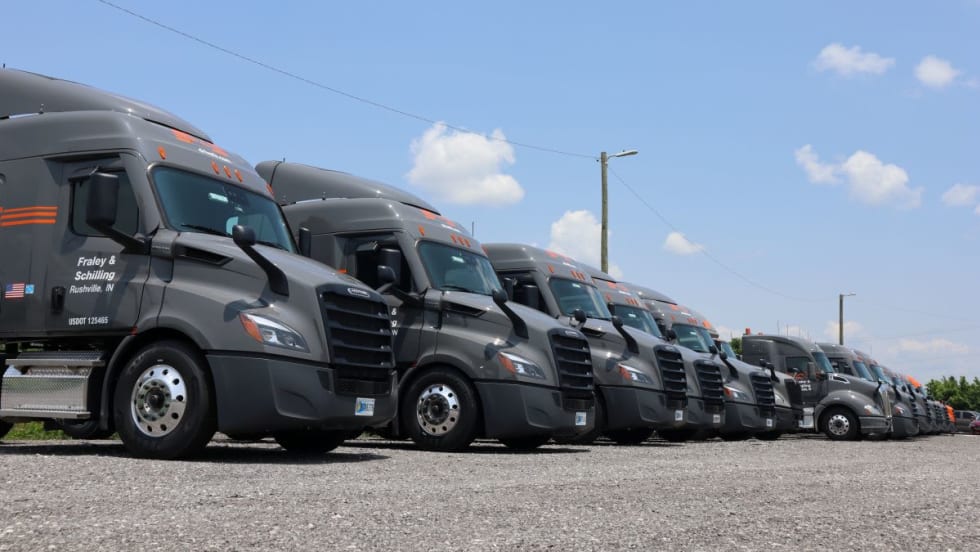
How Fraley & Schilling Improved Logbook Compliance by Over 50%
Fraley & Schilling needed a way to close a compliance workflow gap in its ELD system without adding more work from driver training, reminders, and back-office follow-ups. It found the answer in a custom driver app.
Read More →
Volvo Goes Gaming
Volvo has roared into American Truck Simulator with two new flagship trucks.
Read More →
What the Best Fleets to Drive For Teach About Driver Retention
Survey fatigue, AI-powered routing, owner-operator expectations, and the decline of social media all emerged as themes from this year's Best Fleets to Drive For program.
Read More →
Driver Retention Lessons From the Best Fleets to Drive For
What separates trucking's best workplaces from the rest? Jane Jazrawy shares the biggest lessons from this year's Best Fleets to Drive For program on driver retention, communication, AI, and workforce trends on the HDT Talks Trucking podcast.
Read More →
Farewell, CDL: Why I'm Giving Up My Commercial Driver's License
After more than 20 years as a CDL holder, HDT Executive Editor Jack Roberts is letting his commercial license expire. Not because he wants to — but because trucking's nuclear verdict crisis has made the risks of public-road test drives too great for editors, manufacturers, and everyone involved.
Read More →
How Top Trucking Fleets Improve Driver Retention [Video]
What do healthy snacks, optimized routing, and just picking up the phone have in common? They're all strategies the Best Fleets to Drive For are using to retain truck drivers.
Read More →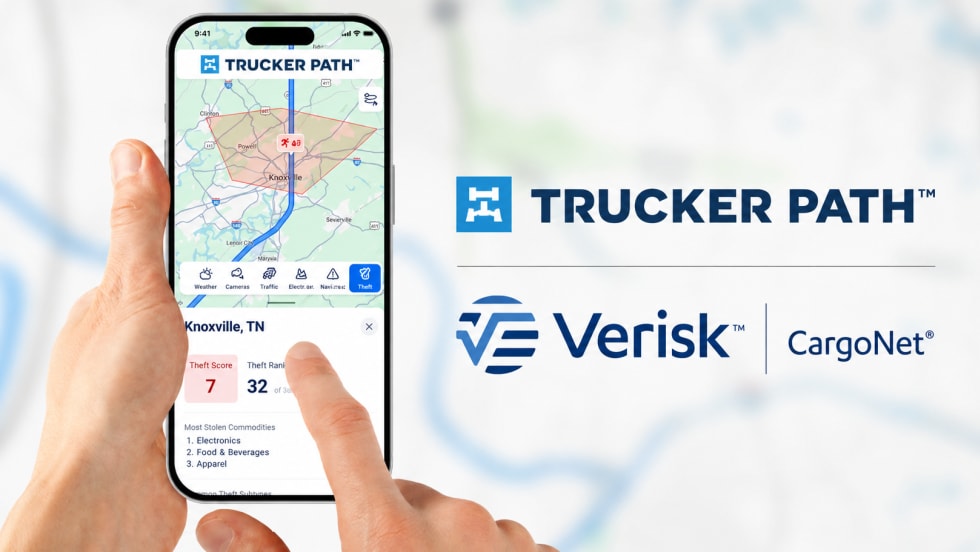
Trucker Path Adds Verisk CargoNet Theft Data to Navigation Platform
Trucker Path’s new cargo theft risk overlays give drivers and fleets visibility into high-risk areas, stolen commodity trends, and theft hotspots.
Read More →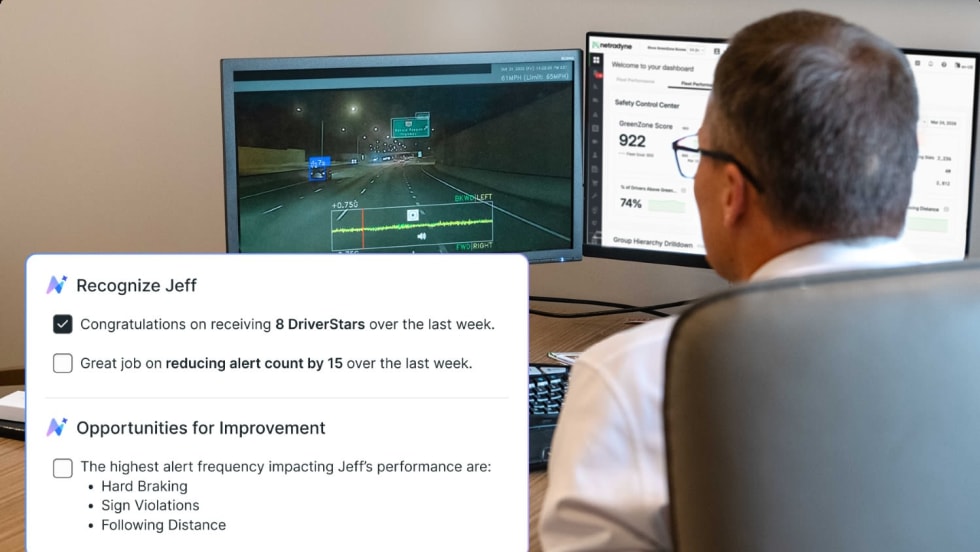
Netradyne Intelligence Uses New AI Agents to Automate Response to In-Cab Camera Data
The company called the next-generation in-cab camera safety platform "a fundamental shift from systems that report on what happened to systems that actively drive what should happen next."
Read More →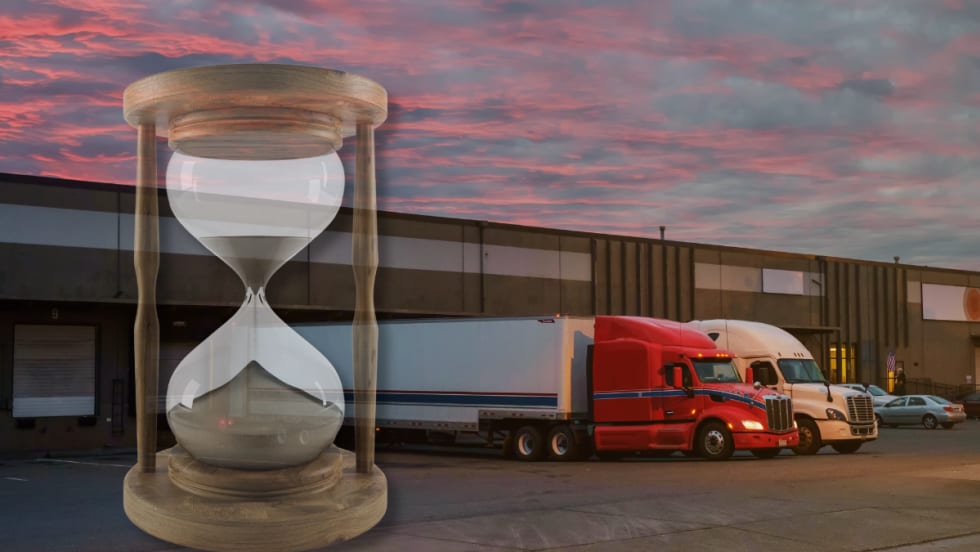
Why Truck Detention Keeps Costing Fleets Time and Money
A 2024 ATRI study found detention affects nearly 40% of truckload stops and costs the industry more than $15 billion annually. Despite the toll on drivers, fleets, and supply chains, the problem remains stubbornly persistent.
Read More →