




Related: FMCSA Gets Earful on Autonomous Trucks at Atlanta Listening Session
Senators Ask GAO to Examine Impact of Autonomous Technology on Trucking
If you’re concerned about the potential impact autonomous vehicle technology will have on truck drivers in the future, you’re not alone. Two U.S. senators want the Government Accountability Office to look into how it will affect truck drivers and communities.
by Staff
May 1, 2017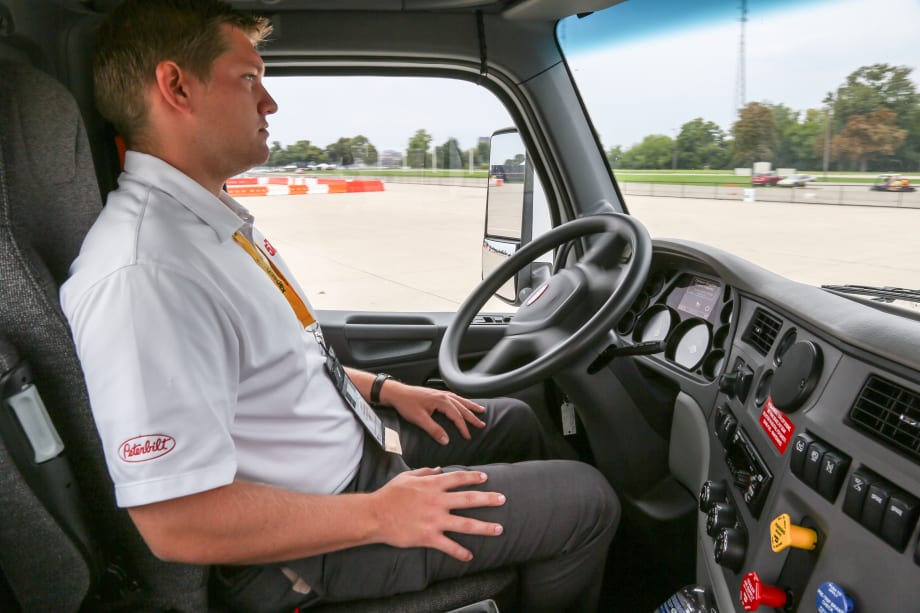
Two U.S. Senators asked the General Accounting Office to look at the impact autonomous vehicle technology will have on more than 2 million Americans who work in, or support, the trucking industry. Photo: Peterbilt
3 min to read
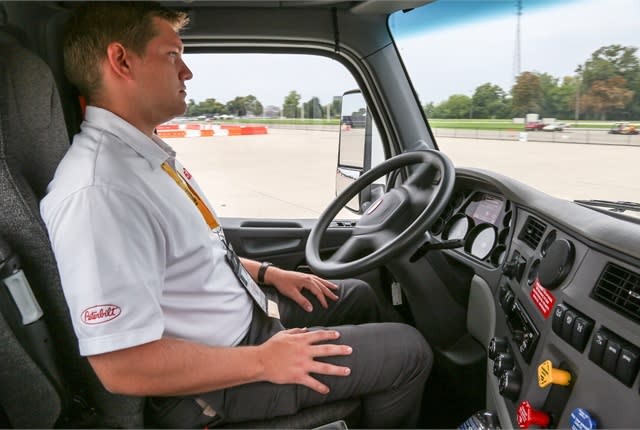
Two U.S. Senators asked the General Accounting Office to look at the impact autonomous vehicle technology will have on more than 2 million Americans who work in, or support, the trucking industry.Photo: Peterbilt
If you’re concerned about the potential impact autonomous vehicle technology will have on truck drivers in the future, you’re not alone. On April 26, 2017, Senators Susan Collins (R-ME) and Jack Reed (D-RI) sent a letter to the U.S. Government Accountability Office asking it to look into how it will affect truck drivers and the communities where they live. The senators also want to know what steps are being taken now to help American truck drivers who may be unseated from their jobs adapt and retrain.
The senators noted that nearly 2 million people today earn their living operating and repairing heavy trucks and tractor-trailers, at an average salary of over $40,000 per year, according to the Bureau of Labor Statistics. These workers tend to be concentrated in more rural states where employment options may be limited. There is also an entire economic ecosystem of businesses and workers whose employment models depend on truck drivers regularly stopping to eat, drink, rest, and refuel that will also be impacted by the shift to driverless cars and trucks.
In their joint letter, Senators Collins and Reed, who is the ranking member of the Senate’s Transportation and Housing and Urban Development Appropriations Subcommittee, asked the GAO to look at three main issues surrounding the adoption of autonomous vehicle technology in the trucking industry:
What is known about the speed at which automated vehicle technology may be adopted by businesses to replace the current fleet of vehicles used to transport goods and deliver services? To what extent is the adoption of this technology expected to affect employment levels in related occupations?
What is known about differences in the skills and training that will likely be needed by those who operate and maintain vehicles that are automated versus those who operate existing vehicles using a Commercial Driver’s License (CDL)?
How are federally-funded employment and training programs, particularly in the regions most likely to be affected by these changes, preparing to assist professional drivers with CDLs whose jobs may be affected and other job seekers who seek training and licensure for the professional driving industry?
“Automated and self-driving vehicles have a number of exciting potentials, from reducing traffic accidents and fatalities to enhancing mobility for seniors and disabled individuals,” Senator Collins said in a statement. “Unfortunately, this new technology also carries the risk of negatively affecting the jobs of those who earn a living through driving. It is vital that we fully understand the future impact of automated and self-driving technology so that we are prepared to help workers adapt to this change.”

Senator Susan Collins (R-ME)
“We have a responsibility to fulfill this technology’s promise and foster American innovation, while also keeping our roads safe,” Senator Reed added. “We must also consider the consequences of these technological shifts for American workers and our economy. The impact of autonomous vehicles will be wide ranging and we need a roadmap toward integrating self-driving and autonomous vehicles into our transportation system. We also need a plan to help workers, businesses, and communities that will be impacted by the shift. A detailed analysis from GAO will help us think through how to effectively respond to these shifts and help American workers adapt to inevitable technological change.”
More Drivers
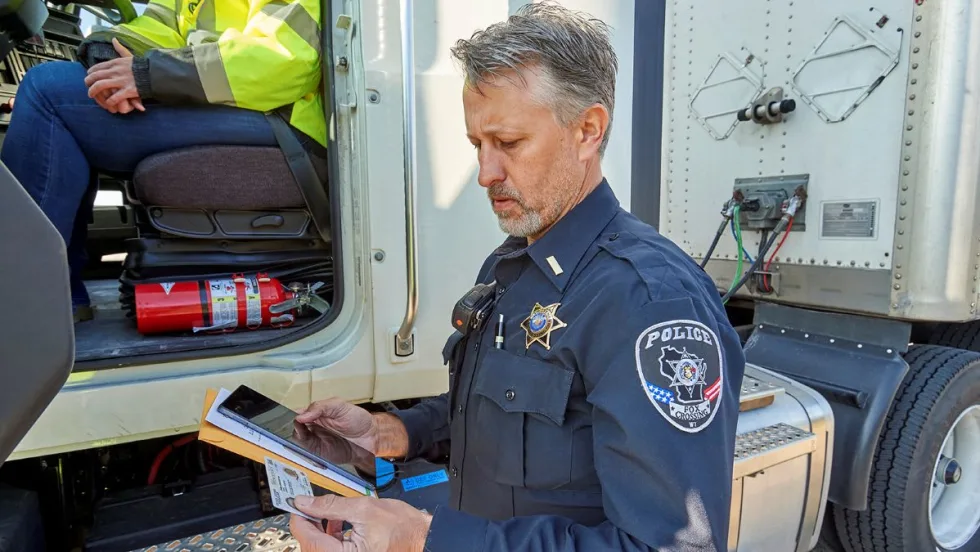
When Language Stops the Truck: The Return of ELP Out-of-Service Orders
English language proficiency rules for commercial drivers aren’t new, but renewed out-of-service enforcement has raised the stakes. Here’s what carriers need to know before a driver reaches a roadside inspection.
Read More →
Samsara Launches Custom AI Agent Builder
Agent Studio lets fleets create AI tools for hours-of-service monitoring, reporting and driver support, including agents that communicate by phone.
Read More →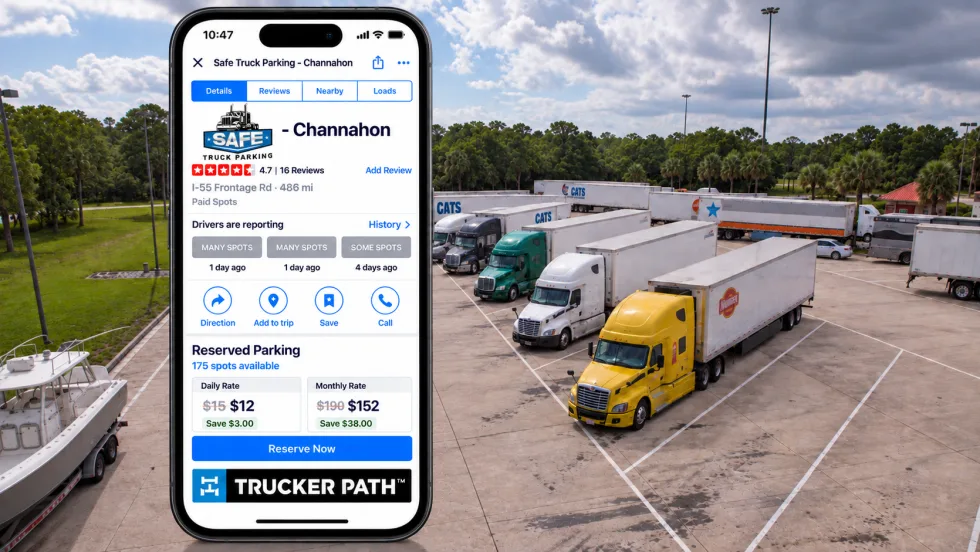
Trucker Path Expands Reserved Parking Network
Trucker Path has added close to 6,000 more truck parking spaces to its Trucker Path Reserved Parking Network with the addition of Safe Truck Parking.
Read More →
EEOC Sues Texas Trucking Company Over Driver Age Limits
The agency says Trancasa USA rejected applicants over 65 and applied tougher driving-record standards to those over 60.
Read More →
Nussbaum, Roehl Announce Second Driver Pay Increase This Year
This year has seen a swath of major truck driver pay increases as freight capacity has tightened.
Read More →
From One Generation to the Next: How Mentorship Builds Safer Truck Drivers
After three decades in trucking, Harold Perry shares what he's learned about driver safety, mentorship, and helping the next generation build confidence behind the wheel.
Read More →
Truck Drivers Need More Than Another Alert
Fleets have more visibility into truck health, safety events, and driver activity than ever. The next challenge is turning all that information into useful guidance for the person who has to decide what to do next.
Read More →
FMCSA Removes 110 Truck Driver Training Schools from Certified ELDT List
Federal regulators also are targeting more than 160 additional training providers and launching a nationwide audit of third-party CDL skills testers as part of a broader crackdown on trucking fraud.
Read More →
Hours of Service Pilot Programs: FMCSA Readies for 2027 Rollout
Two pilot programs could eventually reshape hours-of-service rules, giving truck drivers options to pause their 14-hour clock or use longer split sleeper rest periods.
Read More →
Medical Cards, English Proficiency Reshape Roadcheck Violations
Medical-card violations jumped to the top of the driver out-of-service list during CVSA’s 2026 International Roadcheck, while English-language proficiency violations appeared among the leading violations for the first time.
Read More →