




Senate Introduces the LNG Excise Tax Equalization Act
Yesterday, the U.S. Congress introduced bipartisan legislation to equitably tax liquefied natural gas as a transportation fuel. Senators Michael Bennet (D-CO) and Richard Burr (R-NC) introduced the legislation, titled the “LNG Excise Tax Equalization Act of 2013” (S.1103).

The U.S. Congress introduced bipartisan legislation to equitably tax liquefied natural gas as a transportation fuel.

The U.S. Congress introduced bipartisan legislation to equitably tax liquefied natural gas as a transportation fuel.
Recently, the U.S. Congress introduced bipartisan legislation to equitably tax liquefied natural gas as a transportation fuel. Senators Michael Bennet (D-CO) and Richard Burr (R-NC) introduced the legislation, titled the “LNG Excise Tax Equalization Act of 2013” (S.1103).
The bill makes a simple but important modification in the way LNG is taxed as a transportation fuel. Currently, the federal highway excise tax on both diesel and LNG is set at 24.3 cents per gallon (Internal Revenue Code 4041).
However, it takes about 1.7 gallons of LNG to equal the energy content of one gallon of diesel. The result is the taxation of LNG at a rate 70% higher than diesel on an energy equivalent basis. This legislation changes the way LNG is taxed—from a volume (gallon) to an energy content (diesel gallon equivalent) basis.
LNG is an attractive fuel for large trucks and other heavy-duty applications that use a large amount of fuel per year. This makes the current LNG tax penalty a significant barrier to wider LNG use in these applications.
For example, consider that a diesel truck traveling 100,000 miles per year at 5 miles per gallon would consume 20,000 gallons of diesel fuel. An identical LNG truck would require 34,000 gallons of LNG to travel the same distance. While the LNG truck uses a cleaner form of fuel, it would pay an additional $3,402 per year in taxes for using LNG.
Two weeks ago, Representatives Mac Thornberry (R-TX) and John Larson (D-CT) introduced similar legislation, H.R. 2202, in the U.S. House of Representatives. Since then, Representatives Jim Matheson (D-UT), Leonard Lance (R-NJ) and Lee Terry (R-NE) have co-sponsored the bill.
This effort by Congress also is being mirrored by efforts in a number of states. Already this year, legislatures in six states have passed bills that adjust their state tax on LNG so that it is based on an energy equivalent basis.
More Fleet Management

For Nicky Cupp, Fleet Innovation Starts With Frustration
HDT Truck Fleet Innovator Nicky Cupp turns everyday pain points at Fraley & Schilling into opportunities for better technology and smarter processes.
Read More →
Adam Buttgenbach’s Approach to Electric Trucks: Start With Where They Fit
HDT Truck Fleet Innovator Adam Buttgenbach helped PepsiCo build one of North America’s largest EV fleets by focusing on where electric trucks make operational sense.
Read More →
Deen Albert: Let Automation Do the Math, People Make the Decisions
HDT Truck Fleet Innovator Deen Albert makes sure people are still at the heart of operations at Grand Island Express, even while adopting artificial intelligence tools. AI-assisted dispatch helped boost revenue 25% with the same number of trucks.
Read More →
Trimble’s New AI Agent Takes Aim at Fleet Back-Office Busywork
Arc Agent works across Trimble TMS products to automate repetitive tasks such as freight orders, maintenance, invoices, fuel costs and more.
Read More →
How HDT’s 2026 Truck Fleet Innovators Are Rethinking Fleet Operations
Meet five trucking leaders who are challenging assumptions, solving operational problems, and putting innovative ideas to work.
Read More →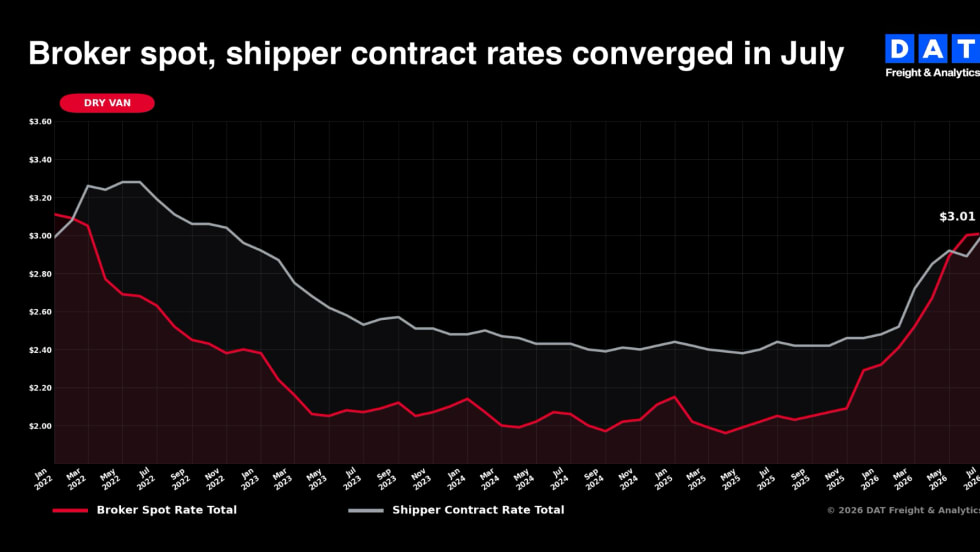
Tight Trucking Capacity Pushes Rates Higher Even as Freight Volumes Fall
“Spot rates moving ahead of contract rates have historically signaled a tightening market, but we haven’t seen a capacity-driven market quite like this one,” said DAT's Dean Croke.
Read More →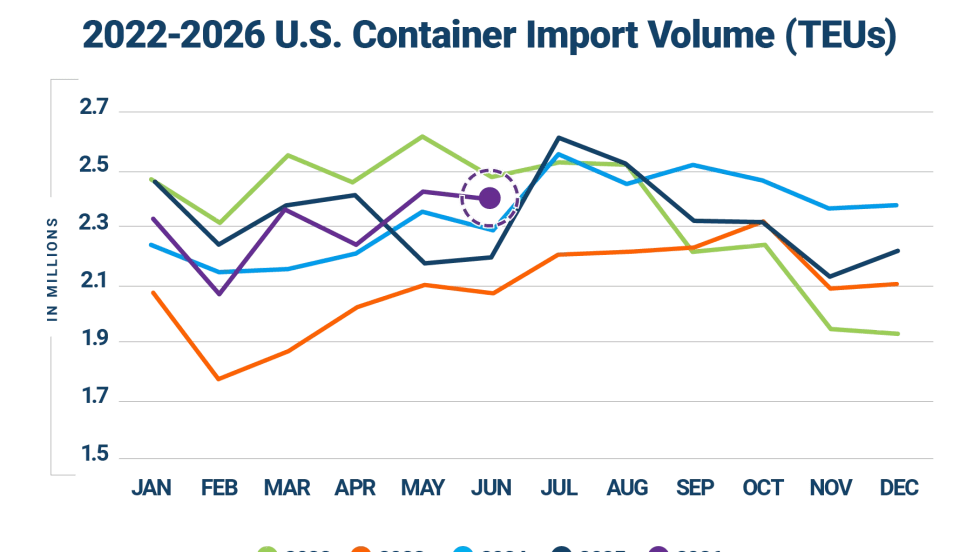
Import Cargo’s Early Peak Season is Winding Down
There was an early start to peak season this year at the nation's gateway ports, as retailers brought in merchandise ahead of tariff changes in late July and responded to other supply chain uncertainties,
Read More →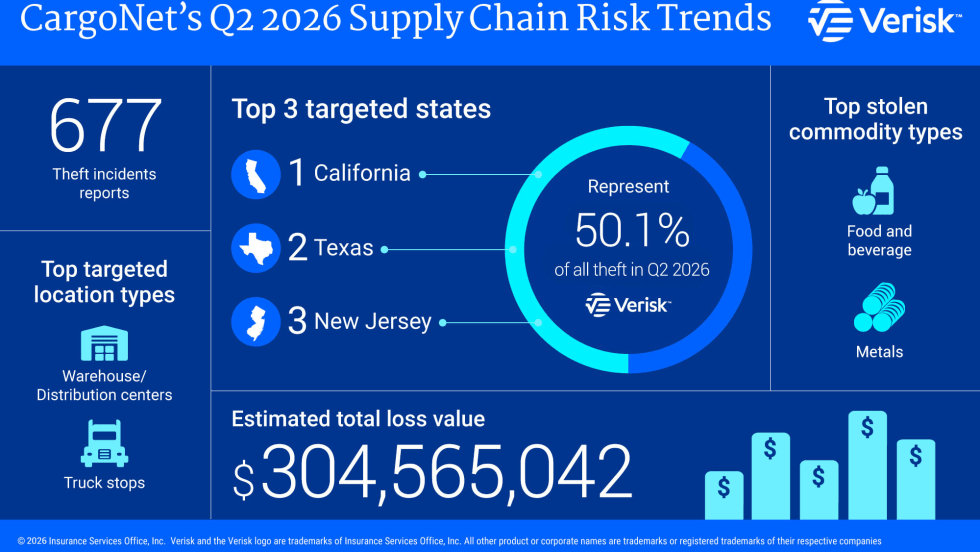
Fewer Cargo Thefts, Bigger Losses: Criminals Target Higher-Value Loads
CargoNet says organized theft rings are stealing fewer shipments but choosing more valuable freight, including metals and technology, resulting in record losses.
Read More →
How Innovative Trucking Leaders Turn Change Into an Advantage
As the pace of change accelerates in trucking, the fleets that adapt best have more than the latest technology. They have cultures that embrace improvement.
Read More →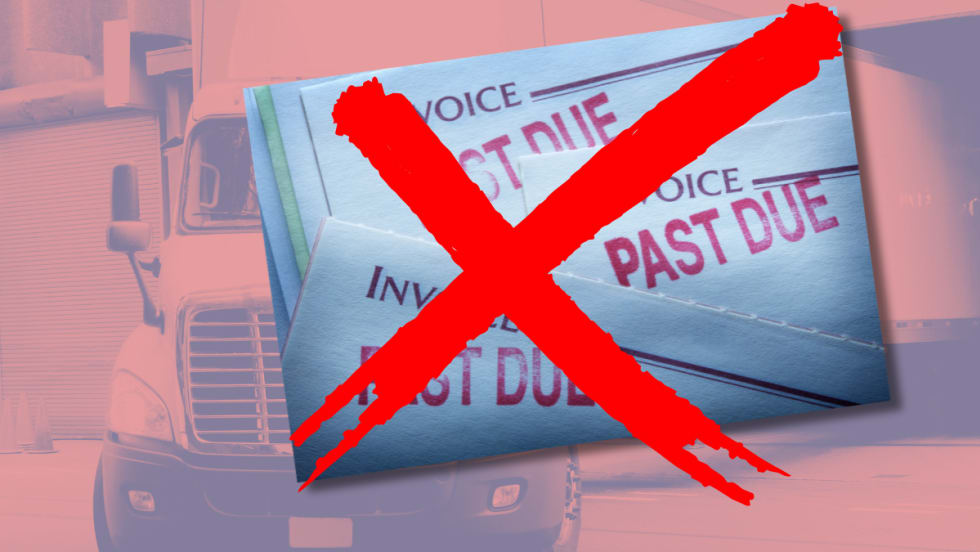
Freight Broker Bonds Just Got Harder to Get. Here's What That Means for Your Fleet.
When it gets harder for a freight broker to prove they are financially sound, the ones who cannot clear that bar get pushed out of the market. And those are exactly the brokers who used to leave motor carriers holding the bag.
Read More →