




Senate Bill Would Kill Hours of Service Proposal
Pushed by the American Trucking Associations, the Senate Appropriations Committee approved a measure that would force the Department of Transportation to stop its reform of the hours of service regulations. The maneuver raises the possibility that the controversial reform proposal could be killed by legislative fiat. At this point, however, the ATA tactic faces many obstacles
Pushed by the American Trucking Associations, the Senate Appropriations Committee approved a measure that would force the Department of Transportation to stop its reform of the hours of service regulations.
The maneuver raises the possibility that the controversial reform proposal could be killed by legislative fiat. At this point, however, the ATA tactic faces many obstacles.
The squelch provision still must be approved by the full Senate. Then it will have to survive conference negotiations with the House, whose transportation appropriations bill does not contain such a provision. Finally, it would have to be approved by President Clinton – and the administration opposes the move.
At issue is the long-awaited reform of the 60-year-old rules that govern how long drivers can work and how much time they get for rest. DOT’s proposal, which still is open for public comments, would require truck and bus companies to revamp their operating schedules. It also would require long-haul and regional operators to install onboard recorders to track driver hours.
The proposal has been greeted with near-universal disdain by the trucking industry, which says that it would cost far more than DOT projects – and would create more safety problems than it solves.
DOT, for its part, is defending the proposal as being basically on-target, although needing some adjustments.
ATA is not so much interested in killing the proposal as in forcing DOT to change the reform process from rulemaking to negotiation, said Jim Whittinghill, senior vice president of government affairs.
This would in effect reopen the negotiated rulemaking that foundered last year when mediators concluded they could not find common ground among the numerous constituencies interested in the rules.
It was the safety advocacy groups that brought that process to a halt, Whittinghill said, adding that he hopes they can work to a solution this time.
The Senate Appropriations measure is the third legislative initiative under way to stop the proposal. The House has a bill by Rep. Lee Terry, R-NE, and Sen. Ben Nighthorse Campbell, R-CO, has introduced a < a href="http://truckinginfo.com/newsstory.asp?StoryID=5050">similar measure.
Sen. Campbell was outspoken on this issue during markup hearings in the Senate Transportation Appropriations Subcommittee. The DOT proposal is a perfect example of the law of unintended consequences, he said. Joining Campbell in support of the bill was Sen. Robert Bennett, R-UT, who said the DOT proposal would degrade safety, rather than improve it.
Sen. Frank Lautenberg, D-NJ, also said he opposes aspects of the proposal – but he has concerns about this legislative remedy. Noting that DOT has granted the 90-day extension for comments that many in the trucking industry had sought, he pressed his colleagues to seek a solution through discussions with Transportation Secretary Rodney Slater.
For his part, Slater protested the Senate move in a letter to Sen. Ted Stevens, R-AK, chairman of the Appropriations Committee.
"The Congress directed (DOT) to proceed diligently to address the hours of service issue and we have done so," Slater wrote. "The provision included in the (bill) will end our driver fatigue efforts and I remain strongly opposed to such a provision."
Also of interest in the Senate’s transportation appropriations bill: a provision to force all states to adopt a .08 blood-alcohol concentration as their limit for drunk driving.
More Drivers

Competition Heating Up for Truck Drivers
New report reveals rising driver hiring costs, the return of sign-on bonuses, growing AI advantages, and the operational factors shaping driver retention.
Read More →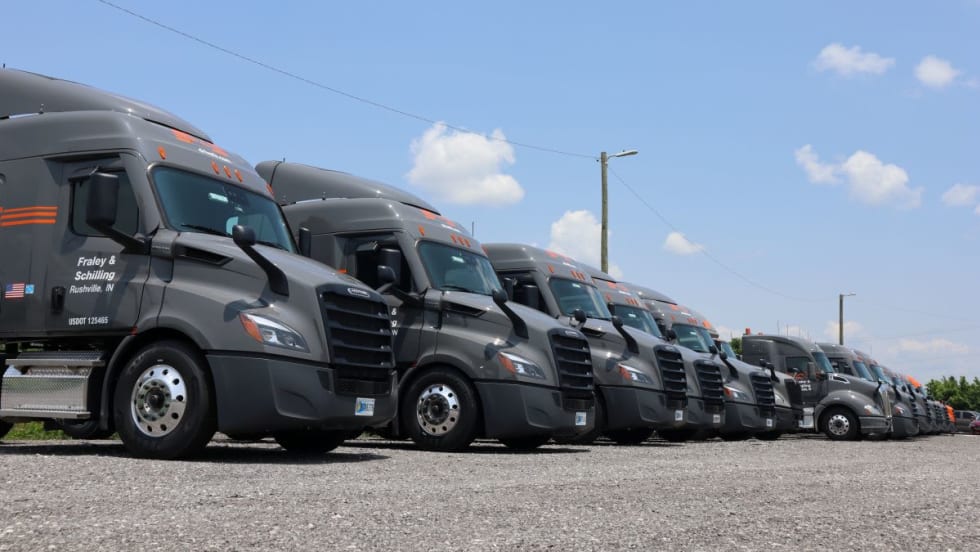
How Fraley & Schilling Improved Logbook Compliance by Over 50%
Fraley & Schilling needed a way to close a compliance workflow gap in its ELD system without adding more work from driver training, reminders, and back-office follow-ups. It found the answer in a custom driver app.
Read More →
Volvo Goes Gaming
Volvo has roared into American Truck Simulator with two new flagship trucks.
Read More →
What the Best Fleets to Drive For Teach About Driver Retention
Survey fatigue, AI-powered routing, owner-operator expectations, and the decline of social media all emerged as themes from this year's Best Fleets to Drive For program.
Read More →
Driver Retention Lessons From the Best Fleets to Drive For
What separates trucking's best workplaces from the rest? Jane Jazrawy shares the biggest lessons from this year's Best Fleets to Drive For program on driver retention, communication, AI, and workforce trends on the HDT Talks Trucking podcast.
Read More →
Farewell, CDL: Why I'm Giving Up My Commercial Driver's License
After more than 20 years as a CDL holder, HDT Executive Editor Jack Roberts is letting his commercial license expire. Not because he wants to — but because trucking's nuclear verdict crisis has made the risks of public-road test drives too great for editors, manufacturers, and everyone involved.
Read More →
How Top Trucking Fleets Improve Driver Retention [Video]
What do healthy snacks, optimized routing, and just picking up the phone have in common? They're all strategies the Best Fleets to Drive For are using to retain truck drivers.
Read More →
Trucker Path Adds Verisk CargoNet Theft Data to Navigation Platform
Trucker Path’s new cargo theft risk overlays give drivers and fleets visibility into high-risk areas, stolen commodity trends, and theft hotspots.
Read More →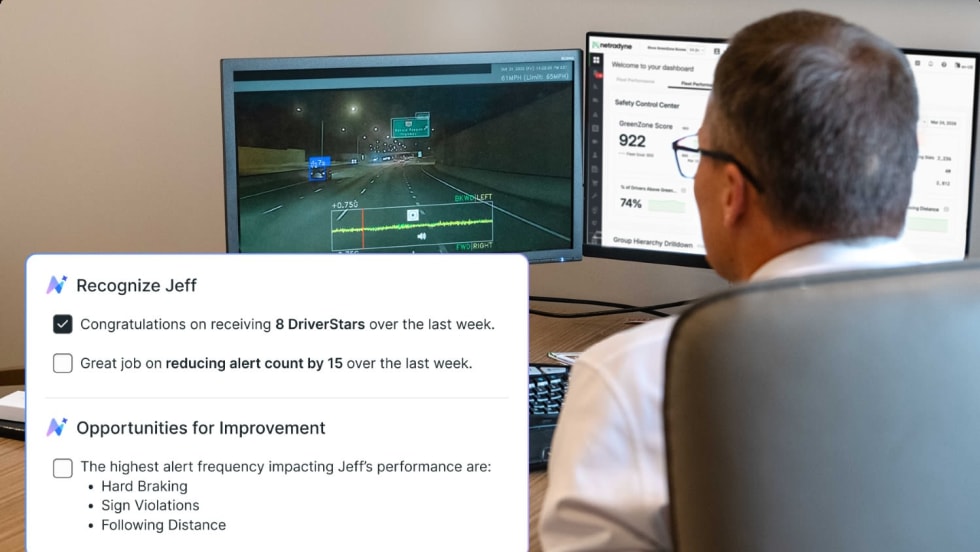
Netradyne Intelligence Uses New AI Agents to Automate Response to In-Cab Camera Data
The company called the next-generation in-cab camera safety platform "a fundamental shift from systems that report on what happened to systems that actively drive what should happen next."
Read More →
Why Truck Detention Keeps Costing Fleets Time and Money
A 2024 ATRI study found detention affects nearly 40% of truckload stops and costs the industry more than $15 billion annually. Despite the toll on drivers, fleets, and supply chains, the problem remains stubbornly persistent.
Read More →