




Second-Generation Biodiesels Perform Well in Daimler Testing
A European test of second-generation biodiesel fuels made from hydrotreated vegetable oils showed reduced emissions compared to traditional petroleum-based diesel
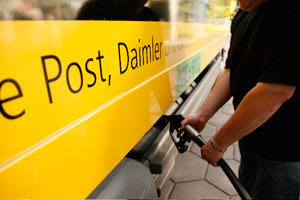
Fueling of a Mercedes-Benz Atego with Diesel from renewable resources.
A European test of second-generation biodiesel fuels made from hydrotreated vegetable oils showed reduced emissions compared to traditional petroleum-based diesel.
Daimler AG, Deutsche Post DHL, the energy group OMV, the Stuttgarter Straßenbahnen AG public transportation company, and the Finnish oil company Neste Oil presented initial results of a joint pilot test of vehicles running on renewable diesel at an event in Berlin this week.
For 1 million kilometers so far, the companies have been running 14 Mercedes-Benz trucks and buses using sustainably produced NExBTL renewable diesel under everyday conditions in Germany. The test results have shown reduced emissions, including a 15 percent savings of nitrogen oxides and more than 60 percent decrease in CO2 emissions, when compared to fossil fuels.
The field tests will continue for a three-year period ending in 2011, running the commercial vehicles for a total of 3.3 million kilometers and saving more than 2,000 tons of CO2 emissions. Deutsche Post DHL is driving 10 Mercedes-Benz trucks over this period, while Stuttgarter Straßenbahnen AG is operating four Mercedes-Benz Citaro city buses. Neste Oil manufactures the biofuel, while OMV provides the fuel to the project partners.
"The results from the first year of testing show that the fuel works perfectly in Mercedes-Benz trucks and buses and is tolerated very well by the engines," said Manfred Schuckert, company strategist of emissions and safety for commercial vehicles at Daimler AG. "This is very important for our customers, because the previously used biodiesel from the so-called first generation of biofuels often leads to more frequent maintenance checks, which in turn leads to higher costs for the vehicle operators."
The field tests can also be used to highlight the issue of CO2 emissions from motor vehicle traffic. "As a global logistics company that operates a large fleet of vehicles, we want to actively support research into biofuels from renewable sources," said Steffen Frankenberg, company strategist at Deutsche Post DHL. "That's because we think that second- and third-generation biofuels can significantly reduce our carbon footprint."
"In the future we will face the challenging task of having to transport more goods while generating far fewer emissions," said Frankenberg. "We will therefore desperately need alternative fuels, especially fuels that are sustainably produced."
Neste Oil is engaged in research and development with 23 research institutions and universities around the world to develope completely new type of feedstocks for renewabe fuels production. Research work is ongoing, for instance, on fuels made from algae, other microbes and wood residues.
The participants were speaking at the event, "Diesel from renewable resources - A step toward zero-emission transportation?"
All of the participants in the field test have environmental initiatives, including OMV's Future Energy Fund and Daimler's "Shaping Future Transportation" project.
More Aftermarket
What Three Fleets Are Doing Differently When Buying Truck Parts in 2026
With freight improving but costs still climbing, fleet maintenance executives explain how they're balancing price, quality, and supplier relationships.
Read More →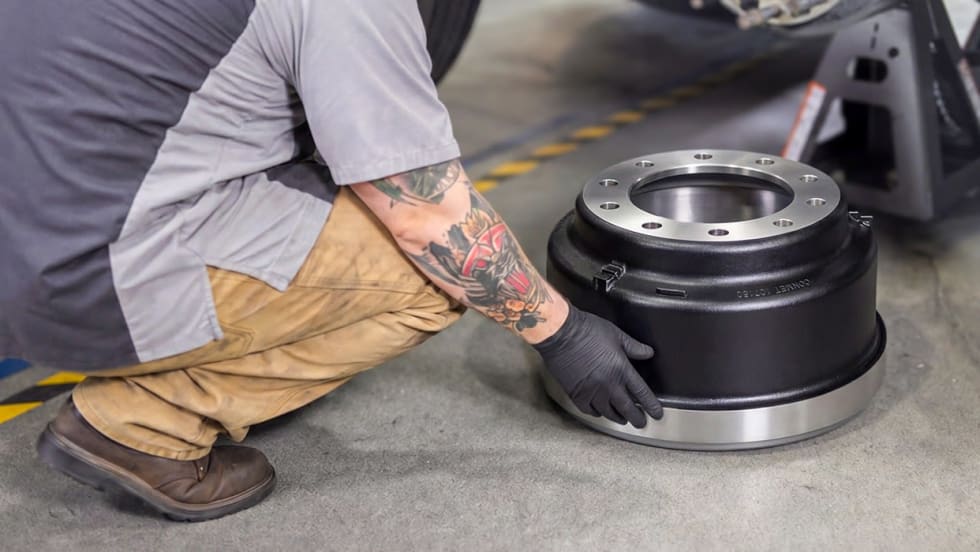
ConMet Expands Aftermarket Brake Drum Lineup With TruCast
A new heavy-duty truck brake drum option in the aftermarket gives customers more flexibility within the ConMet product family.
Read More →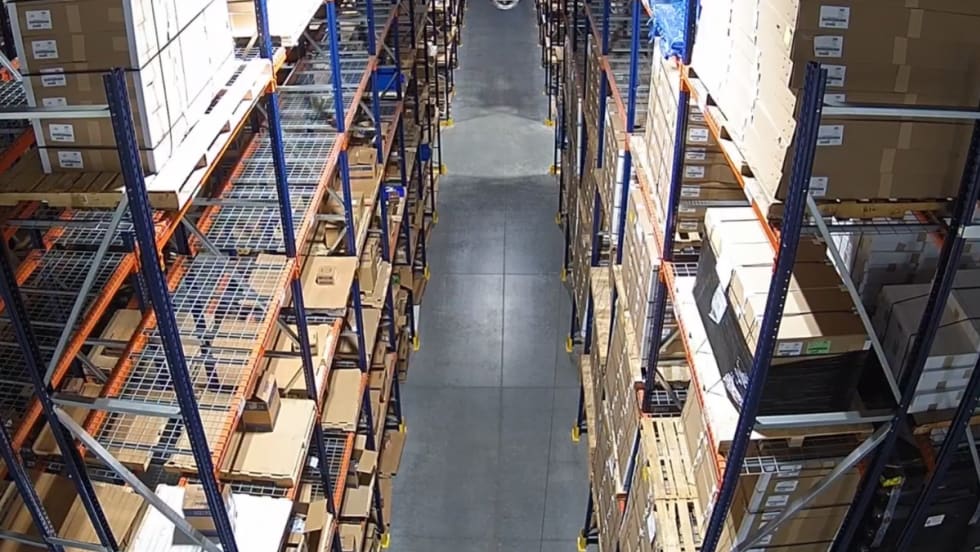
Phillips Opens High-Tech Distribution Center for Faster Parts Delivery
Phillips Industries’ new Cincinnati-area distribution center is now shipping aftermarket trucking parts nationwide, aiming to speed up delivery times for customers.
Read More →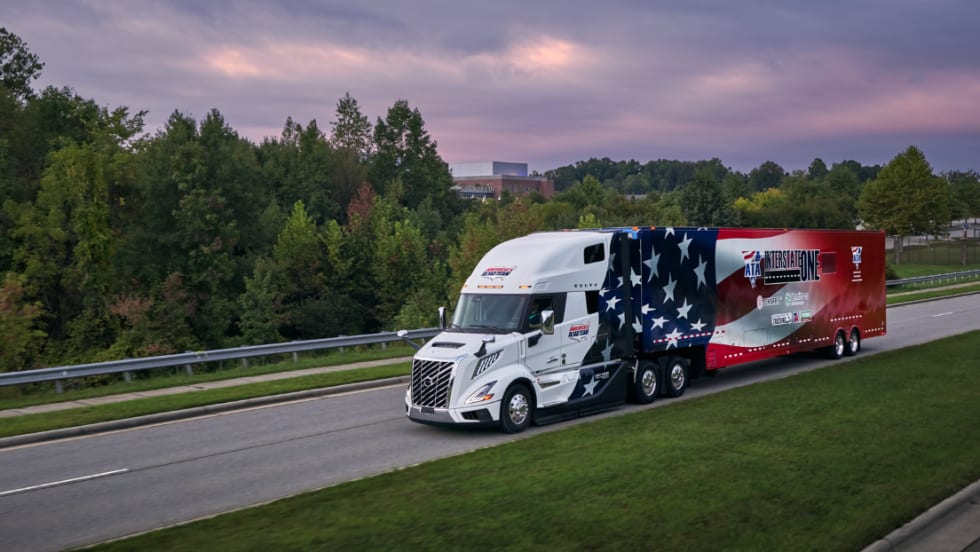
Volvo to Sponsor America’s Road Team for 2025
Volvo Trucks announced that it is extending its exclusive sponsorship of America’s Road Team for 2025.
Read More →
Webb to Start Taking Orders for UltraSet Pre-Adjusted Wheel Hubs
Webb, which recently acquired the Stemco Trifecta pre-adjusted hub program, will soon start taking orders for its replacement pre-assembled hub, the UltraSet.
Read More →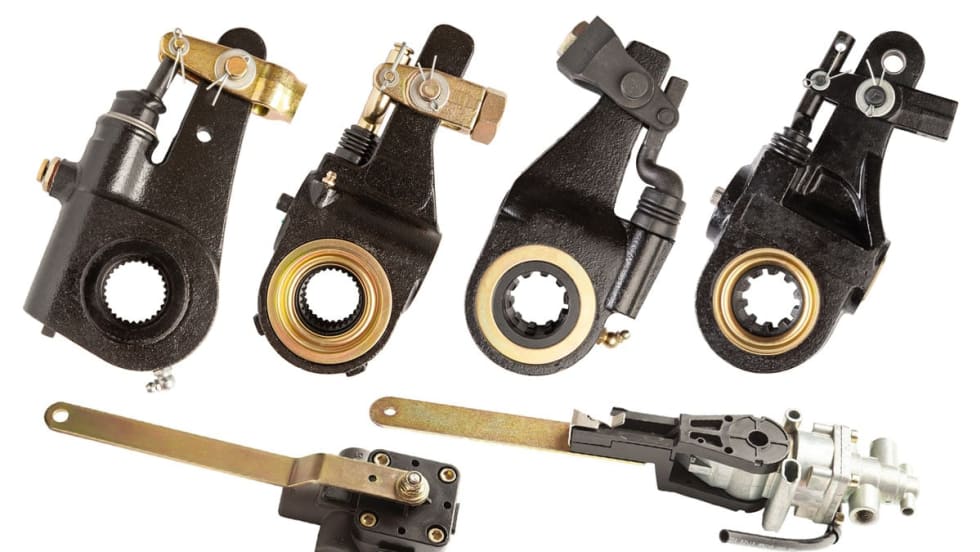
All-Makes Automatic Brake Adjusters, Ride Height Control Valves from Midland
SAF-Holland has added automatic brake adjusters and ride height control valves to its Midland All-Makes Program.
Read More →
ZF Aftermarket Expands [pro]Academy Training
ZF Aftermarket said it is expanding its ZF [pro]Academy training and will be adding 40 new modules this year.
Read More →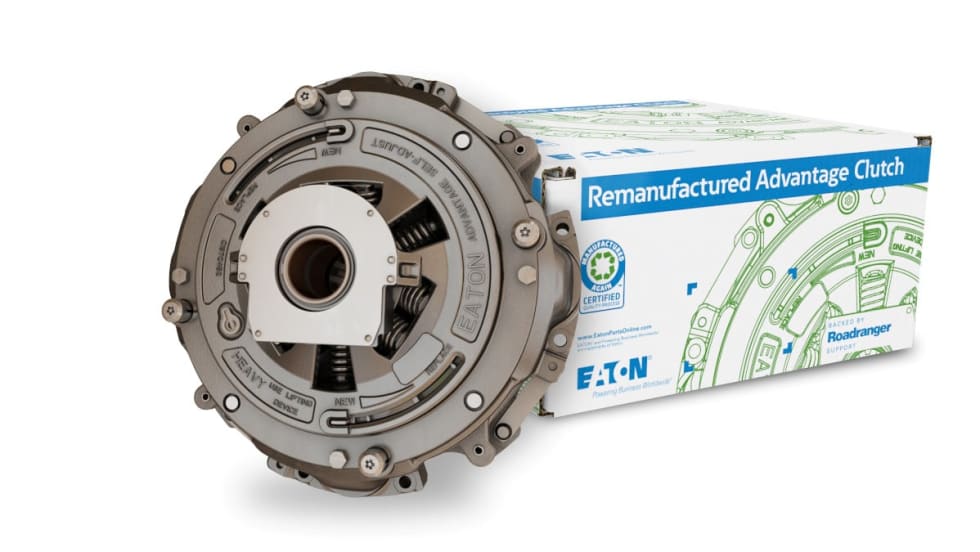
Eaton Adds Remanufactured Advantage Line of Clutches
Eaton has added its Advantage clutches to its remanufactured product line. The clutches feature a unique strap drive intermediate plate designed to allow customers to choose the latest OE specification
Read More →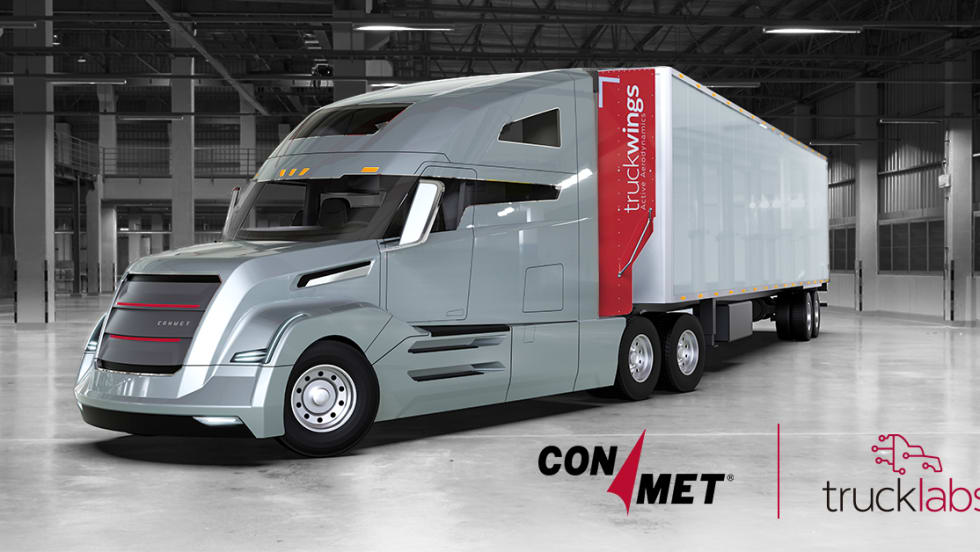
ConMet Acquires TruckLabs, the Creator of TruckWings
Commercial truck and trailer parts provider ConMet acquired TruckLabs, the company that created TruckWings, an aerodynamic device that attaches to truck cabs and deploys to close the gap between truck and trailer. TruckLabs now operates as a subsidiary of ConMet.
Read More →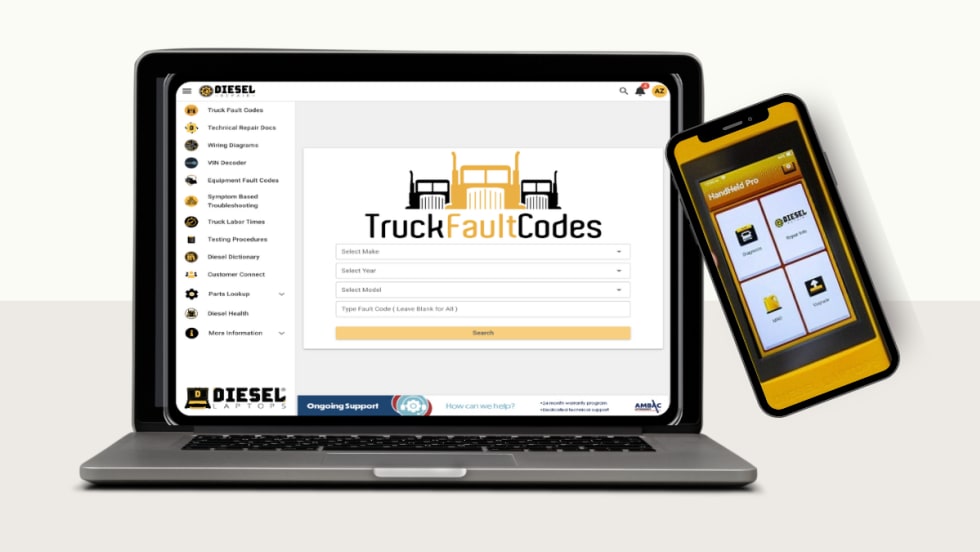
Diesel Laptops Releases Fault-Code-to-Part-Number Tool
Diesel Laptops said its Truck Fault Codes allows users to input a fault code and immediately identify and order the parts needed to complete repair work.
Read More →