




Scania Rolls Out Future-Oriented Urban Hauler
Scania has introduced its new regional truck in two versions for the European market, both designed for fuel efficient, low carbon operation in urban use.
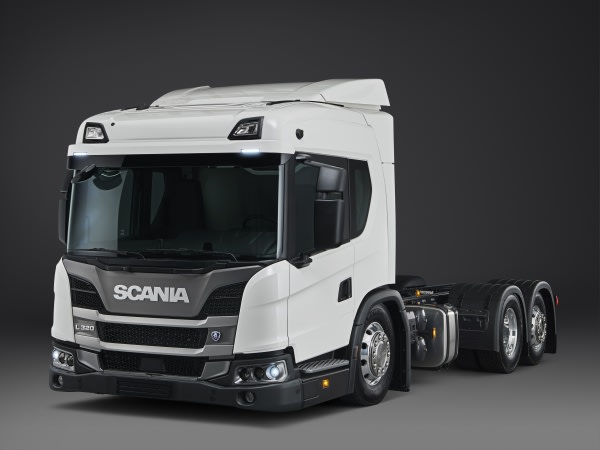
The L-series truck Photo: Scania
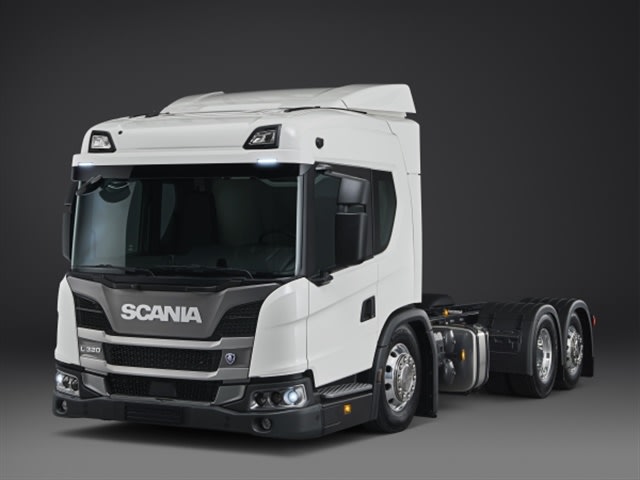
The L-series truckPhoto: Scania
Sweden-based OEM Scania AB has introduced its new regional truck in two versions for the European market, both designed for fuel efficient, low carbon operation in urban use.
"With today's release, Scania comprehensively sets the stage for the necessary shift towards sustainable transport, offering tailored low-carbon trucks for all transport applications," said Christian Levin, executive vice president, sales and marketing.
The new truck is powered by a 7-liter engine that Scania says will offer fuel savings of up to 10% and the company also touted its more compact exterior with more spacious interior.
The P-series cab features a lower engine tunnel, which opens up the cab’s interior and, with more compact dimensions, the truck is designed to excel in handling, steering, and driveability, said Scania.
The L-series cab is designed for urban transport applications, such as distribution and refuse collection. The cab was designed to improve outward visibility with a driving position that is the same height as other road users, said Scania. It also offers other features to improve the working environment for drivers.
Scania also showed versions of the P- and L-series with a CrewCab that will primarily be used by firefighters. The CrewCab can accommodate up to eight passengers and features a separate climate system and heating for the crew area.
"With the new generation trucks, Scania is taking major steps in improved safety, driver comfort and fuel economy," said Levin. “The released models have been universally praised and awarded for their innovative features and overall performance and we are certain that the new urban range will be equally successful.”
Scania is one of several European truck makers owned by Germany's Volkswagen AG.
More Equipment

How Volvo Updated Its D13 for EPA 2027 [Watch]
Volvo’s updated D13 promises lower emissions without sacrificing performance or fuel economy. Take a closer look at what changed inside the engine in this HDT Spotlight video.
Read More →
Michelin Tire Improves Efficiency and Durability for Regional Fleets
The Michelin X Multi Energy D2 is a regional haul drive tire engineered to help fleets improve fuel efficiency, durability and traction in demanding stop-and-go operations.
Read More →
ZF Expands Commercial Vehicle Push in North America
ZF is expanding its North American commercial-vehicle presence with new transmission applications, electrification, trailer technology and autonomous-driving systems.
Read More →
Tesla Wants a Self-Driving Semi. Are Cameras Enough?
Could Tesla’s camera-only autonomous driving technology work on an 80,000-pound Semi? In this commentary, HDT's Deborah Lockridge takes a look at Tesla, Cybercab, and how autonomous trucks see the road.
Read More →
Kodiak: Driverless Long-Haul Truck Launch on Track for 2026
Kodiak AI says its driverless long-haul safety case is 93% complete and it remains on track to begin commercial operations by year-end 2026.
Read More →
What DOT’s Automated Vehicle Strategy Means for Trucking
The U.S. Department of Transportation issued a new automated-vehicle strategy that outlines plans for driverless-truck regulations, cross-state freight corridors, and federal safety standards.
Read More →
East Coast Port Launches $45M Electric Truck Push
The Port Authority of New York and New Jersey announced millions in incentives for zero-emission drayage trucks, yard tractors, and new charging hubs near the port.
Read More →
PlusAI Going Public to Fund Autonomous Truck Launch
A SPAC deal could provide PlusAI with up to $300 million as it works toward a 2027 commercial launch of factory-built autonomous trucks.
Read More →
NHTSA Moves to Rewrite Truck Fuel-Economy Rules
The National Highway Traffic Safety Administration says it lacks authority to regulate medium- and heavy-duty truck engines separately from complete vehicles, but the existing standards have not yet been eliminated.
Read More →
Detroit Opens Orders for EPA 2027 Engines
Detroit isn’t starting from scratch to meet EPA 2027 diesel emissions standards. Its Gen 6 DD13 and DD15 engines keep much of today’s platform while updating the fuel and aftertreatment systems.
Read More →