




Safety Bill Nears Passage
Congress is poised to pass a bill that toughens truck safety enforcement and creates a new federal office dedicated solely to truck and bus safety
Congress is poised to pass a bill that toughens truck safety enforcement and creates a new federal office dedicated solely to truck and bus safety.
Until yesterday, the bill had been stuck in the Senate over a provision that eliminated the Single State Reporting System. When it became clear that the logjam was impassible, trucking industry lobbyists agreed to drop that provision.
So the state reporting system will remain in effect, under the bill that cleared the House last night and is expected to clear the Senate soon. President Clinton is expected to sign the bill.
The legislation creates a Federal Motor Carrier Safety Administration in the Department of Transportation. This gives truck and bus safety equal status in DOT with the other transportation modes – a goal long sought by the trucking industry.
The bill also sets tough new rules for truck safety, and promises the money to pay for them. It doubles funding, from $355 million to $774 million over three years.
Among the reforms:
* Stricter licensing rules. For example, a driver who causes a fatal accident must be suspended.
* More inspectors along the Mexican border.
* Higher minimum fines for safety violations, and repeat offenders must pay the maximum fine.
* Any trucker who refuses to pay a fine will be shut down.
* Mexican carriers that violate U.S. rules will be penalized and disqualified.
* DOT will conduct an extensive study of the causes of accidents.
More Drivers

Competition Heating Up for Truck Drivers
New report reveals rising driver hiring costs, the return of sign-on bonuses, growing AI advantages, and the operational factors shaping driver retention.
Read More →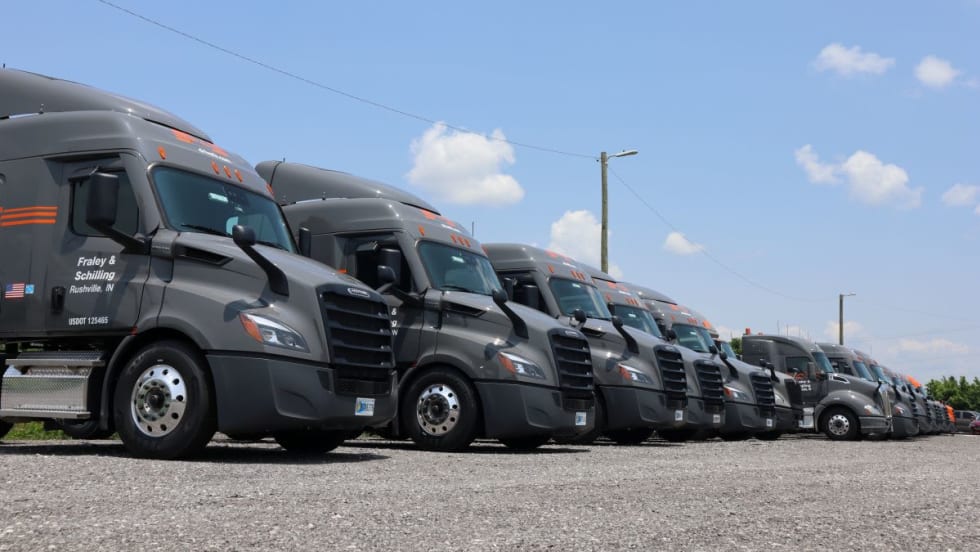
How Fraley & Schilling Improved Logbook Compliance by Over 50%
Fraley & Schilling needed a way to close a compliance workflow gap in its ELD system without adding more work from driver training, reminders, and back-office follow-ups. It found the answer in a custom driver app.
Read More →
Volvo Goes Gaming
Volvo has roared into American Truck Simulator with two new flagship trucks.
Read More →
What the Best Fleets to Drive For Teach About Driver Retention
Survey fatigue, AI-powered routing, owner-operator expectations, and the decline of social media all emerged as themes from this year's Best Fleets to Drive For program.
Read More →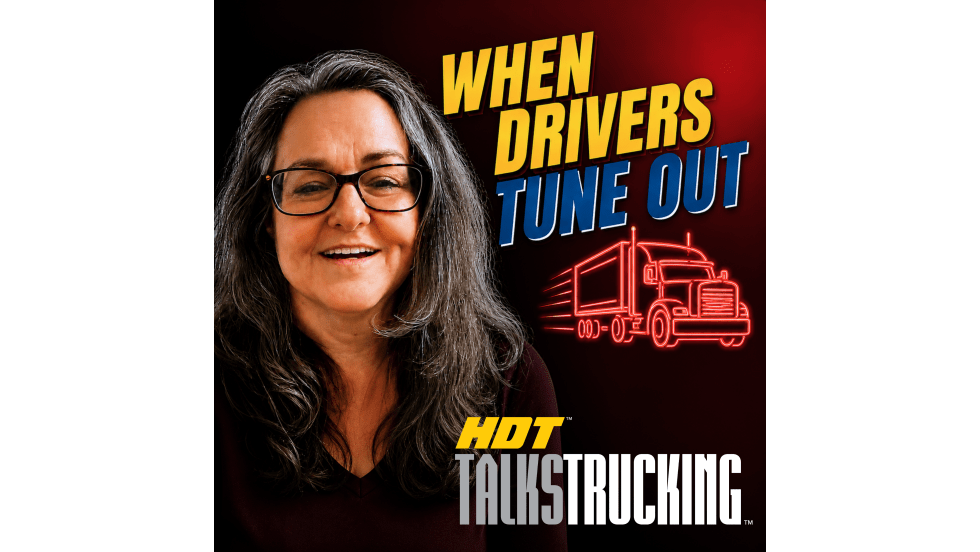
Driver Retention Lessons From the Best Fleets to Drive For
What separates trucking's best workplaces from the rest? Jane Jazrawy shares the biggest lessons from this year's Best Fleets to Drive For program on driver retention, communication, AI, and workforce trends on the HDT Talks Trucking podcast.
Read More →
Farewell, CDL: Why I'm Giving Up My Commercial Driver's License
After more than 20 years as a CDL holder, HDT Executive Editor Jack Roberts is letting his commercial license expire. Not because he wants to — but because trucking's nuclear verdict crisis has made the risks of public-road test drives too great for editors, manufacturers, and everyone involved.
Read More →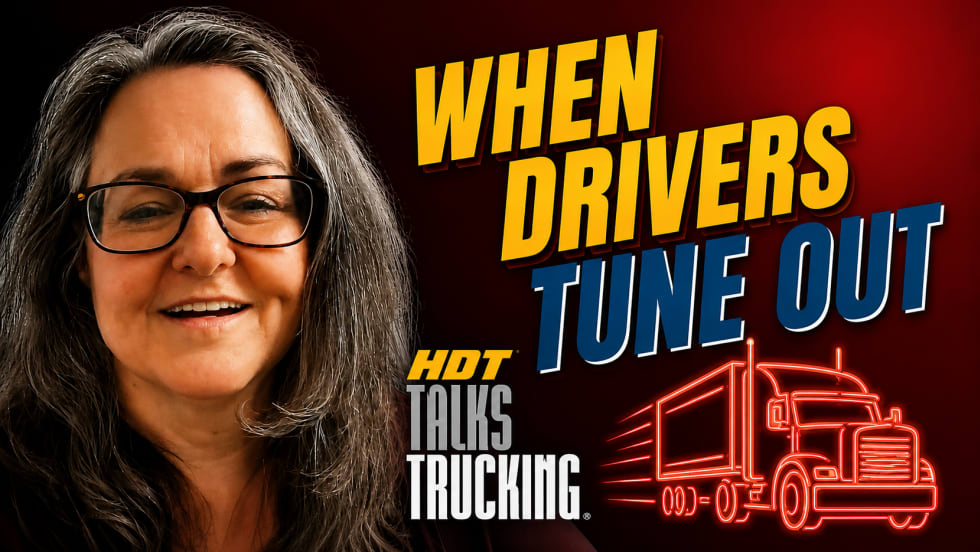
How Top Trucking Fleets Improve Driver Retention [Video]
What do healthy snacks, optimized routing, and just picking up the phone have in common? They're all strategies the Best Fleets to Drive For are using to retain truck drivers.
Read More →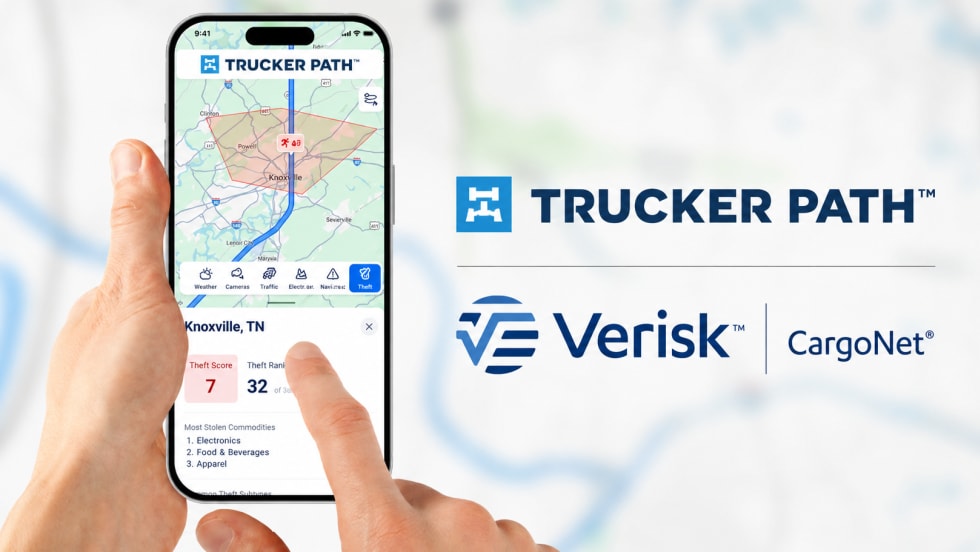
Trucker Path Adds Verisk CargoNet Theft Data to Navigation Platform
Trucker Path’s new cargo theft risk overlays give drivers and fleets visibility into high-risk areas, stolen commodity trends, and theft hotspots.
Read More →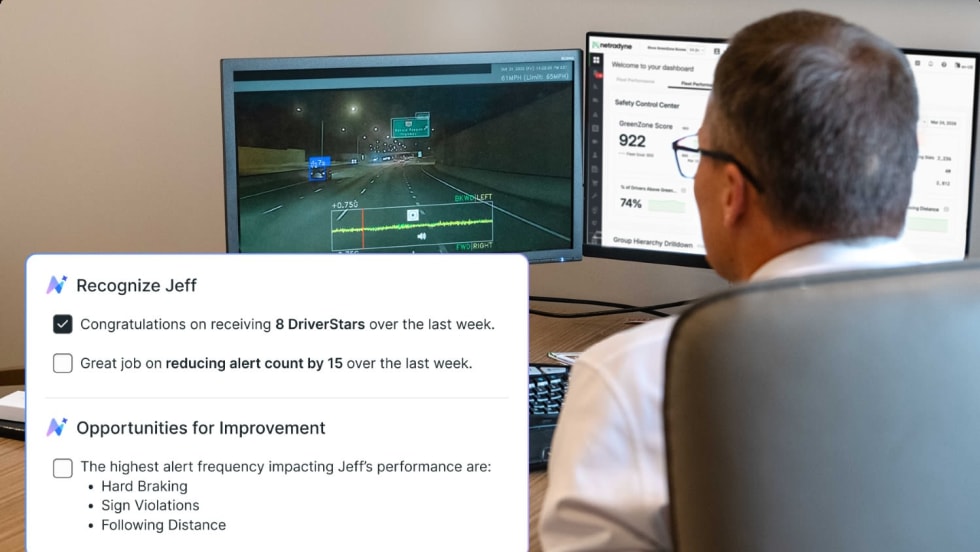
Netradyne Intelligence Uses New AI Agents to Automate Response to In-Cab Camera Data
The company called the next-generation in-cab camera safety platform "a fundamental shift from systems that report on what happened to systems that actively drive what should happen next."
Read More →
Why Truck Detention Keeps Costing Fleets Time and Money
A 2024 ATRI study found detention affects nearly 40% of truckload stops and costs the industry more than $15 billion annually. Despite the toll on drivers, fleets, and supply chains, the problem remains stubbornly persistent.
Read More →