




Safety Agency Looks to Tighten Driver Scrutiny
The first protection against a terrorist attack on highway transportation is to tighten scrutiny of drivers, say federal and industry officials. The trucking industry can expect to see tougher federal guideline
The first protection against a terrorist attack on highway transportation is to tighten scrutiny of drivers, say federal and industry officials.
The trucking industry can expect to see tougher federal guidelines
for the driver licensing process, criminal and immigration background checks for new hires, and possibly fingerprint identity on the CDL, according to discussions in the Senate Wednesday.
With the terrorist threat forcing federal safety officials to expand their mission to include security, momentum is growing for quick action. At hearings before the Senate Committee on Surface Transportation, Sen. John Breaux, D-La., told Federal Motor Carrier Safety Administration chief Joe Clapp “to get a hammer” to get agency rules moving.
Clapp, called to Capitol Hill for the first time since he was sworn in on Oct. 4, outlined what the agency has done to improve hazmat carriers’ security and said the agency is working on additional initiatives.
At the hearing, there were widespread calls to give trucking companies the ability to conduct broader criminal background checks on driver applicants. Breaux asked if the checks would help, and American Trucking Associations chairman Duane Acklie and liberal safety advocate Joan Claybrook said they would.
FMCSA is working on ways to give employers access to a variety of federal sources, such as visa information, FBI records and, possibly, the National Criminal Information Center, according to the agency’s chief safety officer, Julie Anna Cirillo.
Clapp pointed out that a check for criminal records will not ensure protection against terrorists – it would not, for example, have exposed the suicide bombers in the Sept. 11 attacks.
Cirillo, speaking in an interview following the hearing, added that the agency is working on a proposed rule to add a biometric identifier, such as fingerprints, to the CDL. She said the proposal is due in “a couple of months.”
Also a matter of deep concern at the hearing was the recent discovery of CDL fraud in Pennsylvania. The case, in which a state official was charged with selling licenses, points to weaknesses in the state and federal system, Breaux said.
Lt. Paul Sullivan of the Massachusetts State Police, representing the Commercial Vehicle Safety Alliance, called for a variety of reforms to help plug the gaps in the CDL system. CVSA wants stricter federal standards for testing, data management and background checks, among other things.
According to Cirillo, the trucking industry can expect these sorts of changes over time. She predicted tougher controls over third-party CDL testing, stricter requirements for English proficiency, and more hazmat security throughout the transportation system.
For an in-depth look at the security challenges faced by the trucking industry, watch for the November issue of Heavy Duty Trucking.
More Drivers

How Fraley & Schilling Improved Logbook Compliance by Over 50%
Fraley & Schilling needed a way to close a compliance workflow gap in its ELD system without adding more work from driver training, reminders, and back-office follow-ups. It found the answer in a custom driver app.
Read More →
Volvo Goes Gaming
Volvo has roared into American Truck Simulator with two new flagship trucks.
Read More →
What the Best Fleets to Drive For Teach About Driver Retention
Survey fatigue, AI-powered routing, owner-operator expectations, and the decline of social media all emerged as themes from this year's Best Fleets to Drive For program.
Read More →
Driver Retention Lessons From the Best Fleets to Drive For
What separates trucking's best workplaces from the rest? Jane Jazrawy shares the biggest lessons from this year's Best Fleets to Drive For program on driver retention, communication, AI, and workforce trends on the HDT Talks Trucking podcast.
Read More →
Farewell, CDL: Why I'm Giving Up My Commercial Driver's License
After more than 20 years as a CDL holder, HDT Executive Editor Jack Roberts is letting his commercial license expire. Not because he wants to — but because trucking's nuclear verdict crisis has made the risks of public-road test drives too great for editors, manufacturers, and everyone involved.
Read More →
How Top Trucking Fleets Improve Driver Retention [Video]
What do healthy snacks, optimized routing, and just picking up the phone have in common? They're all strategies the Best Fleets to Drive For are using to retain truck drivers.
Read More →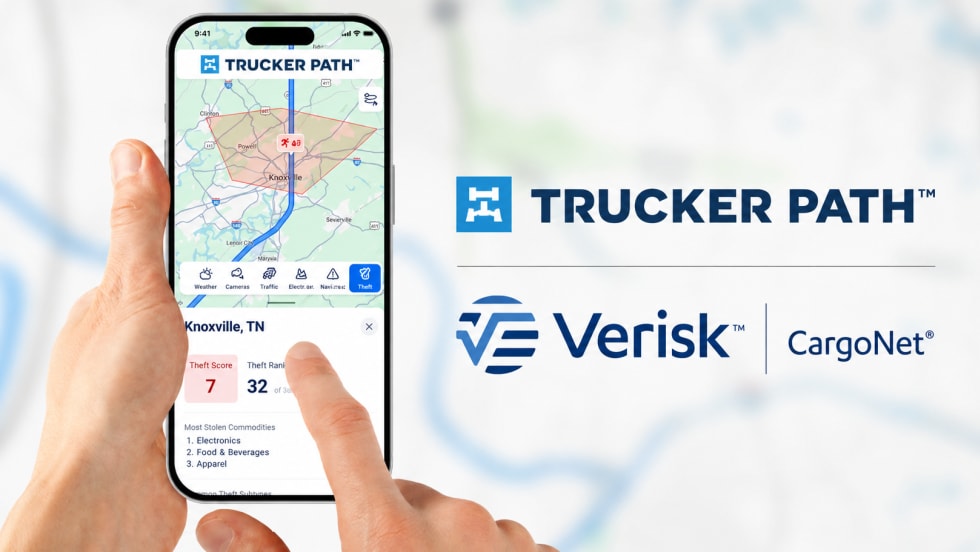
Trucker Path Adds Verisk CargoNet Theft Data to Navigation Platform
Trucker Path’s new cargo theft risk overlays give drivers and fleets visibility into high-risk areas, stolen commodity trends, and theft hotspots.
Read More →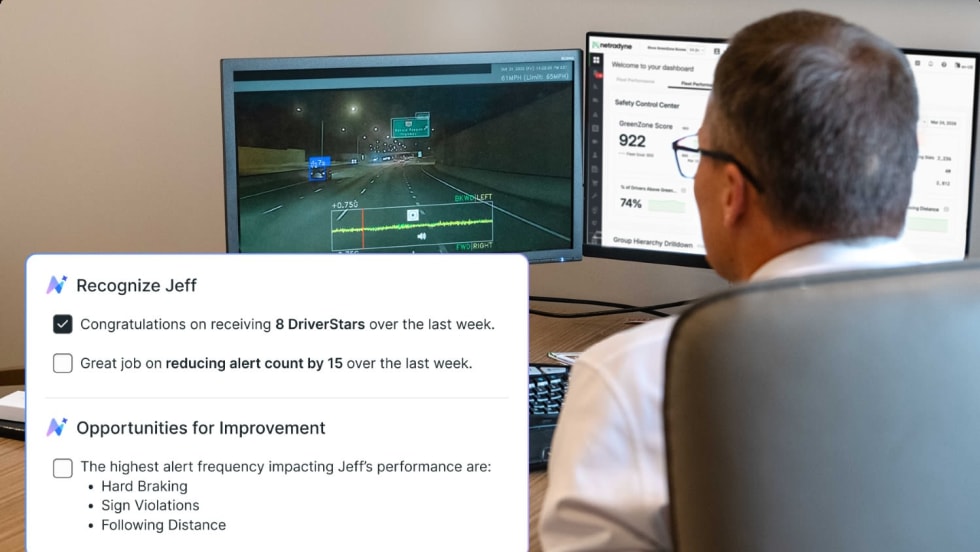
Netradyne Intelligence Uses New AI Agents to Automate Response to In-Cab Camera Data
The company called the next-generation in-cab camera safety platform "a fundamental shift from systems that report on what happened to systems that actively drive what should happen next."
Read More →
Why Truck Detention Keeps Costing Fleets Time and Money
A 2024 ATRI study found detention affects nearly 40% of truckload stops and costs the industry more than $15 billion annually. Despite the toll on drivers, fleets, and supply chains, the problem remains stubbornly persistent.
Read More →
Prime Inc. to Open $7.9M Flagship Used-Truck Dealership
A new driver-focused facility to sell Prime Inc's used trucks and trailers will be the first purpose-built location in the company's history.
Read More →