




Ryder Partners with Women in Trucking to Develop Female-Friendly Vehicles
To respond to the increasing number of women choosing careers as professional truck drivers and to inspire more women to consider the transportation industry as a career, Ryder System, announced a partnership with Women In Trucking, a non-profit organization established to encourage the employment of women in the trucking industry.
To respond to the increasing number of women choosing careers as professional truck drivers and to inspire more women to consider the transportation industry as a career, Ryder System, announced a partnership with Women In Trucking, a non-profit organization established to encourage the employment of women in the trucking industry.
This collaboration is aimed at improving working conditions for female drivers and enhancing safety through ergonomic truck cab designs that address the unique challenges women face when operating today's commercial heavy duty vehicles.
Using research recently conducted by Women In Trucking in partnership with Dr. Jeanette Kersten, assistant professor of operations and management department for the College of Management at the University of Wisconsin-Stout in Menomonie, Wisconsin, Ryder has identified custom vehicle designs that better meet the needs of female drivers. As part of this partnership, Ryder will deploy these designs in its owned and leased fleet and will help encourage vehicle manufacturers to consider additional design changes.
The pilot study was a partnership between the Women In Trucking Association and students in Dr. Kersten's Organization Development graduate course at U W-Stout.
In spring 2012, Dr. Kersten and her graduate students developed a survey that specifically assessed truck cab design and driver experience. The results of the pilot study identified numerous opportunities for improvement in the designs for seats, dashes, steering, and in-cab ergonomics for female drivers.
The pilot study, conducted in April 2012, corroborated research published in October 2012. The findings in both studies highlight the fact that the average female driver is six inches shorter and 50 pounds lighter than her male counterpart. This physical discrepancy can create issues for female drivers operating trucks designed and built for men.
For example, seats, pedals, and gauges are designed to maximize a male's driving experience and performance. However, female drivers typically have problems setting their seats for easy access to the pedals and maximum visibility of the gauges and mirrors. Female truck drivers are also challenged in regard to cab accessibility, such as getting into their trucks. With steps and hand rails placed in locations designed for men, women are commonly forced to enter and exit their vehicles in a manner that makes them more prone to slips, trips, and falls.
This research has been presented to the National Transportation Research Board, the Technology and Maintenance Council, and to various truck manufacturers. The findings of this pilot study will also be presented at the Women's Issues in Transportation Conference April 14-16 in Paris, France.
"Today's trucks are not designed with women in mind," said Dr. Kersten. "Given the driver shortage and the changing demographics that the trucking industry faces, it's important for manufacturers to make trucks more female-friendly through moderate design changes for seats, pedals and gauges, for example. Not only will this make trucks easier and more comfortable for women to operate, but it will also better ensure greater safety for female drivers."
Some of the vehicle specifications Ryder is reviewing include:
Height and placement of cab steps and grab handles;
Adjustable foot pedal height (accelerator, brake, clutch);
Height of seat belts (shoulder area);
Visibility of dash gauges;
Electric/hydraulic hood lifting mechanism;
Automated transmission shift lever placement/location;
Access to the top of the dash; and
Better access to oil and coolant check and fill.
More Drivers
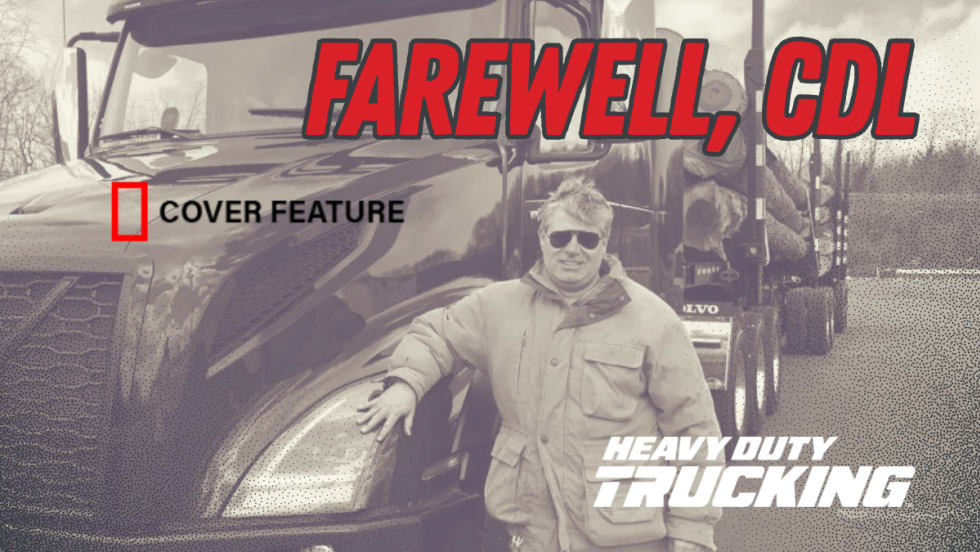
Farewell, CDL: Why I'm Giving Up My Commercial Driver's License
After more than 20 years as a CDL holder, HDT Executive Editor Jack Roberts is letting his commercial license expire. Not because he wants to — but because trucking's nuclear verdict crisis has made the risks of public-road test drives too great for editors, manufacturers, and everyone involved.
Read More →
How Top Trucking Fleets Improve Driver Retention [Video]
What do healthy snacks, optimized routing, and just picking up the phone have in common? They're all strategies the Best Fleets to Drive For are using to retain truck drivers.
Read More →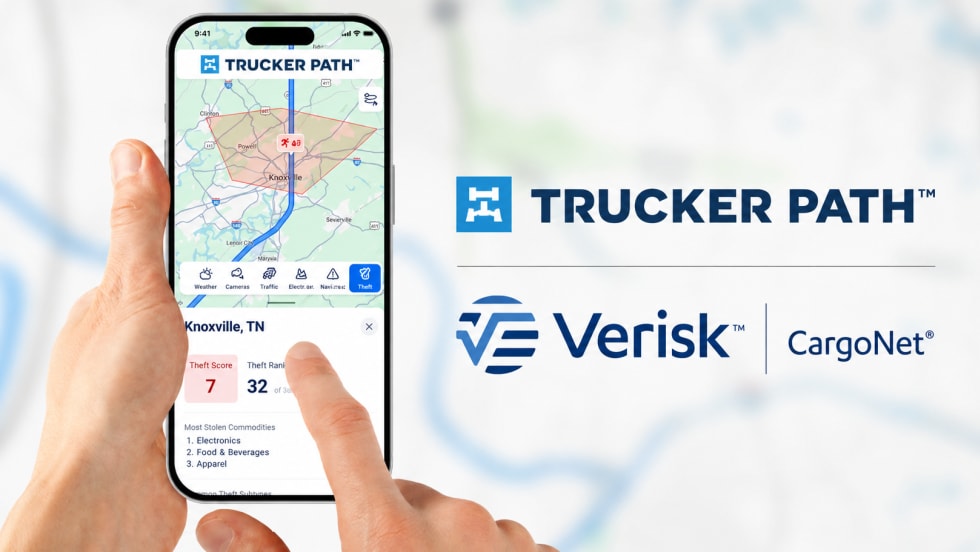
Trucker Path Adds Verisk CargoNet Theft Data to Navigation Platform
Trucker Path’s new cargo theft risk overlays give drivers and fleets visibility into high-risk areas, stolen commodity trends, and theft hotspots.
Read More →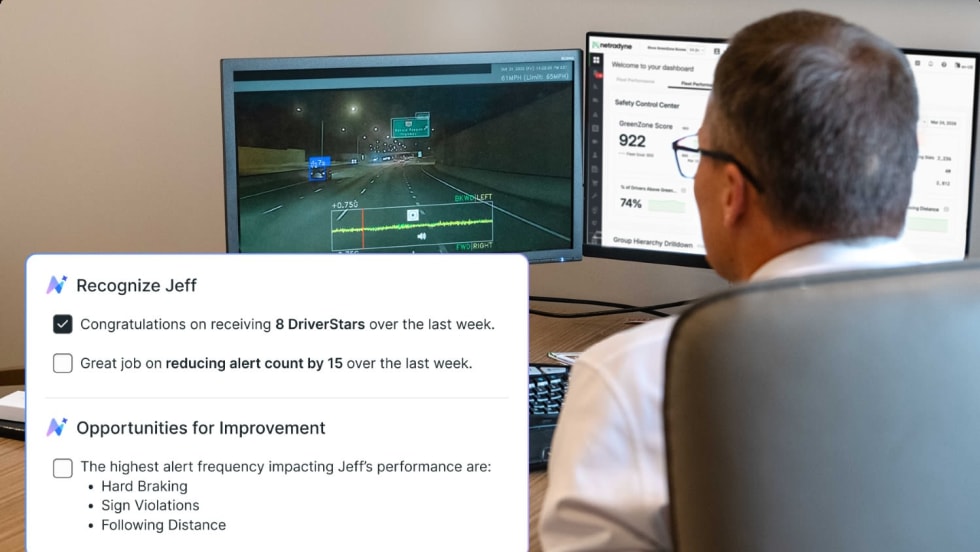
Netradyne Intelligence Uses New AI Agents to Automate Response to In-Cab Camera Data
The company called the next-generation in-cab camera safety platform "a fundamental shift from systems that report on what happened to systems that actively drive what should happen next."
Read More →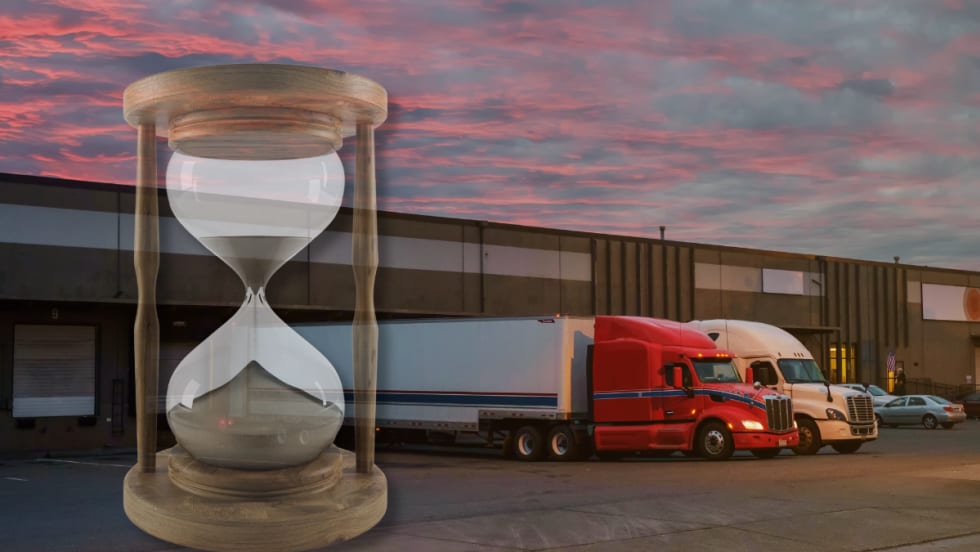
Why Truck Detention Keeps Costing Fleets Time and Money
A 2024 ATRI study found detention affects nearly 40% of truckload stops and costs the industry more than $15 billion annually. Despite the toll on drivers, fleets, and supply chains, the problem remains stubbornly persistent.
Read More →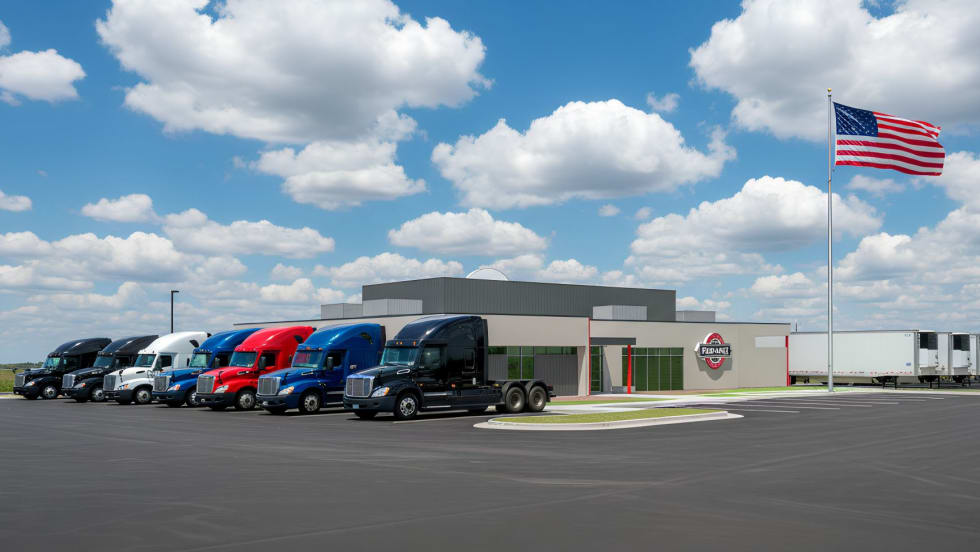
Prime Inc. to Open $7.9M Flagship Used-Truck Dealership
A new driver-focused facility to sell Prime Inc's used trucks and trailers will be the first purpose-built location in the company's history.
Read More →
Short Takes: Inside K&B’s Truck Safety Tech
Listen to learn how K&B Transportation uses cellphone-blocking technology, speed management systems, weather geofencing, bridge avoidance tools, and more to improve driver safety.
Read More →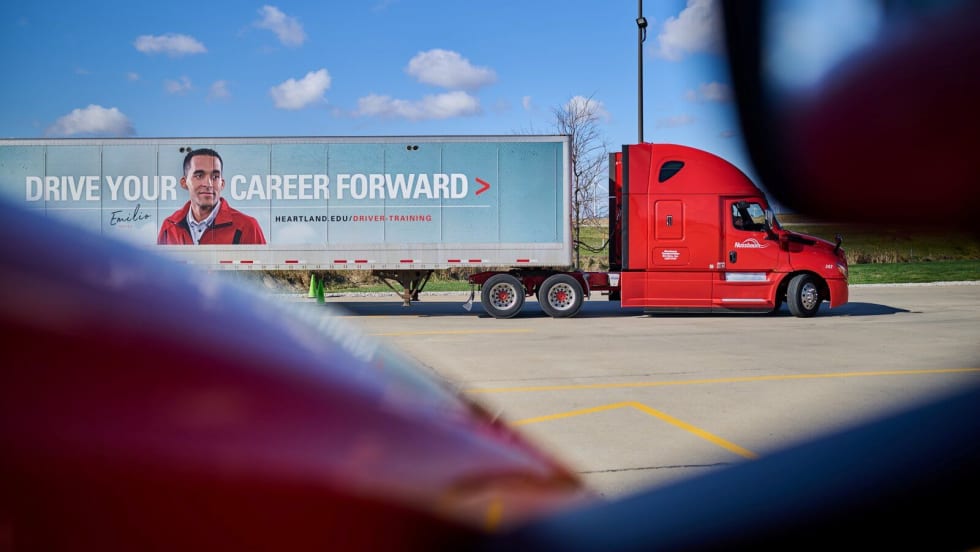
Nussbaum Expands Driver Compensation with Pay Raises, Profit Sharing
Nussbaum Transportation said its latest compensation package could push first-year driver earnings above $90,000 in key hiring markets.
Read More →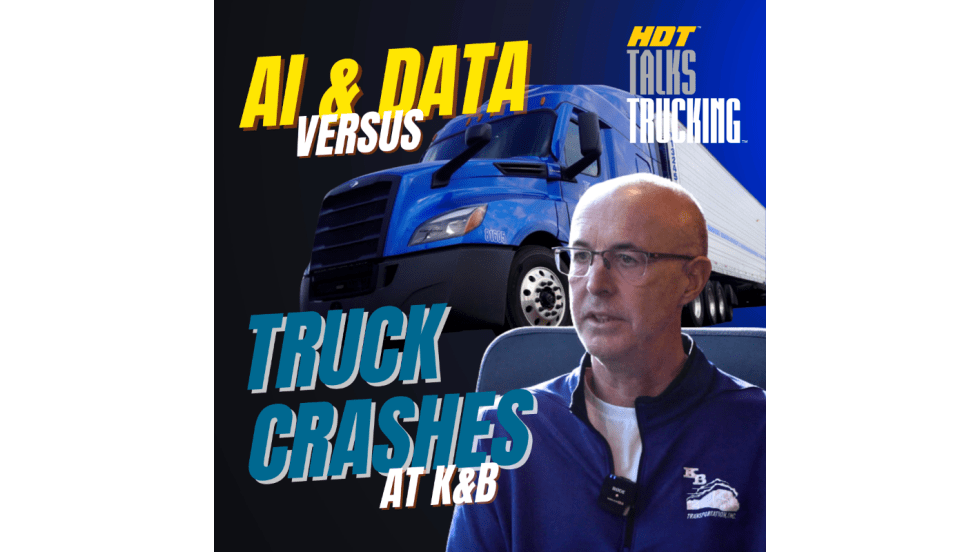
Listen: Inside Modern Fleet Safety: AI, Cameras & Speed Control at K&B Transportation
Fleet safety is evolving fast—and technology is at the center of it. Learn how a former commercial vehicle enforcement officer turned director of safety at K&B Transportation is embracing real-world safety technology.
Read More →
Maverick Announces 2026 Driver Pay Raises
New raises for Maverick Transportation drivers will take effect on May 31, 2026.
Read More →