




RSPA Preempts Another Local Rule
The Research and Special Services Administration has once again asserted its authority over hazardous materials transportation, overturning a Cleveland rule limiting the movement of certain radioactive materials in the downtown area
The Research and Special Services Administration has once again asserted its authority over hazardous materials transportation, overturning a Cleveland rule limiting the movement of certain radioactive materials in the downtown area.
While the Cleveland case is quite narrow, RSPA’s stance has broader implications.
Provisions in the Hazardous Materials Act basically say that non-federal rules concerning hazardous materials transportation are preempted if they’re not substantially the same as federal regulations or not authorized by another federal law or by a Department of Transportation waiver.
RSPA, which is a DOT agency, recently overturned a New Jersey rule regarding the transportation of blasting caps. In that decision, it noted that many states and localities have enacted laws which vary from federal hazmat transportation laws, “thereby creating the potential for unreasonable hazards in other jurisdictions and confounding shippers and carriers which attempt to comply with multiple and conflicting registration, permitting, routing, notification, and other regulatory requirements.”
RSPA made a similar argument in last week’s proposal to include loading, unloading, and storage requirements in federal hazmat transportation regulations.
This summer, a District Court of Appeals will consider the preemption question in a case involving the state of Tennessee. That case, initiated by the American Trucking Assns., asserts that the state’s $650 annual hazardous waste transporter fee violates the Act’s fairness requirement because it is not apportioned. It should therefore be preempted. Tennessee maintains that RSPA’s preemption process is the same as a civil suit, thus the state is protected by sovereign immunity. A district court sided with ATA but the state appealed that ruling.
More Drivers

Competition Heating Up for Truck Drivers
New report reveals rising driver hiring costs, the return of sign-on bonuses, growing AI advantages, and the operational factors shaping driver retention.
Read More →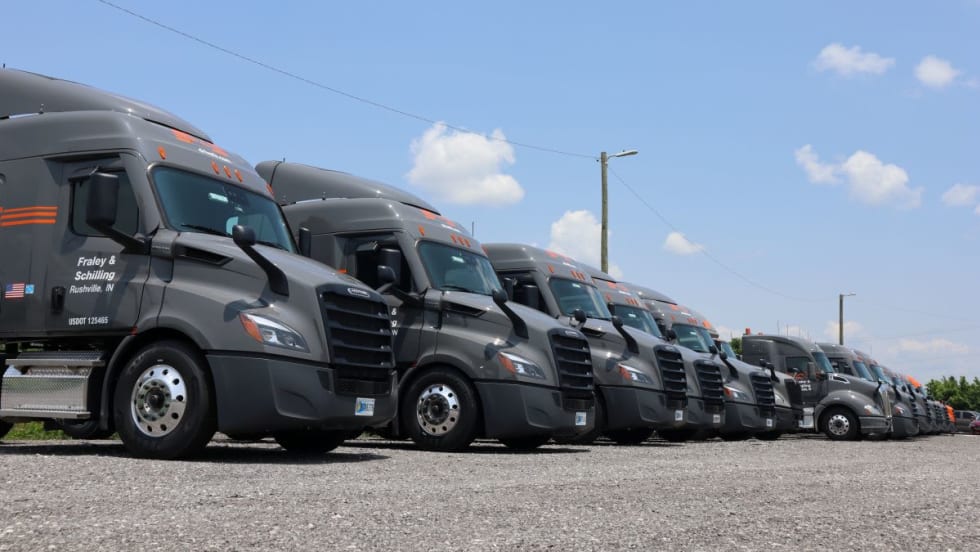
How Fraley & Schilling Improved Logbook Compliance by Over 50%
Fraley & Schilling needed a way to close a compliance workflow gap in its ELD system without adding more work from driver training, reminders, and back-office follow-ups. It found the answer in a custom driver app.
Read More →
Volvo Goes Gaming
Volvo has roared into American Truck Simulator with two new flagship trucks.
Read More →
What the Best Fleets to Drive For Teach About Driver Retention
Survey fatigue, AI-powered routing, owner-operator expectations, and the decline of social media all emerged as themes from this year's Best Fleets to Drive For program.
Read More →
Driver Retention Lessons From the Best Fleets to Drive For
What separates trucking's best workplaces from the rest? Jane Jazrawy shares the biggest lessons from this year's Best Fleets to Drive For program on driver retention, communication, AI, and workforce trends on the HDT Talks Trucking podcast.
Read More →
Farewell, CDL: Why I'm Giving Up My Commercial Driver's License
After more than 20 years as a CDL holder, HDT Executive Editor Jack Roberts is letting his commercial license expire. Not because he wants to — but because trucking's nuclear verdict crisis has made the risks of public-road test drives too great for editors, manufacturers, and everyone involved.
Read More →
How Top Trucking Fleets Improve Driver Retention [Video]
What do healthy snacks, optimized routing, and just picking up the phone have in common? They're all strategies the Best Fleets to Drive For are using to retain truck drivers.
Read More →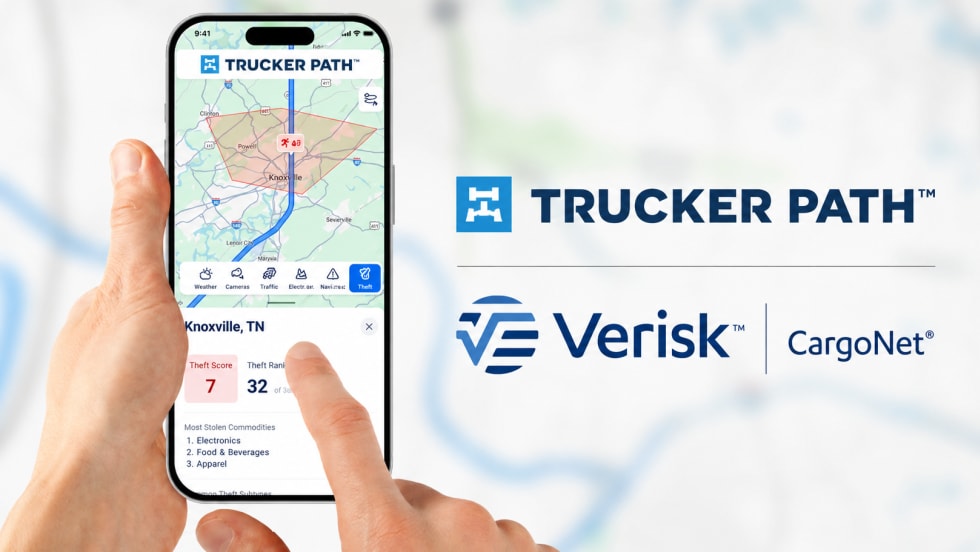
Trucker Path Adds Verisk CargoNet Theft Data to Navigation Platform
Trucker Path’s new cargo theft risk overlays give drivers and fleets visibility into high-risk areas, stolen commodity trends, and theft hotspots.
Read More →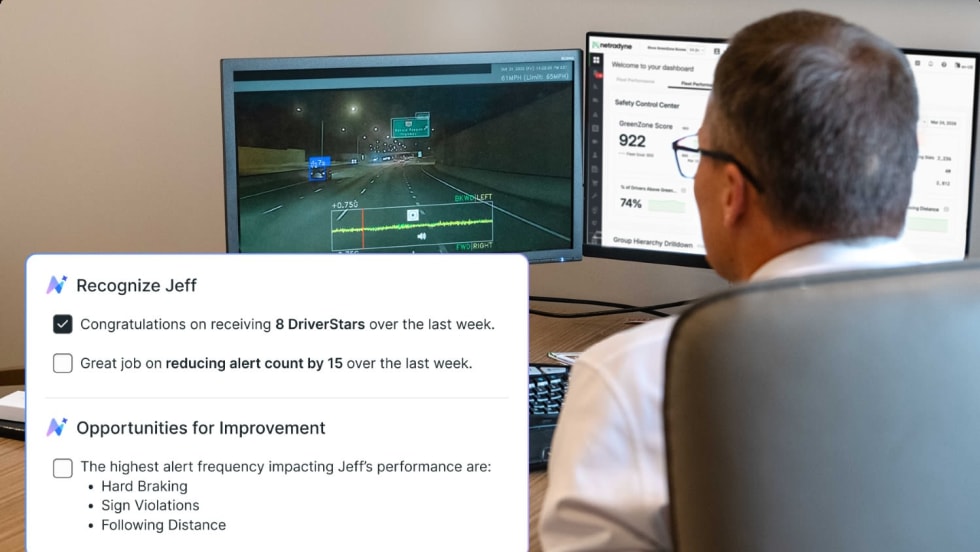
Netradyne Intelligence Uses New AI Agents to Automate Response to In-Cab Camera Data
The company called the next-generation in-cab camera safety platform "a fundamental shift from systems that report on what happened to systems that actively drive what should happen next."
Read More →
Why Truck Detention Keeps Costing Fleets Time and Money
A 2024 ATRI study found detention affects nearly 40% of truckload stops and costs the industry more than $15 billion annually. Despite the toll on drivers, fleets, and supply chains, the problem remains stubbornly persistent.
Read More →